Hunting Cane Creek’s Steep Hollows
Hunting the steep, unforgiving hollows of Cane Creek Wildlife Management Area can feel like a daunting task, often leaving even seasoned hunters wondering how to effectively navigate and succeed in such rugged territory. The dense cover, dramatic elevation changes, and hidden pockets of deer sign can be incredibly frustrating to decipher. This guide aims to pull back the curtain on this challenging landscape, providing you with actionable strategies and essential tips to not only survive but thrive while pursuing deer in Cane Creek's demanding environment.
Understanding Cane Creek WMA's Unique Terrain
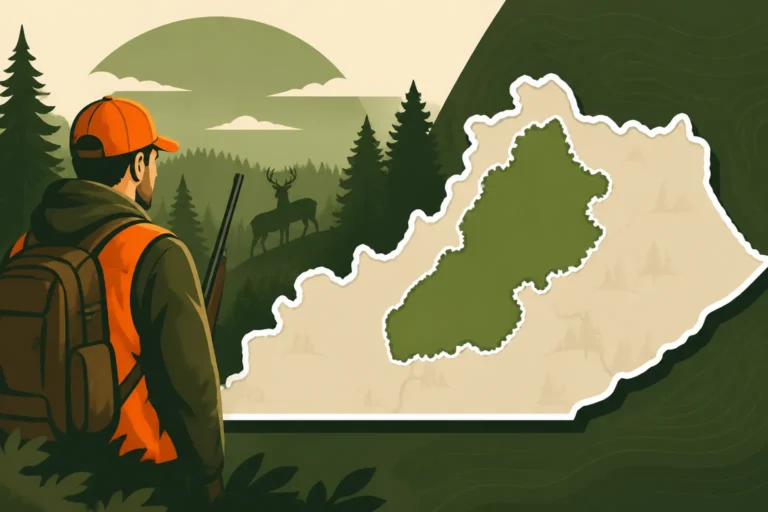
Cane Creek WMA, nestled within Kentucky's rugged eastern landscape, presents a distinct challenge for deer hunters. It's not your typical flat farmland or gently rolling hills. This area is characterized by dramatic elevation changes, deep hollows, and sharp ridges that demand a different approach than what many hunters are accustomed to. Understanding the specific nuances of this terrain is the first step toward developing a successful hunting strategy.
The Layout of Steep Hollows and Ridges
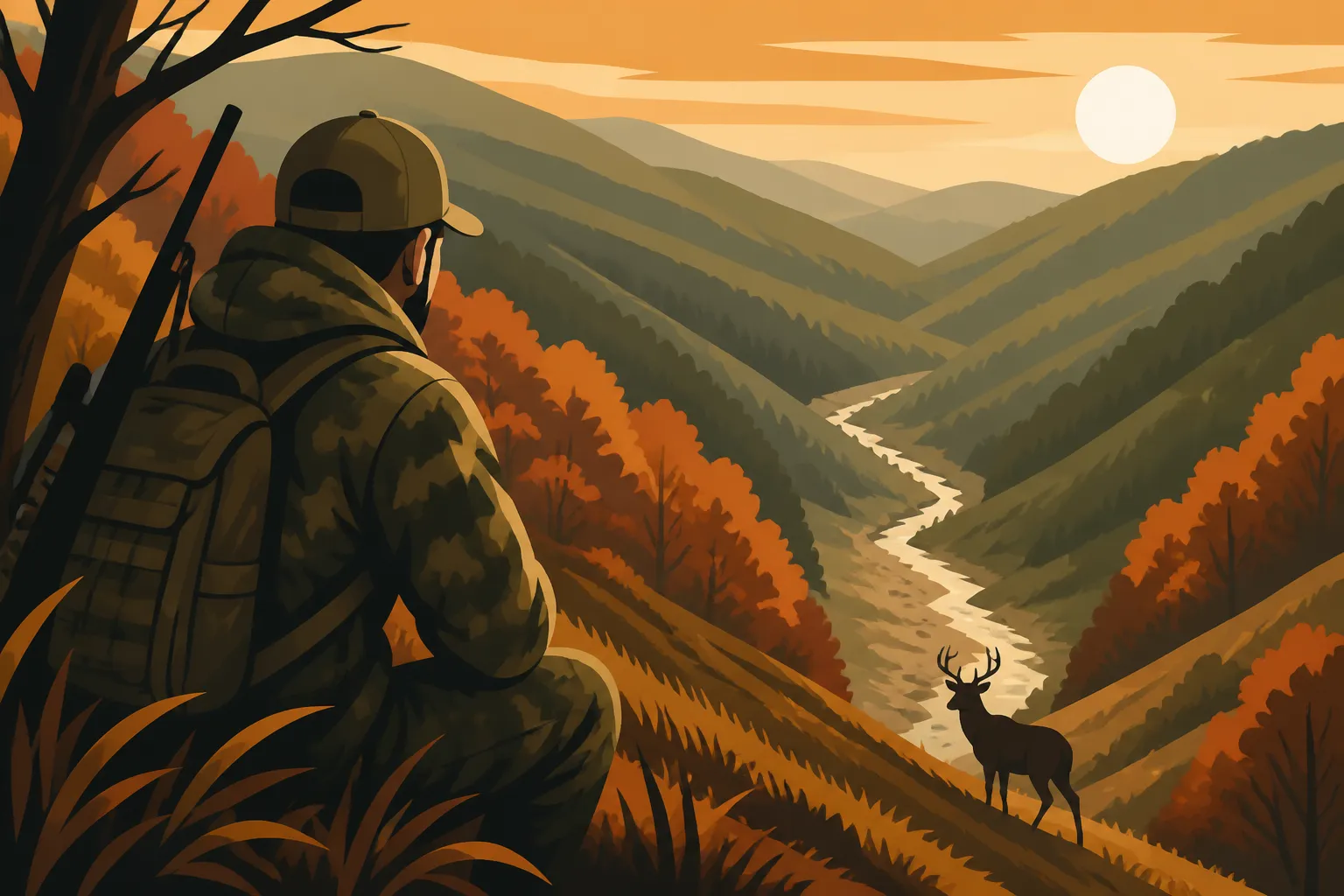
When you look at a topographic map of Cane Creek, what immediately jumps out are the tightly packed contour lines. These aren't just squiggles on a page; they represent real, leg-burning climbs and descents. The hollows here are often deep and narrow, carved out by centuries of water flow, creating natural funnels and thermal hubs. The ridges, on the other hand, can be sharp and exposed, offering commanding views but also potentially exposing you to the keen eyes of wary deer. Deer often use these terrain features to their advantage, traveling along benches or secondary points that allow them to move with minimal effort while maintaining an escape route. Learning to "read a ridge" for deer movement is crucial here, as bucks will often cruise saddles and points during the rut.
These hollows and ridges aren't just obstacles; they are key pieces of the puzzle. For instance, a steep hollow might seem impassable, but it could contain a hidden bedding area on a small, sheltered bench halfway down, offering thermal protection and visual concealment. Deer might use the steep side of a ridge as a secure bedding location, then drop into the more gradual slopes of an adjacent hollow to feed. Understanding how wind and thermals on a Kentucky ridge interact with this topography is vital. In the mornings, cold air sinks into the hollows, meaning deer bedded low might detect rising thermals from a hunter approaching from below. Conversely, in the evenings, warm air rises, pushing scents upwards, which can be advantageous or detrimental depending on your approach. A detailed mapping app, like onX Hunt, can become your best friend here, allowing you to pre-scout these elevation changes and identify potential travel corridors or bedding areas from the comfort of your home.
Navigating Dense Cover and Water Features
Beyond the sheer elevation, Cane Creek is often choked with dense cover. Pockets of thick briars, laurel thickets, and regenerating timber on old logging sites provide incredible sanctuary for deer, making visibility a constant challenge. This isn't wide-open timber where you can see for hundreds of yards; instead, shots might be close and quick. You'll often find yourself pushing through tangles, which can be noisy and exhausting, further complicating your approach.
Interspersed within this challenging cover are numerous small creeks and drainages. While these provide essential water sources for wildlife, they also create natural barriers and travel routes. Deer will often follow these creek bottoms, especially during dry spells, or cross them at specific, less steep points. These crossings can be excellent ambush spots if you can identify them. However, navigating these wet areas requires appropriate gear, such as sturdy, waterproof boots, especially when dealing with the kind of slick, moss-covered rocks you'll inevitably encounter. Be mindful of areas where wet ground meets thick brush; these are often prime spots for deer to stage before moving into more open feeding areas or to bed down with ample cover and water nearby. Always consider Boots for Kentucky Hollows and Creek Bottoms that can handle both the moisture and the rugged terrain.
Strategic Approaches for Steep Country Deer Hunting
Hunting Cane Creek's steep hollows isn't about brute force; it's about smart strategy. The deer here are accustomed to the challenging landscape and use it to their advantage, so you need to do the same. This means meticulous scouting and thoughtful stand placement, coupled with quiet, calculated entry and exit routes.
Scouting for Hidden Pockets and Travel Corridors
Effective scouting is paramount in terrain as rugged as Cane Creek. Forget driving around looking for deer in fields; here, you're looking for subtle signs in the most unlikely places. Start by studying detailed topographic maps, either paper maps or a digital tool like onX Hunt. Look for anomalies: flat benches on steep hillsides, saddles between ridges, pinch points where multiple hollows converge, or subtle changes in elevation that might offer easier travel for deer. These are your starting points.
Once you're on the ground, your boots need to hit the dirt. Focus on finding historical sign. Deer trails might not be as obvious as highways but look for faint paths, broken twigs, and scuff marks. Pay close attention to rub lines and scrape lines, especially along logging roads or subtle benches; these indicate active travel routes, particularly during the pre-rut and rut. Don't be afraid to venture deep into what seems like impenetrable cover; often, the deer are using these areas precisely because hunters avoid them. These "hidden pockets" might be small clearings, thickets of young saplings, or even just a small, relatively flat area in the middle of a steep incline that offers bedding security. Look for distinct bedding areas — matted-down leaves, droppings, and shed hair — usually on the leeward side of a ridge, protected from prevailing winds but offering a view of downwind. Scouting Kentucky Public Land Before Season is invaluable, and in Cane Creek, it often means embracing the arduous climb.
Employing Effective Stand Placement and Entry/Exit Routes
Once you've identified potential deer activity, the next critical step is intelligent stand placement. Given the steepness, traditional treestands might be challenging to hang or even impossible in certain spots. Consider Saddle Hunting in Kentucky Hardwoods or using lightweight climbing sticks combined with a hang-on stand, which offers greater flexibility for odd-shaped trees or steep ground. The goal is to position yourself where you can see a likely travel corridor or feeding/bedding area without being silhouetted or easily scented. Remember the thermals: if you're hunting a morning sit, consider setting up higher on a ridge to let your scent be carried up and away as thermals rise. For an evening hunt, setting up lower might be better as thermals fall into the hollows.
Entry and exit routes are just as important as your stand location, especially when dealing with Hunting Pressure on Kentucky Public Land. You want to approach and leave your stand as quietly and undetected as possible. This means avoiding ridge tops during prime deer movement times, as you're easily visible. Instead, use the hollows, drainage ditches, or the back sides of ridges to conceal your movement. Walk slowly, deliberately, and use the terrain to your advantage. If you can sneak in along a creek bottom, staying out of sight below the ridgeline, that's often a winning strategy. Plan multiple routes if possible, considering wind direction and how deer might be moving. The last thing you want is to bump deer on your way in or out, educating them to your presence. Sometimes, a longer, more circuitous route that keeps you concealed is far better than a direct, noisy path.
Gear and Safety Considerations for Cane Creek's Challenges
Hunting rugged, steep terrain like Cane Creek WMA is physically demanding and requires not only specific gear but also a heightened awareness of safety. Being prepared for the worst while hoping for the best is crucial when you're miles from the nearest road and traversing unforgiving ground.
Essential Gear for Steep, Rugged Terrain
Your gear choice can make or break your hunt in Cane Creek. First and foremost, footwear is critical. Invest in high-quality, waterproof, and well-broken-in hiking boots with excellent ankle support and aggressive tread. You'll be climbing, descending, and traversing slick leaves and muddy slopes all day, so blisters and twisted ankles are real concerns. A good pack is also essential – one that fits well and distributes weight evenly, allowing you to carry water, snacks, extra layers, and your essential hunting gear comfortably. Don't skimp on water; climbing steep hills is dehydrating, even on cooler days.
When it comes to your treestand setup, versatility is key. As mentioned, climbing sticks that can be individually adjusted for uneven ground, combined with a lightweight hang-on stand or a saddle system, will offer the most flexibility. A reliable rangefinder is non-negotiable for judging distances in the timber, where visual cues can be deceiving. And given the dense cover, a good pair of binoculars (even an 8x for close-quarters spotting) will help pick apart thickets for deer sign or concealed animals. Don't forget safety equipment like a quality safety harness and a lifeline for your treestand, and a headlamp for those inevitable walks out after dark. For mapping, remember that while a GPS unit is reliable, apps like onX Hunt on your phone, with downloaded maps for offline use, offer unparalleled detail for navigating property lines and topography.
Here's a quick overview of key gear considerations:
| Gear Item | Why it's Essential for Cane Creek | Considerations |
|---|---|---|
| Hiking Boots | Ankle support, traction, waterproof | Sturdy, well-broken-in, aggressive sole, good waterproofing |
| Pack | Carry essentials, weight distribution | Comfortable fit, sufficient capacity for water, food, layers, and gear |
| Mapping App | Navigation, topo, property lines | onX Hunt (download maps offline), GoHunt (general hunt intel, though less granular for specific WMA nav) |
| Treestand/Saddle | Versatility for uneven trees | Lightweight, adjustable climbing sticks, full-body safety harness |
| Rangefinder | Accurate shot placement | Reliable, quick readings, even in thick cover |
| Binoculars | Spotting deer in dense cover | Compact (8x or 10x), good low-light performance |
| Headlamp | Safe entry/exit in the dark | Bright, long battery life, red light option for stealth |
| First Aid Kit | Emergency preparedness | Compact, comprehensive for cuts, scrapes, sprains, and minor injuries |
Prioritizing Safety in Remote, Hilly Areas
Hunting in Cane Creek's steep hollows isn't just physically taxing; it comes with inherent risks that demand a strong emphasis on safety. First, always let someone know exactly where you're going and when you expect to return. Cell service can be spotty to non-existent in many of these deep hollows, so don't rely on your phone for emergency calls. First Aid Kits for Remote Daniel Boone Forest Ground are essential, and you should carry one even for a day hunt, knowing how to use its contents for common injuries like sprains, cuts, or falls.
Falls from treestands are a constant danger. Always use a full-body harness and a lifeline from the moment your feet leave the ground until they touch it again. When climbing, ensure three points of contact. The steep, often wet and leaf-covered ground makes slips and falls a real possibility, even when just walking. Move deliberately, testing your footing, especially on descents. If you successfully harvest a deer, the challenge of Dragging a Deer Out of a Steep Hollow is significant. Plan your extraction route before the shot, considering the easiest path of resistance and whether you'll need assistance. A deer sled or game cart can be invaluable for recovery once you hit more level ground, but getting the animal to that point often requires significant effort and careful planning. Don't become a statistic; prioritize safety over pushing your limits.
Successfully navigating and hunting Cane Creek's steep hollows is a rewarding experience that demands respect for the terrain and a commitment to strategic planning. By understanding the unique challenges of the landscape, meticulously scouting for deer activity, and employing smart stand placement with careful entry and exit, you'll significantly increase your odds of success. Always prioritize safety, carry the right gear, and remember that patience and persistence are your greatest allies in this rugged Kentucky gem.
Disclaimer
This article is for general informational purposes only and does not constitute professional advice. Laws, prices and regulations vary by location and change over time. Consult a qualified professional for guidance on your specific situation.