Begley WMA Elk Zone Access
The dream of chasing a Kentucky elk across the rugged landscape is a powerful one, but for many, the sheer scale of the Elk Zone and the challenge of finding accessible public land can feel incredibly daunting. You might have heard whispers about specific areas, like Begley WMA, but piecing together how to actually hunt there for elk can be a real headache. This guide is dedicated to demystifying Begley WMA, helping you understand its unique characteristics, how to access it, and what strategies might give you an edge in your pursuit of Kentucky's magnificent elk.
Understanding Begley WMA's Place in the Elk Zone
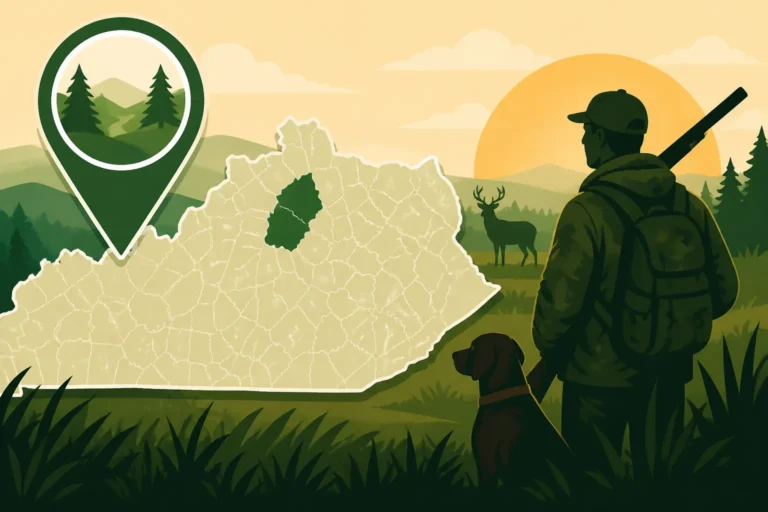
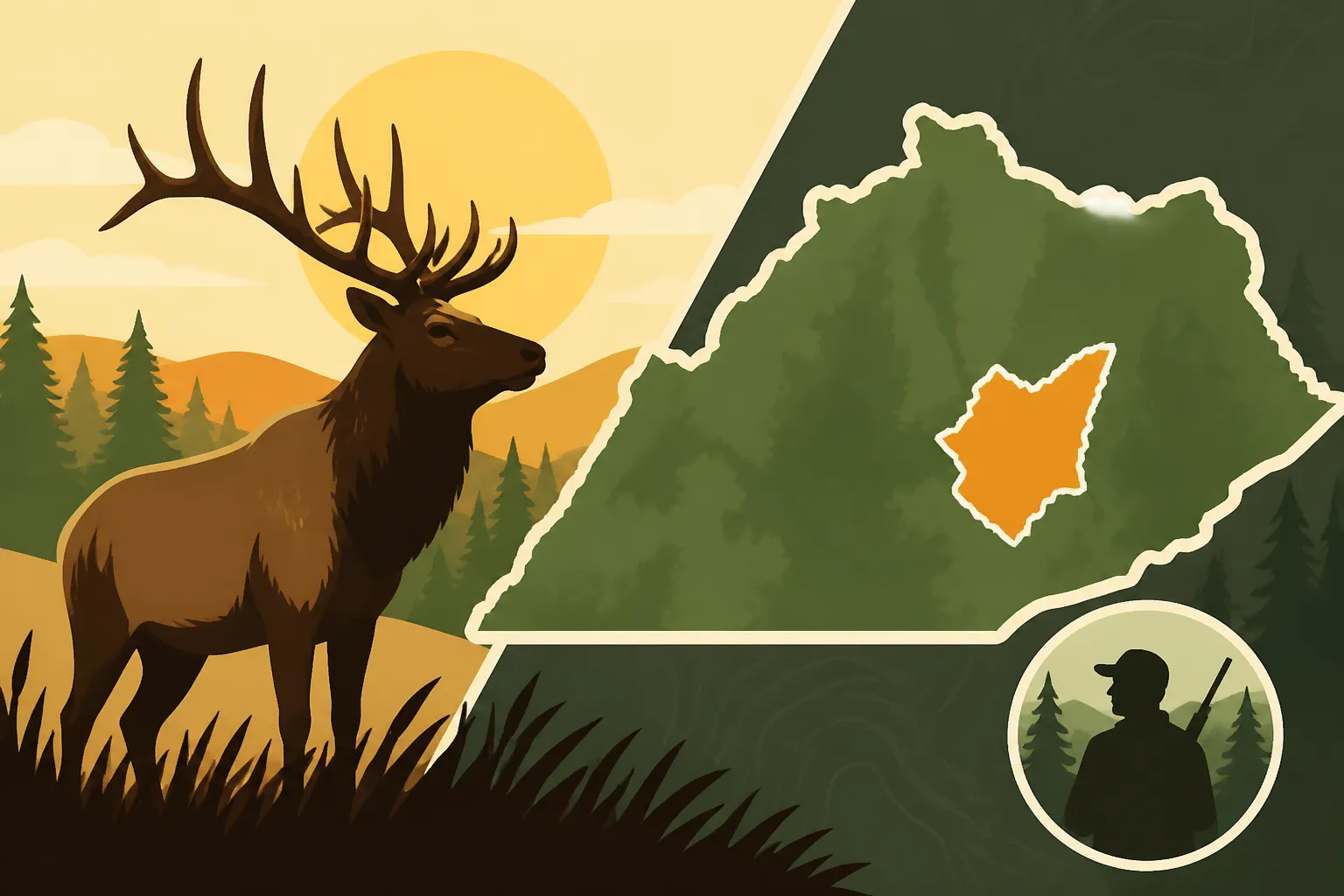
Begley Wildlife Management Area, often just called Begley WMA, is a vital piece of Kentucky's public hunting puzzle, especially for those with their sights set on elk. It's nestled within the sprawling expanse of the state's Elk Restoration Zone, a testament to the incredible conservation efforts that have brought elk back to the Bluegrass State. While Kentucky offers an unparalleled opportunity to hunt elk east of the Mississippi, securing a tag is just the first hurdle; understanding where and how to hunt is paramount.
Begley WMA isn't just some random patch of woods; it's managed specifically with elk in mind, alongside other game species. Its terrain, habitat, and location within the broader Kentucky's Seven Elk Hunting Units all play a role in how a hunter might approach it. Knowing that it's an actively managed area should tell you that there are resources, but also potentially regulations unique to its boundaries, so always check the Kentucky Department of Fish and Wildlife Resources (KDFWR) guidelines before planning your trip.
Location and General Characteristics of Begley WMA
Begley WMA is situated in the southeastern part of Kentucky, a region characterized by its rugged, mountainous terrain and dense hardwood forests. This isn't flat, open country; it's a land of steep ridges, deep hollows, and often thick underbrush. This type of landscape is prime elk country, offering them both cover and diverse forage. Think about areas adjacent to the Daniel Boone National Forest, as Begley shares many topographical and ecological similarities with these vast federal lands, providing a seamless extension of quality habitat for elk.
The WMA typically encompasses a mix of mature timber, some younger clear-cuts or regenerating areas, and potentially old reclaimed mine lands, which often feature unique vegetation patterns. These reclaimed areas can be surprisingly attractive to elk, offering succulent forbs and grasses that might not be as prevalent in the older timber stands. It's this mosaic of habitats that makes Begley, and the larger Elk Zone, so productive, yet also so challenging to navigate. The elevation changes can be significant, so be prepared for some serious hiking if you intend to explore the deeper reaches of the property.
Permits and the Kentucky Elk Quota Hunt System
Accessing Begley WMA for elk hunting specifically requires you to be one of the lucky few drawn in the highly competitive Kentucky Elk Quota Hunt. This isn't an area where you can simply show up with a general hunting license and expect to pursue elk. The state's elk population, while robust and growing—How Many Elk Live in Kentucky Today is a testament to this success—is managed through a limited-entry draw system to ensure sustainable hunting opportunities and herd health.
The process of Applying for a Kentucky Elk Permit involves a specific application window, and if drawn, you'll be assigned to one of the hunting units within the Elk Zone, which may or course include an area like Begley. It's crucial to understand that even if you're drawn for a particular permit type (bull or cow, firearm or archery), your specific hunting location within that broad unit might be a public land tract like Begley WMA. Many hunters dream of Hunting Kentucky's Record Elk Herd, and the permit system is how the state balances that demand with careful management. Before you even think about scouting Begley, your focus needs to be on securing one of those coveted tags.
Navigating Access Points and Terrain at Begley
Once you've secured that highly sought-after elk permit and find yourself with a Begley WMA tag in hand, the real work begins: understanding how to physically get into and move around this challenging but rewarding landscape. This isn't a place for casual strolls; it demands careful planning, robust mapping tools, and a willingness to put in some serious foot mileage. The terrain itself dictates much of your strategy, from choosing entry routes to setting up calling sequences.
Kentucky's public lands, including WMAs, can have a variety of access points, from well-maintained gravel roads to rudimentary logging trails or even just walk-in gates. You can't just assume every path on a map is open to vehicles. Always verify vehicle access rules with KDFWR before you go, as improper vehicle use can lead to fines and habitat damage.
Identifying Entry Points and Parking
Finding legal and practical entry points into Begley WMA is your first critical step. Public land boundaries are generally well-marked, but knowing where to park and how far you'll need to walk is key to a successful hunt. Often, WMAs will have designated parking areas along main roads or at the end of gravel access roads. These points are your starting line, and from there, it’s usually foot traffic only.
I can't stress enough how vital a good mapping application is for this stage. Tools like onX Hunt are game-changers, allowing you to clearly see property lines, access roads, and topographical features right on your phone or GPS device. You can mark potential parking spots, scout likely travel corridors, and even identify hidden benches or saddles deep within the WMA. Without such a tool, you’re essentially wandering blind in complex terrain. Always save offline maps, as cell service is often spotty or non-existent in these rugged areas.
Understanding the Topography and Its Impact on Elk Movement
The terrain at Begley WMA isn't just scenery; it's a roadmap for elk. You're likely looking at a mix of steep slopes, winding hollows, natural benches, and possibly some flatter ridge tops. Elk are creatures of efficiency and comfort, and they'll use the topography to their advantage. They often travel along benches that contour around hillsides, as it's less strenuous than climbing straight up and down. Hollows provide thermal cover in colder weather and funnels for movement, especially during the rut.
Learning to read these topographical cues is an art. For instance, a saddle between two ridges can be a natural crossing point for elk moving between bedding and feeding areas. Understanding Wind and Thermals on a Kentucky Ridge is also crucial, as elk will often bed on lee sides to avoid wind and use thermals to detect predators. During the mornings, thermals rise, carrying scent uphill, while in the evenings, they fall, pulling scent downhill. Positioning yourself correctly, whether for still-hunting or calling, depends entirely on this knowledge.
Here's a quick look at common terrain types and how they influence elk at Begley WMA:
| Terrain Feature | Typical Elk Use | Hunting Implication |
|---|---|---|
| Steep Ridges | Bedding, escape routes, travel between drainages | Difficult access, good for glassing from afar |
| Deep Hollows | Thermal cover, travel corridors, water sources | Funneling elk, good for ambushing, tough retrieves |
| Bench Cuts | Efficient travel paths, feeding on specific plants | Prime areas for intercepting moving elk |
| Reclaimed Land | Forage (grasses, forbs), open visibility | Feeding areas, good for spotting, often pressured |
| Mature Timber | Security cover, acorns, bedding in dense areas | Great for still-hunting, close-quarters encounters |
Utilizing Mapping Tools for Begley WMA
Modern technology has revolutionized how we approach hunting public land, and Begley WMA is no exception. Beyond just seeing property lines, advanced mapping platforms offer layers that can reveal habitat types, recent timber cuts, water sources, and even historical satellite imagery that shows how the landscape has changed over time. These are all critical pieces of the puzzle when you’re scouting for elk.
Before you ever set foot on Begley WMA, spend hours poring over these digital maps. Identify potential bedding areas (often dense cover on secluded benches or ridge points), likely feeding areas (reclaimed lands, clear-cuts, or areas with specific mast crops), and the travel corridors connecting them. You can use these tools to plan multiple entry and exit routes, anticipate wind direction impact on different stand sites, and mentally walk through a hunt before you're actually there. GoHunt, for example, offers detailed unit data that, while primarily western-focused, can still provide valuable insights into applying a strategic mindset to any hunt, including Kentucky elk. Combining this kind of research with Scouting Kentucky Public Land Before Season will give you a significant advantage.
Strategic Elk Hunting within Begley WMA
Hunting elk at Begley WMA is a commitment, a true test of physical endurance, mental fortitude, and woodsman skills. It’s not just about showing up with a rifle or bow; it's about understanding elk behavior, interpreting the landscape, and executing a sound strategy. Given the limited number of tags and the challenging terrain, every bit of preparation counts. This section delves into how you can effectively hunt the area, from initial scouting to in-field tactics.
Scouting and Identifying Elk Sign
Effective scouting is the bedrock of a successful elk hunt, especially on public land like Begley WMA. Since you likely won't have the luxury of extensive pre-season boots-on-the-ground scouting if you're traveling, a combination of digital reconnaissance and focused, in-season scouting is critical. Look for the tell-tale signs: fresh tracks (larger than deer, often with a more rounded print), droppings (piles of pellets that vary in consistency with their diet), and rubs (where bulls have scraped velvet from their antlers or polished them on trees).
Beyond these obvious signs, look for wallows – muddy depressions where elk roll to cool off and deter insects. These are goldmines for identifying active elk areas. Also, pay attention to torn-up ground where bulls have raked their antlers, especially during the rut. Elk Viewing in the Restoration Zone isn't just for sightseers; it's a vital part of scouting, allowing you to observe their general behavior patterns and preferred habitats without disturbing your specific hunting area. Remember, fresh sign is always better than old sign; concentrate your efforts where elk are currently active.
Calling Tactics and Elk Behavior in Southeastern Kentucky
Calling elk in the rugged terrain of southeastern Kentucky, including Begley WMA, requires a nuanced approach. While the classic bugle might bring in a bull during the rut, overly aggressive calling can also push away wary animals, especially on public land where they might have encountered other hunters. Often, subtle cow calls, mews, and chirps can be more effective at drawing in a curious bull or even locating a herd without spooking them.
Understanding the rhythm of the rut is key. During the peak, bulls are more responsive to bugles and challenges, while earlier or later in the season, they might be more interested in finding cows. If you're hunting during the Kentucky Bull Firearm Elk Season Dates or Kentucky Archery-Crossbow Elk Season Dates, the activity can vary wildly. Don't be afraid to mix up your calling; use locator bugles from a distance, then switch to softer cow calls if you get a response. Always consider the wind and thermals when calling, ensuring your scent isn't being carried directly to the elk you're trying to attract. Carrying a good set of Elk Calls and Cow Decoys is essential.
Still-Hunting and Stand Hunting Opportunities
Given the diverse terrain of Begley WMA, both still-hunting and stand hunting can be effective, depending on the specific area and your preferred method. Still-hunting, moving slowly and deliberately through the woods, can be incredibly effective in the mature timber and along bench cuts. This requires a keen eye, patience, and the ability to pick apart cover looking for a piece of an animal. Focus on areas with good visibility but also enough cover for elk to feel secure.
Stand hunting, whether from a treestand or a ground blind, is best suited for known travel corridors, active feeding areas, or water sources. If you've identified a heavily used trail or a specific reclaimed field that elk frequent, setting up a stand or a Using a Ground Blind on Kentucky Public Land can allow you to intercept animals moving between bedding and feeding. Remember, Kentucky has specific rules regarding treestands on public land, so always check the regulations about placement, removal, and impact on trees. Whatever your method, stealth and scent control are paramount.
Essential Preparations for a Begley WMA Elk Hunt
An elk hunt in Kentucky, particularly in a challenging WMA like Begley, is a serious undertaking that demands thorough preparation. It’s not just about having the right weapon; it’s about physical conditioning, understanding regulations, and ensuring you have all the necessary gear to stay safe and effective in the field. Skimping on preparation can quickly turn an exciting adventure into a miserable experience.
Physical Conditioning and Navigating Rough Terrain
This cannot be overstated: elk hunting in southeastern Kentucky is physically demanding. The steep grades, deep hollows, and often thick brush of Begley WMA will test your endurance. Don't underestimate the effort required to hike miles uphill, potentially packing out hundreds of pounds of meat. Start a rigorous conditioning program well in advance of your hunt, focusing on cardio, leg strength, and carrying a weighted pack over uneven terrain.
If you can, replicate the conditions you’ll face. Hike local trails with hills, wear your hunting boots, and carry a backpack loaded with what you expect to carry in the field. Recovering an elk from a steep hollow is an incredibly arduous task, and being physically prepared for it will make all the difference, not just for success, but for safety. Familiarize yourself with techniques for Dragging a Deer Out of a Steep Hollow, which are even more critical for a much larger elk.
Recommended Gear for a Kentucky Elk Hunt
Your gear selection needs to be robust and reliable for a Begley WMA elk hunt. Let's break down some essentials:
- Weapon: Depending on your permit, you'll need either a rifle or archery gear. If it's a firearm hunt, ensure your rifle is sighted in and capable of ethical elk shots. Rifles Built for a Southeastern Elk Hunt typically involve calibers that deliver sufficient energy at varying ranges. For archery, ensure your bow or crossbow is tuned, and you're proficient out to your ethical limit.
- Optics: A good set of binoculars (10×42 or 12×50 are popular) is non-negotiable for glassing the vast hillsides. A rangefinder is also crucial for accurate shot placement. Consider a spotting scope if you plan to sit and glass large clear-cuts or reclaimed areas, as discussed in Optics for Glassing Reclaimed Mine Land.
- Mapping & Navigation: As mentioned, a reliable GPS unit or a smartphone with onX Hunt or a similar app, and downloaded offline maps, is absolutely critical. Carry a compass and physical map as a backup.
- Clothing System: Layering is key in Kentucky, where weather can change rapidly. Think wool or synthetic base layers, insulating mid-layers, and a waterproof/windproof outer shell. Sturdy, waterproof hiking boots with good ankle support are a must for traversing the uneven ground. Consider Boots for Kentucky Hollows and Creek Bottoms for maximum comfort and stability.
- Backpack: A comfortable, capable backpack is essential for carrying your daily essentials, water, food, and the heavy load of meat you hope to pack out. Look into frame packs if you plan on boning out an animal.
- Game Care: Field dressing knives, game bags, and perhaps even a portable saw are necessary. Be prepared for Meat Care Gear for Kentucky Hunters, as proper handling ensures quality venison.
Regulations and Safety Considerations
Always, always consult the most current KDFWR regulations for elk hunting in Kentucky. These rules can change, and knowing them inside and out is your responsibility. Pay close attention to season dates, bag limits, carcass movement restrictions (especially if CWD becomes a concern in the area, though that's generally for deer), and blaze orange requirements. Even if you're hunting during an archery season, you might still need to wear blaze orange if other firearm seasons are open concurrently.
Safety should be your top priority. Hunt with a buddy if possible, or at least let someone know your exact hunting plans and expected return time. Carry a comprehensive first-aid kit, a headlamp for navigating in the dark, and emergency signaling devices. Respect the terrain, other hunters, and the wildlife. Kentucky's elk herd is a remarkable success story, and ethical hunting practices ensure it remains so for future generations.
Disclaimer
This article is for general informational purposes only and does not constitute professional advice. Laws, prices and regulations vary by location and change over time. Consult a qualified professional for guidance on your specific situation.