Pine Mountain Bear Zone Public Ground
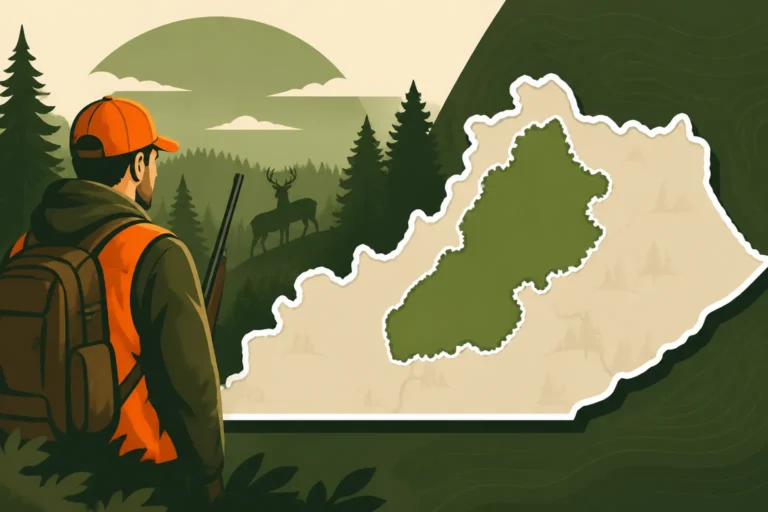
You've heard the whispers, seen the trail camera photos, and felt the primal pull to hunt one of Kentucky's most elusive big game animals: the black bear. But if you're like many hunters, the thought of tackling the vast, rugged terrain of Pine Mountain in search of a bruin can feel daunting, especially when trying to pinpoint legal public hunting ground and understand the unique challenges this region presents. This comprehensive guide will walk you through the specifics of hunting the Pine Mountain Bear Zone on public land, helping you prepare for a truly wild Kentucky adventure.
Understanding the Pine Mountain Bear Zone
Pine Mountain isn't just a picturesque part of Kentucky's landscape; it's a stronghold for black bears, offering some of the most challenging yet rewarding bear hunting opportunities in the state. If you're serious about pursuing a bruin, understanding this unique environment is your first step to success.
What Makes Pine Mountain a Prime Bear Habitat
Pine Mountain is a geological marvel, forming a long, narrow ridge that stretches across southeastern Kentucky, extending into Virginia and Tennessee. This ancient mountain chain boasts a dense mix of mature hardwood forests, rugged coves, steep slopes, and abundant natural food sources that make it ideal bear country. Think about it: deep, isolated hollows where bears can den undisturbed, vast stretches of oak and hickory trees providing acorns and nuts for foraging, and an understory thick with berry bushes in the warmer months. These factors create a sanctuary where bears can thrive, grow, and often avoid human encounters for extended periods.
The sheer scale of the wilderness here also plays a massive role. Unlike flatter, more fragmented landscapes, Pine Mountain offers continuous forested habitat, allowing bears to roam vast distances without encountering significant human development. This means less road frontage, fewer agricultural fields (though some exist at the base), and more pure, wild forest. Bears are naturally reclusive creatures, and Pine Mountain provides the seclusion they crave, leading to a healthy and robust population. When you're out there, you'll feel that wildness, that sense of being deep in untamed country. It's exhilarating, but it also presents a unique set of challenges for the hunter.
Identifying the Specific Bear Zone
Kentucky's bear management strategy divides the state into specific zones, each with its own regulations regarding quotas, season lengths, and hunting methods. Pine Mountain, due to its significant bear population and contiguous habitat, falls squarely within a critical bear zone, typically Zone 1 or Zone 2, depending on the specific county and current KDFWR designation. It's absolutely crucial to consult the Kentucky Department of Fish and Wildlife Resources (KDFWR) annual hunting guide before planning your trip, as these zone boundaries and regulations can shift.
For hunters, understanding which zone you're in directly impacts your hunt. For example, Zone 1 traditionally has a higher bear population and may offer a longer season or a higher quota, while Zone 2 might be more restrictive. These zones are designed to manage the bear population sustainably, ensuring a healthy future for the bears while providing hunting opportunities. The Pine Mountain region is often considered the heart of Kentucky's bear country, so expect it to be managed accordingly. Knowing your zone will dictate everything from your permit application process to the specific dates you can be in the woods, and even whether hound hunting is permitted during your chosen season. For more detailed information on regulations, be sure to read Kentucky's Bear Zone System.
Navigating Public Ground on Pine Mountain
Hunting on Pine Mountain often means tackling public land, which can be both a blessing and a curse. The blessing is the sheer amount of accessible ground; the curse can be figuring out where you can legally hunt and how to effectively navigate the rugged terrain once you're there.
Key Public Lands on Pine Mountain
When you talk about Pine Mountain, you're primarily looking at large tracts of land within the Daniel Boone National Forest and certain state forests or wildlife management areas (WMAs) managed by KDFWR. These areas provide the bulk of the public hunting opportunities. For instance, sections of the Daniel Boone National Forest directly encompass portions of Pine Mountain, offering vast expanses of timber, steep ridges, and hollows perfect for bears. Similarly, state forests like Pine Mountain State Resort Park (though hunting within the park itself is restricted to specific quota hunts, surrounding areas may be open) or other lesser-known state-owned lands might offer access.
What's vital to remember is that not all public land is created equal, and boundaries can be tricky. National Forest lands typically have more lenient regulations regarding dispersed camping and off-trail travel compared to WMAs, which often have stricter rules about vehicle access, camping, and even treestand placement. It's easy to accidentally wander onto private property if you're not paying attention, which can lead to trouble. I've heard stories of hunters thinking they were on public ground only to find themselves staring at a "No Trespassing" sign after a long, arduous hike. That's why having reliable mapping resources is non-negotiable.
Accessing the Terrain
Getting into prime bear habitat on Pine Mountain is rarely easy. This isn't flat farm country where you can just hop out of your truck and walk 100 yards to a stand. Pine Mountain is characterized by extremely steep grades, deep hollows, thick rhododendron thickets, and remote areas with limited road access. Logging roads, old coal mining roads (some reclaimed, some still active), and ATV trails might get you part of the way, but often, the best bear spots require serious boot leather.
A good topographical map is your best friend here, but a digital mapping app like onX Hunt is truly invaluable. I wouldn't step foot on Pine Mountain public land without it. You can see property lines, topography, access roads, and even satellite imagery that reveals clear-cuts, mature timber, and potential food sources from your phone. This technology can literally save you hours of wasted effort and prevent trespassing. Imagine spending a morning hiking into a promising-looking basin only to discover on your map that it's surrounded by private property — onX Hunt can prevent that frustrating experience. Planning your entry and exit routes, understanding elevation changes, and identifying natural funnels or bedding areas becomes much more manageable with such tools. You'll want to scout for Hunting Pine Mountain Ridgelines and Where Daniel Boone Forest Bucks Bed as these areas can also hold bears.
Hunting Strategies for Pine Mountain Bears
Successfully hunting black bears on Pine Mountain requires a blend of keen observation, strategic thinking, and a willingness to embrace the physical demands of the landscape. These aren't creatures you'll just stumble upon often; they require deliberate effort.
Scouting and Sign Recognition
Bears are creatures of habit, especially when it comes to food. Their movements are largely dictated by seasonal food availability. In the spring, they might be found grazing on tender greens in open areas or near emerging succulent plants. As summer progresses, they'll target berries – blackberries, blueberries, and wild grapes are all bear favorites. Come fall, however, it's all about the mast crop: acorns, hickory nuts, and beechnuts. Knowing the seasonal food sources and focusing your scouting efforts around them is critical.
When scouting Pine Mountain, you're looking for definitive bear sign. This includes tracks in soft earth near stream crossings or damp areas, particularly after a rain. Look for scat (droppings), which can vary greatly depending on their diet—berry-filled scat in summer, mostly nuts in fall. Claw marks on trees are another huge indicator, especially on beech trees or larger pines where bears might climb to access nuts or simply to mark their territory. You might also find disturbed logs or overturned rocks where bears have been foraging for grubs and insects. Areas with abundant natural mast production, like dense oak flats or ridge lines, are always worth investigating. Use your binoculars to glass distant slopes and powerline cuts at dawn and dusk, looking for any movement. Pay close attention to subtle differences in the terrain that might indicate a travel corridor or a favored feeding spot.
Tactics for Success
Pine Mountain's rugged nature lends itself primarily to two main hunting tactics for bears: still-hunting and setting up an ambush. Hound hunting, while legal in certain zones and seasons, requires specialized equipment and dogs, and isn't typically accessible to the average hunter without significant investment or joining a club.
Still-Hunting: This involves moving very slowly and deliberately through the woods, stopping frequently to look, listen, and scan for any sign of a bear. The steep, often noisy terrain makes this challenging, as leaf litter can be loud. Focus on moving into the wind or crosswind, especially along benches, saddles, or creek bottoms that connect feeding areas to bedding areas. You're trying to sneak up on a feeding bear or catch one moving between locations. This tactic demands incredible patience and stealth. Look for variations in the forest: a sudden change in timber type, a dense rhododendron thicket offering bedding cover, or a small seep providing water. Any of these could hold a bear.
Ambush Hunting (Stands/Blinds): Setting up a treestand or ground blind near a known food source or travel corridor can be highly effective, especially during the fall mast season. Locate an area with heavy bear sign, identify a natural funnel or a frequently used trail, and set up your stand downwind. You might be near a cluster of productive oak trees on a ridge, or overlooking a natural bench that bears use to traverse a steep hillside. Ground blinds can be particularly effective in thick rhododendron or laurel patches, allowing you to blend into the cover. Just remember to brush it in well and get in early to allow things to settle down. A good option for setting up is Treestand Setups in Daniel Boone National Forest. For those considering ground blinds, learn more about Using a Ground Blind on Kentucky Public Land.
TABLE: Pine Mountain Bear Hunting Tactics Comparison
| Tactic | Description | Pros | Cons |
|---|---|---|---|
| Still-Hunting | Slow, deliberate movement through habitat, constant scanning. | Highly mobile, covers more ground, adaptable to bear movement. | Physically demanding, requires extreme stealth, easy to spook bear. |
| Ambush (Stand) | Sitting in a treestand or blind over a food source/funnel. | Less physically demanding, can be very productive if sign is good. | Fixed position, dependent on bear movement, challenging setup in steep terrain. |
| Hound Hunting | Using trained dogs to track and tree a bear. | High success rate, thrilling experience, covers large areas. | Requires specialized dogs/gear, specific regulations apply, not for every hunter. |
Regulations and Considerations for Pine Mountain Bear Hunters
Bear hunting in Kentucky is highly regulated to ensure the long-term health of the population. Ignoring these rules can lead to serious consequences, so it's critical to be informed.
Permitting and Season Dates
Before you even think about heading to Pine Mountain, you need to acquire the necessary permits and understand the season dates. A valid Kentucky hunting license is always your baseline. On top of that, you'll need a specific bear permit. These permits are typically separate from your general deer or turkey permits. Historically, Kentucky has managed bear hunting with specific quotas, often closing the season once a certain number of bears or female bears have been harvested. This makes it a dynamic situation where hunters need to stay constantly updated.
The season dates for bear hunting can also vary year to year and by zone. There might be archery-only seasons, firearms seasons, and specific seasons for hunting with dogs. These seasons are generally short and intense, reflecting the KDFWR's conservative management approach. Always check the current KDFWR hunting guide or their website for the most up-to-date information on Kentucky Bear Archery Season Dates or Kentucky Bear Firearms Season Dates. Missing a critical detail could mean your hunt is illegal or that the season closed before you even got in the woods. Keep in mind that permit costs are subject to change, so always check the official KDFWR channels for current figures.
Safety and Best Practices
Hunting in the rugged mountains of Pine Mountain demands a heightened awareness of safety, both for yourself and for the wildlife. Bear country requires a different mindset than hunting deer in a lowland woodlot.
- Bear Safety: While black bears are generally shy, encounters can happen. Carry bear spray and know how to use it. Make noise as you walk, especially in thick cover, to avoid surprising a bear. If you encounter a bear, do not run; make yourself look big and back away slowly.
- Terrain Safety: The steep slopes and dense vegetation can lead to falls, twisted ankles, or worse. Wear sturdy hiking boots with good ankle support. Consider carrying a trekking pole for stability. Inform someone of your hunting plan, including your exact location and expected return time. Cell service can be spotty to non-existent in many parts of Pine Mountain, so don't rely on your phone for emergency calls. A GPS device (or your phone with downloaded onX Hunt maps) and a compass are essential navigation tools.
- Ethical Hunting: Make sure you're confident in your shot placement. Bears are tough animals, and a wounded bear in dense cover is a dangerous situation for everyone. After the shot, track diligently. A tool like GoHunt can sometimes offer useful articles or forums on tracking wounded game, although specific to Kentucky, the principles remain the same. Field dressing a bear requires a solid plan and knowledge of how to cool the meat quickly, especially if temperatures are mild. Bears are large animals, and recovering one from a steep hollow is an incredibly arduous task. Have a plan for extraction before you even pull the trigger. Always ensure you comply with Kentucky Bear Checking Requirements after a harvest.
Hunting the Pine Mountain Bear Zone is not for the faint of heart, but it offers an unparalleled opportunity to connect with true wilderness and pursue one of Kentucky's most majestic big game animals. With thorough preparation, a deep understanding of the regulations, and a respect for the rugged environment, you can have a safe and successful hunt.
Disclaimer
This article is for general informational purposes only and does not constitute professional advice. Laws, prices and regulations vary by location and change over time. Consult a qualified professional for guidance on your specific situation.