Carlisle County Public Hunting Ground
For hunters looking for hidden gems beyond the well-known massive public tracts in Kentucky, the idea of finding quality ground in smaller, less-talked-about counties can feel like searching for a needle in a haystack. Many assume that the best opportunities are always found where the crowds are heaviest or the acreage is largest. But Carlisle County, nestled in the far western part of the state, offers a different kind of public hunting experience that’s absolutely worth exploring, especially if you understand its unique landscape and how to approach it. This guide aims to pull back the curtain on hunting public ground in Carlisle County, helping you uncover overlooked opportunities and craft a successful strategy.
The Unique Landscape of Carlisle County for Hunters
Carlisle County’s hunting landscape is distinctly Western Kentucky. Forget the rugged, steep ridges of the Daniel Boone National Forest; here, you’re looking at a flatter, more agriculturally dominated region, heavily influenced by its proximity to the Mississippi River. This isn't necessarily a bad thing; it just means you need to adjust your scouting and hunting tactics to fit the terrain.
Geography and Habitat Characteristics
The terrain in Carlisle County is characterized by expansive agricultural fields – think corn, soybeans, and wheat – interspersed with pockets of timber, creek bottoms, and dense fencerows. These timber blocks are often fragmented, but they provide crucial cover and bedding areas for deer and other game. The creek bottoms, particularly those that stay wet, offer thick thermal cover and travel corridors. Fencerows, often overlooked, are absolute magnets for wildlife, providing both shelter and food sources between large open fields. They act as natural highways for deer, rabbits, and coyotes, linking different habitat types. This mosaic of agriculture and woodland creates a rich environment, especially for species that thrive on edge habitat. You’ll often find deer movement concentrated along the transition zones between fields and timber, or within the brushy confines of a creek bed.
Understanding these features is key. A hunter accustomed to continuous timber might struggle to "read" the land here without appreciating how vital those seemingly small patches of woods or overgrown ditches are. They are not just random trees; they are critical components of the local ecosystem for game.
Understanding Local Deer Movement
Deer in Carlisle County, much like other Western Kentucky counties, are heavily influenced by agriculture. Their daily patterns revolve around bedding down in dense cover – whether that's a thick timber block, a brushy creek bottom, or even a standing crop field – and moving to feed in the agricultural fields, especially during the evenings and early mornings. During the rut, these patterns can become more unpredictable, as bucks are actively cruising these travel corridors in search of does. Food sources shift throughout the year; early season might see deer hitting bean fields, while later in the fall and winter, they'll target standing corn, leftover crop residue, or mast crops like acorns if timber blocks are present. Hunting Western Kentucky Bottomland Deer offers some excellent insights that are highly applicable to this area.
Water sources, like the numerous small creeks and ditches crisscrossing the county, also play a significant role, providing both hydration and natural travel routes that offer concealment. Learning to identify these patterns means looking beyond just the big woods and really scrutinizing how deer navigate the breaks and edges of the agricultural landscape. It's not about finding vast wilderness, but rather understanding the intricate network of cover and food that exists in a working agricultural environment.
Navigating Public Hunting Opportunities in Carlisle County
Finding public hunting ground in Carlisle County often requires a bit more intentionality than simply driving to a large WMA with prominent signage. While there might not be a single, massive, named Wildlife Management Area solely within Carlisle's borders, there are various types of public access opportunities that can provide excellent hunting.
Identifying Key Public Tracts
Public land in Carlisle County generally falls into a few categories. You might find smaller, state-owned tracts managed by the Kentucky Department of Fish and Wildlife Resources (KDFWR), often acquired specifically for wildlife habitat. There are also potential opportunities along river systems, such as Corps of Engineers land, which is sometimes open to public hunting. These areas are typically characterized by bottomland hardwoods, riverine forests, and wetland habitats. Access might be limited to walk-in or by boat, making them less pressured. Additionally, KDFWR sometimes leases private land for public hunting, creating opportunities that are often overlooked because they don't appear as traditional "public land" on standard maps. These leased tracts can be goldmines, but they require diligent scouting to locate and understand their boundaries.
It's crucial not to dismiss these smaller, sometimes less-defined tracts. What they lack in expansive acreage, they often make up for in lower hunting pressure and concentrated game. A 100-acre timber block tucked between cornfields can hold a surprising number of deer if it offers good bedding cover and is adjacent to prime feeding.
Leveraging Mapping Tools for Access
This is where modern mapping technology becomes an absolute game-changer. Relying solely on roadside signs will leave you missing out on countless opportunities. Tools like onX Hunt are indispensable for hunting in an area like Carlisle County. With onX Hunt, you can instantly see property lines, landowner information, and identify public land boundaries, including those smaller, fragmented state tracts or leased lands. The ability to distinguish between public and private ground with confidence can save you a lot of headaches and ensure you’re hunting legally and ethically. You can drop waypoints, measure distances, and understand the lay of the land, including topography and habitat types, all from your phone.
Another excellent resource is GoHunt, which often provides detailed information and overlays specific to hunting units and public access points. While primarily focused on western states, it's increasingly offering valuable tools for eastern hunters. Both of these platforms allow you to scout from home, identify potential access points, and plan your entry and exit routes, which is critical in areas where public land might be bordered by private farms. Before you even set foot in the woods, you can get a comprehensive understanding of where you can and cannot go, helping you maximize your time afield and avoid trespassing. Using the Kentucky Hunt Fish Map Tool is also a vital resource, often showing KDFWR-managed properties specifically.
Targeting Game Species and Understanding Seasonality
Carlisle County, with its agricultural backdrop and western Kentucky habitat, offers a diverse range of hunting opportunities for various game species throughout the year. Knowing what to pursue and when is crucial for success.
Deer Hunting: Whitetails in a Western Kentucky Agricultural Setting
White-tailed deer are undeniably the primary big game animal in Carlisle County. The combination of abundant food sources from agriculture and scattered timber for cover creates an ideal environment for deer, often allowing them to reach good body weights and antler development. Archery season opens early, often in September, offering warm weather hunting over standing crops or early mast. Kentucky Archery Season Dates run deep into the fall, providing ample opportunity. As the fall progresses, the rut becomes the focus, usually peaking in early November. This is a prime time for cruising bucks, and understanding their travel corridors between bedding and feeding areas becomes paramount.
When Kentucky Modern Gun Season Dates arrive, usually in November, hunting pressure can increase, especially on easily accessible public lands. Later in the season, after crop harvests, deer patterns will shift to concentrate on remaining food sources like corn stubble or any remaining acorns. Consider Hunting the Late-Season January Lull for an unpressured experience, focusing on available food and thermal cover. Understanding Kentucky Deer Management Zone Rules is also vital, as Carlisle County will have specific antlerless bag limits that can influence your harvest strategy.
Small Game and Upland Birds
Beyond deer, Carlisle County is fantastic for small game. Rabbits thrive in the fencerows, briar patches, and brushy field edges that are so common here. A good beagle or even just a slow, methodical walk through thick cover can yield excellent results. Squirrels are abundant in the hardwood timber blocks, particularly where oaks and hickories provide mast. Whether you're still-hunting in the timber or setting up quietly near a den tree, squirrel hunting offers a relaxed yet engaging experience. Rabbit Hunting Kentucky Fencerows and Squirrel Hunting Kentucky Bottomland Hardwoods provide excellent tactical advice relevant to Carlisle County.
Dove hunting can also be phenomenal in Carlisle County, especially over cut agricultural fields where doves concentrate to feed on fallen seeds. The early dove season often kicks off around September 1st, offering a fast-paced shooting experience. Knowing Kentucky Small Game Season Rules and bag limits for these species is always important.
Waterfowl Potential
Carlisle County's proximity to the Mississippi River and its associated floodplains gives it significant waterfowl potential. While not as famous as the major waterfowl WMAs along the Ohio and Mississippi rivers, smaller sloughs, flooded timber, and agricultural fields can attract migrating ducks and geese. Local farm ponds and drainage ditches might also hold birds, especially during colder weather when larger water bodies freeze. Hunters might find success jump-shooting smaller creeks or setting up blinds in cut cornfields if flight patterns are observed.
Understanding Kentucky Waterfowl Zones and Seasons is critical, as zone boundaries can affect open dates and bag limits. A vigilant scout, particularly one who isn't afraid to knock on doors for access to private ponds, can turn up some fantastic waterfowl opportunities, even if the dedicated public spots are limited. Early goose season can also offer good chances before the main migration hits.
| Game Species | Primary Habitat | Key Season Timing | Notes |
|---|---|---|---|
| White-tailed Deer | Timber blocks, creek bottoms, fencerows, crop fields | Archery (Sept-Jan), Modern Gun (Nov) | Heavily influenced by agricultural cycles, rut in early November |
| Rabbits | Fencerows, brush piles, field edges, thickets | Fall (Sept-Feb) | Excellent with beagles or methodical still-hunting |
| Squirrels | Hardwood timber, oak/hickory stands | Fall (Aug-Feb) | Best over mast crops, in creek bottoms, and timber blocks |
| Doves | Cut agricultural fields, power lines | Early Fall (Sept) | Fast-paced wing shooting, scout actively for feeding areas |
| Waterfowl | Flooded fields, sloughs, creek bottoms, riverine areas | Late Fall/Winter (Nov-Jan) | Proximity to Mississippi River offers migration potential |
| Coyotes | Throughout all habitats | Year-round | Opportunistic hunting, especially good for calling in winter |
Effective Hunting Strategies for Carlisle County's Terrain
Hunting in Carlisle County requires a strategic shift from typical big woods tactics. Here, efficiency and understanding animal behavior in a fragmented landscape are paramount.
Hunting Field Edges and Fencerows
In a county dominated by agriculture, field edges and fencerows are not just boundaries; they are prime hunting locations. Deer, especially, will use these linear features as safe travel corridors between bedding cover in timber or thickets and feeding areas in crop fields. Setting up a stand or ground blind along a well-used fencerow or at a strategic pinch point where a timber block meets a field edge can be incredibly effective, particularly during the rut when bucks are cruising. You might see deer moving along these edges at dawn and dusk, or even during midday in cooler weather or under cover of fog.
When scouting these areas, look for fresh tracks, rub lines, and scrape lines that indicate consistent deer traffic. The denser the cover in the fencerow, the more likely deer are to use it for daytime movement. Remember, these are often linear ambush points, so careful consideration of wind direction and quiet entry and exit routes are critical to avoid spooking game. Blending your blind into the natural vegetation along these edges is key for concealment. Setting Up on a Western Kentucky Field Edge offers more focused advice here.
Still-Hunting Creek Bottoms and Timber Blocks
While vast stretches of timber are less common, the timber blocks and creek bottoms that do exist are incredibly valuable. These areas provide vital bedding cover, especially during the colder months, and often hold more deer than their size might suggest. Still-hunting, a slow and deliberate method of hunting, can be highly effective here. Move quietly, step by step, pausing frequently to observe your surroundings and listen for subtle sounds. Focus on reading the terrain for natural funnels, subtle elevation changes, or changes in vegetation density that might concentrate deer movement.
Creek bottoms, with their often-dense undergrowth and protection from the wind, are natural sanctuaries. Deer will often bed on subtle rises within these bottoms or travel along the banks. Hunting slowly and deliberately into the wind through these areas, paying close attention to fresh sign like tracks and droppings, can lead to close encounters. Remember that the woods can be surprisingly loud in the fall with dry leaves, so choose your steps carefully.
Considerations for Hunting Pressure
Carlisle County, being less renowned for public hunting than some other areas, might experience slightly less pressure overall, but popular, easily accessible public tracts will still see their share of hunters, especially on opening day of modern gun season. To find less-pressured areas, focus on accessing tracts that require a longer walk, a boat, or are simply harder to reach. Use your mapping apps to identify parcels that are further from roads or have natural barriers like creeks or dense thickets. Finding Ground Others Walk Past is a principle that applies universally, and certainly in Western Kentucky.
Consider hunting during weekdays if possible, or focus on periods outside of peak opening weekends. Early archery season and late muzzleloader can offer more solitude. Sometimes, the thickest, least inviting cover is precisely where deer will seek refuge from human disturbance. Don’t be afraid to venture into those nasty briar patches or overgrown creek beds; that’s often where the undisturbed deer are hiding.
Essential Regulations and Local Considerations
Every hunter has a responsibility to understand and abide by the regulations, and hunting Carlisle County is no exception. Staying informed keeps you legal and helps maintain positive relationships between hunters and landowners.
Blaze Orange Requirements and Safety
Kentucky has clear regulations regarding blaze orange (or blaze pink) for hunters. During modern gun deer season, gun seasons for bear, elk, and for many other hunting activities, hunters are required to wear specific amounts of visible blaze orange. This is a critical safety measure, especially in areas where hunting pressure might converge, or where you're moving through dense cover. Always check the current KDFWR regulations for specific requirements before heading afield, as rules can vary by season and weapon type. It's not just about compliance; it's about making yourself visible to other hunters and preventing accidents. Kentucky Blaze Orange Requirements outlines these rules in detail.
Beyond blaze orange, always practice safe firearm handling, know your target and what's beyond it, and let someone know your hunting plan, including where you'll be and when you expect to return. This is especially true if you’re venturing into less familiar public lands.
Harvest Reporting and CWD Awareness
Once you've harvested a deer in Carlisle County, or any other part of Kentucky, you are legally required to report it. Kentucky uses a telecheck system, which is convenient and helps the KDFWR manage the deer herd effectively. You typically have a specific window of time to report your harvest after the animal is taken. Kentucky Deer Harvest Reporting Rules will provide the most current information on how to do this.
Carlisle County is also within Kentucky’s Chronic Wasting Disease (CWD) Surveillance Zone due to confirmed cases in nearby counties. This means hunters in Carlisle County must be aware of specific regulations regarding carcass movement and potentially mandatory testing requirements. Always check the KDFWR website for the latest CWD zone map and rules before you hunt. Mandatory CWD testing stations are set up in affected areas, and you might have restrictions on transporting certain parts of a deer carcass out of the surveillance zone. Staying informed and compliant helps protect Kentucky's deer herd.
Respecting Private Land Boundaries
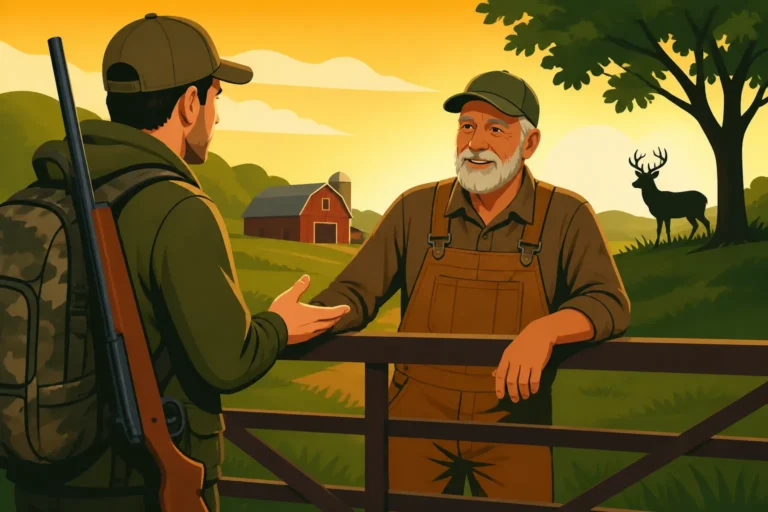
In a county like Carlisle, where public land is often interspersed with private agricultural property, respecting private land boundaries is paramount. While mapping tools like onX Hunt are incredibly helpful for identifying these lines, always err on the side of caution. If there's any doubt, stay clear. Trespassing can not only result in legal penalties but also damage the reputation of all hunters and make landowners less likely to grant permission in the future. Always obtain clear, explicit permission if you intend to hunt private land, and ideally, have it in writing, especially in areas where boundaries can be unclear.
Even when hunting public land, be mindful of your approach to and from your hunting spot, ensuring you don't inadvertently cross onto private property. A good way to foster positive relationships is to be visible, respect property, and leave no trace. If you do encounter a landowner while on public land, a friendly wave and polite conversation can go a long way.
Disclaimer
This article is for general informational purposes only and does not constitute professional advice. Laws, prices and regulations vary by location and change over time. Consult a qualified professional for guidance on your specific situation.