How Many Wild Hogs Kentucky Has
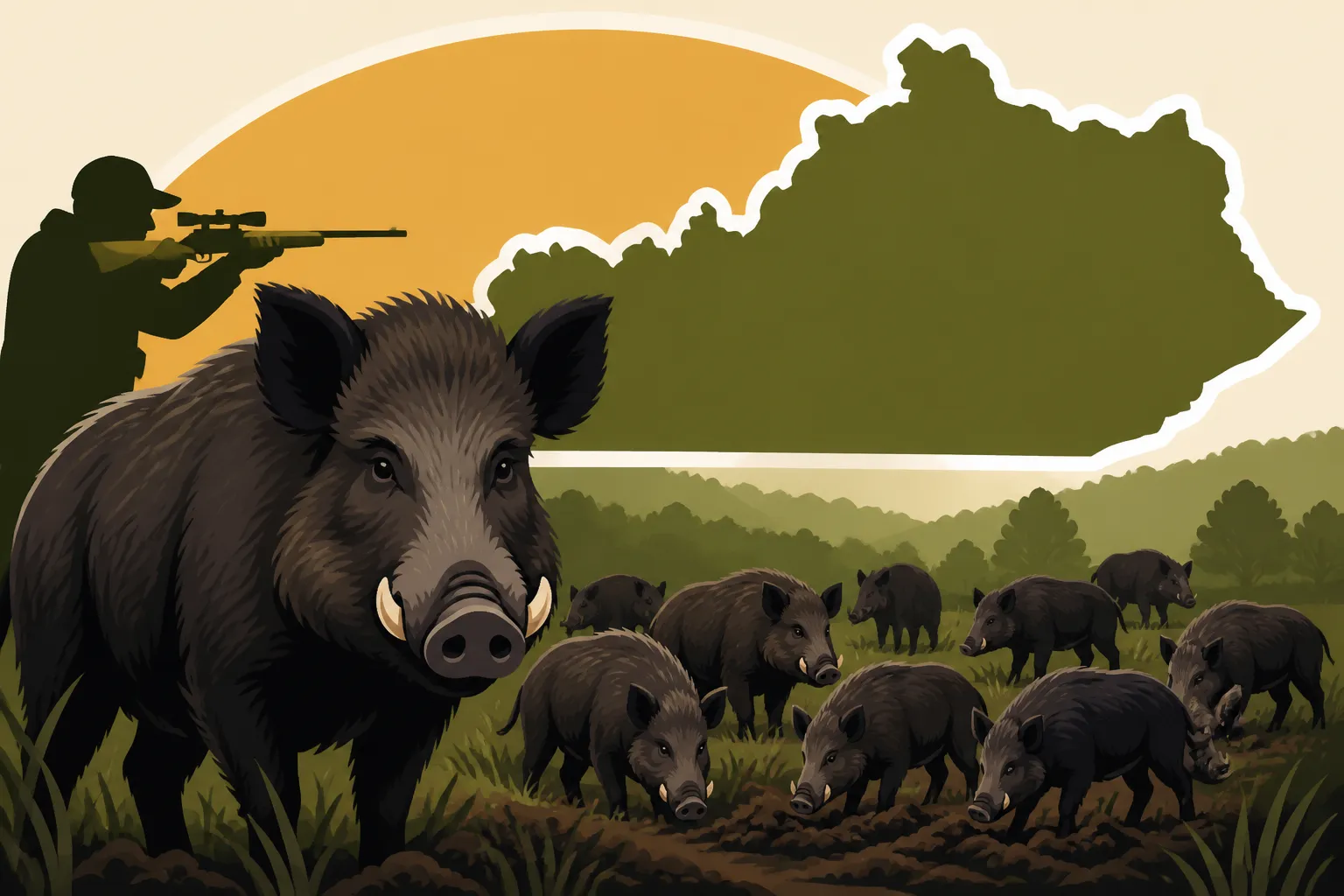
The sight of upturned soil, ravaged food plots, and trampled creek banks is a painful reality for many Kentucky landowners and hunters. Wild hogs, an invasive species, are not just a nuisance; they're an ecological wrecking ball, and understanding their presence, even if precise numbers are elusive, is critical to managing their destructive impact. This guide will delve into the challenges of quantifying Kentucky's wild hog population, where they tend to thrive, and the significant effects they have on our lands and native wildlife.
The Elusive Numbers Game: Why Counting Wild Hogs is So Tough
Unlike our beloved whitetails or even the majestic elk, getting a firm headcount on wild hogs in Kentucky is an exercise in frustration. It's not for lack of effort, but rather a perfect storm of their inherent biology and the logistical nightmare of surveying a secretive, transient creature. This isn't like counting deer via aerial surveys or harvest reports; hogs are a different beast entirely.
The Nature of the Beast: Feral Hog Biology and Behavior
Imagine trying to count shadows. That's often what it feels like with wild hogs. They are primarily nocturnal, incredibly wary, and possess a highly intelligent, almost cunning, ability to evade detection. They blend seamlessly into dense cover, whether it's thick briar patches in the bottomlands or the deep hollers of our eastern mountains. Their evasive nature means they're often there, doing damage, long before you ever lay eyes on them. They move in small, often tight-knit family groups called sounders, which can split and regroup rapidly, making tracking a single population a near-impossible task.
What makes them truly challenging from a population standpoint is their prolific reproductive rate. A sow can become sexually mature as young as six months old, and after a gestation period of just under four months, she can farrow a litter of four to twelve piglets. Not only that, but a sow can have two, sometimes even three, litters in a single year under favorable conditions. This means that even if a significant number are removed from an area, their numbers can rebound with astonishing speed, outpacing management efforts and making any "count" almost instantly obsolete. This biological reality means that any population figure is a moving target, constantly fluctuating and expanding.
Challenges in Data Collection for Kentucky's Wild Hog Population
When we talk about Kentucky's deer herd, we have robust harvest data, extensive biological sampling, and various survey methods that provide a reasonably accurate population estimate. For wild hogs? Not so much. Because they are considered an exotic, invasive species and not traditional game animals, the focus has historically been on eradication rather than sustainable harvest or population management. This means dedicated, large-scale population surveys, the kind we see for deer or turkeys, simply haven't been undertaken in the same way. The state's resources are better spent on control efforts.
Aerial surveys, which are effective in open landscapes, are often hampered by Kentucky's varied and dense terrain. The rolling hills, thick forest canopies, and vast river bottoms provide ample cover where hogs can hide from observation. Ground-based trapping and removal operations provide localized data, but this doesn't easily translate into a statewide population estimate. Instead, agencies often rely on reports from landowners, agricultural damage assessments, and observations from hunters. While valuable for identifying hotspots and trends, these anecdotal reports, combined with harvest numbers (which aren't consistently tracked for eradication efforts in the same way deer harvests are), don't provide the clear, quantifiable data that other game species enjoy. So, when people ask "how many wild hogs does Kentucky have?" the honest answer is usually, "far too many, and likely more than we know." You might find yourself Reading Kentucky Mud for Fresh Deer Movement, only to discover the tell-tale rooting of a sounder of hogs.
Tracing Their Spread: Where Wild Hogs Are Found in Kentucky
The presence of wild hogs in Kentucky isn't a new phenomenon, but their rapid expansion in recent decades is certainly cause for concern. Understanding their history in the state helps paint a clearer picture of why they've become such a pervasive issue.
Historical Presence and Modern Expansion
Feral hogs, or wild pigs as they're also known, aren't native to North America. Their ancestors arrived with early European settlers, often escaping or being intentionally released for hunting purposes. In Kentucky, early populations were generally isolated. However, in more recent times, we've seen a dramatic increase in their numbers and distribution. This modern expansion is largely attributed to two factors: intentional, illegal releases by individuals hoping to establish hunting opportunities, and accidental escapes from private enclosures. This has created a patchwork effect, with new populations cropping up far from established strongholds.
Once established, their natural movements further contribute to their spread. They are highly mobile animals, particularly males, and can travel considerable distances, especially along river systems and through large tracts of unbroken forest. River corridors, like those found in Western Kentucky, act as natural highways, allowing hogs to move between counties and states with relative ease. As agricultural practices have evolved, creating more abundant food sources, hogs have been drawn to these areas, further accelerating their dispersal into new regions. The combination of human influence and their natural adaptability has allowed them to colonize areas that were historically hog-free. Feral Swine Sightings in Central Kentucky are becoming more common, illustrating this expansion.
Current Hotspots and Emerging Areas of Concern
While wild hogs can turn up virtually anywhere in Kentucky, there are definitely areas where their presence is more concentrated and problematic. Historically, the western part of the state, particularly the river bottomlands along the Ohio and Mississippi Rivers, has seen significant populations. These areas, rich in agriculture and dense cover, provide ideal habitat. Think of counties known for extensive corn and soybean production; where there's easy food and thick places to hide, hogs are likely to thrive.
In recent years, however, there's been a noticeable increase in sightings and damage reports in parts of southeastern Kentucky, particularly within the Appalachian foothills and reclaimed coal lands. The rugged, forested terrain here, interspersed with small farms and clear-cuts, offers plenty of cover and diverse food sources. These areas are seeing more Which Kentucky Counties Have the Most Hogs being reported, indicating a strong foothold. The adaptability of these animals means that no region is truly safe, and even central Kentucky, once thought to be less impacted, is now experiencing growing numbers. Farmers are particularly vulnerable to Crop Damage Hogs Cause in Kentucky, which can decimate an entire season's yield overnight.
The Impact on Kentucky's Ecosystem and Hunters
The presence of wild hogs isn't just an inconvenience; it represents a significant threat to Kentucky's natural resources, agricultural economy, and even the health of our native wildlife populations. For hunters, they present a unique set of challenges and opportunities.
Ecological Damage: From Habitat Destruction to Disease Vectors
The destructive power of wild hogs is staggering. Their most visible impact is rooting – using their powerful snouts to tear up soil in search of roots, tubers, insects, and fungi. This rooting can devastate agricultural fields, turning acres of crops into a moonscape overnight. Beyond farmland, they destroy forest understories, damage sensitive wetlands, and degrade native plant communities. They compete directly with native wildlife, like deer, turkeys, and squirrels, for critical food sources such as acorns and other mast. This competition can put immense pressure on populations already facing other challenges.
Beyond habitat destruction and competition, wild hogs are notorious carriers of diseases and parasites. They can transmit diseases such as brucellosis, leptospirosis, and pseudo-rabies to livestock, domestic animals, and even humans. While Kentucky has robust wildlife disease monitoring programs, the presence of these animals adds a complex layer to managing disease spread. Imagine the potential for cross-species transmission, particularly if hogs come into contact with Kentucky's Chronic Wasting Disease Surveillance Zone deer, even if CWD isn't known to affect hogs, it highlights the general threat of disease vectors. This makes them a genuine threat to both our wildlife and our agricultural economy.
Hunter Perspectives and Management Strategies
For hunters in Kentucky, wild hogs evoke mixed feelings. Some view them as nothing more than a destructive nuisance, advocating for their complete removal. Others see them as an exciting hunting opportunity, a chance to pursue an additional species, often with fewer regulations than traditional game. The Kentucky Department of Fish and Wildlife Resources (KDFWR) generally classifies wild hogs as an exotic, invasive species. This means that Why Kentucky Treats Hogs as Unprotected is clear: they are not considered game animals and can often be harvested year-round without bag limits or specific seasons on private land, often without requiring a traditional deer or turkey permit, though hunters should always check local regulations. On public land, rules can be more restrictive, sometimes requiring a hunting license and adhering to general regulations, so always check with the specific WMA or national forest management plan.
Trapping is widely considered the most effective large-scale method for controlling wild hog populations, often involving large corral traps that can capture entire sounders. Hunting, while popular, is often less effective for population control because hogs are so wary and learn to avoid pressure quickly. However, hunting certainly contributes to localized suppression and provides sport. Many deer hunters find themselves Hunting Wild Hogs Alongside Deer Season, taking advantage of encounters. Tools like the GoHunt app, while primarily focused on traditional game species, can be adapted by savvy hunters to mark hog sightings, trail cam locations showing hog activity, or areas of significant rooting damage, helping them understand local hog movements and concentration.
Looking Ahead: Kentucky's Approach to Wild Hog Management
The battle against wild hogs in Kentucky is an ongoing one, with no easy solutions in sight. Given their biological advantages and the challenges of eradication, the focus is firmly on management and control, rather than hoping for their complete disappearance.
Collaborative Efforts and Public Awareness
Effective wild hog management in Kentucky requires a multi-pronged, collaborative approach. The KDFWR, in conjunction with other state agencies like the Department of Agriculture and local conservation districts, plays a crucial role. These agencies work to educate landowners on best management practices, provide resources for trapping efforts, and monitor the spread of populations and associated diseases. Their efforts are often concentrated in areas with high hog activity or where agricultural damage is most severe.
However, government agencies can't do it alone. Public awareness and landowner involvement are absolutely critical. Hunters, farmers, and even hikers who spend time in the woods are vital eyes and ears on the ground. Reporting hog sightings and damage to local extension offices or KDFWR helps build a more accurate picture of their distribution and allows resources to be directed effectively. Understanding Kentucky Hunter Education Requirements also extends to understanding the responsibilities that come with managing invasive species on the landscape. Landowners, in particular, are encouraged to actively participate in removal efforts, as passive approaches often lead to escalating problems.
The Future Outlook for Kentucky's Wild Hog Population
Realistically, the complete eradication of wild hogs from Kentucky is an incredibly challenging, if not impossible, goal given their widespread distribution and rapid reproductive capabilities. The future outlook, therefore, leans heavily on sustained, aggressive management efforts to minimize their ecological and economic damage. This means continued vigilance, ongoing research into control methods, and adapting strategies as hog populations shift and learn. We're not just trying to reduce numbers; we're trying to reduce their impact on native species like our deer and turkey, and protect the livelihoods of our farmers.
One might use a tool like GoHunt not just for planning deer hunts on public land like Public Hunting Land in Kentucky, but also for marking hog activity. While GoHunt doesn't specifically track hog populations for the state, individual users can leverage its mapping features to document their own observations, creating a personal intelligence map of hog activity in their hunting areas. This data, even if just for personal use, can be invaluable for targeting areas where control efforts might be most effective. The long-term goal for Kentucky remains clear: to control wild hog populations to a level where their destructive impact is significantly reduced, safeguarding our natural heritage for future generations. Kentucky Wildlife Disease Monitoring will also remain crucial to prevent the spread of illnesses carried by these invasive animals.
| Characteristic | Wild Hogs (Feral Swine) | Typical Kentucky Game Animals (Deer, Turkey) |
|---|---|---|
| Reproduction Rate | Very High (multiple litters/year, large litters) | Moderate (usually 1 litter/year, fewer offspring per litter) |
| Behavior | Highly intelligent, nocturnal, evasive, adaptable | Generally predictable patterns, often diurnal or crepuscular, less evasive |
| Population Growth | Rapid, exponential, quick recovery from control | Slower, more stable growth, slower recovery if over-harvested |
| Diet | Omnivorous, opportunistic, highly destructive rooting | Herbivorous (deer), omnivorous (turkey), less widespread habitat alteration |
| Damage to Habitat | Severe (rooting, trampling, competition for food) | Minor (browsing, localized impacts) |
| Disease Vector Role | Significant (carriers of numerous diseases) | Less prominent as general disease vectors for livestock/humans |
| Management Goal | Eradication/Control due to invasive status | Sustainable population management for recreational harvest |
Disclaimer
This article is for general informational purposes only and does not constitute professional advice. Laws, prices and regulations vary by location and change over time. Consult a qualified professional for guidance on your specific situation.