Kentucky Second Shotgun Turkey Season Dates
There’s nothing quite like the crisp air of a Kentucky fall morning, but the challenge of putting a wild turkey on the ground can shift dramatically once the main archery and firearm seasons for deer really get going. Many hunters feel a bit lost after the first blush of fall turkey, wondering if there's even a real opportunity left. This guide is here to untangle the specifics of Kentucky's often-overlooked second shotgun turkey season, ensuring you're ready to hit the woods when those late-season birds are still on the menu.
Understanding Kentucky's Second Shotgun Turkey Season Dates
Navigating Kentucky’s fall turkey seasons can feel a bit like reading a complex recipe – there are multiple layers and specific timing involved. Unlike the simplicity of spring gobbler season, fall offers various methods, and knowing when you can use a shotgun for turkeys is paramount to staying legal and making the most of your hunting days. The second shotgun season is a distinct window, separate from the earlier fall opportunities, and it offers a unique challenge and reward for those who pay attention.
Specific Season Dates and Their Importance
Kentucky typically offers two separate shotgun seasons for fall turkey. The first one generally kicks off in late October, often overlapping with the initial weeks of the modern gun deer season in some areas. But for those of us who might miss that first window, or who just love the chill of late fall hunting, the second shotgun season usually falls in early to mid-December. For example, in recent years, you might have seen dates like December 2nd through December 10th. This isn't just a random extension; it's a strategic period set by the Kentucky Department of Fish and Wildlife Resources (KDFWR) to provide additional hunting opportunities while managing the turkey population.
These dates are critical because they dictate when you can legally pursue turkeys with a shotgun, which many hunters prefer over archery equipment for fall birds, especially when dealing with often larger, more scattered flocks. Missing these exact dates means missing the chance entirely. It’s always a smart move to consult the most current KDFWR hunting guide or check their website, as dates can shift slightly year to year. I've been caught off guard before, planning a trip only to realize the dates had subtly changed from the previous season, so I always double-check. Using a reliable platform like GoHunt can be incredibly helpful for quickly verifying these dates and keeping all your season information straight.
Overlap with Other Hunting Seasons
One of the fascinating, and sometimes frustrating, aspects of Kentucky hunting is the overlap of various seasons. The second shotgun turkey season, usually in December, almost always runs concurrently with the tail end of Kentucky's statewide modern gun season for deer and certainly with the much longer archery and crossbow seasons. This overlap means the woods can be a bit busier, and you might encounter deer hunters while you're focused on turkeys. It also means you need to be extra vigilant about safety, wearing sufficient blaze orange or pink when legally required, especially if you're hunting on public lands where deer hunters are active.
Understanding this overlap also influences your hunting strategy. Turkeys, being intelligent birds, become incredibly wary once deer gun season is in full swing. They’ve heard the shots, seen the increased human activity, and they tend to pattern differently. This is a far cry from the relatively quiet woods of the early archery season. It means your stealth and calling techniques for a December turkey need to be even more refined. If you're out there during this time, you might also be looking for other game, perhaps even doing some Hunting the Late-Season January Lull scouting, so it pays to be prepared for multi-species encounters.
Key Regulations for the Second Shotgun Turkey Season
Beyond knowing the dates, understanding the specific rules and regulations that govern Kentucky's second shotgun turkey season is non-negotiable. These aren't just arbitrary rules; they're designed to maintain healthy turkey populations and ensure fair chase. Missteps can lead to fines, loss of hunting privileges, and a generally miserable experience, so it’s worth taking the time to truly grasp what’s expected of you.
Bag Limits and Reporting Requirements
The fall turkey bag limit in Kentucky is generally two turkeys, but there are crucial caveats. For instance, only one turkey can be an adult gobbler or a bearded hen. This means if you shoot two turkeys, one must be a hen or a jake if the first was an adult gobbler or bearded hen. This specific rule aims to protect the breeding population of mature gobblers, which are essential for future turkey recruitment. It’s important to clarify that this fall bag limit is entirely separate from the spring season bag limit. You can't carry over tags or combine them.
Once you’ve successfully harvested a turkey during this second shotgun season, the clock starts ticking for reporting it. Kentucky utilizes a telecheck system, which means you must report your harvest via phone or online through the KDFWR website by midnight on the day you take the bird. This isn't just a suggestion; it’s a legal requirement. Failure to telecheck your turkey can result in penalties, and nobody wants that. I’ve seen hunters get so excited they forget, only to have to deal with the headache later. Make it part of your routine: bird down, tag it, then telecheck it as soon as you have service or get home. Platforms like GoHunt often have easy access to these reporting portals directly from their mapping applications, making the process seamless even when you're still in the field. This also helps KDFWR gather vital data on Kentucky Turkey Harvest Numbers which informs future season setting.
Legal Weapons and Ammunition
When it comes to the second shotgun turkey season, the name says it all: shotguns are your primary weapon. However, there are still specific regulations on what kind of shotgun and ammunition is permissible. Generally, shotguns 10-gauge or smaller are legal, and you can use shot sizes no larger than No. 4. Lead shot is typically allowed for turkeys in Kentucky, unlike waterfowl hunting where non-toxic shot is mandatory. However, always double-check the current regulations, especially if you hunt on specific WMAs or federal lands like Land Between the Lakes, as they might have different requirements.
While shotguns are permitted, you still need to be aware of other legal methods for fall turkey hunting. For instance, Kentucky's general fall turkey season also allows archery and crossbow equipment during specific dates, which overlap significantly with both shotgun seasons. So, if you're hunting with a bow outside the shotgun season dates, that's perfectly fine, but don't bring a shotgun if it's an archery-only period. Understanding these distinctions is part of being a responsible hunter. You should also be aware of the Kentucky Legal Firearms for Deer Hunting rules, especially when hunting during overlapping seasons, to avoid any confusion.
Blaze Orange Requirements
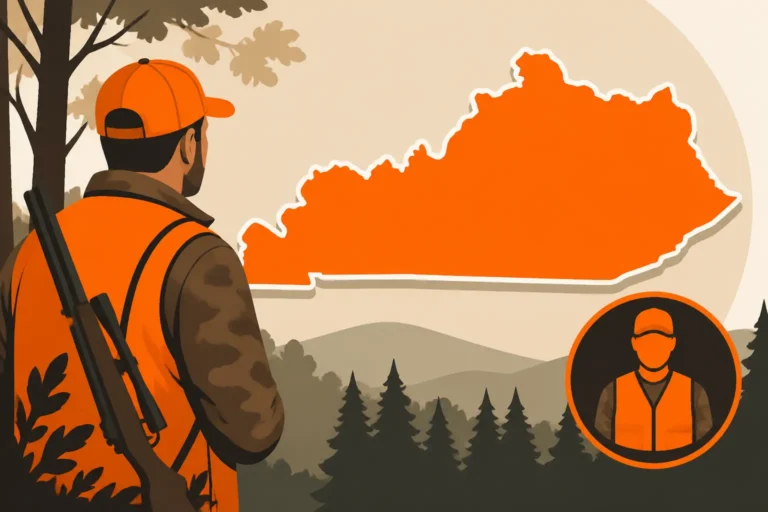
Here’s where it can get a little tricky, and it’s a detail that often trips up even experienced hunters. Kentucky’s blaze orange requirements during firearm deer seasons are strict: anyone hunting deer or accompanying a deer hunter must wear solid orange or fluorescent pink headwear and an outer garment above the waist visible from all sides. Since the second shotgun turkey season almost always overlaps with the modern gun deer season, this means if you are hunting turkeys during a firearm deer season, you must wear blaze orange or pink.
This rule applies even if you are only hunting turkeys and have no intention of pursuing deer. The rationale is simple: for safety, you need to be visible to any deer hunter in the woods. This is a critical safety measure that absolutely cannot be overlooked. If you're out there chasing gobblers in December, make sure you're wearing that bright orange vest and hat. There are some exceptions, such as hunting from a ground blind that completely conceals you, but even then, wearing some orange while entering and exiting is a smart move. Always err on the side of caution when it comes to visible safety gear. This is also covered under Kentucky Blaze Orange Requirements.
Tactics for December Turkeys
Hunting turkeys in December is a completely different ballgame than the spring. The birds are in a completely different phase of their annual cycle, their behaviors are altered, and the natural world around them presents unique challenges. Forget the aggressive, gobbling birds of April; December turkeys are often quieter, more wary, and more focused on survival. Success in this season hinges on adapting your approach.
Locating Late-Season Food Sources
By December, many of the prime fall food sources have been depleted or are covered by snow and ice. Hard mast, like acorns, might still be present, but often in less abundant quantities, especially after a poor acorn year. Instead, turkeys turn to other reliable food sources. Agricultural fields are huge attractors at this time of year. Think cut cornfields, soybean fields, or even winter wheat plantings. These offer not only sustenance but also open ground where turkeys can easily spot predators.
Beyond agriculture, keep an eye out for green browse in timbered areas, like winter rye or clover plots, if you're on private land. On public land, don’t overlook any remaining patches of wild grapes, sumac, or even greenbriar berries. Turkeys are opportunistic and will exploit whatever calories are available. Scouting before the season is incredibly valuable here. Identifying these late-season buffet lines will give you a significant advantage. Drive country roads, glass fields from a distance, or use mapping applications like GoHunt to pinpoint likely food sources and nearby roosting cover. Understanding Late-Season Food Sources for Kentucky Whitetails can also give you clues, as deer and turkeys often share similar preferences this time of year.
Breaking Up Flocks and Calling Strategies
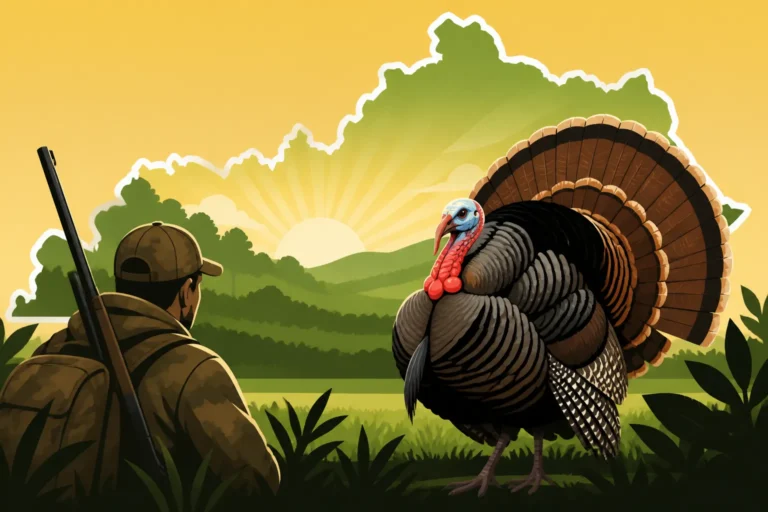
Unlike spring, where single gobblers are your target, December turkeys are usually congregated in larger winter flocks, often segregated by sex. You might find large groups of hens and jakes, or sometimes a smaller, tighter group of mature gobblers. The most effective tactic for these large flocks is often the "flock bust." This involves locating a large flock, rushing in to scatter them as widely as possible, and then setting up quickly to call them back together. The key is to make a lot of noise and push them hard, forcing them to disperse in many directions.
Once they've scattered, set up where you believe they will try to reassemble, often the original bust location or a nearby ridge line. Then, begin with soft, reassuring hen yelps and clucks. The goal isn't to shock a gobbler into strutting, but to sound like a lonely bird trying to regroup. Patience is crucial here. Turkeys often take longer to come back in during the fall, sometimes an hour or more. You might also try some aggressive hen calling, mimicking a dominant hen trying to gather her flock. Locator calls like owl hoots or crow calls can sometimes get a shock gobble, but don't expect the same enthusiastic response as in spring. Knowing how to properly execute Breaking Up a Fall Turkey Flock is a skill that can truly pay off.
Using a Ground Blind for Late-Season Success
Given the wariness of December turkeys and the often sparse cover, using a ground blind can be an absolute game-changer. Turkeys at this time of year are incredibly good at spotting movement, and sitting still for extended periods in open timber can be nearly impossible, especially when you’re cold. A good quality pop-up ground blind, well-brushed in and set up along a field edge or a known travel corridor between food and roosts, provides excellent concealment.
The blind also offers a degree of protection from the elements, which can make those long, cold December waits far more tolerable. You can shift, stretch, and even quietly warm your hands without spooking approaching birds. Just remember to set your blind up well in advance of your hunt, if possible, allowing the turkeys to get accustomed to its presence. This can mean a week or two for particularly wary birds. If you're hunting on public land, check the specific WMA rules, as some have restrictions on permanent blinds, but pop-ups are generally permitted. For more on this, you can look into Using a Ground Blind on Kentucky Public Land tactics.
Post-Harvest Considerations and Best Practices
Harvesting a turkey, especially a tough late-season bird, is a fantastic accomplishment. But the hunt doesn’t end when the shot rings out. There are crucial steps to take afterward to ensure you’re handling your game responsibly and respectfully, which includes proper care of the meat and adhering to all KDFWR regulations.
Field Dressing and Meat Care in Cold Weather
December weather in Kentucky can be unpredictable, ranging from mild and rainy to bitterly cold with snow. This variability affects how quickly you need to field dress your bird. In colder temperatures, you generally have a bit more time than in the warmer early fall or spring, but prompt field dressing is still essential for quality meat. Remove the entrails as soon as possible to allow the carcass to cool down. If you're far from your vehicle, a game bag can protect the bird from dirt and insects, even in the cold.
Once back at camp or home, skinning and butchering the bird should follow quickly. Unlike deer, which sometimes benefit from hanging for a day or two, turkey meat is best processed relatively quickly. Separate the breasts, thighs, and legs, and consider deboning to maximize meat yield. If you're planning to process it later, ensure the bird is kept on ice or refrigerated. Remember, the effort you put into meat care directly impacts how delicious your wild turkey will be. This attention to detail is part of the tradition of Kentucky Deer Camp Traditions that many hunters share.
Utilizing KDFWR Resources for Continued Learning
The Kentucky Department of Fish and Wildlife Resources is an invaluable resource for every hunter in the state. Their website, annual hunting guides, and the Kentucky Hunt Fish app are packed with up-to-date information on seasons, regulations, WMA maps, and even biological data. I can’t stress enough how important it is to make these resources your first stop for any questions, especially regarding specific season dates and county-by-county regulations.
Beyond regulations, the KDFWR often publishes articles, videos, and research findings that can deepen your understanding of turkey behavior, habitat management, and effective hunting strategies. Staying informed isn't just about avoiding tickets; it's about becoming a more knowledgeable and successful hunter. Whether you're researching Kentucky Fall Turkey Season Structure or trying to understand Kentucky Turkey Population Trends, their resources are gold. Sometimes, a quick check on their app, or even with a tool like GoHunt, can confirm a detail that saves your hunt.
Table of Fall Turkey Season Considerations
Here’s a quick overview to help you keep things straight for fall turkey hunting, especially as you consider the second shotgun season:
| Consideration | First Shotgun Season (Late Oct/Early Nov) | Second Shotgun Season (Early/Mid Dec) | General Archery/Crossbow Season (Sept-Jan) |
|---|---|---|---|
| Typical Dates | Late October – Early November | Early December – Mid December | Early September – Mid January |
| Primary Weapon | Shotgun | Shotgun | Vertical Bow, Crossbow |
| Bag Limit | 2 turkeys (1 adult gobbler/bearded hen max) | 2 turkeys (1 adult gobbler/bearded hen max) | 2 turkeys (1 adult gobbler/bearded hen max) |
| Blaze Orange Required | YES (overlaps Modern Gun Deer) | YES (overlaps Modern Gun Deer) | NO (unless accompanying firearm hunter) |
| Turkey Behavior | Flocking up, wary | Large winter flocks, very wary | Transitioning from family groups to flocks |
| Food Sources | Acorns, soft mast, some agriculture | Agriculture, persistent mast, green browse | Acorns, various mast, early agriculture |
| Calling Strategy | Moderate flock calls, some aggressive hen | Soft hen calls, aggressive hen after bust | Locator calls, soft hen calls |
| Hunting Pressure | High (overlaps Modern Gun Deer) | Moderate to High (overlaps Late Deer) | Moderate |
Disclaimer
The information provided in this guide is for general informational purposes only and is subject to change. Hunting regulations, season dates, and bag limits are set by the Kentucky Department of Fish and Wildlife Resources (KDFWR) and can be modified annually. It is the responsibility of every hunter to consult the most current official KDFWR hunting guide and regulations before engaging in any hunting activity. Failure to do so could result in legal penalties.