Kentucky Bear Zone Two County List
Hunting Kentucky's black bears can feel like navigating a complex maze, especially when you're trying to figure out which county belongs to what bear zone. It’s a common frustration, trying to keep up with the specific regulations tied to each area. This comprehensive guide is here to untangle the intricacies of Kentucky Bear Zone Two, providing a clear list of its counties and all the essential information you’ll need to plan a successful hunt.
Understanding Kentucky's Bear Management Zones
Kentucky's black bear population has seen an incredible resurgence, especially in the eastern part of the state, after being nearly extirpated decades ago. This success story, while wonderful for wildlife, also brings the need for careful management. The Kentucky Department of Fish and Wildlife Resources (KDFWR) established a bear zone system to help manage the growing population, allowing for localized hunting opportunities while ensuring sustainable growth. It's not just about drawing lines on a map; it's about addressing varied population densities and habitat conditions across different regions.
Why Kentucky Uses a Zoned System
The zoned system isn't just bureaucratic red tape; it's a strategic approach to managing a recovering, yet still sensitive, wildlife population. Bear populations aren't uniformly distributed across the state. They tend to be concentrated in certain areas with optimal habitat – think dense forests, remote mountains, and plentiful mast crops. By dividing the state into different zones, KDFWR can tailor regulations, season dates, and harvest quotas to match the specific needs and challenges of each region. For instance, areas with higher bear densities might have longer seasons or more flexible harvest rules, while nascent populations in other zones might have very limited or no hunting opportunities at all. This granular approach helps prevent overharvest in one area while allowing for management in another. It's a pragmatic response to a dynamic wildlife success story.
Overview of Kentucky's Bear Zones
Currently, Kentucky has three distinct bear zones, each with its own set of rules and counties.
- Zone One generally encompasses the core bear range, where populations are densest and well-established. These areas often have the earliest and longest seasons, and sometimes specific quotas for male and female bears. It's where the heart of Kentucky's black bear population thrives.
- Zone Two, our focus today, acts as a buffer or expansion zone. While still having a robust bear presence, it might be areas where the population is expanding, or densities are slightly lower than Zone One, but still significant enough to warrant hunting opportunities. The rules here might be a bit more restrictive than Zone One, reflecting these nuances.
- Zone Three represents areas where bears are less common, often sightings rather than established populations, or areas where bears are just beginning to move in. Hunting opportunities here are generally very limited or nonexistent, often focused on preventing conflicts or managing nuisance bears.
Understanding this tiered system helps put Zone Two into perspective. It's a crucial part of the overall management strategy, allowing KDFWR to maintain healthy bear numbers while providing quality hunting experiences. If you want to dive deeper into the overarching regulations, you can read up on Kentucky's Bear Zone System.
Delving Into Kentucky Bear Zone Two Counties
Now, let's get down to brass tacks: which counties actually make up Kentucky Bear Zone Two? This is often where the confusion sets in, so knowing the specific boundaries is paramount for any hunter planning to pursue bears in the Commonwealth. These counties represent a significant portion of Kentucky's rugged, wild Appalachian landscape.
The Official List of Zone Two Counties
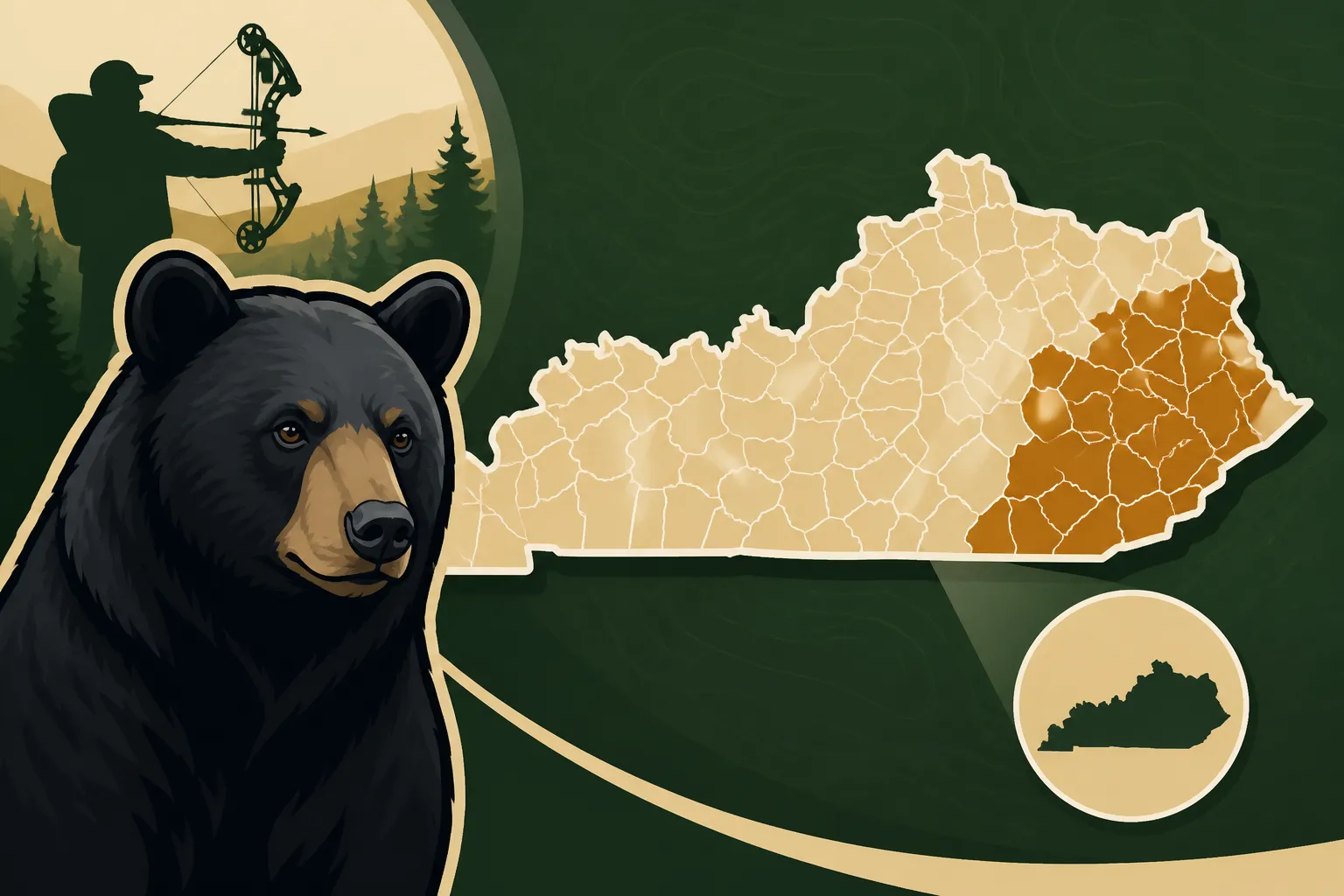
As of the latest regulations from the Kentucky Department of Fish and Wildlife Resources, Bear Zone Two includes five counties, all nestled within the rugged beauty of Eastern Kentucky:
- Floyd County
- Harlan County
- Knott County
- Letcher County
- Pike County
These counties form a contiguous block, deeply intertwined with the mountainous terrain and dense forests that define the region. They are characterized by steep ridges, deep hollows, and abundant natural mast crops like acorns and berries, which are vital food sources for black bears.
Characteristics and Hunting Opportunities in Each County
While all these counties share the common thread of Eastern Kentucky's rugged landscape, each offers its own unique flavor for bear hunters.
- Floyd County: Situated among the steep hills and coalfield country, Floyd County offers significant tracts of forested land, much of it private but with some public access. Bears here often follow the mast crops and can be found in the deeper hollows and along the numerous ridge lines. Public land access, while not as vast as some other counties, can be found in certain areas managed by the state.
- Harlan County: Famous for Black Mountain, Kentucky's highest peak, Harlan County is prime bear habitat. The dense forests, abundant water sources, and remote areas make it a stronghold for bears. Opportunities to hunt bears over natural mast in the mountains are excellent here. You'll find a mix of public and private lands, with areas like Pine Mountain State Resort Park and parts of the Daniel Boone National Forest on its borders offering potential.
- Knott County: This county is another jewel in the crown of Eastern Kentucky's bear country, known for its deep valleys and heavily wooded terrain. Bear activity here is often linked to the acorn and berry cycles, making scouting for fresh sign critical. Public land access might be more limited compared to its neighbors, often requiring diligent research or good relationships with landowners.
- Letcher County: Bordering Virginia and intertwined with the Cumberland Mountains, Letcher County presents incredibly challenging but rewarding bear hunting. The terrain is exceptionally steep and rugged, demanding physical fitness and meticulous scouting. Portions of the Jefferson National Forest (though primarily in Virginia) and various state-managed lands can offer access. Bears are often found utilizing the thick cover and remote sections of these formidable mountains.
- Pike County: As Kentucky's largest county by area, Pike County offers extensive forested landscapes, providing ample room for bears to roam. It's characterized by its numerous ridgelines and creek bottoms, with bears often utilizing these corridors for movement. While much of it is privately owned, the sheer size means there are still significant opportunities. Learning to read aerial photos for Eastern Kentucky deer and bear sign is particularly useful here, as bears often follow similar travel patterns to deer.
When planning your hunt in any of these counties, it's essential to consult the KDFWR hunting guide for the most current information, as boundaries and regulations can occasionally be updated. Tools like GoHunt can be invaluable for pinpointing property lines, identifying potential public land access points, and scouting the challenging topography of these eastern counties from your computer before you even set foot in the woods.
Hunting Strategies and Regulations for Zone Two
Successfully hunting black bears in Kentucky Bear Zone Two requires more than just knowing which counties are included; it demands a solid understanding of the specific regulations and tailored strategies for this unique landscape. The KDFWR has put considerable thought into these rules to ensure the health of the bear population while providing fair chase opportunities.
Key Regulations for Bear Zone Two
While general bear hunting regulations apply statewide, Zone Two often has specific nuances that differentiate it from Zones One and Three. Always double-check the current KDFWR hunting guide, as season dates and quotas are subject to change annually.
- Season Dates: Bear Zone Two generally opens later than Zone One and typically has a shorter season duration. This is usually to manage harvest pressure and reflect slightly different population dynamics. For example, while Zone One might have an early October archery opener, Zone Two's archery season might start later in the month. Similarly, the firearms season window will be specific to Zone Two. Always verify the exact Kentucky Bear Archery Season Dates and Kentucky Bear Firearms Season Dates for the current year.
- Harvest Quotas: Historically, Kentucky's bear seasons often operated with county-specific or zone-specific quotas for both male (boar) and female (sow) bears. Once a quota was met, that portion of the season would close in that zone. However, KDFWR has moved away from hard quotas in recent years, especially with the population growing. Instead, they often have a general season length, but the ultimate decision on how long a season runs can still be based on harvest data monitored in real-time. It’s critical to stay informed through the KDFWR website or their Telecheck system for any in-season closures.
- Legal Means of Take: Kentucky allows specific methods for bear hunting, which typically include archery equipment (vertical bows and crossbows) and firearms. Ensure your weapon meets the legal requirements for caliber, arrow weight, and broadhead type. You can learn more about general hunting equipment in Kentucky by exploring resources like Hunting Bear With Archery Gear in Kentucky.
- Checking Requirements: All harvested bears in Kentucky must be reported to KDFWR via the Telecheck system. Additionally, successful hunters are usually required to physically present the bear (or specific parts like the skull and hide) to a KDFWR biologist or designated check station within a certain timeframe. This mandatory check allows biologists to collect valuable data on the bear's age, sex, and health, which is vital for ongoing management. This process is crucial for Kentucky Bear Checking Requirements.
Hunting Strategies Tailored for Zone Two Terrain
The rugged, mountainous terrain of Zone Two demands a well-thought-out hunting strategy. This isn't flatland hunting, and the bears here are truly wild, living off the land.
- Focus on Food Sources: Bears are driven by food, especially during the fall when hunting seasons often occur. They will concentrate on areas with abundant mast, primarily acorns from oak trees, but also beech nuts, pawpaws, and wild berries. Scouting for these natural food sources is paramount. Learn how to identify and hunt around Hunting Bears Over Natural Mast in the Mountains.
- Ridge and Hollow Hunting: The landscape of Zone Two is defined by its endless ridges and deep hollows. Bears often travel along ridgelines, use saddles as crossings, and descend into hollows for water and bedding. Understanding wind and thermals on a Kentucky ridge is crucial, as air currents behave predictably in these environments, impacting how your scent travels. Still-hunting Eastern Kentucky ridges can be highly effective, moving slowly and deliberately through promising areas.
- Stand Placement: Whether you're using a treestand or a ground blind, placement is key. Look for areas with fresh bear sign (tracks, scat, claw marks on trees), especially near prominent food sources or travel corridors. Consider hanging a stand on an Eastern Kentucky ridge overlooking a natural funnel or a heavily used game trail. Using a ground blind on Kentucky public land can also be effective, especially if you can brush it in naturally.
- Patience and Persistence: Bear hunting, particularly in challenging terrain, often requires immense patience. Bears have large home ranges, and they might not pass through a specific area every day. Being able to sit for extended periods, especially during cold-weather sitting strategy in Kentucky, can make all the difference.
Scouting and Preparing for a Zone Two Bear Hunt
Getting ready for a bear hunt in Kentucky’s Zone Two is an undertaking that requires meticulous planning and physical readiness. This isn't a hunt you can just wing; the terrain, the bears, and the sheer scale of the landscape demand respect and preparation. Think of it as preparing for a serious backcountry adventure, because in many ways, it is.
Essential Scouting Techniques for Remote Areas
Successful bear hunting in these rugged counties often boils down to effective scouting, much of which should happen before the season even opens.
- Remote Scouting with Technology: Before you even set foot in the woods, leverage technology. Mapping apps like GoHunt are absolute game-changers for these areas. They allow you to study topo maps, identify potential travel corridors, locate prominent ridgelines, and mark areas with potential mast trees. You can even overlay public land boundaries to ensure you're in the right spot. Use these tools to identify remote areas that might see less pressure, often requiring a good long walk from the nearest access road.
- Boots-on-the-Ground Reconnaissance: Nothing beats actually being in the woods. Look for fresh bear sign: tracks in mud or soft earth, scat (droppings), claw marks on trees (especially on beech trees where they climb for nuts), and overturned rocks or logs where they've foraged for insects. Focus on areas with mature oak forests and other mast-producing trees. Early fall scouting helps you identify which food sources are hot and which aren't. Learn how to read Kentucky mud for fresh deer movement, and apply similar principles for bear.
- Trail Cameras: While rules regarding trail cameras on Kentucky public land can vary by specific WMA or National Forest district, if permitted, they can be invaluable. Place them on well-used trails, near known mast trees, or around natural funnels. They can help confirm bear presence, identify travel patterns, and even give you an idea of the size and sex of the bears in the area. Remember to place them discreetly and check them responsibly.
Gear Considerations for Challenging Terrain
The rugged nature of Zone Two means your gear choices are critical for comfort, safety, and success.
- Optics: Good quality binoculars are a must, especially if you're glassing a powerline cut at last light or trying to pick apart a distant hillside for moving bears. An 8×42 or 10×42 binocular is generally ideal for this type of timber hunting. A reliable rangefinder is also crucial for confirming shot distances in varied terrain.
- Weapon and Ammunition: If you're using a rifle, choose a caliber suitable for bear, like a .308 or .270. Ensure your rifle is zeroed correctly for the expected ranges, which can vary from close timber shots to longer distances across hollows. For archery, a minimum draw weight for Kentucky deer applies to bear as well, and fixed blade broadheads are often preferred for their penetration on larger game. Consider a sturdy bow case for travel to Kentucky to protect your equipment.
- Clothing and Footwear: Layering is key for Kentucky's variable fall weather. Choose moisture-wicking base layers, insulating mid-layers, and a waterproof/windproof outer shell. Insulated boots for all-day sits are essential, as are durable brush pants for navigating thick undergrowth. Don't forget your blaze orange or pink requirements during gun season, choosing a blaze orange jacket versus vests for maximum visibility and warmth.
- Safety and Navigation: Always carry a first aid kit for remote Daniel Boone Forest ground, as help can be a long way off. A reliable GPS unit or a fully charged phone with a mapping app (like GoHunt, again) is non-negotiable for navigation in these vast, often unmarked woods. A headlamp for walking out after dark is also critical. Consider carrying bear spray, particularly if you're hunting solo or in areas with very high bear densities, though encounters are rare.
Physical Fitness and Recovery
Hunting in Zone Two is physically demanding. Be prepared for steep climbs, long walks, and potentially dragging a bear out of a deep hollow. Incorporate hiking, strength training, and cardio into your routine well before the season. Recovering a deer from a steep hollow is tough enough; a bear is exponentially harder. Understand that if you harvest a bear, the work is just beginning, and you'll need game bags for warm September days if it's early season, or a plan for getting the meat out efficiently.
By preparing thoroughly, understanding the specific rules for Floyd, Harlan, Knott, Letcher, and Pike counties, and equipping yourself with the right knowledge and gear, you’ll be well on your way to a memorable and successful Kentucky Bear Zone Two hunt.
Disclaimer
Always consult the official Kentucky Department of Fish and Wildlife Resources (KDFWR) regulations before planning any hunting trip, as rules, dates, and zone boundaries can change. This guide is for informational purposes only and does not supersede state regulations.