Kentucky Disabled Hunter Permit Options
It’s a tough pill to swallow when a physical challenge threatens to sideline you from the deer woods or the turkey field, especially after a lifetime of loving the chase. For many dedicated hunters in Kentucky, dealing with a permanent injury or a disability can feel like a direct threat to their passion and connection with nature. But the good news is, the Commonwealth of Kentucky, through the Kentucky Department of Fish and Wildlife Resources (KDFWR), has put in place specific permit options to ensure that disabled hunters can continue to pursue game safely and effectively. This comprehensive guide will walk you through these vital programs, their requirements, and how you can get back out there.
Understanding Kentucky's Commitment to Disabled Hunters
Hunting in Kentucky isn't just a pastime; for many, it's a way of life, a connection to heritage, and a source of sustenance. When a disability enters the picture, it can throw a wrench into well-established routines and create significant barriers. Kentucky recognizes this deep-seated tradition and the challenges that physical limitations can impose, working diligently to provide accommodations that keep people in the field.
Why These Permits Matter
Imagine being an avid bowhunter your entire life, suddenly finding yourself unable to navigate steep terrain or even walk long distances due to a severe injury or illness. The frustration can be immense. These specialized permits aren't just bureaucratic checkboxes; they are lifelines for individuals who, without them, might otherwise have to give up hunting altogether. They address very real, specific physical and logistical hurdles. For instance, a hunter confined to a wheelchair faces fundamentally different challenges than someone who can walk but has limited stamina or balance. These permits aim to bridge those gaps, providing legal pathways and specific allowances that make hunting possible again. They can grant access to areas otherwise restricted, permit the use of assistive devices or vehicles, and generally make the experience more inclusive and achievable. It's about preserving a cherished activity for those who cherish it most.
The Spirit Behind the Regulations
The Kentucky Department of Fish and Wildlife Resources (KDFWR) operates with a core philosophy: to conserve wildlife and provide sustainable opportunities for all Kentuckians to enjoy the outdoors. This commitment extends directly to hunters with disabilities. The regulations for these permits aren't designed to be punitive or overly restrictive; rather, they are crafted to ensure safety, uphold ethical hunting practices, and, most importantly, foster continued participation. They reflect an understanding that the joy of hunting should not be exclusively reserved for those without physical limitations. The KDFWR wants to ensure that everyone, regardless of physical ability, has the chance to experience the wild beauty of Kentucky and participate in its rich hunting traditions. This spirit is evident in the types of permits offered and the allowances they provide, making hunting a truly accessible pursuit.
Specific Disabled Hunter Permit Options and Eligibility
Kentucky offers a range of specific permits designed to cater to various disabilities, each with its own criteria and unique privileges. It's crucial to understand which permit best fits your situation to ensure you're hunting legally and maximizing your opportunities.
Wheelchair Confined Hunter Permits
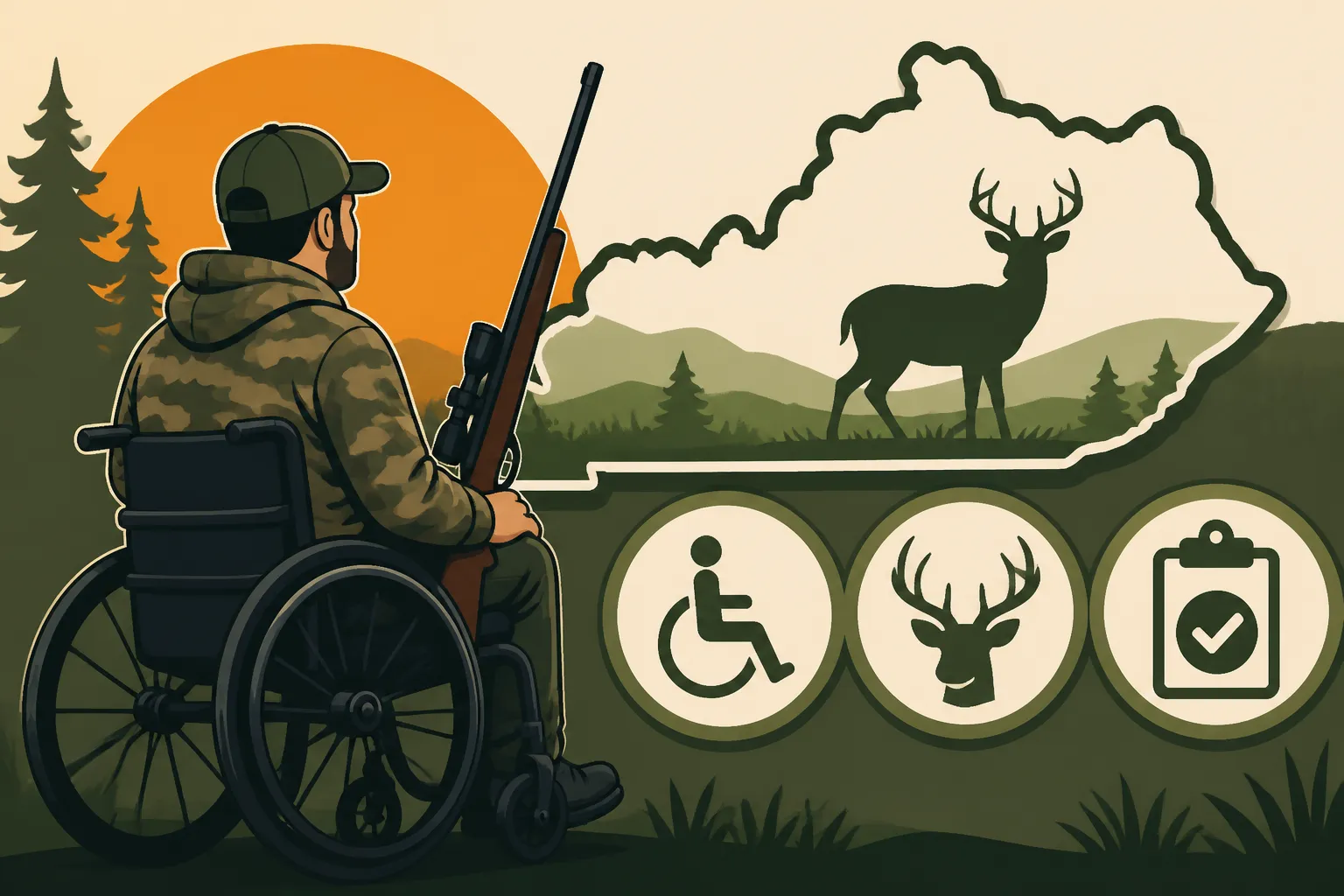
This permit is specifically designed for individuals who are permanently confined to a wheelchair. The eligibility is straightforward: you must be certified by a medical doctor as being unable to move about independently without the aid of a wheelchair. This isn't just for convenience; it's for true immobility.
The privileges granted by this permit are significant, largely revolving around mobility and access that would otherwise be prohibited. A hunter with this permit is allowed to hunt from a stationary vehicle on public roads and established trails on specific Wildlife Management Areas (WMAs). This is a game-changer for someone who cannot leave a vehicle to access prime hunting spots. Imagine being able to set up your ground blind right on the edge of a WMA food plot, or along a remote logging road in a place like Daniel Boone National Forest, without having to navigate impossible terrain.
Keep in mind, "stationary vehicle" is key here; you can't cruise around shooting. The vehicle must be stopped, and the firearm or bow safely discharged from that stationary position. This helps maintain safety for all public land users. It’s imperative to always check the specific WMA regulations, as some areas may have additional restrictions or designated accessible hunting zones. For example, some WMAs might have designated blinds or accessible trails clearly marked on maps found through resources like the Scouting With the Kentucky Hunt Fish App. This permit opens up opportunities that would otherwise be completely out of reach.
Mobility Impaired Hunter Permits
Broader than the wheelchair permit, the Mobility Impaired Hunter Permit caters to individuals who experience significant and permanent physical limitations that hinder their ability to walk or move effectively, but who may not be strictly wheelchair-bound. This could include conditions like severe arthritis, amputations, neurological disorders, or other permanent impairments that severely impact mobility. Again, a licensed medical doctor must certify the hunter's condition and how it impairs their ability to hunt.
This permit offers a variety of accommodations aimed at increasing access. One of the primary benefits is the potential to use all-terrain vehicles (ATVs) or utility vehicles (UTVs) on designated trails or areas within public lands that are otherwise closed to motorized traffic for hunting purposes. This is huge for reaching remote areas that hold game, particularly in rugged regions like Eastern Kentucky's ridges or the vast expanse of Public Hunting Land in Kentucky. Without this allowance, many prime spots would simply be too far or too difficult to reach on foot.
However, specific rules apply to ATV/UTV use, including speed limits, designated trails, and proper safety gear. It’s not a free-for-all. Hunters must always adhere to the Vehicle Rules on Kentucky Public Land, even with this permit. Additionally, this permit might allow for special parking access closer to hunting locations or the use of specific accessible hunting blinds managed by the KDFWR. These accommodations are designed to reduce the physical exertion required to hunt, allowing individuals with significant mobility issues to continue enjoying their time afield.
Visually Impaired Hunter Permits
For hunters with severe vision impairments, the KDFWR offers a permit that allows them to hunt with the assistance of a sighted helper. This permit acknowledges that while a hunter might have the knowledge and desire, their vision simply isn't adequate for safe and effective hunting on their own. Eligibility requires medical certification of legal blindness or significant visual impairment.
The core of this permit is the requirement for a sighted assistant who must accompany the visually impaired hunter at all times. This assistant acts as a guide, helping with navigation, identifying game, and ensuring safe shot placement. The visually impaired hunter retains the act of pulling the trigger or releasing the arrow, but the assistant provides the critical visual information needed to make an ethical harvest. This ensures both safety for the hunter and compliance with fair chase principles. The assistant may not carry a weapon unless they are also a licensed hunter, and they must remain in close proximity to the visually impaired hunter. This program enables hunters who might otherwise be completely excluded from the sport due to vision loss to remain active participants, fostering independence and continued enjoyment of hunting.
Other Related Accommodations
Beyond these core permits, Kentucky also offers other considerations and programs that can benefit disabled hunters. While not strictly "permits," these are important facets of accessibility.
One notable initiative is the allowance for certain individuals to shoot from a stationary vehicle during specific seasons, even without a specific "wheelchair confined" permit, if they possess an appropriate disability placard and their disability prevents them from ambulating. This is primarily for the retrieval of legally harvested game or to access designated hunting blinds during special hunts. Always check the current year's hunting guide for the precise wording and limitations on this, as regulations can change.
Furthermore, many WMAs across Kentucky are improving accessibility. While not every trail can be paved, efforts are made to include accessible parking, wider paths, and specially designed hunting blinds that accommodate wheelchairs or other mobility aids. These improvements are often highlighted on WMA maps or through the KDFWR website.
For those requiring an assistant but not strictly meeting visual impairment criteria, Kentucky’s general hunting regulations often have provisions for a Kentucky Apprentice Hunter License Rules or a mentor system, where an experienced hunter can accompany and assist a newer or less experienced individual. While not exclusively for disabled hunters, this framework can certainly provide a layer of support for those who need a helping hand in the field, especially regarding the requirement for How Close a Kentucky Mentor Must Stay.
Here’s a summary of the main disabled hunter permit options:
| Permit Type | Primary Eligibility | Key Privileges |
|---|---|---|
| Wheelchair Confined Hunter | Permanently confined to a wheelchair (medical cert.) | Hunt from stationary vehicle on public roads/trails in designated WMAs; special parking access. |
| Mobility Impaired Hunter | Significant, permanent mobility limitation (medical cert.) | Use ATVs/UTVs on designated trails on public land; special parking access; access to specific accessible blinds. |
| Visually Impaired Hunter | Legal blindness or significant visual impairment (medical cert.) | Hunt with a sighted assistant who provides visual guidance for navigation and target identification; hunter performs the shot. |
| General Disability Accommodations | Valid disability placard & inability to ambulate | May shoot from stationary vehicle for game retrieval or from designated blinds; general WMA accessibility improvements. Consult annual regulations. |
The Application Process and Important Considerations
Navigating the application process for these special permits might seem daunting at first, but it's designed to be straightforward. Knowing what to expect and what documentation you'll need can save you a lot of hassle.
Step-by-Step Application Guide
The first step is always to visit the official Kentucky Department of Fish and Wildlife Resources (KDFWR) website. This is your authoritative source for all current regulations, forms, and application instructions. Look for sections related to "Special Permits," "Disabled Hunters," or "Accessibility." You'll typically find downloadable application forms.
These forms will require specific information, including your personal details and hunter identification numbers. The most critical component for any disabled hunter permit is the medical certification section. This part of the form must be completed and signed by a licensed medical doctor. They will need to verify your disability, its permanence, and how it impacts your ability to perform tasks essential for hunting, such as ambulating long distances or having sufficient vision. Don't skip this; a partially completed form will cause delays.
Once you have the form filled out and the medical certification complete, you'll submit it to the KDFWR. Submission methods can vary but typically include mailing the completed form, or in some cases, submitting it in person at KDFWR offices. Always double-check the current instructions for the preferred submission method. There may also be a small application fee associated with some permits, so be prepared for that. Allow ample time for processing, especially before a hunting season you plan to participate in. Don't wait until the week before Kentucky Deer Season Structure Explained starts to apply!
Understanding Permit Privileges and Limitations
It's absolutely vital to understand not just what your permit allows, but also what its limitations are. Having a disabled hunter permit doesn't grant you carte blanche to ignore all other hunting regulations. For example, even with a mobility-impaired permit, you still need to adhere to season dates, bag limits, weapon restrictions for specific seasons, and any WMA-specific rules, such as those that might apply to a Kentucky WMA Permit Requirement.
If your permit allows vehicle use on public land, remember that these allowances are typically for access to hunting areas or retrieval, not for cruising around off-road indiscriminately. Always respect the designated trails and any signs indicating prohibited areas. For the wheelchair-confined permit, hunting from a stationary vehicle means just that—the vehicle must not be moving when the shot is taken. These rules are in place for safety, environmental protection, and to ensure fair chase. Discharging a firearm from a moving vehicle is almost universally illegal and incredibly dangerous. Be sure to carry your permit and any supporting documentation (like your disability placard) with you at all times while hunting, alongside your standard Kentucky Hunting Licenses and What They Cost. Game wardens will certainly ask to see them.
Planning Your Hunt with a Special Permit
With your special permit in hand, the real fun (and planning) begins! Effective scouting becomes even more important. Use resources like the KDFWR’s online mapping tools or apps like GoHunt to identify WMAs or other public lands that might have features suitable for your specific needs. Look for areas with flatter terrain, established trails, or designated accessible hunting blinds.
Consider your entry and exit routes carefully, especially if your permit allows special vehicle access. Knowing where you can legally drive, park, and set up your blind or stand is critical. Communication is key if you're hunting with a partner or group. Make sure everyone understands the specifics of your permit and how it affects your hunting strategy. For example, if you're Using a Ground Blind on Kentucky Public Land near a designated access point, ensure your partners know the plan.
Remember that weather can impact accessibility. A trail that's easy to navigate on a dry fall day might become impassable mud after a heavy rain, even with an ATV. Always have a backup plan. Your permit is an incredible tool, but successful hunting still requires thoughtful preparation, knowledge of the game, and respectful adherence to all regulations. Also, remember that Kentucky Public Land Hunting Hours still apply, regardless of your permit type.
Resources and Support for Disabled Hunters in Kentucky
You don't have to navigate the world of disabled hunting alone. Kentucky offers several avenues for support and information, both through official channels and dedicated organizations.
KDFWR Support and Information
Your first and most important resource will always be the Kentucky Department of Fish and Wildlife Resources. Their website (fw.ky.gov) is a treasure trove of information, containing the official hunting guides, permit applications, WMA maps, and contact details for various departments. If you have specific questions about eligibility, application status, or the interpretation of a particular regulation, reaching out to the KDFWR licensing or law enforcement division is always the best course of action. They are there to help you understand the rules and ensure you can hunt safely and legally. Don't hesitate to call or email them if something is unclear. They want to see you succeed in the field.
Adaptive Hunting Programs and Organizations
Beyond the KDFWR, several non-profit organizations are dedicated to getting disabled individuals into the outdoors, including hunting. These groups often organize special hunts, provide adaptive equipment, or offer mentorship. While specific programs might change year to year, nationally recognized groups often have local chapters or affiliated events in Kentucky:
- National Wild Turkey Federation (NWTF) – Wheelin' Sportsmen: This program is specifically designed to provide opportunities for disabled individuals to participate in outdoor activities, including turkey and deer hunting. They often host events where adaptive equipment and assistance are provided, allowing hunters to experience the thrill of the spring gobbler season or a fall deer hunt.
- Disabled American Veterans (DAV) & other Veteran's Organizations: Many veteran-focused groups organize hunting and fishing trips for disabled veterans, understanding the therapeutic value of the outdoors. Check with local chapters for opportunities near you.
- Local Hunting Clubs and Conservation Groups: Sometimes, smaller, local clubs or chapters of larger organizations (like the Quality Deer Management Association, now National Deer Association) will host events or have members willing to assist disabled hunters. Getting Private Land Permission in Kentucky might even be easier through connections made within these clubs, as landowners are often more willing to grant access for special situations.
These organizations are invaluable for connecting with a community of like-minded individuals and finding the support, resources, and sometimes even the equipment needed to continue hunting.
Leveraging Technology for Accessibility
In today's world, technology can be a huge equalizer for hunters with disabilities. Mapping applications on smartphones or dedicated GPS devices (like those offered by GoHunt or onX Hunt) can provide invaluable assistance. These apps allow you to:
- Scout from home: You can analyze terrain, identify potential access points, find food sources, and even pinpoint areas with less Hunting Pressure on Kentucky Public Land – all from the comfort of your home.
- Navigate safely: GPS capabilities mean you can mark your vehicle, your stand, and track your route, reducing the risk of getting disoriented. This is especially critical in dense timber or unfamiliar terrain.
- Identify property lines: Knowing precisely where public land ends and private land begins is crucial, preventing accidental trespass. GoHunt's property line overlays are particularly useful for this.
- Find accessible features: Some apps and KDFWR maps will highlight accessible trails, parking, or blinds, helping you plan your hunt to maximize your permit's utility.
- Communicate: Many hunting apps allow you to share locations with hunting partners, enhancing safety and coordination.
Combine these digital tools with your special permits, and you have a powerful combination that can help you continue to enjoy the Kentucky hunting experience, regardless of the challenges you face. Remember, even with a special permit, safety should always be your top priority, whether you're using a Treestand Rules on Kentucky Public Land or a ground blind.
Disclaimer
The information provided in this guide is for general informational purposes only and is not a substitute for official legal advice or the current regulations set forth by the Kentucky Department of Fish and Wildlife Resources. Hunting regulations, permit requirements, and eligibility criteria can change. It is your responsibility to consult the most current Kentucky Hunting & Trapping Guide and contact the KDFWR directly to confirm all rules and requirements before engaging in any hunting activities.