How Long Kentucky’s Snipe Season Runs
If you've ever felt a little lost in the shuffle when it comes to lesser-known migratory bird seasons in Kentucky, you're definitely not alone. Many hunters are intimately familiar with deer or turkey seasons, but when it comes to a fast-flying, challenging bird like the snipe, the details can get a bit fuzzy. This comprehensive guide is here to clear up all that confusion, giving you the lowdown on exactly how long Kentucky's snipe season runs, what you need to hunt them, and some solid tactics to put more of these incredible little birds in your bag.
Understanding Kentucky's Snipe Season Dates and Limits
Let's dive right into the core of it: how long can you actually chase snipe in the Bluegrass State? The Kentucky Department of Fish and Wildlife Resources (KDFWR) has a pretty consistent season for common snipe, and it offers a generous window of opportunity for those willing to brave the often-wet conditions these birds call home.
The Open and Close Dates for Snipe Hunting
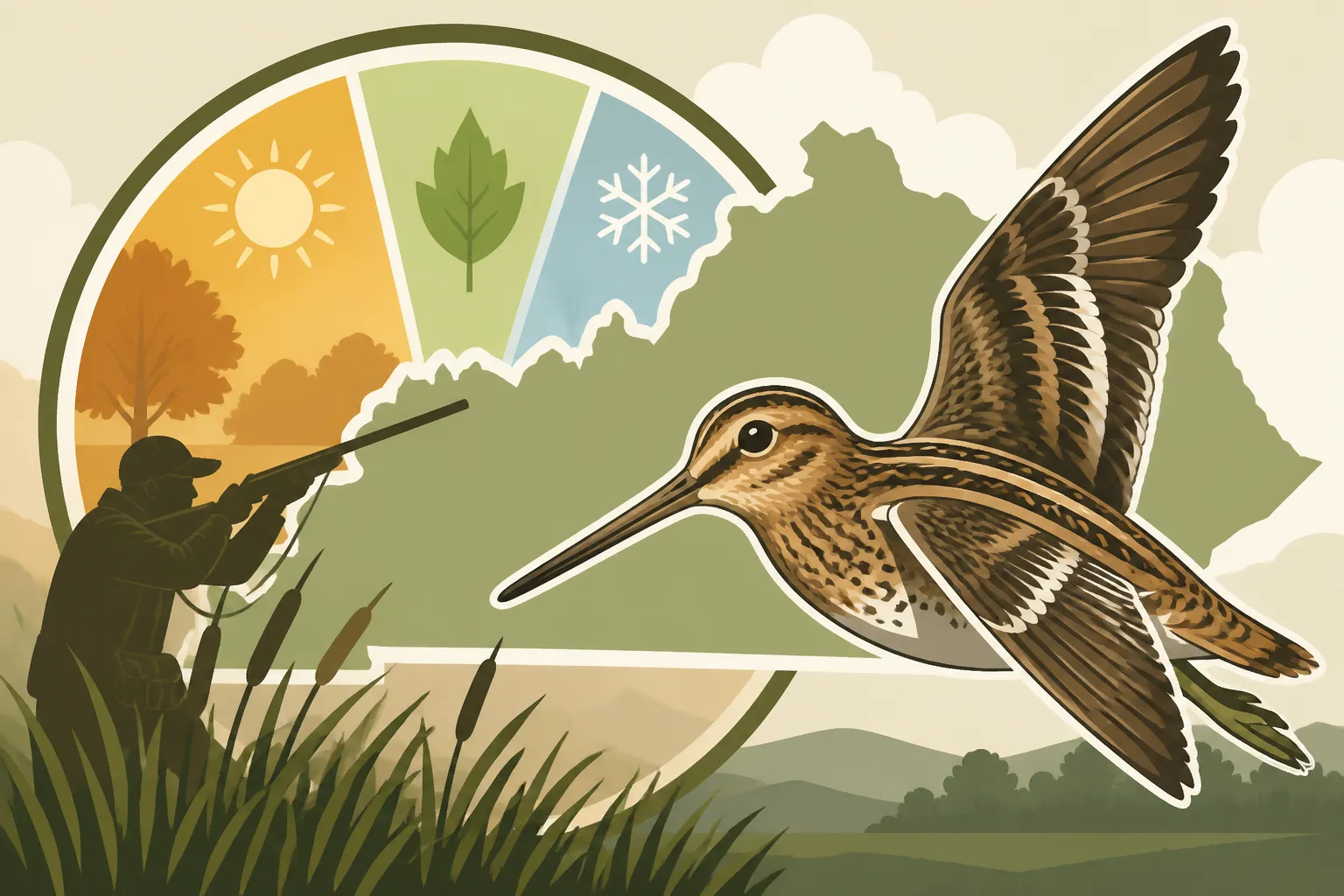
Typically, Kentucky's snipe season kicks off in early September and runs all the way through the middle of January. Think about that for a second – that’s a season that spans over four months! This long season means you can hunt snipe during the crisp days of early fall, through the heart of deer season, and well into the colder winter months when many other hunting opportunities have wrapped up. It’s a fantastic way to extend your time afield and enjoy some fast-paced action.
For example, a typical season might begin around September 10th and extend to January 25th. While specific dates can shift slightly from year to year, this general timeframe is a reliable guide. It's always, always a good idea to double-check the current hunting guide published by KDFWR each year to get the exact dates, but you can confidently plan on a long season. Many hunters overlook this season, thinking it's too short or not worth the effort, but the reality is it provides ample opportunity. And unlike some game, snipe can be found consistently throughout this period in suitable habitat, offering a chance for late-season action when the deer woods might feel a bit slow.
When it comes to shooting hours, snipe hunting follows the standard migratory bird regulations: you can hunt them from one-half hour before sunrise until sunset. This gives you a full day of opportunity, whether you prefer the quiet mornings or the golden light of late afternoon. Just remember to always be aware of your surroundings, especially if you're hunting in areas near other hunters or private property.
Daily Bag and Possession Limits
After you've located these elusive birds and managed to connect with their erratic flight, you'll want to know how many you can take home. Kentucky has a daily bag limit of eight (8) snipe. This means you can harvest up to eight birds per hunter per day. For a small bird that can offer some incredibly challenging shooting, eight birds makes for a very respectable daily take, especially if you're having a good day and the birds are flying.
The possession limit for snipe is three times the daily bag limit, meaning you can have up to twenty-four (24) snipe in your possession after the first day of hunting. This limit applies to birds that are in your vehicle, at your home, or stored. It’s important to keep these limits in mind, especially if you’re planning a multi-day trip or hunting with a group. These limits are designed to ensure a sustainable harvest and prevent overhunting, allowing future generations to enjoy the thrill of snipe hunting. Comparing this to, say, a strict one-buck deer limit, it highlights the potential for a higher volume hunt, which can be a real blast when the conditions are right.
Essential Licensing and Regulations for Snipe Hunters
Just like with any hunting endeavor in Kentucky, chasing snipe requires the proper licenses and adherence to specific regulations. It’s not just about having a shotgun and some shells; you need to make sure all your paperwork is in order to avoid any unfortunate run-ins with conservation officers.
Required Permits Beyond Your Basic Hunting License
To legally hunt snipe in Kentucky, you'll need a couple of key things:
- A Valid Kentucky Hunting License: This is your fundamental permission slip for any hunting activity in the state. Whether you're a resident or non-resident, you'll need to purchase the appropriate license. For residents, options range from an annual license to a more comprehensive Kentucky Sportsman's License Bundle which covers many different species. Non-residents will need to secure a Kentucky Nonresident Hunting License Cost which allows them to hunt all legal game species. You can find detailed information on Kentucky Hunting Licenses and What They Cost through the KDFWR website or at authorized vendors.
- Kentucky Migratory Bird-HIP Certification: This is absolutely critical for hunting snipe, as they are a migratory game bird. HIP stands for "Harvest Information Program," and it's a federal requirement for anyone who hunts migratory birds. It's usually a small additional fee (often just a few dollars) that registers you as a migratory bird hunter. This data helps wildlife agencies monitor harvest levels and make informed management decisions. You can often purchase this certification right along with your basic hunting license, whether you're buying Kentucky Permits Online Versus by Phone or at a local sporting goods store. Make sure you don't forget this! An internal link about Kentucky HIP Certification for Bird Hunters is a good way to further explore this specific requirement.
It's a common misconception that because snipe are migratory, you also need a Federal Duck Stamp, but this is NOT true for snipe. The Federal Duck Stamp is specifically required for hunting waterfowl (ducks and geese), not for other migratory birds like snipe, woodcock, or doves. This is a crucial distinction that can save you a few bucks and some confusion. Always check the annual KDFWR hunting guide for the most up-to-date regulations, as rules can occasionally change.
Legal Firearms and Ammunition for Snipe
When it comes to equipment, snipe hunting is pretty straightforward, but there are still some rules to follow regarding your firearm and ammunition.
- Shotguns: Like most upland and migratory bird hunting, shotguns are the weapon of choice for snipe. Any common gauge—12 gauge, 20 gauge, 28 gauge, or even a .410—will work. The key is finding a comfortable gun that you can swing quickly to track these fast, erratic flyers. Many hunters prefer lighter gauges like a 20 or 28 gauge for their reduced recoil and ease of carry, especially when walking extensive wet areas.
- Ammunition: For snipe, you'll want to use smaller shot sizes, typically #7.5 or #8. These smaller pellets create a dense pattern, which is exactly what you need for a small, quick-moving target. The legal requirement is that your shotgun must be plugged so it cannot hold more than three shells in the magazine and chamber combined. This "three-shot rule" is standard for all migratory bird hunting.
- Non-Toxic Shot: Here's another important clarification: non-toxic shot is generally NOT required for snipe hunting unless you are hunting on a federal waterfowl production area, a national wildlife refuge, or specific WMAs where it might be mandated, or if you are hunting in an area where lead shot is prohibited for all hunting (which is rare in Kentucky). In most common snipe hunting scenarios, lead shot is perfectly legal. However, if you're also hunting ducks or geese simultaneously or in a wetland area that falls under specific waterfowl regulations, then non-toxic shot would be required. When in doubt, always default to non-toxic shot or check the specific WMA rules. For deer hunters, this is a stark contrast to thinking about something like Kentucky Legal Firearms for Deer Hunting where larger calibers and different ammunition types are used.
Finding and Hunting Snipe in Kentucky's Wet Habitats
Now that you know when and what you need, let's talk about the exciting part: finding these feathered rockets and putting your hunting skills to the test. Snipe are not typically found in deep forests or open dry fields; they are birds of the wetlands, and understanding their preferred habitat is key to success.
Identifying Prime Snipe Habitat
Snipe are masters of camouflage, blending seamlessly into their surroundings, but they give themselves away by their habitat preferences. To find snipe, you need to think wet and muddy.
- Flooded Fields and Wet Pastures: These are perhaps the most common places to find snipe. Areas that have recently seen heavy rains or are poorly drained, often with scattered low vegetation, are prime snipe territory. Look for fields where crops have been harvested but the ground remains saturated, or pastures with standing water and tussocks of grass.
- Edges of Ponds, Lakes, and Rivers: The muddy, soft edges of water bodies, especially those with some emergent vegetation, can hold snipe. They love to probe the soft mud with their long bills for invertebrates, worms, and insects.
- Irrigation Ditches and Sloughs: These linear wetland features can be overlooked gems. Walking along the banks of a slow-moving ditch or a shallow slough can flush snipe that were feeding quietly along the edges. Understanding features like Reading Kentucky Mud for Fresh Deer Movement for deer can translate somewhat to snipe, as both involve looking for signs of activity in soft earth, albeit for different species.
- Marshes and Bogs: While less common in some parts of Kentucky, true marshy areas with a mix of water and dense vegetation are classic snipe habitat. However, these can be tough to navigate, and snipe often prefer areas with a bit more open, short cover within the wet ground.
When scouting for snipe, look for areas where the ground is visibly wet, muddy, and soft. You might even see their probe marks in the mud, tiny holes where they've been feeding. Sometimes, the best way to find them is simply to walk likely-looking areas and be ready for a bird to erupt from underfoot.
Effective Snipe Hunting Tactics
Hunting snipe is a true test of wing-shooting skill and patience. Their flight is incredibly erratic, often described as a "zig-zag" pattern, which makes them notoriously difficult to hit.
- Walk-Up (Flush) Hunting: This is by far the most common and effective method. It's essentially a form of Grouse and Small Game Hunting in Kentucky where you walk slowly through promising habitat, covering ground thoroughly, expecting birds to flush within shotgun range. You need to be constantly ready, gun mounted, eyes scanning. When a snipe flushes, it often lets out a distinctive "scape" call as it bolts, giving you a split second warning. Take your time, track the bird, and swing through. Many hunters miss snipe by shooting too quickly.
- Using a Dog: A good pointing or flushing dog can be an invaluable asset. Dogs can cover more ground, find birds you might walk past, and most importantly, retrieve downed birds from often thick or wet cover that would be impossible for a hunter to navigate. A flushing spaniel or a pointing breed trained to hold point until you're in position can significantly increase your success and enjoyment.
- "Jump-Shooting" Along Waterways: For those seeking a different approach, Jump-Shooting a Kentucky Creek can also yield snipe. This involves quietly walking along the banks of small creeks, ditches, or sloughs, expecting to flush birds that are feeding directly on the edge. This method requires stealth and quick reactions, as the birds will often flush directly away from you and quickly disappear around a bend or into cover.
One fantastic tool for any hunter, especially when trying to pinpoint new areas for species like snipe, is a good mapping app. Services like GoHunt can be incredibly useful. You can use their satellite imagery to identify potential wet areas, flooded fields, and public land access points that might hold snipe. The ability to see topography and habitat features from above can save you hours of aimless wandering and help you focus your efforts on the most promising spots. Don't underestimate the power of these digital scouting tools, even for something as old-school as snipe hunting! When trying to find new small tracts, it can even help locate potential areas for Hunting Small Private Tracts in Kentucky where you might gain permission.
Why Snipe Hunting is a Rewarding Challenge
While not as glamorous as deer or elk hunting, chasing snipe offers a unique and highly rewarding experience for several reasons:
- Fast-Paced Action: When you find a pocket of snipe, the action can be furious. Flushing multiple birds, making quick shots, and trying to keep track of where they go provides an adrenaline rush unlike many other hunts. It's truly a test of your reactive shooting skills.
- Excellent Dog Training Opportunity: For those with bird dogs, snipe provide an abundance of scent and flushing opportunities, making them ideal for training, especially for young dogs learning to work cover and retrieve.
- Delicious Table Fare: Don't let their small size fool you; snipe are absolutely delicious. Their meat is dark, rich, and flavorful, often compared to woodcock or even duck. They make an exquisite meal, a true wild game delicacy that many hunters never get to experience.
- Extend Your Season: With a season running from September into January, snipe hunting allows you to be out in the field during times when other opportunities are limited. It's a great way to cure the mid-season blues or keep your skills sharp after deer season wraps up. Plus, the sheer joy of being outdoors, regardless of the target, is what it's all about. Using apps like GoHunt to review your hunting areas and notes from previous years can help refine your strategies, allowing you to track where you had success and identify new patterns year after year.
A Note on Conservation and Respecting the Resource
As with all hunting, pursuing snipe comes with a responsibility to the resource and the land. These migratory birds are a shared resource, and ethical hunting practices ensure their populations remain healthy for future generations.
Sustainable Harvest and Habitat Preservation
Following the daily bag and possession limits isn't just a legal requirement; it's a critical part of sustainable harvest. Taking only what you need and what is legally allowed helps maintain healthy populations. Additionally, always be mindful of the habitat you're hunting. Avoid damaging vegetation, packing out all your trash, and respecting the land, whether it's public or private. If you're hunting on private land, ensure you have explicit permission. Remember, Kentucky Trespass and Permission Law is clear on this, and being a respectful hunter is the best way to ensure future access.
Tools like GoHunt can assist in this regard by providing clear maps of public land boundaries and even highlighting different habitat types, helping you to understand the ecosystems you're entering and how to tread lightly. Being informed about Kentucky Small Game Season Rules generally helps you be a more responsible hunter across the board.
Kentucky Snipe Season at a Glance
| Typical Season Dates | Early September – Mid-January (e.g., Sept 10 – Jan 25) |
|---|---|
| Daily Bag Limit | 8 birds |
| Possession Limit | 24 birds (3x daily bag) |
| Shooting Hours | One-half hour before sunrise to sunset |
| Required Licenses | Kentucky Hunting License, Kentucky Migratory Bird/HIP Certification |
| Federal Duck Stamp Required? | NO (only for waterfowl) |
| Legal Shot | Lead shot generally acceptable (unless specific WMA rules or hunting waterfowl concurrently); #7.5 or #8 recommended for snipe |
| Firearm Restrictions | Shotgun plugged to hold no more than 3 shells (magazine + chamber) |
Disclaimer
The information provided in this guide is for general informational purposes only and is subject to change. Hunting regulations, season dates, and license requirements are set by the Kentucky Department of Fish and Wildlife Resources (KDFWR) and can be updated annually. It is the responsibility of every hunter to consult the official KDFWR hunting guide and any relevant state or federal regulations before heading afield to ensure compliance with current laws.