Kentucky Archery Season Opening Day
That feeling of anticipation, the crisp morning air not quite here yet but definitely on its way, and the sheer excitement of opening day. It’s a feeling every Kentucky bowhunter lives for. But let's be honest, figuring out the exact dates, understanding what to prepare for, and mentally getting ready can be a bit overwhelming. This comprehensive guide is here to walk you through everything you need to know about Kentucky Archery Season Opening Day, ensuring you're squared away and ready for a successful start to your season.
Pinpointing the Kentucky Archery Season Opening Day
For many of us, the opening day of archery season feels like the unofficial start of fall, even if the thermometer is still pushing summer highs. Knowing exactly when you can hit the woods with your bow or crossbow is the first crucial step in planning your hunts.
Understanding the Statewide Calendar
Kentucky's archery season consistently kicks off on the first Saturday of September. This date is pretty well-established across the Commonwealth, offering a reliable starting point for hunters. This early September start means you're often hunting deer that are still largely on their summer patterns, focused heavily on food and water sources as the weather gradually transitions. It's a unique opportunity to catch them before the full swing of the rut or the cooler temperatures of late fall change their behavior dramatically. While the specific date shifts slightly each year depending on when that first Saturday falls, you can always count on it landing right around the beginning of the month. To be absolutely certain, always check the Kentucky Department of Fish and Wildlife Resources (KDFWR) annual hunting and trapping guide, or use a reliable resource like GoHunt, which often updates its platforms with the latest regulations as soon as they're released.
Regional Nuances and Early Opportunities
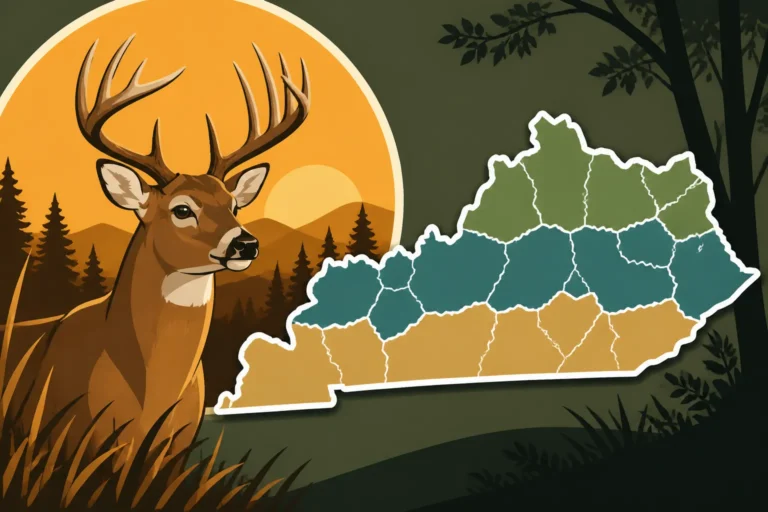
While the vast majority of Kentucky operates under this statewide archery season opener, it’s always wise to remember that certain specific areas or special hunts might have different rules. For instance, some urban archery zones, often designed to help manage deer populations in more populated areas, might have slightly extended seasons or unique permit requirements. However, for the vast expanses of public and private land across Kentucky, from the ridges of the Daniel Boone National Forest to the fertile farmlands of Western Kentucky, the opening day is a unified experience. You won't typically find different opening dates for different counties or deer management zones for the general archery season. The nuance usually comes later in the season with antlerless deer quotas changing by zone, not the statewide opener. If you're planning a trip to a specific Wildlife Management Area (WMA), it's always smart to double-check their specific rules, as some WMAs might have special managed hunts or access restrictions. For the overarching "When Kentucky's Archery Season Opens," you can confidently mark that first Saturday of September on your calendar.
Essential Preparations for Opening Day Success
You wouldn't run a marathon without training, and you shouldn't head into opening day without proper preparation either. The weeks leading up to the season are just as important as the hunt itself, laying the groundwork for success and ensuring a safe, ethical experience.
Physical and Mental Readiness
Opening day, especially in early September, can throw a lot at you. The heat and humidity are often still factors, making long walks into your stand or dragging a deer out a real workout. Getting in shape physically is key – even if it's just regular walks with your pack on. Beyond the physical, the mental game is huge. Scouting is probably the most critical pre-season activity. Spend time on your property, whether private or public, identifying active trails, fresh rub and scrape lines from last year (which can indicate future buck travel), and most importantly, current food sources. Where Daniel Boone Forest Bucks Bed is often influenced by these factors. Use trail cameras to monitor deer movement, get an idea of buck patterns, and confirm what time they're hitting certain areas. This intel is priceless. And don't forget practice! Shoot your bow or crossbow regularly, especially from various positions you might encounter in a tree stand or ground blind. Ensure your form is solid and you're consistently grouping arrows. The confidence that comes from knowing you can make the shot is invaluable when that moment of truth arrives.
Gear Check and Setup
Imagine getting to your stand on opening day, only to realize your broadheads aren't sharp or your bow sight is loose. A thorough gear check is non-negotiable. Start with your bow or crossbow. Inspect strings and cables for fraying, check limb bolts, and ensure all accessories like rests and sights are secure. Broadhead tuning is a must; ensure your field points and broadheads fly to the same spot. If you're looking for insights into different setups, you might find a guide like Bow and Crossbow Setups for Kentucky helpful. Beyond your weapon, think about your clothing. Early season usually means lighter layers, good moisture-wicking properties, and, crucially, scent control. Deer are often less nocturnal in early season and can be more active during daylight, making scent control even more vital. Also, never, ever forget your safety harness. Tree stand accidents are preventable, and wearing a harness every time you leave the ground is simply smart hunting. Before you head out, make sure your knife is sharp, your headlamp has fresh batteries, and you have all your calls and other small essentials ready.
License and Permit Verification
This might seem like a no-brainer, but every year, hunters get caught without the proper paperwork. Before you even think about setting foot in the woods, make sure your Kentucky hunting license is valid for the current season, and you have the necessary statewide deer permit. Kentucky's license year typically runs from March 1st to the last day of February, so if you haven't bought yours since March, you'll need to renew it. You can conveniently purchase these online through the KDFWR website or at various vendors across the state. Understanding "Kentucky Hunting Licenses and What They Cost" can help you choose the right bundle. Additionally, familiarize yourself with the deer management zone rules for the county you'll be hunting. While opening day typically means one antlered deer statewide, antlerless bag limits can vary dramatically by zone, and knowing your zone's rules beforehand can save you a headache later. Some counties, particularly those in the CWD surveillance zone, may have additional regulations, so always be aware of your specific location.
What to Expect on Opening Day
Opening day isn't just about setting foot in the woods; it's about stepping into a dynamic environment. Knowing what to anticipate, from deer behavior to dealing with other hunters, can help you adjust your strategy on the fly and increase your chances of success.
Early Season Deer Behavior
As the archery season opens in early September, deer are largely still in their summer patterns. This means their primary focus is food and, due to the lingering warmth, water. You'll often find them concentrated around reliable food sources like acorn flats (if it’s been a good mast crop year), lush green fields of alfalfa or clover, and, in agricultural areas, still hitting those standing cornfields or soybean fields. Understanding "Hunting a Standing Cornfield in Farm Country" can be a game-changer if you're in farm country. Their movement during this time is typically crepuscular – most active during the first few hours of daylight and the last few hours before dark. They'll often feed heavily at night and then retreat to thick bedding cover during the heat of the day. Pay close attention to subtle shifts. If a cold front pushes through, even a minor one, it can invigorate deer movement and make them more active mid-morning or mid-afternoon. Your scouting should guide your stand placement to intercept deer moving between these bedding and feeding areas.
Dealing with Hunting Pressure
Let's be real: opening day brings out the crowds, especially on public land. You're not going to be the only one with that hopeful glint in your eye. This hunting pressure can dramatically alter deer behavior. What you observed on your trail cameras in August might change overnight once hunters hit the woods. Deer, particularly mature bucks, will often go nocturnal or seek out the thickest, nastiest cover they can find. If you’re hunting public ground, expect to hear other shots, see other vehicles, and potentially encounter other hunters. Don't let it discourage you. Instead, adapt. Consider going deeper into public lands where others might not want to walk, or focus on overlooked pockets of cover right off main trails. Learning to read the subtle signs of pressure can inform your strategy. Sometimes, a deer drive on Kentucky public land can push deer your way, even if you're not part of it. Using mapping apps like GoHunt can help you identify remote areas or access points that are less obvious, potentially leading you to less-pressured areas that others walk past.
Weather Challenges and Adaptations
Kentucky's September weather can be, shall we say, robust. Expect warm, humid days, sometimes with pop-up thunderstorms. This presents a few challenges. First, staying hydrated is crucial. Carry plenty of water, especially if you plan an all-day sit or a strenuous hike. Second, dressing appropriately means lightweight, breathable clothing that wicks moisture away. Forget the heavy insulation; focus on comfort and scent control. Finally, and perhaps most importantly, warm weather presents significant challenges for meat care after a harvest. If you're lucky enough to tag a deer on opening day, you'll need a plan to cool that meat down quickly. Field dressing immediately is essential, and having a cooler packed with ice ready at your vehicle is highly recommended. Consider the "gutless method" if you're deep in the woods, allowing you to get the meat out in game bags quicker. While "Field Dressing a Deer in Cold Weather" offers great advice for cooler times, the principles of quick, clean processing apply even more rigorously in the early season heat. Don't let a successful hunt turn into spoiled meat because you didn't plan for the temperature.
Strategies for a Successful Archery Opener
With the dates locked in, your gear ready, and expectations managed, it's time to talk strategy. How can you maximize your chances for success on that exhilarating opening day?
Stand Placement and Approach
Effective stand placement is paramount, especially in the early season when deer movements are more predictable, yet still cautious. Focus your efforts on pinch points, funnels, and natural travel corridors that lead to or from known feeding and bedding areas. A ridge-top saddle for rutting bucks might be a key later on, but for opener, think about where deer are moving now. Look for well-worn trails leading from thick cover to an oak flat, a water source, or a secluded green field. Pay close attention to the prevailing wind direction and thermals, especially in hilly terrain. Hanging a Stand on an Eastern Kentucky Ridge means considering how thermals will carry your scent up or down throughout the day. Your entry and exit routes are just as important as your stand location. You want to be able to get to and from your stand without alerting deer. This might mean taking a longer, more circuitous route that keeps you out of primary deer-travel areas until you're settled. Quiet movement, whether on foot or in your vehicle, is key to not educating deer before you even begin your hunt.
Patience and Adaptability
The most seasoned hunters will tell you that patience is arguably the most valuable tool in your arsenal. Opening day might be filled with excitement, but it's rarely a guarantee of immediate success. Deer are wild animals, and their behavior can be unpredictable. You might sit for hours without seeing anything, or you might see a flurry of activity right at legal shooting light. Don't get discouraged if the deer aren't moving exactly as your trail cameras suggested. Use your time in the stand to observe. What are the squirrels doing? Are there birds active? Sometimes, even small cues can tell you about the forest's rhythm and potential deer movement. Be ready to adapt your plan. If your primary food source isn't showing much activity, perhaps a nearby water source or a different bedding area approach needs to be considered for your next sit. Utilize mapping tools like those offered by GoHunt to quickly re-evaluate nearby cover and potential travel routes. The early season is a long game, and opening day is just the start. Learn from every sit, make mental notes (or physical ones!), and be prepared to adjust your tactics as the season progresses. The more adaptable you are, the better your chances of filling that tag become.
| Aspect of Opening Day | Key Considerations | Preparations |
|---|---|---|
| Date | First Saturday of September (statewide) | Verify specific date on KDFWR guide; Mark calendar. |
| Deer Behavior | Summer patterns, focused on food/water | Scout active food sources (acorns, crops), water; Use trail cameras to confirm travel times. |
| Weather | Warm, humid, potential for storms | Pack water; Wear lightweight, breathable, scent-controlled clothing; Have rain gear ready. |
| Gear | Bow/Crossbow, broadheads, safety harness | Inspect all equipment; Tune broadheads; Practice shooting; Check harness. |
| Licenses/Permits | Valid KY Hunting License, KY Deer Permit | Purchase/renew licenses; Understand county-specific antlerless limits. |
| Hunting Pressure | High on public lands, deer may go nocturnal | Plan deep entries; Identify overlooked cover; Use mapping tools to find less-pressured areas. |
| Meat Care | Critical in warm weather | Field dressing kit; Cooler with ice at vehicle; Plan for quick extraction. |
Important Disclaimer
Please remember that hunting regulations, season dates, and permit requirements can change. While we strive to provide the most accurate and up-to-date information, it is always your responsibility as a hunter to consult the official Kentucky Department of Fish and Wildlife Resources (KDFWR) regulations prior to any hunting activity. Stay safe and happy hunting!