Kentucky Spring Turkey Season Closing Date
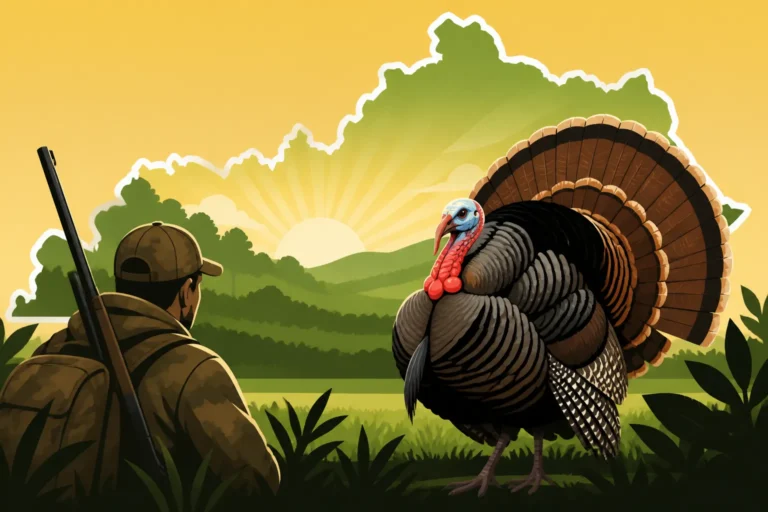
As the Kentucky spring turkey season draws to a close, many hunters feel that familiar mix of accomplishment and a touch of melancholy. It's a challenging time for even seasoned veterans, as gobblers become warier and the woods undergo significant changes. This comprehensive guide is here to walk you through the specifics of the Kentucky spring turkey season closing date, what it means for your final hunts, and how to adapt your tactics for those last precious days in the field.
Understanding Kentucky's Spring Turkey Season Structure
Kentucky offers a truly fantastic spring turkey season, eagerly anticipated by hunters across the state. However, understanding its precise structure, especially as it winds down, is crucial for both compliance and success. It's not just one continuous period; there are distinct phases that influence how and when you can hunt.
The General Statewide Season
The general statewide spring turkey season in Kentucky is typically a generous window, allowing ample opportunity for hunters to chase gobblers. For instance, the 2024 general season ran from April 13th through May 5th. This period allows hunting with shotguns, archery equipment, and crossbows. The daily bag limit is usually one gobbler or bearded hen per day, with a season limit often set at two birds. It's important to remember that these regulations are subject to change year to year, so always consult the latest guide from the Kentucky Department of Fish and Wildlife Resources (KDFWR). The anticipation leading up to opening day is immense, with hunters eagerly preparing their calls and scouting their favorite spots. From the first week of gobbling to the final few days, each phase of the season presents unique challenges and rewards. For those planning their hunts, knowing the full arc of the season, especially the specific closing date, is paramount to making the most of every legal opportunity. You can always check out the full details on the official Kentucky Spring Turkey Season Rules to ensure you're squared away.
Youth Turkey Weekend Specifics
Before the general statewide season even kicks off, Kentucky usually offers a special youth-only weekend. This gives young hunters a fantastic chance to experience spring turkey hunting with less pressure and dedicated guidance from an adult mentor. For example, in 2024, this special weekend was April 6th and 7th. During this time, youth hunters (typically under 16 years old) can harvest one gobbler or bearded hen. This early start is a wonderful way to introduce the next generation to the thrill of turkey hunting, often under prime conditions before the birds have experienced heavy hunting pressure. It’s also a great opportunity for parents and mentors to focus solely on teaching safety, woodsmanship, and ethical hunting practices. Remember, while the youth weekend is distinct, the birds harvested during this period still count towards the youth's overall season bag limit, which aligns with the general season limit once it opens. Always review the specific guidelines for the Kentucky Youth Spring Turkey Weekend to ensure compliance.
Pinpointing the Kentucky Spring Turkey Season Closing Date
When the calendar flips to May, many of us start feeling that familiar pang of the season winding down. It's a hard truth, but all good things must come to an end, and Kentucky's spring turkey season is no exception. Knowing the exact closing date is not just about legal compliance; it's about mentally preparing for those final, sometimes most challenging, hunts.
The Final Day of Opportunity
For the 2024 Kentucky spring turkey season, the official closing date for the general statewide season was May 5th. This means that by midnight on that Sunday, all legal spring turkey hunting activities concluded. It's crucial for every hunter to mark this date clearly on their calendar. Missing it by even a day, whether due to misremembering or simply not checking the regulations, can lead to serious legal consequences and tarnishes the experience. Many hunters, myself included, will often make one last push during the final week, trying to make the most of those waning opportunities. These late-season hunts can be some of the most memorable, forcing you to use every trick in your playbook. It's a time when you might find yourself reflecting on the season's successes and learning moments, even as you're trying to coax one last gobbler into range. The KDFWR publishes these dates well in advance, and it's always wise to double-check their official website or the annual hunting guide for the most up-to-date information regarding the Kentucky General Spring Turkey Season.
Why the Season Ends When It Does
The decision behind the spring turkey season's closing date isn't arbitrary; it's carefully determined by wildlife biologists at the KDFWR. Their primary goal is to manage the wild turkey population sustainably, ensuring healthy breeding cycles and robust numbers for future generations of hunters. The closing date is typically set to coincide with the peak of nesting activity for hens. By concluding the season around this time, the KDFWR aims to minimize disturbance to nesting hens and protect gobblers that are still actively breeding.
Allowing hunting too deep into the nesting period could potentially disrupt hens, leading to nest abandonment or increased predation pressure on eggs and poults. While it can be frustrating to see the season end when there might still be some gobbling activity, this management strategy is vital for maintaining the incredible turkey hunting we enjoy in Kentucky. The health of the Kentucky Turkey Population Estimate is always at the forefront of these decisions. It's a balance between providing ample hunting opportunities and ensuring the long-term vitality of the species. Responsible hunters understand and respect these biological reasons, knowing that a little restraint now contributes to a stronger turkey population down the line.
Strategies for Hunting the Late Season
As the Kentucky spring turkey season marches into its final days, the woods transform, and so too must our hunting strategies. Those run-and-gun tactics that worked on opening day might fall flat now. Gobblers are warier, and their priorities shift, demanding a more nuanced approach from hunters. This late-season period often separates the persistent from the easily discouraged, and with a bit of adaptability, you can still find success.
Adapting to Gobbler Behavior in May
By the time May rolls around and the season nears its closing date, gobbler behavior can be significantly different from the early weeks. The intense breeding fervor of April starts to wane. Many hens are already bred and on their nests, meaning fewer hens are actively seeking gobblers. This can lead to a few scenarios:
- Lonely Gobblers: Some gobblers might become "lonely" or "hen-less" and more responsive to calls, desperately searching for any remaining receptive hens. These birds can be aggressive and willing to come to a call.
- Pressured Birds: Conversely, many gobblers have heard every call in the book and seen every decoy spread. They've likely been shot at, or at least had close calls, making them incredibly wary. They might gobble on the roost but go silent once on the ground, or simply strut out of range.
- Patterned Movement: Gobblers that have survived the season often develop patterns. They might visit specific strut zones, travel along certain ridges, or frequent particular fields at certain times of day.
Understanding these shifts is crucial. Aggressive calling might have worked early on, but now, a more subtle approach – softer yelps, clucks, and purrs – can be more effective. Focusing on locator calls like owl hoots or crow calls to pinpoint a bird without alerting him to your exact location is smart. When they hit the ground, if they're not committing, backing off and trying again later or moving to a different setup can pay off. This is also a time when knowing where Kentucky Gobblers Roost can give you a significant advantage, allowing you to set up quietly before daylight. Using a mapping app like GoHunt to mark known roost sites or strut zones from previous scouting trips can be invaluable.
Maximizing Your Chances on Public and Private Land
Hunting the late season, whether on public land or private, requires persistence and smart scouting. Pressure can be a major factor on public ground, making birds even more skittish.
- Public Land Tactics: On public lands, consider going deeper, farther from roads and popular access points. Look for overlooked pockets of timber, steep hollows, or less accessible ridges where birds might find refuge. Early morning roost hunts can still be effective, but be prepared for birds that fly down and immediately move away from your calls. Don't be afraid to employ Run-and-Gun Turkey Tactics on Public Land, covering ground and trying to strike a responsive gobbler. Focus on finding fresh sign – tracks, droppings, and strut marks – to confirm turkey presence before committing to a long sit. A good mapping app, such as GoHunt, can help identify topographical features like saddles, benches, or creek bottoms that might concentrate turkey movement away from the crowds.
- Private Land Opportunities: On private land, you might have less pressure, allowing for more consistent patterns. This is an excellent time to focus on field edges, food plot perimeters, or areas where you know hens typically nest. If hens are on nests, gobblers might be patrolling these areas looking for any remaining unbred hens. Setting up a decoy, perhaps a lone hen or a jake, can sometimes entice a lonely gobbler. Remember, late season often means more foliage, so finding good concealment for your setup, maybe Setting Up Against a Big Oak or using a natural ground blind, becomes even more important. Understanding When Kentucky Gobblers Go Quiet in May will inform how much you call versus how much you observe and listen.
Table: Late Season Turkey Hunting Strategy Adjustments
| Factor | Early Season (April) | Late Season (May) |
|---|---|---|
| Gobbler Behavior | Aggressive, actively seeking hens | Wary, often lonely, may be patterned |
| Calling Style | Aggressive, loud, confident | Subtle, soft, patient, more locator calls |
| Decoy Strategy | Full strut tom, multiple hens | Lone hen, jake, or no decoy (depends on pressure) |
| Hunting Pressure | High (especially opening week) | Lower overall, but birds are more educated |
| Foliage/Visibility | Sparse, easy to see and move | Denser, requires more careful concealment and movement |
| Ideal Setups | Strut zones, field edges, open timber | Deeper public land, remote pockets, field edges with good cover |
| Patience Level | Medium (birds often come quickly) | High (long waits, strategic moves, quiet calling) |
Post-Season Reflections and Planning for Next Year
Even after the final shot has been fired (or not fired, as the case may be) and the season officially closes, the work of a dedicated turkey hunter isn't truly done. The post-season is a crucial time for reflection, data recording, and most importantly, preparing for the next spring's adventure. It’s an opportunity to learn from the past season and lay the groundwork for future success.
Checking Harvests and Reviewing Success
Once the season is over, it's a good practice to review your entire hunting experience. For starters, if you were fortunate enough to harvest a bird, ensure all Kentucky Turkey Checking Requirements were met. Telecheck is usually quick and easy, but it's a mandatory step. Beyond that, take some time to mentally (or physically, in a hunting journal) review each hunt. What worked well? Did certain call sequences consistently get responses? Were specific areas productive? Did a particular setup lead to a close encounter?
Conversely, what didn't work? Were there areas you scouted that just didn't hold birds? Did gobblers consistently hang up at a certain distance? Analyzing these successes and failures provides valuable data for the future. Consider your gear as well: did your calls perform as expected? Was your shotgun patterned effectively? The KDFWR often releases a Kentucky Spring Turkey Harvest Numbers report after the season, which can provide insights into overall success rates and trends across the state, helping you contextualize your own experience. It's a chance to see how your efforts align with the broader picture and identify potential areas for improvement.
Looking Ahead to Next Spring
The moment the season closes isn't the end; it's the start of preparations for the next season. One of the first things to do is confirm the Kentucky Turkey Bag Limit Rules for the upcoming year, as these can sometimes be adjusted based on population data. Think about all those subtle signs you saw throughout the season – dusting bowls, old strut marks, faint gobbling from afar. These are clues that can lead to success next year.
Summer is a fantastic time for informal scouting. While the leaves are on, you can identify terrain features, access points, and potential roosting areas without the pressure of a live hunt. Consider taking a few walks through your hunting grounds. Pay attention to mast crops in the fall – a good acorn year can dramatically affect turkey movement. Late winter and early spring pre-season scouting, before the general season opens, is absolutely essential. This is when you'll be listening for early gobbling, locating potential strut zones, and identifying travel corridors. Many hunters use sophisticated mapping apps, like GoHunt, year-round to mark these points of interest, record observations, and plan their future hunts. Building a comprehensive digital scouting map over time is one of the best ways to increase your odds come next April.
Disclaimer
The information provided in this guide is for general informational purposes only and is subject to change. Hunting regulations, season dates, and bag limits are set by the Kentucky Department of Fish and Wildlife Resources (KDFWR) and can be modified annually. It is the responsibility of every hunter to consult the most current official KDFWR hunting guide and regulations before engaging in any hunting activity. Failure to do so may result in legal penalties.