Hunting the Kentucky Youth Turkey Weekend
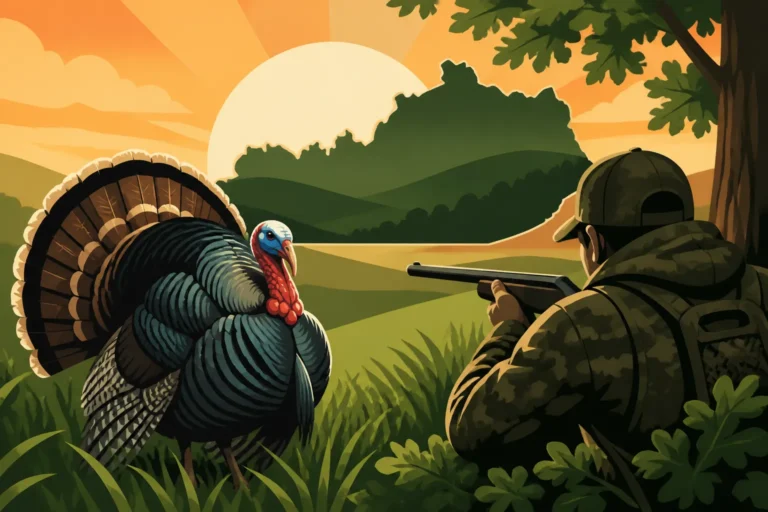
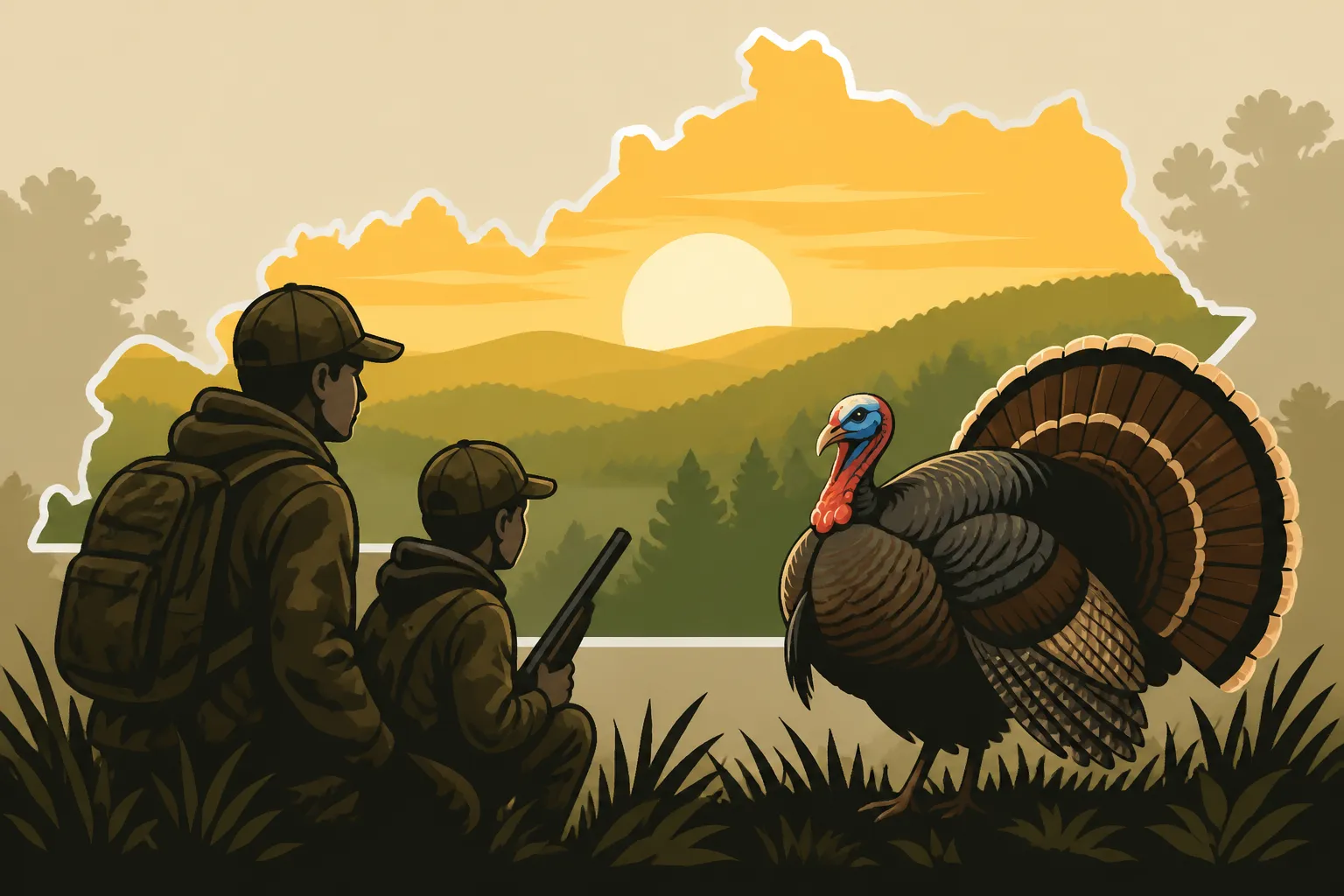
Bringing a young hunter afield for the Kentucky Youth Turkey Weekend is one of the most rewarding experiences a mentor can have, but it can also be nerve-wracking. You want them to have a great time, learn something valuable, and hopefully, connect with a gobbler, all while navigating the unique challenges of hunting with a youngster. This comprehensive guide is here to walk you through everything you need to know to make that special weekend a successful, safe, and memorable adventure for both of you.
Understanding the Kentucky Youth Turkey Weekend
The Kentucky Department of Fish and Wildlife Resources (KDFWR) established the Youth Turkey Weekend specifically to give young hunters an early, less pressured opportunity to pursue wild turkeys. It's a fantastic program designed to foster a love for hunting and conservation in the next generation, often taking place before the general statewide season opens.
Key Dates and Regulations
Timing is everything, especially when you're planning a trip with a young hunter who might not have the same patience as a seasoned veteran. The Kentucky Youth Turkey Weekend typically occurs a week or two before the main statewide opener for spring turkey. This earlier window is a real gift, as it often means less hunting pressure on public lands and birds that haven't been called to or spooked by many hunters yet. Always double-check the current year's KDFWR hunting guide for the precise dates, as they can shift slightly from year to year. Knowing these dates precisely will help you plan your scouting trips and ensure you have all the necessary permits well in advance. Remember, this weekend is exclusively for youth, meaning adult hunters cannot participate unless they are strictly mentoring a qualified youth hunter. It's a prime opportunity for kids to have the woods largely to themselves, focusing on the experience without the hustle and bustle of a crowded opening day. For a complete overview of the season, you can also look into the general Kentucky Spring Turkey Season Rules.
The bag limit for the youth season usually aligns with the statewide spring limit, which is typically two male turkeys or one male and one bearded hen, with a strict limit of one bird per day. This means if your young hunter tags a bird on Saturday, they can still try for another on Sunday. However, certain Wildlife Management Areas (WMAs) might have specific restrictions, such as a one-bird-per-WMA rule, so it’s crucial to verify any local regulations for your chosen hunting spot. These rules are in place to manage the turkey population effectively and provide sustainable hunting opportunities for everyone. It also teaches young hunters about responsible harvest and the importance of adhering to conservation efforts.
Eligibility and Mentor Requirements
The Kentucky Youth Turkey Weekend is open to hunters under 16 years of age. This age range ensures that relatively young individuals, who are still developing their hunting skills and knowledge, get this dedicated opportunity. For instance, a 10-year-old taking their first steps into turkey hunting can participate, as can a 15-year-old looking to gain more experience. It’s a wonderful way to introduce them to the sport in a controlled, supportive environment.
A crucial component of this youth hunt is the mentor requirement. Any youth hunter participating must be accompanied by an adult 18 years of age or older. This adult mentor cannot hunt themselves but must actively supervise the youth hunter. The role of the mentor is paramount: it's not just about guiding them to a turkey, but about instilling safe hunting practices, teaching woodsmanship, and fostering a deep respect for wildlife and the outdoors. The mentor needs to have a valid Kentucky hunting license and appropriate permits, even if they aren't carrying a weapon themselves. It's truly a teaching opportunity, a chance to pass on traditions and knowledge. Think of it as an apprenticeship where the adult is there to coach, instruct, and ensure every moment is a learning experience. For those looking to get fully certified, don't forget to review Kentucky Hunter Education Requirements.
Essential Gear for Young Turkey Hunters
Hunting with a youth requires a slightly different approach to gear, prioritizing comfort, safety, and ease of use over sheer performance. You want to set them up for success without overwhelming them with heavy or complicated equipment.
Appropriate Shotguns and Ammunition
When it comes to shotguns for young hunters, fit is absolutely king. A shotgun that's too long or too heavy will be difficult for a child to shoulder properly, aim accurately, and manage recoil. Many manufacturers, like Mossberg and Remington, offer youth models with shorter stocks and lighter frames, often in 20-gauge, which is ideal for smaller frames due to its manageable recoil compared to a 12-gauge. Some youth models even come with adjustable stocks that can grow with the child, making it a wise investment. The goal is to make the shotgun feel natural and comfortable, allowing them to focus on the target rather than struggling with the firearm.
Selecting the right ammunition is equally important. For turkeys, you'll want heavy loads with good patterning, but for a youth hunter, recoil can be a major deterrent. Consider using "low-recoil" or "managed-recoil" turkey loads if available, or even standard game loads with a higher shot count (like #5 or #6 shot) that are specifically designed for turkeys but have slightly less kick than the heaviest turkey bombs. It's a balance between effective killing power and ensuring the child isn't scared off by a painful experience. Before heading afield, spend time at the range patterning the shotgun with the chosen ammunition at various distances, typically 20, 30, and 40 yards. This helps you understand the effective range of their setup and build their confidence. For more on this, check out our guide on Turkey Shotguns and Chokes.
Clothing, Blinds, and Comfort Items
Kentucky spring weather is notoriously unpredictable. One morning can be crisp and cold, requiring layers, while the afternoon might turn surprisingly warm and humid. Dressing a young hunter in layers of camouflage that can be easily added or removed is crucial. Opt for quiet, breathable fabrics that won't rustle loudly with movement. A good waterproof and windproof outer layer is a must. Remember, a cold or uncomfortable child is a miserable child, and a miserable child isn't going to enjoy the hunt.
A ground blind is almost a non-negotiable item when hunting with youth. It provides unparalleled concealment, allowing the child to fidget, whisper, or even snack without spooking birds. Blinds also offer protection from the elements—rain, wind, or direct sun—and help contain sound and movement. Brands like Primos and Ameristep offer durable, portable ground blinds that are relatively easy to set up. Inside the blind, comfort is key: bring a comfortable chair or cushion for the child (and for you!), along with snacks, water, and perhaps even a small book or quiet activity for lulls in action. Make sure the blind is brushed in naturally to blend with the surroundings. You can learn more about effective setup strategies in our article on Decoy Placement for Pressured Kentucky Birds.
Effective Tactics for Youth Turkey Hunting
Hunting with a young person isn't about running and gunning or intricate calling sequences. It's about patience, simplicity, and creating an experience where the child feels engaged and comfortable.
Setting Up for Success with a Youngster
The most effective tactic when hunting turkeys with a youth is to minimize movement and maximize comfort. This usually means choosing a prime location and setting up shop, rather than trying to chase birds around the woods. Look for areas where turkeys are known to frequent—roosting sites, dusting bowls, strut zones, or feeding areas near fields or oak ridges. Early morning setups are often the most productive, as you can get into position before the birds leave the roost. Consider using a ground blind, as mentioned, for ultimate concealment. Set it up well in advance if possible, giving the birds time to get used to its presence.
When you pick your spot, think about the backdrop. You want solid cover behind you to break up your outline, even within a blind. The angle of the sun is also important; try to have the sun at your back, making it harder for turkeys to see into your setup. Position your child with a clear shooting lane and a comfortable rest for their shotgun. A shooting stick or bipod is invaluable here, providing stability and reducing fatigue. Remember, the goal isn't just a kill; it's a positive, low-stress experience. If you're on a WMA or public land, scouting with the Kentucky Hunt Fish App beforehand can pinpoint likely travel corridors and open areas for ideal blind placement.
Calling Strategies for Youth Hunters
When it comes to calling for a youth hunter, less is often more. You don't need to be a championship caller, and an overly aggressive approach can sometimes spook wary gobblers, especially on public land that sees some pressure. Focus on realistic, simple calls that mimic a hen looking for a gobbler. Soft yelps, clucks, and purrs are your bread and butter. A box call or slate call is often easiest for a mentor to operate quietly and consistently. Let the woods "breathe" between calling sequences; listen for responses before calling again.
The beauty of the youth season is that birds can sometimes be less educated than later in the season. A subtle call might be all it takes. If you hear a gobbler on the roost, start with a few soft tree yelps. Once they fly down, transition to ground calls. The key is patience. Sometimes, waiting in silence after a few calls is more effective than continuous calling. If the gobbler is hung up, a bit of soft clucking or purring can sometimes draw him those last few yards. Teach your child to listen intently to the woods and try to identify different turkey sounds. It's a valuable skill that goes beyond just making calls. For deeper insights into this, our guide on Calling a Kentucky Gobbler Off the Roost provides excellent tips.
Patience and Adaptability in the Field
Hunting with a child demands a deep well of patience, far more than you might need when hunting solo. Turkeys can be notoriously fickle. They might gobble their heads off on the roost and then land 100 yards away and walk off silently. They might hang up just out of range, or simply not show up at all. It's crucial to manage expectations for both yourself and your young hunter. Emphasize that hunting is about the entire experience—the quiet moments in nature, the rustle of leaves, the distant gobble, the sight of a deer passing by.
Be prepared to adapt. If the birds aren't responding to calls, or if your initial setup isn't working, consider a quiet, slow move to a new location later in the morning, always prioritizing safety and minimizing disturbance. If the weather changes drastically, be ready to adjust clothing or even call it a day if conditions become too uncomfortable for the child. The most important thing is that the child enjoys their time outdoors. If they're bored, cold, or frustrated, they won't want to come back. Bring snacks, quietly play a game of "I Spy" within the blind, or tell stories during the lulls. Remember, it's about fostering a lifelong passion, and that often starts with simple, positive experiences.
Making the Hunt an Educational Experience
The Youth Turkey Weekend is a prime opportunity to teach your young hunter much more than just how to shoot a turkey. It's an outdoor classroom where invaluable lessons about nature, conservation, and personal responsibility can be learned.
Teaching Woodsman Skills Beyond the Shot
Beyond the excitement of a potential shot, use the time in the woods to teach practical woodsmanship. This includes everything from identifying different tree species (e.g., distinguishing oak from hickory, or learning where Kentucky's mature timber offers the best roosting spots for turkeys) to recognizing animal tracks and scat. Point out the subtle signs of turkey activity – dusting areas, scratch marks in the leaves, or faint tracks in the mud. Teaching them to observe these details makes them more attuned to their surroundings, transforming a simple wait into an active learning experience. For instance, explaining why a particular ridge might be a good travel corridor for deer, or how wind and thermals affect animal movement, are vital lessons in becoming a proficient hunter.
Explain the concept of thermals on a cold morning, how scent can travel, or why a certain type of cover is preferred by wildlife. Teach them how to use a compass or a GPS device, even if just to understand how it works. These skills build confidence and self-reliance. Talk about ethical hunting practices, such as choosing the right shot angle, ensuring a clean kill, and respecting the animal. It's a chance to share your knowledge and passion, creating a deeper connection between the child and the natural world. These are lessons that last far longer than any single hunt.
Connecting with Nature and Conservation
Use the stillness of the early morning and the waiting periods in the blind to connect your young hunter with the broader natural world. Point out other wildlife you see – a squirrel scampering up a tree, a robin hopping on the ground, or a hawk circling overhead. Talk about the sounds of the forest – the chirping of songbirds, the distant caw of a crow, or the rustle of leaves in the wind. These moments help cultivate an appreciation for the outdoors that goes far beyond just hunting.
Discuss the importance of conservation and how hunting plays a vital role in wildlife management. Explain how license fees contribute to habitat restoration and how regulated hunting helps maintain healthy animal populations. You can talk about Kentucky Turkey Population Trends and the incredible success story of their restoration across the state. This helps them understand that hunting is not just a recreational activity but a responsible and necessary part of ecosystem management. It instills a sense of stewardship and responsibility towards the land and its creatures, transforming them from passive observers into active participants in conservation.
Safety First: Preparing for the Field
Safety should always be the absolute top priority when hunting, especially when you have a young, inexperienced hunter with you. Thorough preparation and constant vigilance are non-negotiable.
Blaze Orange, Hearing, and Eye Protection
Even though camouflage is essential for turkey hunting, safety often dictates the use of blaze orange, especially when moving to and from your hunting location. While turkey hunters are not always required to wear blaze orange while stationary and hunting during spring season, it's generally required when moving. However, during the youth weekend, especially if other mentors and youth hunters are out, wearing a blaze orange hat or vest while walking to your spot and then removing it in the blind is a smart practice. Some mentors even put blaze orange back on after a successful harvest before moving the bird. Always consult the current KDFWR regulations on How Much Blaze Orange Kentucky Requires to ensure full compliance. It's a small step that can prevent a tragic accident.
Hearing protection is absolutely non-negotiable for anyone shooting a firearm, but especially for children whose hearing is still developing. Electronic hearing protection is an excellent investment, as it amplifies ambient sounds (allowing them to hear distant gobblers or your whispered instructions) while instantly suppressing the loud crack of a gunshot. Brands like Howard Leight and Walker's offer comfortable options. Similarly, eye protection is crucial to guard against stray shot, powder residue, or even a branch snapping back. Make sure both mentor and youth are wearing appropriate ear and eye protection at all times when a gun is loaded and ready to fire.
Emergency Preparedness and Communication
Venturing into the Kentucky woods, whether it's the rolling hills of the Pennyroyal or the timbered ridges of Daniel Boone National Forest, means being prepared for unexpected situations. Always carry a well-stocked first-aid kit that includes essentials for cuts, scrapes, insect bites, and any personal medications. Teach your child what to do in an emergency—who to call, how to describe your location, and how to remain calm.
Reliable communication is vital. While cell service can be spotty in many remote hunting areas, carry a fully charged cell phone. Consider having a backup power bank. If hunting in an area with known dead zones, a satellite messenger device (like a Garmin InReach or Spot device) can be a literal lifesaver, allowing you to send messages or trigger an SOS even without cell signal. Inform someone reliable back home of your exact hunting location and your expected return time. This "hunt plan" ensures that if you don't check in, someone knows where to start looking. Being over-prepared for an emergency is always better than being caught off guard, especially with a child in tow.
Post-Harvest: Teaching Responsibility and Respect
The moment a young hunter successfully harvests a turkey is exhilarating, but the lessons don't stop there. It's a critical time to teach respect for the animal and the legal responsibilities that come with a successful hunt.
Field Dressing and Care of the Bird
After the shot, and once you've confirmed the bird is expired, guide your young hunter through the process of approaching the bird safely. Teach them to secure the head and ensure the gun is unloaded. This is a crucial moment for teaching respect for the animal they've harvested. Instead of just grabbing the bird and heading out, take a few minutes to admire its beauty, discuss its age (by spur length or beard length), and reflect on the hunt.
Then, transition to the practical steps of field dressing. This doesn't necessarily mean a full pluck and gut in the field, especially with a child, but at least removing the entrails to help cool the bird down, particularly if it's a warm spring day. Explain why you're doing each step—to preserve the meat, to honor the animal. You can teach them the proper way to carry the bird out of the woods, ensuring it's visible to other hunters (e.g., placing a blaze orange vest on it). If you're planning on processing the bird yourself, involve the child in plucking or cleaning later on. It teaches them where their food comes from and the work involved in enjoying wild game.
Reporting and the Telecheck System
One of the most important responsibilities for any hunter in Kentucky is legally reporting their harvest, and this applies to youth hunters too. Kentucky uses a mandatory "Telecheck" system for deer, elk, bear, and turkey. This means that after harvesting a turkey, the hunter (or their mentor on behalf of the youth) must report the kill via phone or online within a specific timeframe, usually by midnight on the day the animal was taken.
Walk your young hunter through this process. Explain what information is needed (license number, county of harvest, date, sex of the bird). You can do it together online via the KDFWR website or by calling the toll-free Telecheck number. This step reinforces the legal framework of hunting and their role as a responsible participant. It's not just a formality; it's how the KDFWR collects vital data to manage Kentucky's turkey population and ensure sustainable hunting opportunities for future generations. Understanding Kentucky turkey harvest reporting rules is a final, vital piece of the youth turkey hunting puzzle.
Disclaimer
The information provided in this guide is for general informational purposes only and is not a substitute for the official Kentucky Department of Fish and Wildlife Resources (KDFWR) hunting regulations. Hunting laws and regulations can change, and it is the responsibility of every hunter to consult the most current KDFWR guide before engaging in any hunting activities. Always prioritize safety and ethical hunting practices.