Prescribed Burns and Kentucky Hunting Closures
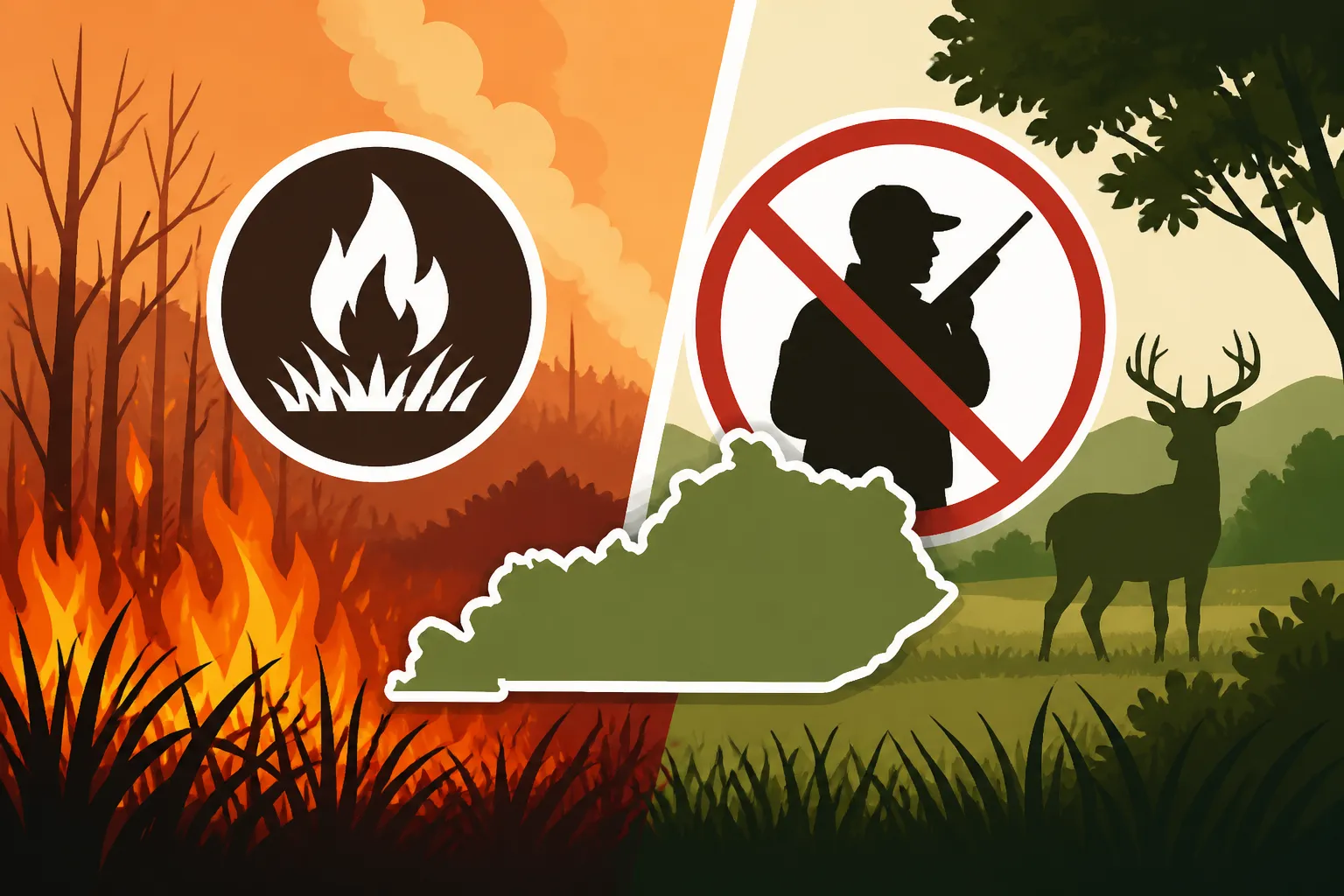
It's incredibly frustrating when you've got a weekend hunt planned, gear all packed, and then you hear whispers or see a sign about a prescribed burn closing off your favorite public land. You've invested time scouting, maybe even taken a day off work, and suddenly your plans are up in smoke – literally. This guide is here to shed light on why prescribed burns happen in Kentucky, how they impact your hunting opportunities, and most importantly, how you can stay informed and adapt your strategies when these temporary closures occur.
Understanding Prescribed Burns: More Than Just Fire
When you hear about a "prescribed burn" in a wildlife management area or national forest, it's easy to just think of it as a destructive force. But in reality, it's a carefully planned and executed land management tool that's been used for centuries, even by Native Americans, to maintain healthy ecosystems. It's a far cry from a wildfire; these are controlled fires, set under specific weather conditions, to achieve very specific ecological goals.
Why Land Managers Use Fire
The primary reason for prescribed burns is habitat improvement. Think about a dense forest floor choked with leaf litter, invasive plants, and an understory so thick you can't even see a deer twenty yards away. That's not ideal for many native species. Controlled burns help clear out this clutter, reducing competition for sunlight, water, and nutrients among desirable plants. This process often stimulates the growth of new, tender vegetation – like forbs and grasses – that are crucial food sources for deer, turkey, rabbit, and quail. It also helps control invasive species that can choke out native forage.
Beyond food, burns can improve travel corridors and bedding cover for game animals. When an area burns, it opens up the understory, making it easier for animals to move through. The regrowth that follows often provides excellent young browse and thick, low cover for fawns and poults to hide in. It also reduces the risk of catastrophic wildfires by consuming accumulated fuel like dead leaves, branches, and small saplings. It’s a proactive measure that saves larger, more intense fires later on.
The Role of Smoke and Ash
While the immediate aftermath of a burn might look barren and smoky, it's a vital part of the process. The ash left behind returns essential nutrients to the soil, acting as a natural fertilizer. This nutrient flush, combined with increased sunlight reaching the forest floor, kick-starts a burst of new plant growth. The smoke, though temporary and sometimes a nuisance, is managed to minimize impact on local communities. Land managers carefully select burn days based on wind direction and atmospheric conditions to disperse smoke away from populated areas. It’s a delicate balance, but the long-term benefits for wildlife and forest health are significant.
Navigating Hunting Closures Due to Burns
The biggest headache for hunters is, without a doubt, the temporary closure of beloved hunting grounds. It throws a wrench in your plans, forces last-minute changes, and can feel like a setback when you've put in so much effort. But understanding the nature of these closures can help you navigate them more effectively.
Short-Term Disruption
Most prescribed burn closures are temporary, often lasting only a few days or even just a single day during the burn operation itself. The area needs to be clear for the safety of the burn crews and to prevent any public interference. After the active burning is done, agencies like the Kentucky Department of Fish and Wildlife Resources (KDFWR) or the U.S. Forest Service will monitor the area for hotspots and ensure it's safe before reopening. Sometimes, an area might remain closed for a few additional days to allow for full cool-down and to prevent hunters from walking into smoldering debris or unstable trees.
It’s disheartening to find your favorite ridge closed, especially if you had a deer patterned there. But remember, this short-term inconvenience is paving the way for better hunting opportunities down the line. The immediate post-burn period can actually be fantastic for scouting, as the cleared understory makes sign much more visible. Scouting Kentucky Public Land Before Season becomes even more crucial if you know burns are planned in your area.
Longer-Term Habitat Benefits
Once an area has recovered from a burn, usually within a few weeks to months, it often transforms into prime habitat. The new growth of native grasses, legumes, and forbs provides superior forage. This is especially true for species like deer and turkey, which thrive on diverse, open understories. Turkey poults, for example, find abundant insects and easier movement through recently burned areas. Deer benefit from the increased browse and the mosaic of cover types that burns create.
For small game hunters, areas that have seen prescribed burns can become fantastic for rabbits and quail a year or two down the road. The initial flush of vegetation provides great cover and food. So, while you might lose a few days or weeks of hunting right after a burn, the long-term outlook is usually incredibly positive. It's an investment in the future of the hunting land you cherish.
How to Stay Informed About Burn Schedules
The last thing any hunter wants is to drive an hour to a WMA only to find it gated and signed "Closed for Prescribed Burn." Proactive communication is key, and thankfully, land management agencies make a real effort to inform the public.
KDFWR and US Forest Service Notifications
Your first and best source of information will always be the official channels. The KDFWR website is an invaluable resource. They typically post news releases or direct announcements about planned burns on their Wildlife Management Areas (WMAs). Similarly, for areas within Daniel Boone National Forest, the U.S. Forest Service website for the specific ranger district (e.g., Cumberland, London, Redbird) will have information. It’s a good habit to check these sites regularly, especially if you plan to hunt public land during the spring or late fall when most burns occur.
Many agencies also utilize social media platforms to disseminate information quickly. Following their official Facebook or Twitter accounts can provide real-time updates on burn operations, road closures, and reopening announcements. It’s a small step that can save you a wasted trip.
Utilizing Mapping Tools and Local Knowledge
While mapping apps like onX Hunt won't show you real-time burn closures, they are incredibly useful for identifying public land boundaries and alternative access points around known burn areas. If you learn from the KDFWR that a certain block of a WMA is scheduled for a burn, you can use onX Hunt to quickly pinpoint adjacent open areas or explore new sections of public land you might not have considered. This helps you pivot your plans efficiently.
It's also worth checking with the local KDFWR conservation officers or WMA managers if you have their contact information. They are often on the ground and can provide the most up-to-date information. Building relationships with these professionals can be immensely helpful. Local sporting goods stores or bait shops near public land can also be surprising sources of information, as they often hear about closures from other hunters.
| Source of Information | Type of Information Provided | Best Use Case | Frequency of Updates |
|---|---|---|---|
| KDFWR Official Website | Planned burns, WMA closures, updates | General planning, identifying specific WMA impacts | As needed, usually weekly |
| US Forest Service Website | DBNF burn plans, road closures | Planning DBNF hunts, checking specific ranger districts | As needed, usually weekly |
| Agency Social Media (KDFWR, USFS) | Real-time updates, sudden closures | Last-minute checks before heading out, rapid changes | Daily during burn season |
| Local KDFWR Staff | Specific WMA conditions, burn status | Detailed, localized info for planned hunts | Direct contact, varies |
| Mapping Apps (e.g., onX Hunt) | Public land boundaries, alternative access | Rerouting plans, finding adjacent open areas | Constant (for map data) |
| GoHunt (General News) | Broader trends, policy changes, state-level impacts | Understanding overall burn strategy, long-term outlook | Varies, less real-time for specific closures |
Hunting After a Burn: Opportunities and Challenges
Once the smoke clears and the public land reopens, the landscape will look dramatically different. This presents both immediate challenges and exciting new opportunities for hunters willing to adapt.
Immediate Post-Burn Hunting
Right after a burn, you might find deer, turkey, and other animals avoiding the recently charred ground. The lack of cover and the strong smell of smoke can make them temporarily relocate. However, this period can also be a unique scouting opportunity. With the understory cleared, you can spot old scrape lines, rub trees, and travel corridors that were previously hidden. It's like the forest just got a fresh haircut, revealing its true structure. This can give you an edge for future hunts. Reading Aerial Photos for Eastern Kentucky Deer becomes even more impactful when combined with fresh burn information, allowing you to identify new movement patterns.
Animals will often return to the periphery of burned areas fairly quickly, especially if the burn created new browse or exposed mast. Look for edges where the burned area meets unburned cover. These transition zones often become hotspots for feeding and travel as animals cautiously explore the new growth.
Long-Term Habitat Improvement and Strategy Adaptation
As the months pass and new vegetation emerges, the burned areas become magnets for wildlife. This is where your long-term strategy comes into play. If you hunted a block of woods that underwent a burn during the spring, by fall, you might find it completely transformed. New green shoots will be popping up, attracting deer. Turkey will be scratching through the light ash for insects.
You'll need to adapt your usual hunting tactics. Where you once saw a thick bedding area, there might now be open ground with succulent new growth. Old travel routes might still be valid, but animals might favor the edges of the burn for security. Using a ground blind or even a saddle hunting setup could be advantageous in these more open conditions, allowing you to blend in with the remaining timber. Remember to monitor these areas for fresh sign as the season progresses. Finding Sign in Big Daniel Boone Timber will become easier, but also different in burned landscapes.
Safety Considerations Around Burned Areas
While prescribed burns are managed with safety as the top priority, hunters should still exercise caution when entering areas that have recently been burned. Your safety is paramount, and a little awareness can prevent an unpleasant incident.
Unstable Trees and Ground Conditions
One of the most significant hazards in a recently burned area is unstable trees. Fire can weaken the root systems or burn through the base of standing timber, making them prone to falling, especially with wind or additional rain. Always be aware of your surroundings, especially "snags" – standing dead trees – which are notorious for coming down unexpectedly. Never set up a treestand in a tree that shows any sign of fire damage.
The ground itself can also be tricky. Ash can conceal holes, stumps, or uneven terrain, making footing uncertain. You might also encounter smoldering roots or logs, which can be hot and pose a burn risk. Wear sturdy, protective boots and pay close attention to where you step. It’s not the place to be rushing through the woods in low light. Boots for Kentucky Hollows and Creek Bottoms are essential for navigating this kind of terrain.
Visibility and Regulations
While blaze orange is a requirement during many Kentucky hunting seasons, and should always be worn when required, the smoky or charred landscape might make you feel less visible. If in doubt, wear more blaze orange than legally required. Make sure others in your hunting party are also highly visible.
Always double-check specific WMA or national forest regulations for burned areas. Sometimes, certain activities or access points might remain restricted even after the main burn operation is complete, for safety reasons or to allow habitat to recover undisturbed. Respecting these temporary rules ensures your safety and the long-term health of the hunting grounds. For specific regulations, the KDFWR's Kentucky Blaze Orange Requirements is a good read.
Disclaimer
This article is for general informational purposes only and does not constitute professional advice. Laws, prices and regulations vary by location and change over time. Consult a qualified professional for guidance on your specific situation.