Kentucky Pioneer Weapons Areas
Hunting in Kentucky offers a wide array of experiences, from bustling opening weekends on sprawling public lands to quiet, solitary moments in forgotten hollows. But for those of us who feel a tug toward a simpler, more challenging pursuit, the modern rush of high-tech gear and long-range shots can sometimes feel… distant. That's where Kentucky's Pioneer Weapons Areas come into play, offering a truly unique hunting experience designed to transport you back in time and test your woodsmanship in ways few other places can. This guide will walk you through everything you need to know about these special areas, from understanding the rules to mastering the tactics for success.
Understanding Kentucky's Pioneer Weapons Areas: A Step Back in Time
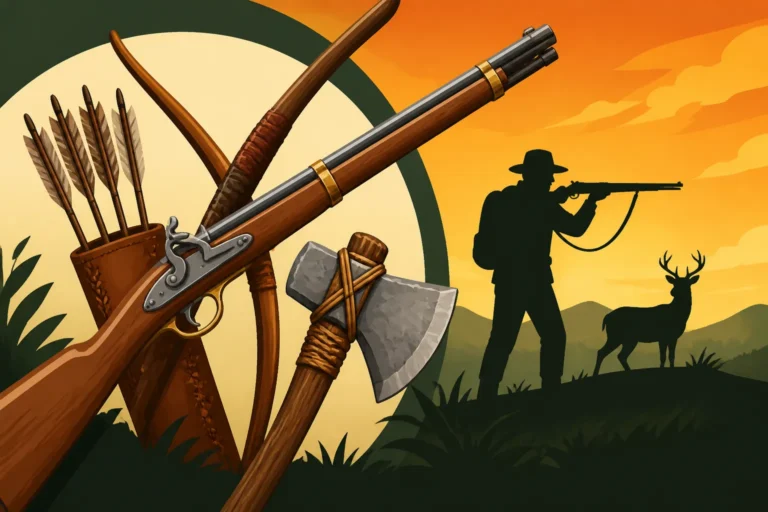
Imagine hunting like your great-grandparents might have, relying on simple, effective tools and a deep understanding of the land. That's the essence of hunting in Kentucky's Pioneer Weapons Areas (PWAs). These aren't just special seasons; they're designated tracts of land where the rules intentionally restrict hunters to more traditional, primitive equipment. It's a deliberate choice by the Kentucky Department of Fish and Wildlife Resources (KDFWR) to preserve a hunting heritage and provide an experience that emphasizes stealth, tracking, and close-range encounters over technological advantage.
What Makes a Hunting Area "Pioneer Weapons Only"?
When you see "Pioneer Weapons Only" on a map or in the regulations, it means the rules for that specific area go beyond the statewide regulations for muzzleloader or archery seasons. It's not just about the type of weapon, but the nature of the weapon. For firearms, this typically means traditional front-loading muzzleloaders – the kind that require loose powder, patch, and ball, or conical bullets. Forget the inline muzzleloaders with 209 primers and magnum charges; those are generally not allowed. For archery, it usually means traditional longbows or recurves, often without sights or mechanical releases. It's about stripping away modern conveniences to get back to basics. It's a place where a hunter's skill, patience, and knowledge of game movement are truly put to the test, rather than how many yards their rifle can reach.
These areas create a specific kind of environment where the game might behave a little differently, too. With less pressure from high-powered rifles, animals might hold tighter or be more predictable, but getting close enough for a shot with a primitive weapon is an entirely different challenge. The rules are designed to slow things down, to make you think more about every step, every whisper of the wind, and every piece of sign you find.
The Spirit of the Challenge: Why Hunt These Zones?
Why would anyone willingly choose to limit their gear in a world full of cutting-edge hunting technology? The answer lies in the challenge and the profound sense of accomplishment it brings. Hunting in a PWA isn't about bagging the biggest buck or filling your freezer as quickly as possible (though success is certainly a goal!). It's about the journey itself. It's about the rustle of leaves underfoot as you carefully stalk a ridge, the sharp crack of a squirrel's bark that makes you freeze, or the sudden appearance of a deer through the timber that tests your nerves and your aim. It connects you to generations of hunters who relied on similar tools and skills.
For many, it's a chance to unplug, to escape the noise and the constant "more" of modern life. It forces you to rely on your instincts, your woodsmanship, and your physical ability. The reward isn't just a harvested animal; it's the rich experience of being fully immersed in the natural world, using skills passed down through centuries. It's a deeply satisfying way to engage with the landscape and its wildlife, fostering a respect for the game and the heritage of hunting. It also tends to spread hunters out, as not everyone is willing to embrace these limitations, often leading to a more solitary and peaceful outing than in heavily hunted areas.
Decoding the Rules: Permitted and Prohibited Gear
Understanding the precise rules for Pioneer Weapons Areas is absolutely critical. These aren't suggestions; they are strict regulations designed to maintain the integrity of the primitive hunting experience. Accidentally bringing prohibited gear can not only ruin your hunt but also lead to fines and legal trouble. Always double-check the latest KDFWR hunting guide for the specific PWA you plan to visit, as rules can sometimes have subtle distinctions or be updated.
Muzzleloaders and Traditional Shotguns: The Firearm Specifics
When it comes to firearms in Pioneer Weapons Areas, think "old school." For muzzleloaders, this almost universally means single-barrel, front-loading firearms that use loose powder (black powder or approved substitutes), a patch, and a round ball or a conical bullet. Percussion cap and flintlock mechanisms are generally what's permitted. That sleek, modern inline muzzleloader with its 209 primer and pelletized powder? Leave it at home. Those are considered too "modern" for these specific zones. It's about the authentic experience of loading your gun from the muzzle, carefully pouring powder, seating a patch and ball, and then capping or priming for a single, deliberate shot. Muzzleloader Deer Hunting in Kentucky can be a fantastic experience, but the PWA rules narrow the field considerably compared to general muzzleloader seasons.
Shotguns, if permitted, typically must be 20 gauge or larger, and are generally restricted to single-shot or double-barrel configurations. Again, the emphasis is on simplicity and a slower, more deliberate approach to hunting. Forget the semi-automatics or pump-action shotguns with extended magazines. Shot is usually limited to lead shot for small game (unless otherwise specified for specific bird hunting) and slugs for deer, and often there are restrictions on magnum loads. The idea is to keep the playing field level and ensure that hunters are truly relying on their skills rather than rapid-fire capabilities.
Archery Equipment: Sticking to Stickbows and Longbows
For the archer, Pioneer Weapons Areas usually mandate truly traditional equipment. This means longbows and recurves, often called "stickbows." The key restrictions often include:
- No Sights: You'll be relying on instinctive aiming, which takes practice and a keen eye.
- No Mechanical Releases: Fingers must draw and release the string. Forget wrist releases or thumb releases.
- No Let-Off: Compound bows, with their cam systems that reduce holding weight at full draw, are almost always prohibited.
- No Crossbows: While Crossbow Versus Vertical Bow in Kentucky is a popular debate, crossbows are generally not allowed in PWAs due to their mechanical advantage and sight systems.
- No Illuminated Nocks or Other Electronic Enhancements: Arrows should be simple, traditional shafts.
This means spending a lot of time on the practice range, perfecting your form and gaining confidence in your instinctive shot. It's a humbling experience to realize how much you rely on modern archery aids when they're suddenly taken away, but it's also incredibly rewarding when you make a clean, ethical shot with traditional gear. Bowhunting Kentucky's Long Archery Season in a PWA takes on a whole new dimension of challenge and satisfaction.
Modern Tech You'll Need to Leave Behind
Beyond the primary weapons, many modern accessories and conveniences are also off-limits in Pioneer Weapons Areas. This can include, but isn't limited to:
- Rangefinders: No laser rangefinders to tell you the exact distance. You'll need to learn to estimate yardage by eye, a skill that takes considerable practice.
- Electronic Game Calls: While some traditional calls might be allowed, any electronic device designed to emit game sounds is typically prohibited.
- Illuminated Scope Reticles or Sights: Any form of battery-powered illumination on your weapon's aiming system is usually a no-go.
- Telescopic Sights on Muzzleloaders: While some general muzzleloader seasons might allow scopes, PWAs often restrict them to open sights only, further emphasizing close-range shooting.
- Trail Cameras: Trail Camera Rules on Kentucky Public Land vary, but in a PWA, the spirit of primitive hunting often extends to excluding these scouting aids. It forces you to get out and scout the old-fashioned way, looking for tracks, droppings, rubs, and scrapes.
This table summarizes common distinctions, but again, always consult the specific PWA regulations.
| Feature | Pioneer Weapons Area Rules (Typical) | General Hunting Season Rules (Typical) |
|---|---|---|
| Muzzleloader Type | Flintlock/Percussion, loose powder, patch/ball or conical. | Inline muzzleloaders, pelletized powder, 209 primers often permitted. |
| Muzzleloader Optics | Open sights only. | Telescopic sights often permitted. |
| Archery Bow Type | Longbows, Recurves (stickbows) only. No let-off. | Compound bows, longbows, recurves permitted. |
| Archery Sights | No sights, instinctive aiming. | Pin sights, adjustable sights permitted. |
| Archery Release | Finger release only. | Mechanical releases (wrist, thumb) permitted. |
| Crossbows | Not permitted. | Generally permitted during archery seasons (with appropriate permits). |
| Rangefinders | Not permitted. | Generally permitted. |
| Electronic Calls | Not permitted. | Often permitted for certain species (e.g., coyotes), with restrictions. |
| Trail Cameras | Often prohibited, or highly restricted. | Generally permitted on public land, with some exceptions/rules. |
Where to Find These Unique Opportunities: Key PWAs
Kentucky boasts a few distinct areas that embrace the Pioneer Weapons Only designation, each with its own character and challenges. These aren't just patches of woods; they are often large, rugged tracts of public land that demand respect and preparation. Knowing where these areas are and what to expect from their terrain is crucial for a successful hunt.
The Big South Fork's Kentucky Hunting Ground
Part of the vast Big South Fork National River and Recreation Area (BSFNRRA), the Kentucky portion offers some incredible primitive hunting opportunities. This region, spanning parts of McCreary and Wayne counties, is known for its incredibly rugged and beautiful landscape of deep river gorges, sandstone bluffs, and dense, mature hardwoods. The Big South Fork is a truly wild place, and hunting here is an adventure. Navigating the steep terrain and broken country requires excellent physical conditioning and strong navigation skills, especially since GPS can be spotty in the deep hollows. The hunting regulations here are managed by both the KDFWR and the National Park Service, so it's essential to review both sets of rules.
Deer and turkey are the primary draw, but the wild nature of the area means you might encounter bear or elk sign, though hunting those species typically requires specific draw permits for the Elk Zone. The sheer size of the Big South Fork allows hunters to get deep into unpressured areas, rewarding those willing to put in the miles. Expect to earn every step, but also expect some of the most serene and challenging hunting experiences Kentucky has to offer. The primitive nature of the weapons fits perfectly with the untamed character of this incredible landscape.
The Dedicated Pioneer Weapons WMA in Daniel Boone National Forest
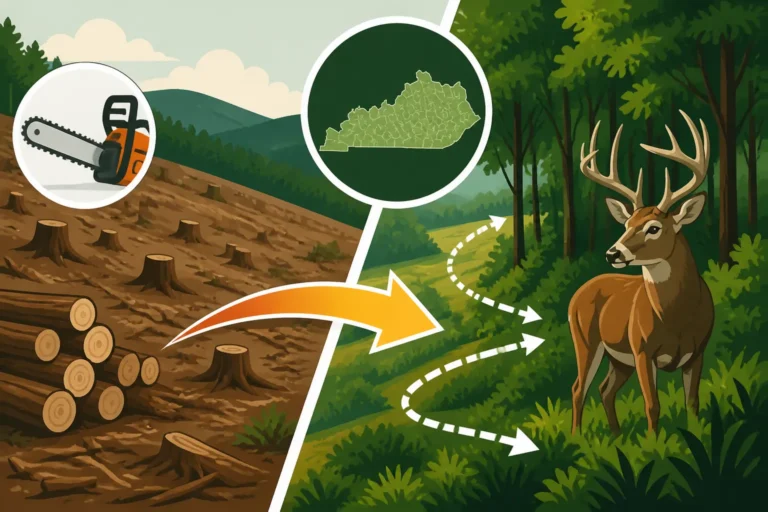
Perhaps the most famous and specifically designated "Pioneer Weapons" area in the state is the Pioneer Weapons Wildlife Management Area, located within the vast expanse of the Daniel Boone National Forest near the town of Frenchburg in Menifee and Bath counties. This WMA is renowned for its strict adherence to primitive weapon rules throughout its hunting seasons. It’s a place where you truly feel like you’ve stepped back in time. The terrain here is classic Eastern Kentucky: rolling hills, deep hollows, mixed hardwood forests, and plenty of thick undergrowth, especially in clear-cut areas that are regenerating.
The KDFWR actively manages this area to maintain its primitive character, making it a prime destination for dedicated primitive hunters. Deer are the main attraction, with solid populations that respond well to patient still-hunting and calling. Turkey hunting can also be excellent, offering a unique challenge with traditional gear. The fact that it's a dedicated WMA means it's managed primarily for wildlife and public recreation, ensuring consistent hunting opportunities under the PWA rules. It's an excellent place to practice Still-Hunting Eastern Kentucky Ridges with your traditional equipment, forcing you to move quietly and observe intently.
Other Specific Pioneer-Style Opportunities
While the Big South Fork and the Pioneer Weapons WMA are the most prominent, occasionally other areas or specific hunt dates might have "primitive weapon" or "traditional weapon" restrictions that mirror the PWA philosophy. These are less common but might pop up on specific managed hunts or smaller tracts of land. Always check the annual hunting guide and specific WMA regulations for any designated area you plan to hunt. For instance, some state parks may have special quota hunts with limited weapon types that lean towards the primitive side. The general theme across all these opportunities is a commitment to a simpler, more challenging, and deeply rewarding hunting experience that prioritizes skill and woodsmanship over modern technology. For hunters looking to truly test their mettle, Hunting Pioneer Weapons Only WMAs offers a truly unique set of challenges and rewards.
Game and Seasons: What You Can Hunt and When
The limitations on weaponry in Pioneer Weapons Areas naturally influence the species you'll pursue and the tactics you'll employ. While big game like deer and turkey are often the primary targets, these wild, less-pressured areas can also provide fantastic opportunities for small game and furbearers, adding another layer to the primitive hunting experience. Understanding the season overlaps and how they align with PWA rules is essential for planning your trip.
Deer Hunting: A Test of Skill and Patience
Deer are undoubtedly the main draw for many hunters venturing into Pioneer Weapons Areas. The challenge of getting within range of a whitetail with a muzzleloader that has a limited effective range, or a traditional bow that demands a precise, close-quarters shot, is what defines the PWA experience. Deer seasons in these areas typically align with or extend during the statewide archery and muzzleloader seasons, but with the added layer of "pioneer weapons only" restrictions. This means you'll need to scout diligently, understand deer patterns, and move with extreme stealth.
Success in PWA deer hunting often comes down to intimate knowledge of the deer's habits, finding their bedding areas, primary food sources, and travel corridors. Patience is paramount; a hasty movement or an ill-conceived stalk will often alert the deer to your presence long before you're in range. You'll spend more time observing, listening, and carefully planning your approach. The reward of a deer taken with primitive gear, whether it's a Kentucky Boone and Crockett Whitetails contender or a plump doe for the freezer, is an unparalleled feeling of accomplishment and connection to the hunt.
Turkey Hunting: Getting Close With Primitive Means
Turkey hunting in Pioneer Weapons Areas offers a thrilling and intense experience. Imagine calling in a gobbler with a slate or mouth call, knowing that your only shot opportunity will be with a shotgun loaded with lead shot or a longbow at mere yards. Spring turkey seasons generally open statewide in April, and in PWAs, these same dates apply, but with the primitive weapon restrictions. This often means using a single or double-barrel shotgun, or a traditional bow. Kentucky Spring Turkey Season Rules will specify if specific PWAs have unique dates, but generally, they follow the statewide calendar for the type of weapon permitted.
Success demands superior calling skills, impeccable setup selection, and iron nerves. Turkeys are notorious for their keen eyesight and ability to pinpoint sound. Setting up in dense cover that allows the bird to approach undetected, while simultaneously offering you a clear shot window, is a delicate balance. Decoys can be effective, but their placement and your ability to remain absolutely motionless are key. The thrill of a gobbler strutting into close range, its iridescent feathers shimmering in the sunlight, only to be taken with a primitive weapon, is a memory that will last a lifetime. It truly puts your calling and concealment skills to the ultimate test.
Small Game and Other Furbearers
While deer and turkey hog the spotlight, Pioneer Weapons Areas can also provide excellent opportunities for small game hunters seeking a primitive challenge. Squirrels, rabbits, and other species can be pursued with traditional shotguns (often single or double-barrel, 20 gauge or larger) or even small-game-tipped arrows from a longbow or recurve. The seasons for these species generally follow the statewide regulations, which are quite generous for small game. Kentucky Small Game Season Rules provides the full details on these seasons.
Hunting squirrels with a single-shot shotgun in the dense hardwoods, relying on your ability to spot them before they spot you, is a fantastic way to sharpen your woodsmanship skills. Similarly, rabbit hunting with a traditional approach forces you to work thick cover methodically. Some furbearers like coyotes might also be present, and while often not the primary target, the challenge of calling one in and taking it with a primitive weapon would be an incredible feat. These smaller pursuits reinforce the core values of PWA hunting: stealth, patience, and a deep appreciation for the natural world.
Mastering the Terrain: Scouting and Navigation Without Modern Crutches
Hunting in Pioneer Weapons Areas isn't just about the weapon; it's about how you interact with the land. Without the aid of rangefinders, GPS, or trail cameras, your skills in scouting, navigation, and reading the subtle signs of the woods become absolutely paramount. This is where your inner woodsman truly shines, or where you learn some humbling lessons.
Leveraging Digital Tools (Thoughtfully): onX Hunt and GoHunt
While much of the PWA philosophy is about eschewing modern tech in the field, there's no rule against using powerful mapping tools for pre-season scouting and planning. This is where applications like onX Hunt and GoHunt become invaluable. Before you ever step foot in a PWA, you can use these apps to:
- Identify Public Land Boundaries: Crucial for staying legal and avoiding trespass, especially in areas bordering private property.
- Study Topography: Analyze contour lines to find saddles, benches, and ridge lines that deer and turkey will use. Understanding Wind and Thermals on a Kentucky Ridge is easier when you can visualize the terrain beforehand.
- Locate Potential Food Sources: Identify areas of oak ridges for acorns, or creek bottoms that might hold other forage.
- Pinpoint Water Sources: Especially in dry periods, water can be a critical attractant.
- Mark Access Points and Trails: Plan your entry and exit routes, noting potential parking areas or established paths.
You can download offline maps to your phone or tablet, ensuring you have navigation even when cell service is nonexistent in remote hollows. Just remember, these are planning tools. Once you're in the PWA, the spirit of the hunt means relying on your compass, map, and observational skills, perhaps only glancing at your device for a quick check if truly disoriented. They are aids for preparation, not substitutes for woodsmanship.
Reading the Woods: Finding Sign and Travel Routes
With no trail cameras to tell you what's moving, your eyes become your most important scouting tool. You need to learn to read the subtle language of the woods:
- Tracks: Fresh tracks tell you not only what's present but also how recently they've been there and which direction they're heading. Learn to distinguish between buck and doe tracks, and how to age them.
- Droppings: Like tracks, droppings indicate presence, diet, and recent activity.
- Rubs and Scrapes: Especially during the pre-rut and rut, these are clear indicators of buck activity. Pay attention to the size and freshness of rubs, and which direction they're facing on trees. Finding Scrape Lines Along a Logging Road can be a goldmine.
- Browsing and Foraging Sign: What plants are being eaten? Are there chewed-off saplings or torn-up ground from turkeys? This helps you understand current food preferences.
- Bedding Areas: Look for flattened grass or leaves under thick cover, often on south-facing slopes in winter for warmth, or north-facing in warmer months for shade. Learning Where Daniel Boone Forest Bucks Bed in thick cover is vital for still-hunting.
- Travel Corridors: Identify natural funnels like saddles between ridges, creek crossings, or breaks in thick brush. These are often high-traffic areas.
Spend time walking slowly, not just for exercise, but to observe. Learn to identify different trees and their mast production, and how that changes throughout the season. The more you immerse yourself in the natural rhythms of the forest, the better you'll become at predicting game movement. This deep observation is a cornerstone of primitive hunting. Scouting Kentucky Public Land Before Season becomes an entirely different endeavor when you're doing it without technology to lean on.
Stealth and Silence: Moving Like a Shadow
In Pioneer Weapons Areas, where close-range shots are the norm, stealth isn't just a tactic; it's a requirement. Modern hunting often involves sitting in a stand, waiting for game to come to you. While that can certainly be effective in a PWA, still-hunting or stalking requires a completely different level of quiet. Every rustle, every misplaced step can mean the difference between seeing a deer or having it melt away unseen.
- Footwear: Choose soft-soled boots or even moccasins that allow you to feel the ground and silently place your feet.
- Clothing: Opt for quiet fabrics like wool or fleece that don't swish or rustle against brush. Wool Versus Synthetics in Wet Cold is an important consideration for silent movement and warmth.
- Slow Movement: Take one step, pause, look, listen, then take another. Scan the woods not just for whole animals but for parts of animals – an ear flick, a horizontal line in a vertical world, a patch of contrasting color.
- Use the Wind: Always hunt into the wind or with a crosswind. This isn't negotiable with primitive weapons, as deer will bust you immediately by scent if you're downwind.
- Broken Terrain: Use ridges, dips, and thick cover to your advantage to break up your silhouette and mask your movement.
- Mimic Nature: If you need to move through thick cover, try to move when the wind is blowing, or when a squirrel is chattering, to mask your sounds. Learn to freeze instantly and hold still when you hear a suspicious sound.
Moving like a shadow takes incredible discipline and practice, but it's the most rewarding aspect of primitive hunting. When you finally get close to a wary whitetail without them knowing you're there, it's an exhilarating feeling that no long-range shot can replicate. This type of hunting often leads to Finding Ground Others Walk Past, as many hunters are unwilling to put in the effort required for this level of stealth.
Primitive Hunting Tactics: Old-School Wisdom for Success
Hunting with primitive weapons in Kentucky's Pioneer Weapons Areas isn't about covering ground quickly or shooting from afar. It's a game of chess played out in the timber, where every move is calculated, and success hinges on a deep understanding of animal behavior and the limitations of your gear. These tactics emphasize close encounters and deliberate action.
The Art of Still-Hunting: Slow and Deliberate Movement
Still-hunting is perhaps the quintessential tactic for Pioneer Weapons Areas. It's a slow, deliberate method of hunting where the hunter moves through the woods at an almost glacial pace, pausing frequently to observe and listen. This isn't "walking around looking for deer"; it's a carefully executed stalk where you are constantly scouting, assessing, and trying to spot game before it spots you.
To execute a successful still-hunt:
- Read the Terrain: Focus on areas where deer are likely to feed, bed, or travel. Think about sunny slopes on cold days, shaded thickets on warm ones, or natural funnels.
- Move Against the Wind: As mentioned, this is non-negotiable. Your scent is your biggest giveaway.
- One Step at a Time: Take a single step, shifting your weight slowly, feeling for twigs or leaves underfoot. Lift your feet, don't drag them.
- Pause and Observe: After every few steps, or when crossing a rise, stop completely. Use your binoculars (yes, binoculars are generally allowed and crucial for still-hunting!) to pick apart every shadow, every texture. Look for horizontal lines, patches of hair, or ear twitches. This is where 8×42 Versus 10×42 in the Woods comes into play; good optics are vital.
- Use Cover: Stay in the shadows, behind large trees, or use topography to break up your silhouette. Don't skyline yourself on a ridge.
- Patience is Key: You'll likely cover very little ground in a day, but the quality of your hunting will be immensely higher. The goal is to walk so slowly that you spot the deer before it knows you're there, allowing you to either set up for a shot or initiate a final, quiet stalk.
Calling Game With Minimalist Gear
While electronic calls are typically out, traditional calls are certainly fair game and incredibly effective in PWAs for both deer and turkey. The intimacy of primitive hunting often lends itself well to calling, as you're trying to draw animals into your limited range.
For Deer:
- Grunt Calls: A simple grunt tube can be used to mimic a buck or doe. Short, low grunts can stop a deer for a shot, or curiosity grunts can draw in a cruising buck during the rut. In the quiet of a PWA, Grunt Calls in Mature Kentucky Timber don't need to be loud to be effective; subtlety often works best.
- Rattling Antlers: Mimicking two bucks fighting can be a powerful attractant, especially in the pre-rut and rut. Use real antlers or synthetic versions. The trick is to rattle realistically, incorporating crashing sounds, pauses, and light sparring. Again, in thick cover, Rattling Volume in Thick Cover should be adjusted to the ambient noise.
- Doe Bleats: A can call or a mouth call can produce realistic doe bleats, effective for drawing in curious bucks or even does.
For Turkey:
- Slate and Box Calls: These friction calls are incredibly versatile for producing yelps, clucks, purrs, and cuts. They require practice but can be devastatingly effective. Slate and Glass Calls in Wet Weather might require more attention to keep dry and functional.
- Mouth Diaphragm Calls: These calls are hands-free, allowing you to keep your weapon ready, which is a huge advantage when a gobbler suddenly appears. They are challenging to master but can produce a full range of turkey vocalizations.
- Locator Calls: Owl hoots or crow calls can be used to make a distant gobbler shock-gobble, giving away his position, especially first thing in the morning when Calling a Kentucky Gobbler Off the Roost is often the most productive.
The key with calling in a PWA is often realism and restraint. You're trying to trick an animal at close range, so over-calling or unrealistic sounds will quickly backfire.
Making the Shot: Understanding Primitive Weapon Limitations
The most significant difference in a PWA hunt is, of course, the shot itself. Whether with a muzzleloader or a traditional bow, you are operating under much tighter constraints than with modern equipment.
Muzzleloaders:
- Limited Range: While a modern inline muzzleloader might be effective out to 150-200 yards or more, a traditional muzzleloader with open sights and a round ball or conical bullet is typically best at 50-75 yards, and often less, especially for ethical shots. You absolutely must practice at these closer ranges.
- Single Shot: You have one shot. Make it count. This adds immense pressure and requires extreme discipline. A miss or a bad hit means a difficult (or impossible) follow-up shot.
- Slower Reloading: Reloading a traditional muzzleloader in the field is a slow, methodical process, not something you can do quickly if a second opportunity arises. Keeping Powder Dry in Wet Weather is also a crucial consideration.
Traditional Bows:
- Very Short Range: For most hunters, traditional bows are ethical out to 20-30 yards, with many preferring 15-20 yards for consistent accuracy. This means getting incredibly close.
- Instinctive Aiming: Without sights, you're relying on muscle memory and natural point of aim. This requires constant practice.
- Form and Follow-Through: Perfect form is even more critical with traditional bows. Any hitch or deviation will send your arrow wide.
- Arrow Penetration: While broadheads are designed for lethality, a well-tuned bow and a sharp broadhead are crucial for clean kills within typical primitive archery ranges. Fixed Versus Mechanical Broadheads is a debate, but many traditional archers prefer fixed-blade for reliability.
The takeaway for both weapon types is this: Practice, practice, practice. Know your ethical range cold, and stick to it. Pass up questionable shots, even if it's the only one you get all day. The challenge of a PWA hunt is about the ethical pursuit and the deep satisfaction of connecting with the game on its terms, not just about pulling a trigger or releasing an arrow.
The Deeper Dive: Challenges, Rewards, and Preparation
Embarking on a Pioneer Weapons Area hunt is more than just choosing different gear; it's choosing a different mindset. It's an opportunity for profound growth as a hunter, pushing you beyond your comfort zone and connecting you more intimately with the land and the animals you pursue.
Embracing the Limitations: A Deeper Connection
One of the most striking aspects of hunting in a PWA is how quickly you shed the reliance on modern conveniences and embrace the simplicity of the pursuit. Without the aid of a laser rangefinder, you learn to judge distance by eye, a skill honed over time and countless hours in the field. Without a high-power scope, your focus shifts to getting closer, understanding the game's movements, and perfecting your stealth. Getting close with primitive means is more than a tactic; it's a philosophy.
This intentional limitation isn't about hardship for hardship's sake. It's about opening yourself up to a deeper, more visceral connection to the hunt. When you harvest an animal in a PWA, whether it's a deer, a turkey, or even a squirrel, the sense of accomplishment is truly immense. You know that success came not from technology, but from your own two feet, your sharp eyes, your patient stalking, and your honed skills. It transforms the hunt from a harvest into a profound experience, rich with heritage and personal achievement. You often find yourself reflecting on the experience long after it's over, realizing how much you learned about yourself and the woods.
Essential Gear Beyond Your Weapon
While your primitive weapon is the star of the show, a successful PWA hunt requires thoughtful consideration of your other gear. You're often going to be deeper in the woods, potentially for longer periods, and self-reliance is key.
- Reliable Map and Compass: Even with downloaded maps on a device, a physical map and compass are essential backups, especially in rugged terrain like the Big South Fork or parts of Daniel Boone National Forest. Know how to use them proficiently.
- Navigation Tools: While onX Hunt and GoHunt can be used for planning, an old-fashioned GPS unit or a charged phone with offline maps (in airplane mode to conserve battery) is wise for navigation in the field, even if you try to limit looking at it.
- Quality Optics: Good binoculars (8×42 or 10×42) are indispensable for picking apart thick cover and identifying game before it sees you. They are arguably more important in a PWA where you can't rely on weapon-mounted optics for identification.
- Warm, Quiet Clothing: Layering is vital for Kentucky's unpredictable weather. Focus on natural, quiet fabrics like wool, which provides warmth even when wet. Layering for a Kentucky Deer Stand should involve a base layer, mid-layers, and a quiet outer layer. Don't forget Boots for Kentucky Hollows and Creek Bottoms that are waterproof and comfortable for miles of walking.
- First Aid Kit: A well-stocked first aid kit for cuts, scrapes, blisters, and minor emergencies is a must, as help might be far away.
- Knife: A good, sharp fixed-blade knife for field dressing, camp tasks, and general utility.
- Headlamp: For early morning walks to your stand or tracking after dark.
- Water and Food: Carry enough for your entire hunt, plus a little extra. A water filter can be valuable if you know of reliable water sources.
- Pack: A comfortable day pack that can carry your essentials, hold an extra layer, and potentially carry out small game. Packs for a Daniel Boone Forest Day Hunt need to be rugged and comfortable.
- Emergency Shelter: A lightweight tarp or emergency blanket can be a lifesaver in unexpected weather changes or if you get turned around and have to spend a night out.
Preparing Your Mind and Body for the Primitive Hunt
Finally, preparing for a Pioneer Weapons Area hunt extends beyond gear and tactics; it involves your physical and mental state. These hunts are often physically demanding and require a resilient mindset.
- Physical Conditioning: The terrain in many PWAs can be steep, rocky, and unforgiving. Hilly climbs, traversing deep hollows, and hauling out game will test your endurance. Start a fitness routine well before the season. Hike with your pack, go up and down hills, and be ready for a strenuous outing.
- Mental Toughness: There will be frustrating moments. Missed opportunities, long hours without seeing game, and challenging weather conditions are all part of the primitive hunting experience. You need to be patient, persistent, and able to maintain a positive attitude.
- Skill Practice: Spend extensive time practicing with your primitive weapon. For muzzleloaders, this means regular trips to the range, focusing on accuracy at various ethical ranges, and quick, smooth loading. For traditional archers, it means hundreds, if not thousands, of arrows shot instinctively, knowing your gaps and developing consistent form.
- Woodsmanship Refinement: This is your chance to truly hone your skills as a woodsman. Learn animal behavior, understand habitat, practice navigation, and learn to identify trees and their mast. Read books, watch videos, but most importantly, spend time in the woods observing and learning. The more you understand the ecosystem, the better you will become at predicting and intercepting game.
A Pioneer Weapons Area hunt is a journey of self-discovery as much as it is a hunt for game. It demands more from you, but it gives back tenfold in experience, satisfaction, and a deeper appreciation for the ancient art of hunting. If you're looking to challenge yourself and connect with the heart of hunting heritage, Kentucky's Pioneer Weapons Areas are calling.
Disclaimer
This article is for general informational purposes only and does not constitute professional advice. Laws, prices and regulations vary by location and change over time. Consult a qualified professional for guidance on your specific situation.