Keeping Powder Dry in Wet Weather
There's nothing quite like the heartbreak of pulling the trigger on your trusty muzzleloader, only to hear a dull click instead of a thunderous boom, all because a little moisture snuck in. Kentucky's weather can be notoriously unpredictable, and a damp hunting trip can quickly turn a hopeful morning into a frustrating bust. This guide is all about equipping you with the knowledge and tactics to keep your black powder rifle firing true, no matter what Mother Nature throws your way, ensuring your hunt isn't ruined by a little drizzle.
The Unique Challenge of Kentucky's Wet Weather
Kentucky might be known for its beautiful rolling hills and dense timber, but it's also famous for its wildly unpredictable weather patterns. A sunny morning can turn into a torrential downpour by lunchtime, and a mild day can quickly drop into a bone-chapping, damp cold. For the muzzleloader hunter, this isn't just an inconvenience; it's a direct threat to the reliability of your firearm. The very nature of black powder and its substitutes makes them incredibly susceptible to moisture, transforming potential energy into a dud with just a few drops of water. It's a frustration many of us have faced, standing in a treestand with a perfect buck in range, only to be let down by a misfire.
Understanding Kentucky's Climate and Its Impact on Muzzleloaders
Our state’s climate runs the gamut, from humid early fall days that feel like a steam bath to biting cold snaps in December that bring freezing rain and sleet. Each of these conditions presents a unique challenge for keeping your powder dry. High humidity, even without direct rainfall, can slowly wick moisture into exposed powder, especially if your rifle has been sitting loaded for a few days. The air itself can be heavy with moisture, penetrating areas you might not even consider vulnerable.
Then there are the sudden, often localized, rain showers that pop up seemingly out of nowhere. You could be tucked into a draw, perfectly sheltered, only for the heavens to open up, sending water cascading down every ridge and into every hollow. This rapid onset of wet conditions demands immediate action and forethought. Even temperature swings, causing condensation inside the barrel as the metal warms and cools, can introduce enough moisture to compromise a shot. It's not just about direct rain; it's about the pervasive dampness that often defines a Kentucky hunting season.
Why Moisture is the Muzzleloader Hunter's Nemesis
The simple truth is, black powder needs to be dry to ignite properly. When moisture gets into the powder charge, it changes the chemical composition, preventing it from burning quickly and efficiently. At best, you get a "hangfire," where the primer ignites, but the main charge takes a noticeable, often terrifying, delay to go off. Imagine staring at a big buck, hearing a click, waiting, and then boom – a second later, long after the deer has spooked. At worst, you get a complete misfire, nothing but a click, leaving you with a loaded, useless rifle and a missed opportunity.
The ignition system, whether it’s a percussion cap or a 209 primer, also needs to be pristine. A damp cap or primer will either fail to spark, or provide a weak ignition that won't fully detonate the powder charge. Water can sneak in around the nipple or primer pocket, making the firing chain break down before it even begins. It’s a chain reaction, and moisture is the weakest link at every point, undermining confidence and effectiveness in the field.
Pre-Hunt Preparation: Building a Moisture Barrier
The best defense against wet weather isn't something you do when the rain starts falling; it's something you do meticulously before you ever step foot into the woods. Thinking ahead and preparing your muzzleloader for the worst is paramount, especially when hunting during unpredictable periods like Kentucky Late Muzzleloader Tactics or even during the Kentucky Early Muzzleloader Tactics when morning dews can be heavy. A little effort now can save a lot of heartache later.
Sealing the Breech and Nipple
This is arguably the most critical area to protect. For percussion-style muzzleloaders, the nipple is the direct conduit for the spark to the powder. For inline rifles using 209 primers, the primer pocket and breech plug area need equal attention. Many successful hunters, often those who embrace the detailed planning ethos promoted by platforms like GoHunt, understand that success in the field begins long before you ever step foot out the door.
One tried-and-true method is using Teflon tape (plumber's tape) around the threads of your breech plug and nipple. A few wraps create a fantastic seal, preventing water from wicking in. Just be careful not to over-tighten and damage the threads. Another excellent sealant is bore butter or a similar heavy grease. Apply a generous amount around the base of the nipple or the outside of your 209 primer before seating it. This creates a physical barrier that sheds water. For extreme conditions, some hunters even use a dab of nail polish around the nipple or primer once it's seated, though this can make removal slightly more challenging later. Remember, you're not trying to waterproof the entire gun, just the critical ignition points.
Protecting Your Powder and Primers
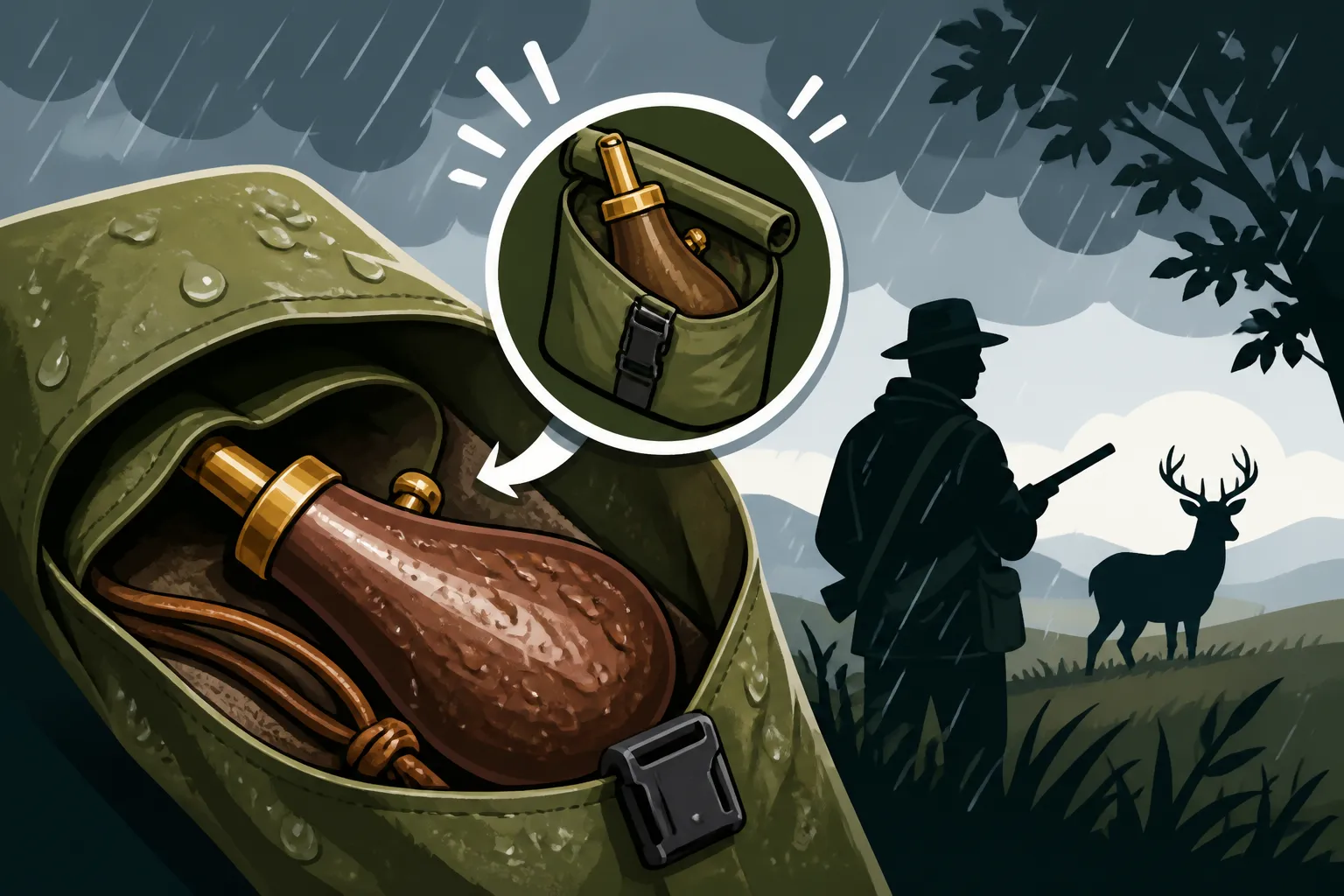
Even if your gun is perfectly sealed, compromised powder or primers are still a recipe for failure. Loose powder should always be stored in an airtight, waterproof container. Mason jars with rubber seals are popular, as are dedicated plastic powder flasks designed to be moisture-resistant. However, relying on a flask in the field can be risky; repeated opening and closing in damp conditions will eventually expose the powder to moisture.
The best practice for hunting is to use pre-measured charges. These can be stored in individual, small, sealed plastic vials or even cut-off sections of plastic drinking straws crimped or melted at both ends. This way, if one charge gets wet, the others are still safe. For primers, a small, hard-sided waterproof case is ideal. A traditional Altoids tin, lined with felt and wrapped in electrical tape, can work in a pinch, but dedicated dry boxes for small components are far superior. Ensure the primers aren't rattling around excessively, as repeated impact can potentially damage them. Having a reliable inventory of dry powder and primers means you can quickly reload with confidence if needed.
The GoHunt Mindset: Meticulous Preparation
The whole philosophy behind platforms like GoHunt isn't just about mapping and finding public land; it’s about a comprehensive approach to hunting. This mindset, stressing thorough preparation and understanding every variable, applies directly to muzzleloader moisture protection. It means not just having the right gear, but using it correctly and consistently. When you’re planning out your Scouting Kentucky Public Land Before Season trips or laying out strategy for Hunting the Kentucky Rut in Early November, a key part of that planning should be a dedicated checklist for your muzzleloader's weatherproofing.
Think about the conditions you expect, and then plan for worse. Will you be crossing a creek? Will you be sitting in freezing rain? Each potential scenario should have a protective measure in place. This isn’t about being paranoid; it’s about being prepared. It's about knowing your equipment inside and out, understanding its vulnerabilities, and taking proactive steps to mitigate them. A hunter operating with the GoHunt ethos leaves nothing to chance, and that includes ensuring their primary tool of the trade will perform when it matters most.
During the Hunt: On-the-Go Protection Strategies
Even the best pre-hunt preparation can only do so much if you don't employ smart tactics while you're actually out in the field. Kentucky's diverse terrain, from the steep, rugged hollers of Eastern Kentucky to the vast, flat bottomlands of the west, presents different challenges. You're constantly moving, sitting, and navigating through various cover, all while trying to keep your valuable powder and primer protected.
Carrying Your Muzzleloader in the Field
How you carry your rifle can make a huge difference. Simply slinging it over your shoulder with the muzzle pointing up is an open invitation for rain, snow, or even heavy dew to run straight down the barrel and into your powder charge. A simple solution is to carry it with the muzzle pointed down. This might feel less traditional or comfortable at first, but it prevents water intrusion significantly.
Another excellent piece of gear is a simple barrel cover. These can be as basic as a piece of electrical tape over the muzzle (just remember to remove it before shooting!), or a small, fitted rubber "condom" style cover. For more comprehensive protection, a quality gun sock made from water-resistant material can keep the entire action and barrel protected while still allowing for quick deployment. Some hunters even fashion custom covers from old pant legs or tarps, secured with bungee cords, to completely encase the critical components when trekking through dense, wet brush or during heavy rain. The goal is to create a physical barrier between your ignition system and the elements.
Keeping Your Body and Gear Dry
While it might seem obvious, staying dry yourself and keeping your entire pack protected indirectly contributes to your muzzleloader's reliability. If you’re soaked to the bone, you’re less likely to maintain proper care of your rifle. Moreover, wet hands can transfer moisture to primers and powder components during a reload. Invest in good quality Rain Gear for a Kentucky Downpour. Waterproof outer layers, including pants and a jacket, are essential. Consider carrying an extra pair of dry gloves in a sealed bag.
Your hunting pack should be waterproof or at least have a good rain cover. This is where you'll store your spare primers, pre-measured powder charges, and any cleaning supplies. A wet pack means wet essentials, and you absolutely cannot afford to have your emergency reloading supplies compromised. Think about how you organize your pack – keeping moisture-sensitive items in dedicated dry bags or waterproof stuff sacks within your main pack ensures multiple layers of protection. This thoughtful approach extends beyond just your gun; it encompasses your entire system.
Handling Sudden Downpours and Stream Crossings
When that sudden Kentucky thunderstorm rolls in, or you encounter a swollen creek that needs to be crossed, panic can set in. But with a bit of foresight, you can manage these situations. If you're caught in a downpour in a treestand, try to turn your body and shield the action of your rifle with your body or a strategically placed piece of gear. If you have a barrel cover, ensure it's on. Some hunters even carry a small, ultralight umbrella specifically for still-hunting in light rain or for short periods in a static position.
For stream crossings, especially if the water is deep enough to reach your rifle, you need a plan. Ideally, you’d unload your muzzleloader before crossing, but that's not always practical in a hunting scenario. If you must cross with a loaded rifle, hold it high above your head, keeping the muzzle pointed down. Better yet, if possible, place it in a truly waterproof dry bag or a dedicated hard case and carry it across separately. Remember that even brief immersion can be enough to ruin your shot, so taking extra precautions around water is always a smart move.
Post-Hunt Care: Preventing Long-Term Damage
The hunt isn't over until your gear is properly put away. Neglecting your muzzleloader after a wet outing can lead to corrosion, rust, and permanent damage to its internal components. Even if you didn't fire a shot, if your rifle was exposed to moisture, it needs immediate attention. This critical step ensures your muzzleloader is ready and reliable for your next adventure, whether you're planning Spring Turkey Hunting in Kentucky or another deer hunt.
Immediate Attention After Exposure
As soon as you get back to camp or home, don't just lean your muzzleloader in a corner. It needs immediate cleaning and drying. First, unload the rifle completely and safely. Remove the breech plug and nipple. Then, meticulously dry every single part. Use clean, soft cloths and paper towels to absorb all visible moisture. Pay special attention to the bore, the breech plug threads, the nipple channel, and the firing mechanism. A hair dryer on a low, cool setting can be surprisingly effective for drying out hard-to-reach internal areas, but be careful not to overheat any components.
Once everything is thoroughly dry, it’s time to apply a good quality rust preventative and lubricant. Generously coat the bore with a rust-inhibiting oil, and apply a thin layer to all metal external surfaces. Don't forget the threads of your breech plug and nipple; a light coat of anti-seize grease or bore butter here will prevent them from seizing up next time. This immediate post-hunt care is crucial for maintaining the longevity and reliability of your muzzleloader. If you're going to use this valuable tool for years to come, taking care of it after every hunt is non-negotiable.
Storage for the Off-Season
For long-term storage, especially if you won't be using your muzzleloader for several months, you need to go a step further. After a thorough cleaning and drying, consider using a dedicated moisture-absorbing product in your gun safe or storage cabinet. Desiccant packets or reusable dehumidifiers can help keep the ambient humidity low, preventing rust and corrosion during extended periods of inactivity.
Store your muzzleloader in a gun sock that breathes, rather than a sealed, non-breathable case, which can actually trap moisture and lead to rust. Ensure it's stored in a consistent environment, away from drastic temperature changes that can cause condensation. By taking these steps, you're not just putting your gun away; you're preserving its condition, ensuring that when the season rolls around again, it's in prime working order, ready to perform when called upon. It's an investment in countless future hunts and memories.
Here’s a quick overview of some moisture-proofing techniques:
| Component | Short-Term Field Protection | Long-Term Storage Protection | Benefits | Drawbacks |
|---|---|---|---|---|
| Muzzle | Electrical tape, rubber muzzle cover | Clean, lightly oiled, breathable gun sock | Prevents direct water entry, quick removal | Tape can leave residue, rubber can be lost |
| Nipple/Primer | Bore butter, Teflon tape, nail polish dab | Thoroughly cleaned, lightly oiled | Seals critical ignition point | Can be messy, some methods add removal effort |
| Powder | Individual sealed vials, waterproof flask | Airtight containers, desiccant packets | Preserves charge integrity, prevents clumping | Flasks can expose powder during use |
| Primers | Small waterproof dry box, sealed bag | Original packaging, dry storage area | Keeps primers dry, prevents misfires | Dedicated boxes take up space |
| Whole Rifle | Water-resistant gun sock, strategic carrying | Oiled, breathable gun sock, dehumidifier safe | General protection from drips and splash | Heavy rain will still penetrate some covers |
Disclaimer
This article is for general informational purposes only and does not constitute professional advice. Laws, prices and regulations vary by location and change over time. Consult a qualified professional for guidance on your specific situation.