Choosing a Muzzleloader for December Cold
Ah, December in Kentucky. You know, that time of year when the breath freezes in the air, the ground alternates between rock-hard frozen and squishy mud, and your fingers feel like they're about to snap off just pulling the truck door handle. Trying to choose the right muzzleloader for these brutally cold conditions can feel like a daunting task, especially when you're dreaming of that late-season whitetail. This guide is here to walk you through everything you need to consider, from legalities to practical features, to ensure your muzzleloader performs when it truly counts, even if it's colder than a well-digger's posterior.
The Unique Challenges of December Muzzleloader Hunting in Kentucky
There’s a reason December muzzleloader season feels different than, say, the crisp days of early muzzleloader in October. The entire environment shifts, and with it, the demands on your gear and your grit. It’s not just about pulling a trigger; it’s about making sure that trigger can be pulled and that the powder will ignite when the thermometer plummets and the rain turns to sleet.
Battling the Elements: Cold, Wet, and Icy Conditions
December in Kentucky brings a whole new level of weather challenges. You might start your hunt with a light drizzle that turns into a freezing rain by midday, coating every branch and surface in a treacherous glaze. Or maybe you're dealing with a biting wind that cuts through layers like a knife, chilling everything to the bone. This isn't just uncomfortable for you; it's a direct assault on your muzzleloader. Moisture is the enemy of black powder and primers, and extreme cold can make metals brittle, plastics stiff, and even affect the consistency of your powder charge. The slightest bit of condensation or moisture infiltration can lead to a misfire, and nothing's worse than having a trophy buck in your sights only to hear a click instead of a bang.
Think about sitting for hours in a treestand during a persistent drizzle. That moisture isn't just hitting your coat; it's finding its way into every crevice of your firearm. Even if your gun is designed to be weather-resistant, prolonged exposure will test its limits. You need a setup that can truly repel the dampness and reliably fire even when the air feels like it's trying to freeze the gunpowder solid. This means considering everything from your bore conditioner to the type of primer you're using.
Late-Season Deer Behavior and Stand Time Needs
By December, Kentucky's whitetails have seen it all. They've dodged archers, run from gun hunters, and are generally much warier than their early-season counterparts. Food sources might be depleted, and deer are often holed up, only moving during specific, often short, windows, or when driven by a bitter cold front. This means your hunting strategy often involves long, silent sits, waiting for that one opportunity. And those long sits amplify the impact of the cold.
If you're out there for six, eight, or even ten hours in near-freezing temperatures, every component of your gear needs to hold up. Your hands, gloved and chilled, need to be able to manipulate the rifle, load it quickly if a second shot is needed, and handle the trigger with precision. Your muzzleloader's stock needs to feel secure and not become overly slick or brittle from the cold. A small design flaw that's tolerable in 50-degree weather can become a critical liability when it's 20 degrees with a wind chill. The patience required for Hunting the Late-Season January Lull means your equipment must be just as patient, and resilient. You can't afford a finicky firearm when a weary old buck finally steps out into your shooting lane.
Understanding Kentucky's Muzzleloader Regulations and Options
Before you even start looking at specific models, it's crucial to understand what's legal and what's not in the Commonwealth of Kentucky. Our state has clear guidelines that govern what constitutes a legal muzzleloader for deer season, and knowing these rules will help narrow down your choices considerably. There's nothing worse than investing in a firearm only to discover it doesn't meet the criteria for the season you intend to hunt.
Legal Muzzleloader Types for Kentucky Deer
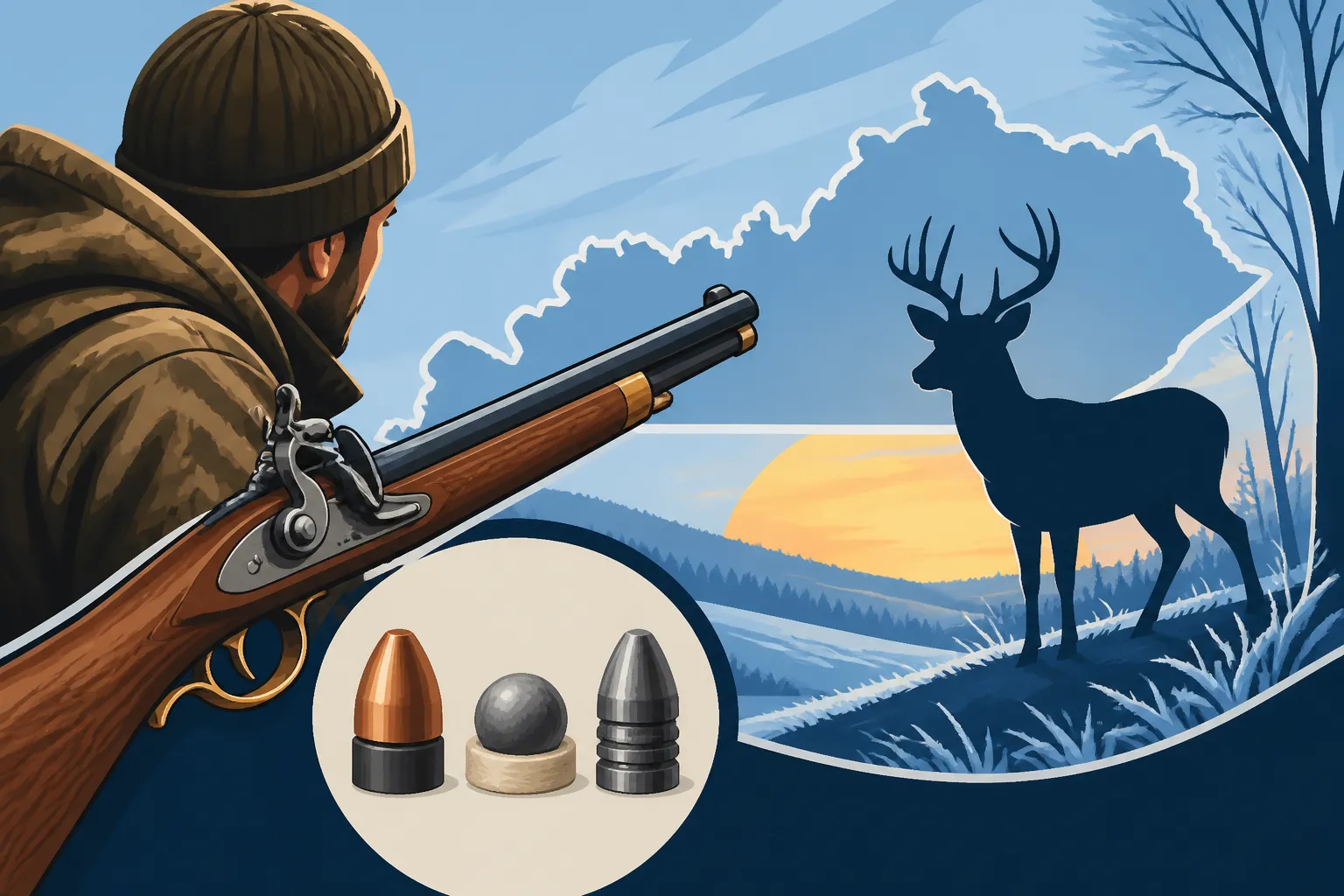
Kentucky's regulations for muzzleloaders are fairly straightforward but always worth reviewing, especially if you're new to the sport or coming from another state. For deer hunting, Kentucky generally permits both traditional cap-and-ball muzzleloaders (often referred to as sidelocks or flintlocks) and the more modern in-line muzzleloaders. The key distinction often revolves around ignition type and whether the projectile is loaded from the muzzle. While some states have specific rules about bore diameter or optical sights, Kentucky is quite accommodating for modern muzzleloaders, allowing most in-line designs. This means you have a wide array of choices, from classic percussion rifles reminiscent of the pioneer days to sleek, modern firearms that offer exceptional accuracy and ease of use.
However, it's always smart to double-check the specific regulations for the current hunting year through the Kentucky Department of Fish and Wildlife Resources (KDFWR). Pay close attention to any nuances regarding projectile types—sabots are typically allowed, but understanding the performance differences between Sabot Versus Conical for Deer is a conversation for later. Also, remember that while most WMAs and public lands allow these general muzzleloader types, there might be specific Hunting a Muzzleloader-Only Primitive Weapons Tract that have stricter rules, often limiting you to traditional open sights and specific powder types. Knowing these distinctions will ensure you're hunting legally and with the right equipment for your chosen location.
The Importance of Reliable Ignition in Cold Weather
Reliable ignition is, without exaggeration, the single most critical factor for a muzzleloader in cold, wet December conditions. All the accuracy in the world won't matter if your powder doesn't ignite. Traditional muzzleloaders typically use percussion caps, which are exposed to the elements more directly. Modern in-line muzzleloaders, on the other hand, almost universally utilize 209 shotshell primers, which are much more powerful and enclosed, offering superior resistance to moisture and cold.
When considering a muzzleloader for December, prioritize a system that seals off the primer and powder as effectively as possible. Many in-line models feature robust breeching systems that completely encapsulate the 209 primer, protecting it from moisture, snow, and ice. This sealed system is a game-changer when you're sitting in a treestand during a freezing drizzle or after a light snowfall. While traditional cap-and-ball rifles offer a truly authentic hunting experience, they demand a much higher degree of diligence to Keeping Powder Dry in Wet Weather. Hunters using traditional firearms often carry their powder and caps in waterproof containers and only load just before they head into the woods, perhaps even wiping down the lock and pan constantly. For a hunter prioritizing a reliable bang every time in December's chill, the modern in-line with a 209 primer system is usually the superior choice.
Key Features to Look for in a Cold-Weather Muzzleloader
When the mercury drops, the reliability of your hunting gear becomes paramount. It's not just about a pretty finish or the latest gadget; it's about practical features that ensure your muzzleloader functions flawlessly when you're out there dealing with numb fingers and frost on every surface. Your December muzzleloader needs to be a workhorse, not a show pony.
Material Selection and Durability
The materials used in your muzzleloader's construction play a huge role in its performance in cold and wet conditions. For the stock, synthetic polymers are often preferred over traditional wood. While a beautiful walnut stock has undeniable appeal, wood can absorb moisture, swell, warp, and even crack in extreme temperature fluctuations. Synthetic stocks, like those found on models from CVA or Traditions, are impervious to moisture, won't swell, and maintain their structural integrity regardless of the weather. They're also generally lighter and more resistant to dings and scratches that are inevitable when traversing slick, icy terrain or thick brush.
For the barrel and other metal components, stainless steel is a fantastic choice for December hunting. Unlike blued carbon steel, stainless steel is inherently corrosion-resistant, which is a huge advantage when you're dealing with constant moisture exposure from rain, snow, or even just heavy morning dew that later freezes. While carbon steel barrels can certainly be effective, they require more meticulous cleaning and oiling to prevent rust, especially after a damp hunt. Many muzzleloaders pair a synthetic stock with a stainless steel barrel for the ultimate in all-weather durability. This combination will give you peace of mind that your firearm can handle whatever Kentucky's late season throws at it, from the chilly ridges of Eastern Kentucky to the damp bottoms of the west.
Ergonomics and Handling with Winter Gear
Think about trying to manipulate a rifle with bulky gloves on. It's a struggle, right? When choosing a muzzleloader for December, ergonomics are incredibly important. You'll likely be wearing thick gloves or mittens, and your fine motor skills will be dulled by the cold. Look for features that accommodate this reality. A larger trigger guard, for instance, allows you to comfortably operate the trigger while wearing insulated gloves without fumbling. Similarly, an easily accessible and generously sized safety mechanism is crucial, as is a breech plug that can be removed and installed without requiring tiny, delicate finger movements.
The overall balance and weight of the muzzleloader also matter, especially if you're still-hunting or carrying it for extended periods. A lighter rifle might be easier to shoulder and carry, but it needs to still feel substantial enough to hold steady for a shot. The texture of the stock, whether it has molded-in checkering or rubber overmolds, can provide a much-needed grip when your hands are cold and potentially wet. When you're researching models, maybe through resources like GoHunt, pay attention to how users describe the feel and handling in adverse conditions. You'll want a rifle that feels like an extension of yourself, even when you're bundled up like the Michelin Man.
Maintenance and Cleaning in Harsh Conditions
No matter how robust your muzzleloader is, proper maintenance is the backbone of reliability, especially during the late season. Black powder substitutes, while easier to clean than traditional black powder, are still corrosive. In cold, damp conditions, moisture can accelerate this corrosive action. Therefore, selecting a muzzleloader that is easy to clean and maintain in the field and back at camp is a significant advantage. Look for models with easily removable breech plugs that can be cleaned without special tools. Quick-release breach plugs are particularly beneficial, allowing you to access and clean the primer pocket and bore quickly.
Some muzzleloaders even feature tool-less disassembly for the breech plug, which is incredibly handy when your fingers are stiff. Investing in a quality cleaning kit designed specifically for muzzleloaders, including bore solvents, patches, and a good bore butter or rust preventative, is non-negotiable. After every hunt, especially if it was wet, a thorough cleaning is essential to prevent rust and ensure your rifle is ready for the next outing. Even if you only fired a single primer, the corrosive residue needs to be addressed. It's a commitment, but one that ensures your investment stands the test of time and performs when the deer of a lifetime steps into view. This diligent approach is vital for any muzzleloader, but particularly so when you’re facing the challenges of Kentucky Late Muzzleloader Tactics.
Recommended Muzzleloader Setups for Kentucky's December Chill
Alright, so we've talked about the challenges and the features to look for. Now let's dive into some practical setups you might consider for battling the December cold and finding success in Kentucky's woods. Whether you lean towards modern convenience or embrace the traditional aesthetic, there's a muzzleloader out there for you.
In-line Muzzleloaders: Modern Performance for Cold
For most hunters prioritizing reliability, ease of use, and accuracy in December's harsh conditions, an in-line muzzleloader is the way to go. These firearms feature a straight-line ignition system where the primer directly ignites the powder charge, offering a very fast and efficient ignition, which is less susceptible to moisture and cold-related misfires. They typically use 209 shotshell primers, which are powerful and enclosed, providing excellent protection from the elements.
Brands like CVA, Traditions, and Thompson/Center are popular choices among Kentucky hunters. The CVA Accura V2, for instance, often features a synthetic stock, stainless steel barrel, and a fantastic trigger, making it a robust and accurate option for late-season hunting. Traditions' Pursuit XT and Nitrofire models also offer excellent cold-weather performance with their durable builds and reliable ignition systems. The ability to use modern projectiles like sabots, coupled with the precision of a scoped rifle, makes these incredibly effective out to ethical muzzleloader ranges. When you're facing those long, cold sits, knowing your rifle is going to perform when you need it most provides an invaluable confidence boost. These modern muzzleloaders simplify the process of Choosing a Muzzleloader for December Cold, offering a blend of traditional loading with modern firing reliability.
Here's a quick comparison of some common features to consider:
| Feature | Traditional Sidelock/Flintlock | Modern In-Line Muzzleloader | Best for December Cold? |
|---|---|---|---|
| Ignition System | Percussion cap / Flint & Pan | 209 Shotshell Primer (enclosed) | In-line (superior moisture protection) |
| Weather Resistance | Requires diligent care, exposed components | High (sealed primer, synthetic stocks) | In-line |
| Cleaning Ease | Can be more intricate, exposed lockwork | Often feature quick-release breech plugs | In-line |
| Accuracy (potential) | Very good, but can be less consistent in bad weather | Excellent, more consistent | In-line (especially with optics) |
| Stock Material | Wood (often susceptible to moisture) | Synthetic (impervious to moisture) | In-line (synthetic) |
| Barrel Material | Blued carbon steel (requires more care) | Stainless steel option (corrosion resist) | In-line (stainless steel) |
| Optics Capability | Limited to open sights (typically) | Easily accepts scopes | In-line |
| Overall Reliability | High with meticulous care | Very high, less weather-dependent | In-line |
Traditional Options: When Authenticity Meets Challenge
Now, for those who truly love the challenge and history of muzzleloader hunting, a traditional sidelock rifle offers an incredibly rewarding experience. These are the classic cap-and-ball rifles, often with beautiful wood stocks and blued barrels, that connect you directly to the hunting heritage of Kentucky. Brands like Lyman, Thompson/Center (with their traditional lines), and various custom builders offer superb traditional muzzleloaders. They use percussion caps or even flintlock mechanisms, requiring a specific set of skills and an intimate understanding of your firearm to ensure consistent ignition.
Hunting with a traditional muzzleloader in December means you're not just battling the deer; you're battling the elements with a firearm that demands respect for its design. You'll need to be extra vigilant about Keeping Powder Dry in Wet Weather, carrying your caps in a waterproof container and perhaps even keeping a small piece of leather or electrical tape over the nipple to prevent moisture ingress. Ignition can be slower and more prone to issues if components are wet or excessively cold. However, for many, the satisfaction of harvesting a deer with such a classic firearm far outweighs these challenges. It forces you to slow down, to be more precise, and to truly master your craft. If you're looking for that deep connection to history and a greater challenge, a traditional muzzleloader can certainly be a viable, albeit more demanding, choice for your December hunt in the Kentucky woods. Just be prepared to put in the extra effort to ensure its reliability.
Disclaimer
This article is for general informational purposes only and does not constitute professional advice. Laws, prices and regulations vary by location and change over time. Consult a qualified professional for guidance on your specific situation.