Hunting the Bluegrass Region
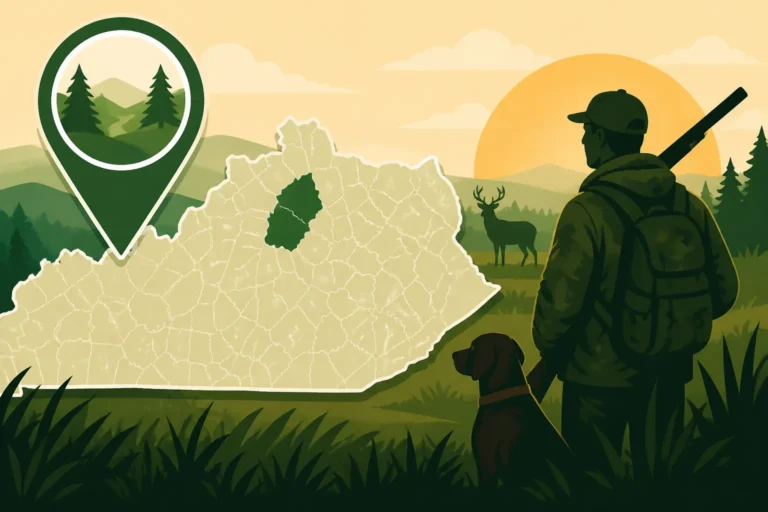
If you've ever felt the frustration of looking at a satellite map of Kentucky, seeing endless green patches, and then realizing most of those are sprawling horse farms or suburban developments, you're not alone. Hunting the Bluegrass Region presents a unique set of challenges compared to the vast public forests of Eastern Kentucky or the river bottomlands of the west. This comprehensive guide will walk you through the realities, strategies, and key considerations for successfully hunting this often-overlooked and highly competitive landscape.
Understanding the Bluegrass Region's Unique Hunting Landscape
The Bluegrass Region of Kentucky isn't like other parts of the state, and that fundamental difference shapes every aspect of hunting here. When you picture hunting in Kentucky, you might imagine dense timber, steep hillsides, or expansive wetlands. While those landscapes certainly exist in the Commonwealth, the Bluegrass has its own distinct character that requires a different approach, a different mindset, and often, a different set of expectations. It's a land of contrasts, where prime agricultural wealth meets pockets of wildness.
Geographic and Ecological Characteristics
The Bluegrass Region is renowned for its gently rolling hills, fertile limestone soils, and abundant spring-fed streams. This geological makeup is what gives rise to the world-famous horse farms and rich agricultural lands. You won't find the rugged, steep terrain of the Cumberland Plateau here, nor the vast, unbroken forests that characterize parts of Daniel Boone National Forest. Instead, you'll encounter a patchwork of manicured pastures, sprawling crop fields—often corn, soybeans, or hay—interspersed with smaller woodlots, thick creek bottoms, and fencerows. These woodlots, while sometimes small, can be incredibly dense, providing excellent cover. The rich soils also contribute to incredible antler growth and body size in deer, given the right conditions and access to nutrition. Hunters accustomed to reading vast tracts of timber for sign might find themselves initially disoriented in this fragmented environment. The subtle changes in elevation, often only a few hundred feet from bottom to ridge, create distinct thermal patterns and wind funnels that are different from those found in truly mountainous terrain.
The abundance of private land, often meticulously maintained, also means that wildlife, particularly deer, can find refuge in areas that are inaccessible or simply off-limits to hunters. This creates pockets of high deer density in unexpected places, right alongside human development. Understanding these ecological nuances is paramount. It means acknowledging that a "woodlot" here might be 20 acres, not 2,000, and that even a small creek bottom can serve as a major travel corridor for deer moving between bedding and feeding areas. The constant interplay between agricultural activity, suburban expansion, and remnant natural habitats defines the hunting challenge and opportunity in the Bluegrass.
Dominant Land Use and its Impact on Hunting
The primary land use in the Bluegrass is agriculture, specifically horse farming, cattle grazing, and row crops. This highly productive land is valuable, both economically and aesthetically. As a result, private land ownership is king, and much of it is not open to public hunting. The landscape is dotted with impressive estates, meticulously fenced pastures, and bustling small towns. This intense human footprint means habitat fragmentation is a significant factor. Wildlife corridors are often restricted to narrow creek drainages, power line easements, or small, isolated blocks of timber that have escaped development.
For hunters, this translates into a dramatically reduced amount of publicly accessible hunting ground. Unlike other regions of Kentucky where sprawling national forests or large WMAs offer thousands of acres, Bluegrass public land often comes in smaller, more dispersed units. This scarcity inevitably leads to higher hunting pressure on what public land does exist, especially during peak seasons like the modern gun opener. Furthermore, the close proximity of residential areas, even within rural landscapes, means hunters must be acutely aware of safety zones, noise considerations, and the general comfort of non-hunting residents. The challenge isn't just finding deer; it's finding where you can legally and ethically hunt those deer without infringing on private property or disturbing the peace. This dominant land use pushes hunters to be more creative, more persistent, and often, more dependent on establishing landowner relationships or navigating the competitive world of private leases.
Navigating Public Land Opportunities in the Bluegrass
Public hunting land in the Bluegrass Region is a precious commodity, often limited in size and scattered throughout the landscape. For hunters accustomed to vast tracts of national forest or extensive wildlife management areas (WMAs) in other parts of the state, the Bluegrass can feel restrictive. However, with careful planning and an understanding of the specific regulations, success on public land is absolutely achievable, albeit often requiring a different approach.
Key WMAs and State Lands
While the Bluegrass isn't known for its expansive public hunting grounds, there are indeed opportunities if you know where to look and what to expect. Areas like Taylorsville Lake WMA, for instance, offer a mix of habitat including timber, fields, and water features, but they also see significant recreational use and hunting pressure. Other smaller state-managed lands or even certain state parks may offer limited hunting opportunities, often through special draw hunts or during specific seasons. These tracts are typically smaller, sometimes only a few hundred acres, and are often linear, following creek beds or old field edges. They rarely offer the expansive, deep woods experience you might find elsewhere. Because of their size and location, deer tend to move in and out of these public parcels, often bedding on adjacent private land and feeding on public land, or vice-versa.
The key to hunting these areas successfully is intensive scouting, often well before the season. You need to identify pinch points, travel corridors, and bedding areas within the public boundaries, understanding that these can change quickly based on pressure or food availability. Don't expect to have a large chunk of ground to yourself; instead, focus on finding overlooked pockets or areas that require a bit more effort to access. Some of these public lands might have specific rules about vehicle access, camping, or even where you can place a treestand, so a thorough review of the KDFWR public land guides is non-negotiable. Remember, these areas are often magnets for local hunters, so being strategic about your entry and exit routes, and hunting during less popular times (like weekdays or later in the season), can significantly increase your odds.
Understanding Regulations Specific to Public Bluegrass Tracts
Hunting on public lands in the Bluegrass often comes with its own unique set of rules and nuances that differ from general statewide regulations. It's not enough to simply have a valid hunting license and deer permit; you need to delve into the specific guidelines for each individual Wildlife Management Area (WMA) or state park you plan to hunt. Many Bluegrass WMAs, especially those closer to population centers, implement special regulations designed to manage pressure and ensure safety. This might include archery-only zones, limited entry periods, or even specific drawing processes for coveted quota hunts. For example, some areas might only allow hunting on certain days of the week, or require specific permits in addition to your general state license, which you can usually find more information about regarding a Kentucky WMA Permit Requirement.
A common regulation in more populated areas is the requirement for additional blaze orange beyond the statewide minimum, or even specific safety zone distances from roads and residences. It's also critical to understand rules regarding treestand placement and removal, ground blind use, and most importantly, how to track and retrieve game, particularly if a wounded animal crosses onto adjacent private property. Neglecting to understand these hyper-specific rules can lead to citations, loss of hunting privileges, or even ethical dilemmas. Before setting foot on any public Bluegrass land, make it a point to download and thoroughly read the specific WMA or state park brochure from the Kentucky Department of Fish and Wildlife Resources website. Knowledge of these regulations, combined with responsible hunting practices, not only keeps you legal but also helps preserve these precious public hunting opportunities for everyone.
The Reality of Private Land Access: Your Best Bet
For most hunters in the Bluegrass Region, private land access is not just an advantage—it's often the only viable path to consistent success. Given the scarcity and high pressure on public lands, gaining permission to hunt private property becomes a critical skill. This pursuit can be daunting, especially if you're new to the area or don't have existing connections. However, the rewards—less pressure, potentially larger deer, and a more intimate understanding of your hunting grounds—are well worth the effort.
Building Relationships with Landowners
The most effective way to secure private land access in the Bluegrass is by building genuine, long-term relationships with landowners. This isn't about knocking on a door the week before archery season and asking to hunt; it's about being proactive, respectful, and willing to offer something in return. Start by identifying properties that show potential for holding deer—small woodlots, creek bottoms, unmaintained edges, or fields bordering dense cover. Then, approach landowners respectfully, perhaps in the off-season, well before hunting season is even a thought in most hunters' minds. A great resource for navigating this is Getting Private Land Permission in Kentucky.
When you speak with a landowner, be clear about your intentions. Explain what you're looking to hunt, when, and how. Offer to help them in return, whether it's mending fences, clearing brush, helping with chores, or simply keeping an eye on their property. Many landowners, especially those with horse farms or livestock, appreciate an extra set of eyes. Be impeccably polite, well-dressed (no camo), and make a strong first impression. Presenting yourself as a responsible, ethical individual who respects their land and property is paramount. Follow up on your promises, and always communicate openly. If you get permission, leave the property better than you found it, report any suspicious activity you might see, and perhaps share some venison if you're successful. A detailed discussion on initial interactions can be found in Asking a Kentucky Farmer for Permission, and it's always wise to clarify if Do You Need Written Permission in Kentucky? is preferred, even if not strictly required by law for your peace of mind. Remember, a landowner's trust is hard-earned and easily lost, so maintain that relationship diligently year after year.
Navigating Leases and Hunting Clubs
In an area where private land is so highly valued and public access is limited, hunting leases and membership in hunting clubs are prevalent, though often costly. For many, this represents the most reliable way to secure consistent access to quality hunting ground. A hunting lease essentially grants you the right to hunt a specific parcel of private land for a set period, usually a year, in exchange for a fee. Prices can vary dramatically based on location, acreage, and perceived quality of hunting. In the Bluegrass, with its fertile soils and potential for large deer, leases can be quite competitive and command premium rates. It's critical to understand exactly what the lease agreement entails: what species you can hunt, how many hunters are allowed, any restrictions on stand placement, vehicle access, or harvest limits beyond state regulations. You might find some helpful context in Kentucky Hunting Lease Costs.
Hunting clubs offer a slightly different dynamic. Members pay annual dues, which collectively fund the lease of land, habitat improvements, and sometimes even shared equipment or lodging. This can be a more affordable entry point than leasing an entire property yourself, but it comes with its own set of rules and social dynamics. You'll likely share the land with other members, so understanding the club's bylaws, stand rotation policies, and ethical standards is crucial. While both leases and clubs offer access, they also require careful consideration of cost, restrictions, and how well they align with your personal hunting style and expectations. Resources like Finding a Kentucky Hunting Lease and Joining a Kentucky Hunting Club can provide deeper insights into navigating these options, helping you weigh the pros and cons to find the right fit for your Bluegrass hunting ambitions.
Target Species and Hunting Strategies for the Bluegrass
While the Bluegrass Region is famed for its horses and bourbon, it also holds a substantial population of game animals. However, the unique fragmented habitat and dominant land use dictate which species are most prevalent and what strategies are most effective for hunting them. Adapting your approach to these specific conditions is key to success in this agricultural heartland.
White-tailed Deer: The Primary Quarry
Without a doubt, white-tailed deer are the primary big game species for hunters in the Bluegrass. The fertile soils and abundant agriculture provide an incredibly rich food source, allowing deer to reach impressive body weights and grow substantial antlers. The adage, "Why the Bluegrass Region Grows Big Bucks," rings true, often due to this nutrient-rich diet and, sometimes, more stringent antler restrictions on private lands. However, these deer aren't easy to hunt. They are often incredibly wary, pressured by hunters on the limited accessible ground, and adept at using small pockets of cover to their advantage.
Hunting strategies in the Bluegrass often revolve around identifying and exploiting transition areas, fencerows, small woodlots, and creek bottoms that serve as travel corridors between bedding areas (often dense cover on private land) and feeding areas (crop fields or pastures). Stand placement is crucial, often on the edges of small timber blocks overlooking fields, or within thick fencerows that deer use for concealment. Stealthy entry and exit are paramount, as deer here are highly sensitive to human presence. Hunters may find success focusing on early morning or late evening sits, catching deer as they move to and from feeding. Understanding wind direction and thermals, even on gently rolling terrain, is vital, as deer will use these to their advantage. Scouting throughout the off-season and leading up to the season opener is paramount to understanding local deer movement patterns, which can shift based on crop rotations or harvest activities. Even in smaller woodlots, paying attention to Reading Kentucky Mud for Fresh Deer Movement can tell you volumes about recent activity.
Small Game Opportunities
Beyond deer, the Bluegrass Region still offers some fantastic opportunities for small game hunting, though again, the fragmented habitat influences where and how you'll find them. Squirrels and rabbits are the most common quarry, thriving in the woodlots, fencerows, and brushy edges that crisscross the agricultural landscape. Gray squirrels are abundant in mature hardwood stands, particularly those with oaks, hickories, and beeches, while fox squirrels prefer more open woodlands and smaller timber blocks often found closer to field edges. Rabbit populations can explode in areas with dense briar thickets, overgrown fencerows, and brush piles—all common features in and around Bluegrass farms.
Hunting these small game species typically involves still-hunting along creek bottoms or within woodlots for squirrels, or pushing dense cover for rabbits, often with the aid of a good dog. While not as widespread as in other parts of the state, some wild turkey populations exist, particularly in larger contiguous woodlots and along major river systems. Fall turkey seasons might offer a chance to harvest a bird, though spring gobbler hunting can be challenging given the fragmented nature of their habitat and potential pressure. Upland birds like quail and grouse are unfortunately much scarcer in the Bluegrass, largely due to habitat loss and fragmentation, making opportunities for them rare.
Utilizing Trail Cams and Scouting on Limited Acreage
When you're hunting smaller, fragmented parcels typical of the Bluegrass Region, every piece of information becomes incredibly valuable. This is where trail cameras and diligent scouting truly shine as indispensable tools. Unlike vast public forests where you might have miles to cover, on a 20-acre woodlot or a narrow creek bottom, you need to know exactly how deer are using every square foot. Trail cameras allow you to monitor these small areas discreetly, providing real-time intelligence on deer movement patterns, preferred travel routes, and even the specific bucks frequenting the property. You can learn when deer are entering and exiting fields, which fencerows they use most, and where they might be bedding in relation to available cover. Knowing Where to Hang a Camera on a Logging Road can provide good insight, even if it's just a farm lane in the Bluegrass.
Scouting isn't just a pre-season activity here; it's an ongoing process. You need to be aware of changes in crop rotations, recent logging (even small-scale), or new development. Walking the edges of woodlots and fields in the off-season, looking for rubs, scrapes, and trails, helps you build a detailed mental map of deer activity. When you combine this on-the-ground knowledge with advanced mapping tools, you gain a significant edge. Using a mapping application like onX Hunt, for example, allows you to meticulously mark property lines, food sources, bedding areas, and potential stand sites. You can study aerial imagery to identify subtle funnels and hidden cover, helping you visualize deer movement before you even step foot on the ground. This kind of detailed, hyper-local intelligence is what allows you to make the most of limited acreage and often pressured deer populations in the Bluegrass, making every hunt more strategic and increasing your chances of success. It's like having an eagle's eye view to help with Reading Aerial Photos for Eastern Kentucky Deer, but applied to a more intricate, smaller scale.
Essential Gear and Tactics for Bluegrass Hunting
Hunting the Bluegrass Region demands a thoughtful approach to gear and tactics, largely due to the unique combination of fragmented habitat, close proximity to human activity, and often highly pressured deer. What works in a sprawling national forest might be entirely unsuitable here. Adaptability and precision are your watchwords.
Adapting Your Setup for Small, Fragmented Parcels
When your hunting grounds consist of small woodlots, narrow creek bottoms, and fencerows, mobility and discreetness become paramount. Traditional, bulky ladder stands or large, permanent box blinds might be impractical or even impossible to place without alerting every deer in the county. Instead, focus on lightweight, portable setups that allow for quick adjustments and minimal impact. Climbing treestands, if the trees are suitable, or saddle hunting setups are excellent choices for Bluegrass timber. They allow you to move in and out quietly, change locations easily based on scouting intel, and utilize smaller trees that might not support other stands. For a deeper dive into stealthy options, consider exploring Saddle Hunting in Kentucky Hardwoods.
Ground blinds can also be incredibly effective, especially when positioned along field edges, within thick fencerows, or tucked into the corner of a woodlot where a prevailing wind allows for a quiet approach. They offer excellent concealment, are less invasive to set up, and provide good protection from the elements. However, they must be brushed in meticulously to blend into the surroundings and require careful thought about entry and exit routes to avoid spooking deer. Understanding Ground Blind Anchoring in Wind is also crucial, as Bluegrass fields can be surprisingly breezy. Whatever your chosen setup, the goal is to be as low-impact as possible, minimizing disturbance, and making your presence virtually undetectable to the wary deer of the Bluegrass. This might mean investing in quieter clothing, packing lighter, and refining your entry and exit strategies to be almost ghost-like.
Dealing with Hunting Pressure and Proximity to Homes
Hunting in the Bluegrass often means hunting in close proximity to other people, whether they are fellow hunters on public land, farm workers, or residents in nearby homes. This environment necessitates an elevated level of awareness, caution, and respect for both safety and courtesy. Hunting pressure, particularly on public land or smaller private tracts, teaches deer to be extremely wary. They become largely nocturnal, using dense cover during daylight hours and moving only under the cloak of darkness or during periods of minimal human activity. This means your tactics need to account for this learned behavior.
Firstly, safety is non-negotiable. Always be aware of your surroundings, know your target and what's beyond it, and adhere strictly to any local or statewide safety zone regulations around buildings. In this environment, it's particularly important to use sound judgment and consider the implications of every shot. Secondly, stealth and low-impact hunting become even more critical. Quiet entry and exit are essential, avoiding roads and trails where possible, and using natural terrain features to mask your movements. Many successful Bluegrass hunters focus their efforts on weekdays or during inclement weather when other hunters are less likely to be out. Understanding that deer here are constantly moving between small patches of cover and frequently crossing property lines also emphasizes the importance of good relationships with surrounding landowners. A deer might bed on one farm, feed on another, and travel a creek bottom that runs through a third, highlighting the interconnectedness of these fragmented habitats.
The Role of Mapping and Planning Tools
In the fragmented and often complex landscape of the Bluegrass, effective hunting relies heavily on detailed mapping and meticulous planning. Relying solely on a general mental map or even outdated paper maps simply won't cut it when property lines are numerous, public land is scarce, and deer movements are dictated by small, specific features. This is where modern digital mapping applications become indispensable. An application like onX Hunt allows you to see precise property boundaries, public versus private land ownership, and often even landowner names, right on your phone or tablet. This is absolutely critical for staying legal, avoiding trespassing, and understanding the surrounding landscape. You can mark your stand locations, potential bedding areas, food sources, and travel corridors, and then use the app's GPS features to navigate silently to your stand in the dark.
Beyond just property lines, these tools offer invaluable satellite imagery that reveals subtle topographic features, changes in timber density, fencerows, and creek lines that might be overlooked on traditional maps. You can scout from your couch, identifying potential pinch points or hidden funnels before ever setting foot in the woods. Additionally, these tools often integrate weather data, including wind direction and thermals, allowing you to plan your approach and stand selection to minimize scent contamination. While GoHunt might be more geared towards large-scale Western draws, understanding the general principles of advanced planning and applying that to Bluegrass-specific public land draw hunts or understanding complex WMA rules is still beneficial. The ability to overlay different map layers—like topography, aerial photos, and public land boundaries—empowers Bluegrass hunters to dissect even the smallest parcel, maximizing their limited opportunities and significantly increasing their chances of success.
Overcoming the Challenges and Finding Success
Hunting the Bluegrass Region is undeniably challenging, but that's part of what makes success here so rewarding. It forces hunters to sharpen their skills, embrace new strategies, and develop a deeper understanding of deer behavior in a human-dominated landscape. It's not about giving up in frustration; it's about persistent adaptation.
Patience and Persistence are Key
The Bluegrass is not a place for the faint of heart or those seeking instant gratification. Success here is a marathon, not a sprint. You might scout a dozen properties before getting permission on one. You might sit for multiple days on a small woodlot before a mature buck makes a mistake. This environment demands a significant investment of time, effort, and patience. Deer, especially older bucks, are incredibly adept at navigating their fragmented world, using every shred of cover and every human-induced distraction to their advantage. They learn human patterns, know when fields are being worked, and understand where sanctuary lies.
Persistence means not just showing up, but also consistently learning. Every sit, whether successful or not, offers clues. Did the wind shift unexpectedly? Did deer skirt a certain part of the woodlot? Did you bump deer on your way in or out? Documenting these observations, perhaps by marking them on your onX Hunt map, helps you refine your approach. It also means being willing to adjust your schedule, hunting during weekdays or embracing less-than-ideal weather conditions when other hunters might stay home. The cumulative effect of consistent effort, even on small parcels, builds a comprehensive understanding of the deer in that specific area, eventually leading to those hard-earned opportunities that make Bluegrass hunting so satisfying. Don't get discouraged by early struggles; view them as lessons in the unique classroom of Kentucky's heartland.
Thinking Outside the Box for Access
When conventional avenues for private land permission or public land opportunities seem limited, Bluegrass hunters sometimes need to get creative. Thinking "outside the box" often involves looking for overlooked or non-traditional hunting scenarios that might exist even in highly developed areas. For example, some suburban areas, faced with overpopulation of deer and related issues like vehicle collisions or landscape damage, might implement special archery-only programs or managed hunts on green spaces, city parks, or larger private properties within city limits. These hunts are often highly regulated, require specific permits, and come with strict rules about stand placement, shot angles, and safety, but they can offer unique, low-pressure opportunities right under people's noses.
Another avenue could be to inquire about nuisance animal permits for landowners experiencing significant crop damage from deer, or even exploring opportunities to hunt wild hogs in counties where they are becoming an issue. While less common, these specific situations can create hunting access where none typically exists. It also means being open to hunting less glamorous areas—a small, swampy thicket nobody else wants to touch, or a narrow strip of woods bordering a busy road where deer feel safe due to human aversion. The key is to constantly be on the lookout, speak with local farmers, wildlife biologists, and even park managers, and never assume that all opportunities are spoken for. Sometimes, the best spots are simply those that require a little more digging, a little more effort, and a lot more polite conversation.
| Feature / Aspect | Public Land (Bluegrass WMAs/State Parks) | Private Land (Farm, Woodlot, Lease) |
|---|---|---|
| Availability | Scarce, often small and fragmented, high competition | More abundant overall, but access is highly restricted |
| Primary Species | White-tailed Deer, some Squirrel/Rabbit, occasional Turkey | White-tailed Deer, some Turkey, Squirrel/Rabbit |
| Hunting Pressure | High, especially during opening weeks | Variable, depends on landowner rules or lease terms |
| Access Difficulty | Legal access points may be limited, need specific permits for some WMAs | Requires landowner permission, often by relationship or lease |
| Habitat Type | Wooded creek bottoms, small timber stands, abandoned fields | Crop fields, pastures, mature woodlots, fencerows |
| Rules & Regulations | Often complex, specific to each WMA, sometimes archery-only | Generally follows statewide regulations, landowner may add rules |
| Cost | License/Permit fees only (sometimes WMA-specific fees apply) | May involve lease fees, hunting club dues, or reciprocal services |
Disclaimer
This article is for general informational purposes only and does not constitute professional advice. Laws, prices and regulations vary by location and change over time. Consult a qualified professional for guidance on your specific situation.