Kentucky Deer Herd Size
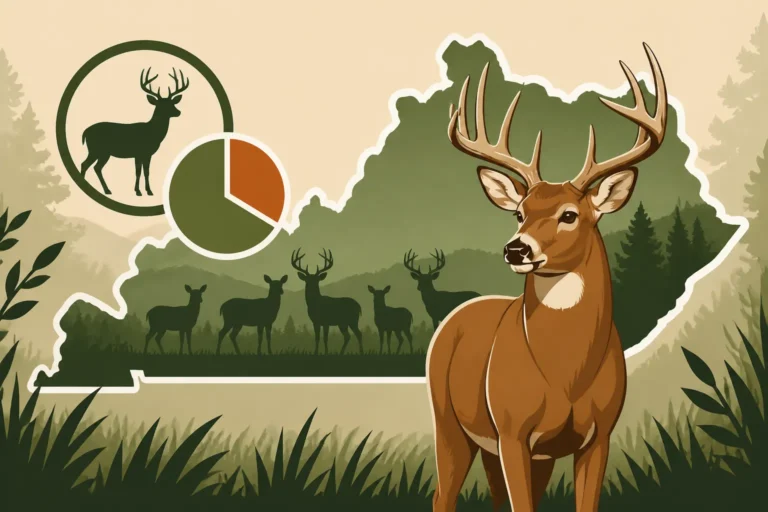
One of the most common questions I hear from fellow hunters, year after year, especially when deer sightings feel a little scarce or wildly abundant, is, "How many deer are actually in Kentucky right now?" It’s a completely understandable frustration because our hunting success often feels directly tied to the overall health and size of the herd. You want to know if those slow days in the stand are just bad luck, or if there's a bigger picture at play with the population. This comprehensive guide is going to pull back the curtain on how the Kentucky Department of Fish and Wildlife Resources (KDFWR) actually determines the Kentucky deer herd size, what factors constantly influence those numbers, and what it all means for you when you're out in the woods.
Understanding Kentucky's Deer Population Estimates
It’s easy to think that estimating the number of deer in a state as large and diverse as Kentucky is purely guesswork, but I can assure you, it’s far from it. The Kentucky Department of Fish and Wildlife Resources puts an immense amount of effort into what they call the Kentucky Deer Population Estimate, using scientific methods to give us the most accurate picture possible. They aren't just counting every deer they see; instead, they're using a combination of data points and sophisticated modeling to arrive at those figures. This isn't just about curiosity; these estimates are absolutely critical for setting hunting seasons, bag limits, and overall deer management strategies across the Commonwealth. Without a solid grasp of the herd's health, we couldn't sustainably hunt year after year, ensuring there are plenty of deer for future generations.
How KDFWR Counts the Herd
When we talk about How KDFWR Counts the Kentucky Deer Herd, we're really talking about a multi-faceted approach. They don't have an army of wildlife biologists walking every acre of land counting deer – that would be an impossible task! Instead, they rely on several key pieces of information, year in and year out.
Firstly, harvest data is huge. Every time a hunter successfully harvests a deer and telechecks it, that information becomes a vital data point. The KDFWR tracks the number of bucks and does harvested, where they were harvested (down to the county level), and even the age of the bucks, which gives insights into the herd's age structure. This voluntary reporting by hunters forms the backbone of their understanding of deer numbers. Think about it: if harvest numbers dip significantly in a particular county for several years running, even with consistent hunting effort, it’s a strong indicator that the local population might be declining. Conversely, rising numbers suggest a healthy or growing population. This raw data from hunters like us is invaluable.
Secondly, they use extensive surveys. These aren't just casual observations; they involve things like landowner surveys where property owners report deer observations, crop damage, and other signs. There are also specialized surveys for things like Kentucky Fawn Survival Rates, where researchers might track fawns to see how many make it through their vulnerable first year. These survival rates are a direct indicator of reproductive success and overall herd recruitment. When fawns aren't surviving at good rates, it can signal problems like high predation or poor habitat conditions, which will eventually impact the adult deer herd size.
Another important piece of the puzzle comes from mortality data outside of hunting, such as roadkill statistics. While nobody likes to see a deer hit on the highway, these incidents provide additional data points on deer density in certain areas. They also look at things like Kentucky Buck-to-Doe Ratio by Region, which helps them assess herd health and breeding potential. A balanced ratio is generally healthier for the herd than one heavily skewed in either direction. All this data is fed into models that estimate the total number of deer, taking into account birth rates, death rates, and various environmental factors. It's truly a complex science that blends hunter participation with professional wildlife management.
Key Factors Shaping Kentucky's Deer Herd Numbers
The number of deer running around Kentucky isn't static; it's a dynamic figure constantly influenced by a complex web of environmental, biological, and human factors. It's like a big, intricate puzzle where every piece affects the others. Understanding these forces helps us appreciate why herd numbers can fluctuate from year to year, and even from one region of the state to another. When you're trying to figure out where to focus your Scouting Kentucky Public Land Before Season, having a handle on these factors can give you a significant edge.
Habitat, Food, and Weather
The very foundation of a thriving deer herd lies in the availability and quality of its habitat and food sources. Kentucky is blessed with incredible diversity, from the fertile agricultural fields of the western part of the state to the dense forests of the eastern mountains, and the rolling hills of the Bluegrass region.
Agriculture, in particular, plays a massive role. Vast fields of corn, soybeans, and alfalfa provide an abundant, high-protein food source that can support very high deer densities in counties with extensive farming operations. Deer in these areas often grow larger and have higher fawn production. Conversely, in heavily forested areas, deer rely more on natural forage, browses, and mast crops like acorns. A poor acorn year, for instance, can stress deer going into winter, potentially leading to lower survival rates or reduced fawn crops the following spring.
Weather is another unpredictable but powerful influencer. Severe droughts can diminish natural food and water sources, weakening deer and making them more susceptible to disease or predation. Conversely, mild winters mean less energy expenditure for deer, leading to higher overwinter survival rates. Extreme cold snaps, especially if they are prolonged and coincide with a lack of food, can also cause localized die-offs, particularly among fawns and older deer. It’s a delicate balance that Mother Nature dictates year after year.
Disease and Predation Pressures
Deer herds, like any wildlife population, are susceptible to various diseases, and some of these can have a profound impact on local or even regional populations. Epizootic Hemorrhagic Disease (EHD) is a prime example in Kentucky. We’ve seen EHD Die-Offs in Kentucky Deer occur periodically, especially during late summer and early fall after periods of drought followed by heavy rains, which create ideal breeding conditions for the tiny midges that carry the virus. EHD can cause significant localized mortality, sometimes wiping out a large percentage of deer in a specific creek bottom or hollow, leaving hunters wondering where all the deer went. While it typically doesn't affect the entire state uniformly, its impact in affected areas can be severe and heartbreaking to witness.
Chronic Wasting Disease (CWD) is another concern, though its impact on overall herd size in Kentucky is still being closely monitored. While the KDFWR is actively working to contain and manage CWD, with efforts like mandatory testing in certain areas, the long-term effects on herd numbers can be significant in areas where prevalence becomes high. Understanding the specifics, like Kentucky CWD Prevalence in Ballard County, helps shape management strategies to mitigate its spread and impact.
Predation, primarily from coyotes, also plays a role in herd dynamics, particularly impacting Kentucky Predator Impact on Fawn Recruitment. While coyotes rarely take down healthy adult deer, they are highly effective predators of fawns. In areas with high coyote populations, fawn survival rates can drop, which directly affects the number of deer that recruit into the adult population in subsequent years. This isn't to say coyotes are "bad," as they are a natural part of the ecosystem, but their presence is certainly a factor in how many fawns make it to their first birthday, and thus, how many deer are available to hunters in the future.
Hunting Pressure and Regulations
As hunters, our activities are directly tied to deer herd management. The KDFWR uses hunting seasons and bag limits as the primary tools to manage the population, aiming for a balance between healthy deer numbers and hunter opportunity.
For example, flexible antlerless deer regulations, especially in some of the more populated deer zones, are designed to keep the doe population in check, which helps prevent overpopulation and habitat degradation. If the doe population gets too high, it can lead to increased disease transmission, reduced fawn health, and smaller body and antler sizes due to insufficient food resources. Understanding Kentucky Deer Management Zone Rules is essential, as these zones dictate how many antlerless deer you can harvest, directly influencing local population control.
Conversely, regulations such as antler point restrictions (though less common statewide in Kentucky compared to some other states) or simply managing the overall length and timing of seasons can influence the age structure of the buck herd. A well-managed herd, one that GoHunt's data often highlights, aims for a healthy balance of mature bucks and does, which is key to genetic diversity and herd resilience. The impact of hunter behavior and the KDFWR's regulations are constantly interacting, showing why we as hunters are so integral to the health and size of Kentucky's deer herd.
Regional Variations: Not All of Kentucky is Equal
When we talk about the "Kentucky deer herd size," it's crucial to understand that this isn't a monolithic number spread evenly across every square mile of the Commonwealth. Kentucky is incredibly diverse geographically, and that diversity directly translates into significant regional differences in deer density, herd health, and even the characteristics of the deer themselves. A buck in the rolling hills of the Bluegrass looks and acts differently than one in the rugged mountains of Eastern Kentucky.
Eastern Kentucky Versus Western Kentucky Deer
This is a classic distinction you'll hear among Kentucky hunters: Eastern Kentucky Versus Western Kentucky Deer. These two regions represent almost opposite ends of the spectrum when it comes to deer habitat and, consequently, deer populations.
Eastern Kentucky, dominated by the Appalachian foothills and the Daniel Boone National Forest, features vast tracts of heavily forested, often steep and rugged terrain. While beautiful, this landscape generally offers fewer high-quality agricultural food sources compared to other parts of the state. As a result, deer densities in Eastern Kentucky tend to be lower. The deer here often have to work harder for their food, traveling more extensively. However, what this region might lack in sheer numbers, it often makes up for in quality for a dedicated hunter. Lower hunter pressure in some of the most remote sections, combined with the challenging terrain, can allow bucks to reach older age classes. These older bucks, despite living in less fertile soil, can still grow impressive racks and are famously wary, making them a true trophy for any hunter. The hunting here is tough, but rewarding.
Western Kentucky, on the other hand, is characterized by its expansive agricultural fields, fertile river bottoms, and more gentle topography. Counties here are often among the top producers in the state for both total deer harvest and big bucks. The consistent, high-energy food sources from corn, soybeans, and winter wheat allow deer to reach their full genetic potential, often leading to higher body weights and larger antler development at younger ages. Deer densities are typically much higher in these agricultural zones. However, with higher densities can sometimes come increased hunting pressure and more challenges with disease transmission in concentrated populations. Hunting here might involve different tactics, such as Hunting Western Kentucky Bottomland Deer or focusing on field edges.
The Productive Bluegrass Region
Sandwiched between the eastern mountains and western farmlands, the Bluegrass Region often surprises hunters with its deer potential. While it might be famous for horses and bourbon, it's also a fantastic place to chase whitetails. The rolling hills, a mix of pastures, woodlots, and smaller agricultural fields, create incredible edge habitat. The limestone-rich soils provide excellent forage, and deer benefit from both natural mast crops and agricultural supplements.
The Bluegrass is renowned for growing big bucks. Many hunters specifically target this region, knowing that Why the Bluegrass Region Grows Big Bucks comes down to a perfect storm of genetics, nutrition, and often, lighter hunting pressure on certain private lands compared to heavily hunted public tracts. While public land opportunities might be scarcer here, permission on private ground can yield some exceptional hunting. Deer densities are often moderate to high, and the blend of habitat types offers diverse hunting challenges.
Analyzing the Data: Kentucky Deer Harvest Records
To truly grasp these regional differences, the KDFWR compiles and releases extensive Kentucky Deer Harvest Records annually. These reports are a treasure trove of information for hunters, breaking down harvest numbers by county, deer management zone, weapon type, and even distinguishing between bucks and does. By delving into these reports, you can see which counties consistently produce the highest number of deer, and which ones might be known for their trophy buck potential.
For example, you might notice that counties in the Green River region consistently have high antlerless harvests, indicating robust populations that can sustain more take. Meanwhile, a mountain county might show lower overall harvest but a higher percentage of older-aged bucks, suggesting a different management approach and hunter experience. Tools like GoHunt often integrate this kind of harvest data, making it easier for hunters to research potential hunting spots and strategize based on historical performance. It's truly eye-opening to see how much the numbers can vary from one side of the state to the other.
What Kentucky's Deer Herd Size Means for You
Understanding the dynamics of the Kentucky deer herd isn't just an academic exercise; it has very real, practical implications for you as a hunter. Knowing the general health and size of the herd can inform your hunting strategy, help you set realistic expectations, and even influence where and when you decide to hunt. It's about empowering you to make more informed decisions in the field.
Adapting Your Hunting Strategy
When you see reports about the Kentucky Deer Herd Size or specific regional trends, it's your cue to adapt. If local populations are thriving, perhaps due to excellent habitat or favorable weather years, you might expect to see more deer movement, potentially allowing for more active hunting strategies. You might also find that bag limits for antlerless deer are more liberal, offering more opportunities to fill your freezer. This is where understanding your specific deer management zone becomes critical, as the regulations are tailored to local herd needs.
Conversely, if a specific area has experienced a significant decline, perhaps due to an EHD outbreak or increased predation, you might need to adjust your expectations and tactics. You might focus more on finding prime food sources that could concentrate the remaining deer, or dedicate more time to pre-season scouting to locate pockets of healthy deer. Sometimes, a lower overall herd size might mean focusing on quality over quantity, perhaps targeting an older, more elusive buck that has survived multiple seasons. Knowledge is power, and knowing the herd's general status allows you to hunt smarter, not just harder.
Interpreting and Using Data
The KDFWR does a fantastic job of providing data, and services like GoHunt aggregate and visualize much of this information, making it accessible. Learning how to truly use Reading a Kentucky Harvest Report is a skill every serious deer hunter should develop. Don't just glance at the total numbers; dig into the county-by-county breakdowns, look at the historical trends, and compare them to your own hunting observations.
For instance, if you hunt in a county that shows a consistent harvest of older age class bucks year after year, it suggests good management and the potential for a mature buck, even if the overall deer density isn't the highest. If you're seeing fewer deer than the harvest reports suggest, it might indicate that your hunting spot isn't holding deer for some reason, or that pressure has shifted them. It’s a feedback loop: your hunting experience informs your interpretation of the data, and the data informs your future hunting plans.
Balancing Expectations and Conservation
Ultimately, understanding the Kentucky deer herd size is about fostering a realistic perspective while embracing our role as conservationists. It's exciting when the herd is booming, and we see lots of deer. It can be frustrating when numbers are down or when you're just not seeing the deer you expect. But knowing why those fluctuations occur—whether it's habitat changes, disease, weather, or management decisions—helps us appreciate the larger ecological picture.
Our hunting licenses and permits directly fund the KDFWR's wildlife management efforts, including the very research that provides these herd estimates. So, every time you buy a license or report a harvest, you're contributing to the health and future of Kentucky's deer. It’s a partnership, really, between the wildlife agency and us, the hunters, to ensure that the rich tradition of deer hunting in Kentucky continues for generations to come.
Disclaimer
This article is for general informational purposes only and does not constitute professional advice. Laws, prices and regulations vary by location and change over time. Consult a qualified professional for guidance on your specific situation.