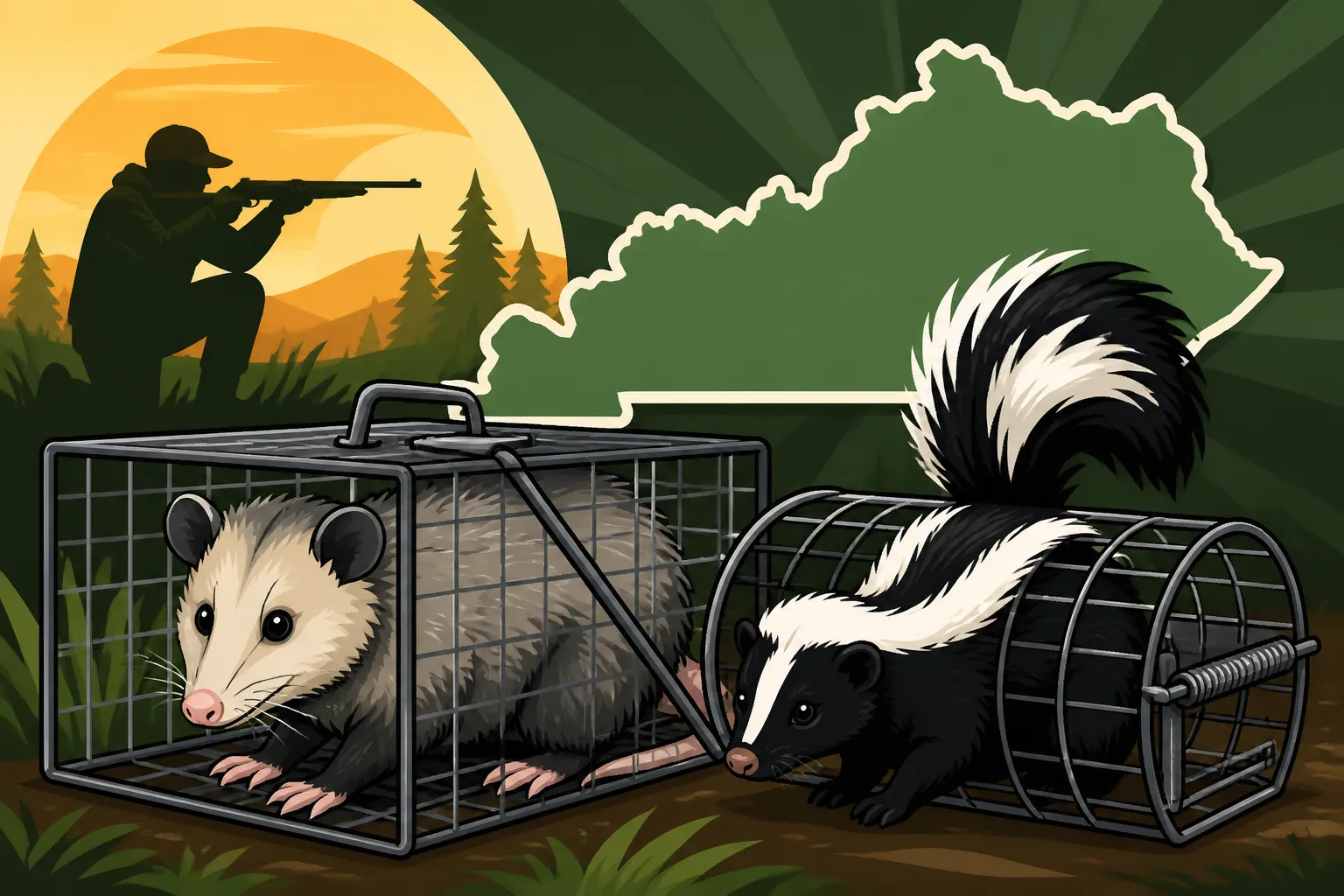
Kentucky Opossum and Skunk Trapping
Few things can disrupt the peace of your Kentucky home or farm quite like a persistent opossum or a skunk that has decided your crawl space is prime real estate. The smell, the potential for disease, and the sheer nuisance of these critters can turn a serene property into a stressful situation. This guide is here to walk you through the ins and outs of safely and effectively trapping opossums and skunks in Kentucky, helping you reclaim your space and peace of mind.
Understanding Opossums and Skunks in Kentucky
Before you even think about setting a trap, it's crucial to understand the animals you're dealing with. Opossums and skunks, while both common nuisance wildlife in Kentucky, have distinct behaviors and characteristics that influence how you approach their removal. Knowing your target will make your efforts much more efficient and, importantly, safer.
Identifying Your Nuisance Animals
Sometimes it's obvious what's causing the ruckus – a skunk waddling across the porch at dusk, or an opossum raiding the garbage can. Other times, it's a mystery. You might just hear rustling in the attic, smell something foul, or notice damage to your garden. That's when you need to play detective. Look for clear signs like tracks, droppings, and specific types of damage. Opossums leave tracks that look almost like tiny human hands, with five widely spread toes and distinct claw marks, especially on the front feet. Skunk tracks are similar to a cat's, but with five toes and claw marks visible, and often a short hind foot that barely reaches the ground. Their droppings are tubular, often containing insect parts or berry seeds, and usually found in noticeable piles.
Beyond physical evidence, consider their habits. Opossums are opportunistic omnivores, meaning they'll eat just about anything – pet food, fallen fruit, garden vegetables, and, of course, your trash. They're excellent climbers, so finding them in attics or on roofs isn't uncommon. Skunks, on the other hand, are infamous for their digging. They'll excavate under porches, sheds, and foundations to create dens, and their conical holes in your lawn are a tell-tale sign they're digging for grubs and insects. The overwhelming, unmistakable skunk odor, of course, is the most obvious indicator of their presence. If you've got that tell-tale sulfuric aroma wafting from under your deck, you know exactly who's calling your place home.
The Legalities of Trapping Opossums and Skunks
Trapping any wild animal in Kentucky comes with its own set of rules, and it's essential to stay on the right side of the law. Generally, if you're trapping furbearers like opossums and skunks during the designated furbearer trapping season, you'll need a valid Kentucky hunting and trapping license. This isn't just a suggestion; it's a requirement. The Kentucky Department of Fish and Wildlife Resources (KDFWR) regulates these activities to ensure sustainable wildlife populations and humane practices. Before you even buy your first trap, make sure you've got your license in hand.
However, things can get a little different if you're dealing with a true nuisance situation outside of the regular trapping season. In Kentucky, homeowners dealing with wildlife causing damage to property, crops, or posing a threat to health and safety often have options to address the issue. For species like opossums and skunks, which are generally abundant, nuisance wildlife control permits might allow for trapping outside of traditional seasons. Still, it's always best practice to consult the KDFWR regulations or even call your local conservation officer to ensure you're compliant. They can provide guidance specific to your situation, preventing any unintended legal issues. Remember, moving an animal from one property to another might be illegal without proper authorization, so understanding Kentucky Trapping License Requirements and other regulations is paramount.
Essential Trapping Methods for Opossums and Skunks
Once you've identified your target and ensured you're legally prepared, it's time to talk strategy. Successful trapping isn't just about setting a trap; it's about smart choices in equipment, bait, and placement.
Choosing the Right Trap
For both opossums and skunks, live traps, often called cage traps or box traps, are generally the safest and most recommended option for homeowners. These traps are designed to capture the animal unharmed, allowing for relocation if permitted, or safe handling prior to dispatch. When choosing a live trap, look for sturdy, all-metal construction, smooth edges to prevent injury to the animal, and a reliable trigger mechanism. A single-door or double-door design can work, but for skunks especially, a solid-sided trap (often called a "skunk box") or a trap that can be easily covered is highly advantageous. This reduces the skunk's ability to see and spray, making handling much safer.
Body-grip traps, like Conibear traps, are also highly effective for furbearers but are generally reserved for experienced trappers due to their powerful closing action and the risk of injury to non-target animals or pets. These traps are designed for quick, humane dispatch, but improper use can be dangerous. For the average homeowner dealing with a nuisance skunk or opossum, stick with a cage trap. Traps sized around 10"x12"x32" are usually appropriate for adult opossums and skunks. Companies like Havahart or Tru Catch offer a range of reliable live traps. When planning your trapping strategy, consider checking out resources on Running a Trapline in Rural Kentucky for broader context on trap types and techniques, even if your immediate goal is a single nuisance animal.
Effective Baits and Lures
This is where you really appeal to their appetites! Both opossums and skunks are opportunistic, but they do have preferences. For opossums, almost anything smelly and readily available can work. Wet cat food or dog food is a classic go-to. Leftover fried chicken, ripe fruit (like bananas or apples), or even a mashed-up marshmallow can be highly enticing. The key is often the aroma – opossums have a keen sense of smell.
Skunks are also attracted to pet food, but they have a particular fondness for protein and sweet treats. Canned sardines, peanut butter spread on a cracker, or even a few marshmallows can be incredibly effective. A common and highly successful bait is a mixture of peanut butter and oatmeal, or a piece of fried chicken. For both animals, placing a small "trail" of bait leading into the trap can increase success. A small piece of bait just inside the entrance, then a larger piece past the trigger plate, encourages them to fully enter the trap. Remember, the goal is to get them to commit, not just sniff around the edges. Utilizing reliable mapping tools, such as those found on GoHunt, can help identify potential denning areas or travel corridors where bait will be most effective, especially if you're trying to determine patterns in a larger property.
Setting and Placement Strategies
The best trap in the world won't catch anything if it's set in the wrong place. Think like the animal. Where have you seen them? Where do you suspect they're denning or feeding? Common hot spots include along fencerows, near woodpiles, under decks or sheds, at the entrance to burrows, or simply along established game trails they might be using. For opossums, if you suspect they're getting into your attic, setting a trap near the entry point on the roof or a nearby tree can be effective.
Once you've identified a prime location, ensure the trap is set on level ground to prevent it from rocking, which could deter a cautious animal. Camouflage isn't always strictly necessary for these less wary critters, but covering the trap with some natural brush or leaves can make it feel more inviting. Most importantly, secure the trap. Animals can be surprisingly strong and resourceful, and a secured trap prevents them from potentially dragging it off or flipping it over if it's not stable. Use a stake or heavy objects to keep it in place. Lastly, minimize human scent on the trap by wearing gloves when handling it. While opossums and skunks aren't as scent-averse as some other animals, it's a good habit to prevent them from becoming wary. Regularly checking your trap, ideally every morning, is not only humane but often a legal requirement.
Handling and Releasing/Dispatching Trapped Animals
So, you've caught something. Now what? This is arguably the most critical and potentially dangerous part of the process, especially when dealing with a skunk. Safety and ethical considerations must be your top priorities.
Safety First: Avoiding Bites and Sprays
When approaching any trapped wild animal, assume it's stressed, scared, and ready to defend itself. Wear thick leather gloves and long sleeves to protect against bites and scratches. For opossums, which might hiss and show their teeth but are rarely aggressive, simply approaching slowly and calmly is usually sufficient. Remember, they're known for "playing 'possum," which means they might feign death. Don't fall for it; they're still alive and can still bite.
Skunks are a different story altogether. The number one goal is to avoid getting sprayed. When you approach a live trap containing a skunk, do so slowly and quietly. Avoid sudden movements or loud noises. The best strategy is to have a large, opaque tarp or piece of cardboard ready. Approach the trap holding the cover in front of you, slowly lowering it over the cage. Skunks will rarely spray something they can't see, so once the trap is covered, they usually calm down significantly. This covered trap can then be carefully carried to a vehicle for transport, or to a suitable location for release or dispatch, greatly reducing the risk of a smelly encounter. You can use mapping tools like GoHunt to mark potential safe release sites if relocation is your plan, ensuring you are aware of land ownership and distance from residential areas.
Ethical Considerations and Local Regulations
The "what to do with it" question is multifaceted. In Kentucky, relocating furbearers, especially across county lines or onto property where you don't have permission, is often restricted or illegal to prevent the spread of disease and to manage wildlife populations responsibly. Before you ever trap an animal with the intent to relocate, check with the KDFWR. They can advise on specific distances, locations, and any required permits. Uninformed relocation can simply transfer your problem to someone else's property or, worse, put the animal in an unfamiliar and dangerous environment where it's unlikely to survive.
| Animal | Common Nuisance | Best Trap Type | Preferred Baits | Handling Note |
|---|---|---|---|---|
| Opossum | Trash raiding, denning, garden damage | Live cage trap (single/double door) | Wet pet food, ripe fruit, marshmallows, fried chicken | Can play dead; wear gloves. |
| Skunk | Denning under structures, digging, odor | Live cage trap (solid-sided or coverable) | Sardines, peanut butter, marshmallows, fried chicken | Approach slowly with cover to avoid spray. |
If relocation isn't an option, or if the animal is sick or injured, humane dispatch may be necessary. This is a somber but sometimes unavoidable aspect of wildlife control. Methods should be quick and cause minimal suffering, and it's something many homeowners prefer to have a professional handle. Always consider the animal's welfare and local laws. If you suspect the animal is injured or diseased, such as displaying signs of rabies (unusual aggression, staggering), do not handle it directly. Contact animal control or the KDFWR for assistance. Knowing Kentucky Wildlife Disease Monitoring protocols can be crucial in these situations.
Post-Trapping Cleanup and Prevention
You've successfully dealt with the animal; now, it's time for cleanup and, crucially, prevention. If a skunk sprayed near your home or den site, you'll need to address the odor. A mixture of hydrogen peroxide, baking soda, and dish soap can be surprisingly effective at neutralizing skunk spray on surfaces (and pets!). Ventilate the area thoroughly, and be prepared for the smell to linger for a while. For den sites, remove any nesting material or debris.
The most important step, however, is to prevent future issues. This means making your property less attractive and accessible. Secure trash cans with bungee cords or weighted lids. Don't leave pet food outdoors overnight. Repair any holes in foundations, under sheds, or around porches. Use heavy-gauge wire mesh (like hardware cloth) buried at least 6-12 inches deep and bent outwards in an L-shape to prevent digging under structures. Trim low-hanging branches that opossums might use to access your roof. By eliminating food sources and sealing up entry points, you make your property far less appealing for the next curious critter looking for a home or a meal. This proactive approach, sometimes called "exclusion," is the long-term solution to nuisance wildlife. You might also find relevant information on controlling other nuisance animals in Kentucky Coyote Hunting Season Rules as many of the principles of habitat control apply.
Disclaimer
This article is for general informational purposes only and does not constitute professional advice. Laws, prices and regulations vary by location and change over time. Consult a qualified professional for guidance on your specific situation.