When Woodcock Migrate Through Kentucky
There’s a quiet anticipation that builds among Kentucky hunters as the leaves begin to turn, not just for deer or turkey, but for a peculiar little bird that often flies under the radar: the American woodcock. Many of us wonder precisely when these elusive migratory birds will grace our thickets and creek bottoms. This guide aims to shed light on the rhythms of their journey through the Bluegrass State, helping you understand when to hit the woods for these fantastic upland game birds.
The Annual Journey: When Woodcock Grace Kentucky's Coverts
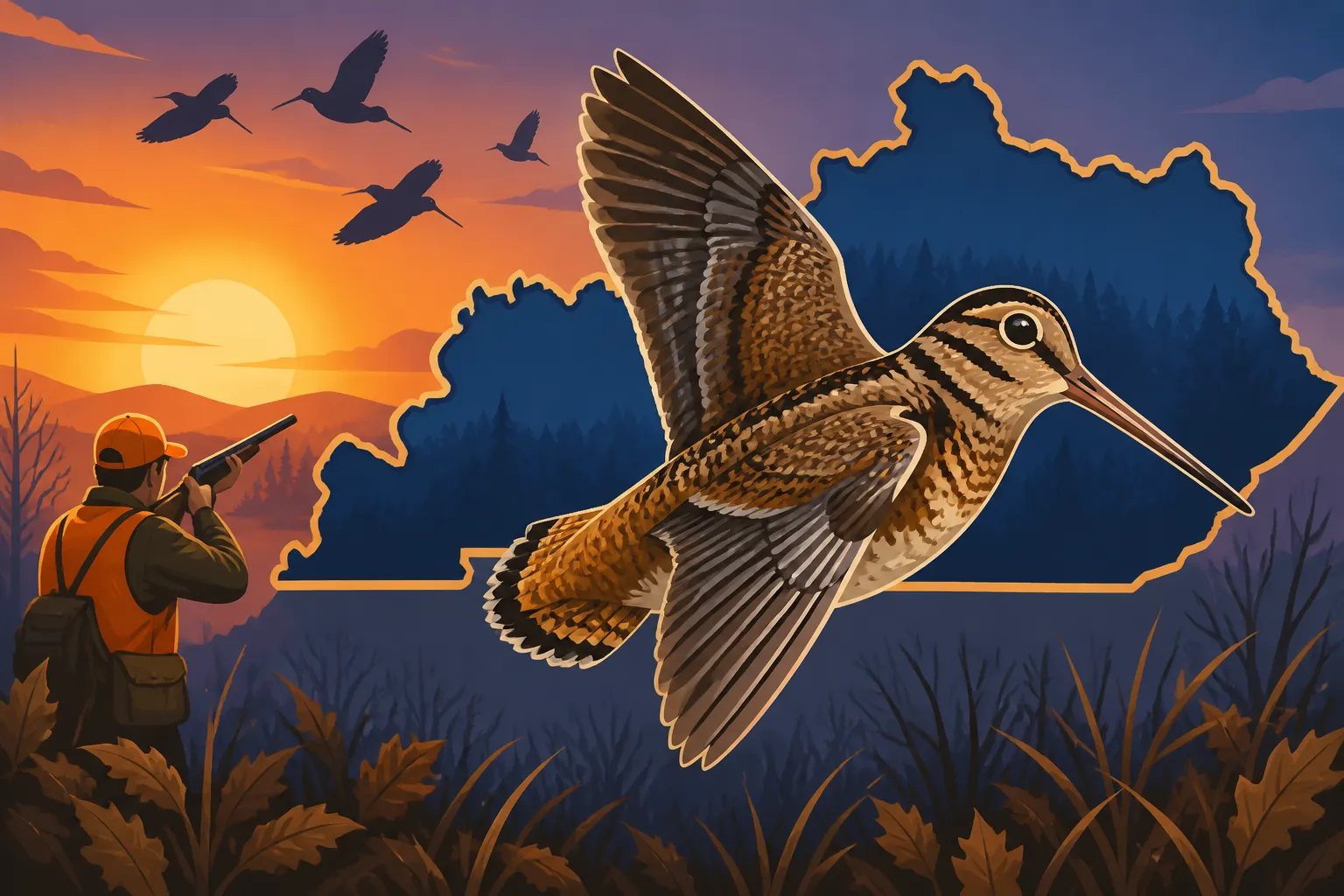
The American woodcock, often affectionately called "timberdoodles," are true migratory birds, spending their summers breeding in the northern states and Canada, and their winters in the warmer climes of the southern U.S. Kentucky sits squarely in their migratory path, acting as a crucial stopover point for these birds as they travel between their breeding and wintering grounds. Understanding when they move through our state isn't an exact science, but it follows predictable patterns largely dictated by the changing seasons and, most importantly, the weather.
You see, these little birds don't just decide to pack up and leave on a whim. Their internal clocks are certainly ticking, but external factors are the real drivers of those southbound flights. It's not like the deer rut, which has a fairly consistent window. Woodcock migration can feel a bit more sporadic, with periods of slow, steady movement interspersed with sudden, dramatic influxes of birds. This makes it both challenging and incredibly rewarding to pursue them. They're looking for specific conditions, and when those conditions are right in Kentucky, our woods can be buzzing with activity.
Unlike resident game birds, woodcock are truly transient visitors. This means that a particular covert you hunt might be absolutely loaded with birds one week and nearly empty the next, only to fill up again with a fresh wave of migrants a few days later. It's a game of timing and being in the right place at the right time, which is part of the allure of chasing timberdoodles. For many of us, the woodcock hunt is less about filling a bag limit and more about enjoying the unique experience of working thick cover with a good bird dog, or even just flushing a few birds on a brisk fall afternoon while scouting for deer. Their erratic flight and surprisingly fast wingbeats make them a challenging target, and their presence signals a true change in the seasons.
Decoding the "Flights": Weather's Influence on Woodcock Arrival
While their internal biological clocks prompt them to begin moving south, the real trigger for significant woodcock migration through Kentucky is almost always a strong cold front originating from the north. These birds rely heavily on soft, moist soil to probe for earthworms, which make up the bulk of their diet. As freezing temperatures begin to grip their northern breeding grounds, the ground hardens, making feeding impossible. This is their cue to move.
A strong cold front, especially one accompanied by persistent northerly winds, acts like a funnel, pushing birds south in waves, or "flights." We're not talking about a trickle of birds; we're talking about a noticeable influx that can transform a quiet patch of woods into a woodcock hotspot overnight. You might be out Squirrel Hunting Kentucky Bottomland Hardwoods one day and not see a single woodcock, then after a severe temperature drop and a day of strong north winds, return to find probing holes everywhere. This is the magic and mystery of woodcock hunting. The timing of these fronts can vary year to year, which is why pinning down an exact date is so difficult. However, generally, we start seeing these significant pushes from mid-October into early November.
It's not just the freezing temperatures up north that drive them, but also the more subtle changes in Kentucky itself. A good soaking rain followed by cooler weather often rejuvenates the soil, bringing worms closer to the surface and making our coverts incredibly attractive to hungry, southbound woodcock. They'll linger where conditions are favorable, feeding and resting before continuing their journey. This is where scouting becomes paramount. Rather than focusing solely on a calendar date, seasoned woodcock hunters focus on the meteorological forecast. When you see that deep dip in temperatures predicted for states like Michigan, Wisconsin, or even Ohio, coupled with strong north winds, you can bet that a new wave of timberdoodles is likely headed our way.
Peak Activity and Prime Hunting Windows in the Bluegrass State
Based on typical weather patterns, Kentucky generally experiences its most significant woodcock migration activity from mid-October through the first two weeks of November. This is the prime window when you're most likely to encounter strong flights of birds. Of course, individual birds might begin trickling through earlier in October, especially in the northernmost parts of Kentucky, and some late-season migrants can certainly still be found into late November or even early December, particularly in the warmer, southern counties if the weather holds mild.
Think of it as a bell curve. The early part of the season in September and early October might see sporadic birds, often local birds that hatched in Kentucky or very early migrants. But as October progresses, and those powerful cold fronts start to sweep down from Canada, that’s when our coverts truly come alive. This peak usually coincides nicely with much of Kentucky's broader hunting seasons, allowing for some fantastic multi-species opportunities. You might be out deer hunting in the morning during the Kentucky Archery Season Dates and then spend the afternoon walking thickets for woodcock. This overlap makes woodcock a wonderful bonus bird for many hunters.
The numbers of birds encountered during this peak migration can vary wildly from year to year. Factors like breeding success up north, the severity of early cold snaps, and even local habitat conditions can all play a role. Some years, it feels like every alder thicket holds a bird. Other years, you have to work a little harder to find them. This variability is just part of the woodcock game. Many dedicated bird hunters keep an eye on national migration reports or use tools provided by services like GoHunt to track larger weather patterns and bird movements, helping them anticipate when the next big push of woodcock might reach Kentucky. Knowing when to expect them is half the battle; the other half is knowing where to find them.
Scouting for Migratory Woodcock: Signs They've Arrived
So, the calendar says mid-October, and a strong cold front just pushed through – now what? The next step is to get out into the field and look for the tell-tale signs that woodcock have arrived. These birds leave very specific and easily recognizable evidence of their presence, which is invaluable for confirming their arrival.
The most obvious sign is their probing holes. Woodcock have long bills perfectly adapted for probing soft, moist soil in search of earthworms. These holes are typically pencil-sized, often clustered together in areas where they've been feeding heavily. You'll find them in moist, rich soil, often under dense cover. Look for them along creek bottoms, damp field edges, in young sapling thickets, or even in dense stands of multiflora rose. If you find an area peppered with these holes, you know woodcock have been there, or are still there. It's like finding a fresh scrape line for deer; it's a clear indicator of recent activity.
Another unmistakable sign is their splatter. Woodcock droppings are quite distinctive. They are typically white, chalky splatters, sometimes with a darker center, that stand out against the dark leaf litter or moss. These are often found near their probing holes or in areas where they've been loafing. If you're walking through likely cover and spot these white splatters on the ground or on low-lying vegetation, you've found a woodcock haven. These signs are often more reliable than simply seeing a bird, as woodcock can be incredibly camouflaged and hold extremely tight, making them hard to spot until they flush. Tools like GoHunt's mapping features can help you identify areas with the right topography and vegetation density to focus your scouting efforts, saving you precious time in the field.
When you're out looking for these signs, focus on areas with a mix of dense, young woody cover (like saplings, sumac, or briar patches) and proximity to moist ground. Hunting Western Kentucky Bottomland Deer might put you in prime woodcock habitat. Good woodcock cover is generally less mature timber and more thick, brushy areas that offer both concealment and easy access to soft earth. They often prefer areas with small openings or edges within these thickets, where sunlight can warm the soil and promote worm activity. You don't need vast tracts of land; sometimes a small, overlooked creek bottom or a regenerating clear-cut can hold a surprising number of birds. Remember to check the Kentucky Woodcock Season Dates before heading out to ensure you're hunting during the open period. Getting familiar with these migration indicators will significantly increase your chances of finding these fascinating birds during their brief stay in Kentucky.
Strategic Hunting During the Migration Windows
Knowing when woodcock migrate through Kentucky is one thing, but knowing how to capitalize on that knowledge is where the real fun begins. The migratory nature of woodcock means that consistent scouting and adapting your strategy to current conditions are far more important than rigidly sticking to a calendar date.
When you anticipate a flight (based on those northern cold fronts we talked about), dedicate time to scouting newly accessible coverts. A spot that was barren a few days ago could be brimming with birds after a significant weather event. Pay close attention to temperature drops and any prolonged periods of rain, as both can lead to ideal ground conditions for woodcock to stop and feed. Hunting right after a front has pushed through, especially if it's brought some moisture, can be incredibly productive. These birds will be hungry and looking for prime feeding spots. You might find them in areas you typically wouldn't consider, so be open to exploring new ground.
Another key aspect of hunting migratory woodcock is being prepared for their tight holding nature. These birds often won't flush until you're nearly on top of them, and sometimes not even then if they feel completely concealed. This is where a good bird dog truly shines, but even without one, methodical walking and pausing can produce flushes. Work through cover slowly, paying attention to every rustle and shadow. Their flight is typically short and erratic, making snap shooting skills invaluable. Consider your gear: a lightweight shotgun with an open choke is often preferred, and Barrel Length for Walking Thick Cover can be a factor. A good Upland Vests With Water Capacity is also key for those long walks in thick cover. And don't forget your Kentucky Migratory Bird Certification, which is required along with your hunting license and federal duck stamp if you are 16 or older and hunting migratory birds.
Lastly, remember that woodcock habitat is often intertwined with other game species. You might find yourself walking through a prime woodcock covert while also scouting for deer sign or looking for squirrels. This multi-species opportunity adds an extra layer of enjoyment to the hunt. If you're a deer hunter, an autumn woodcock hunt can be a great way to stay active and learn new areas of the woods without putting pressure on your primary deer stands. It's all about experiencing the rich tapestry of Kentucky's outdoors and making the most of every season that comes our way.
Disclaimer
This article is for general informational purposes only and does not constitute professional advice. Laws, prices and regulations vary by location and change over time. Consult a qualified professional for guidance on your specific situation.