Canada Geese on Kentucky Farmland
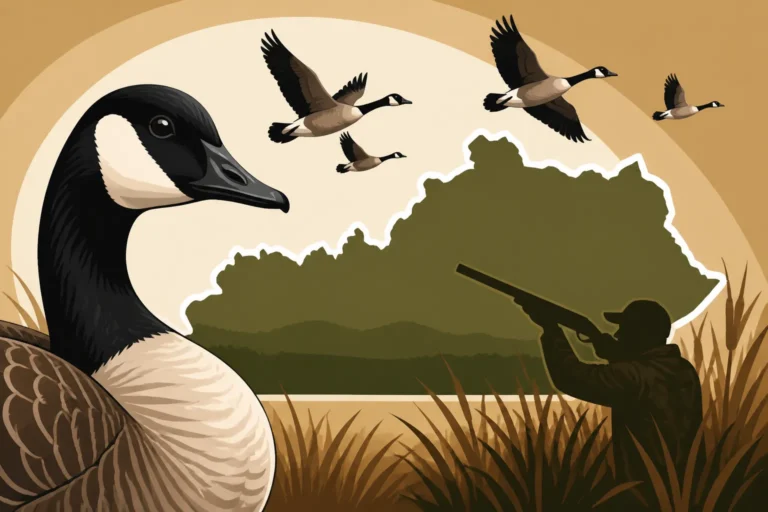
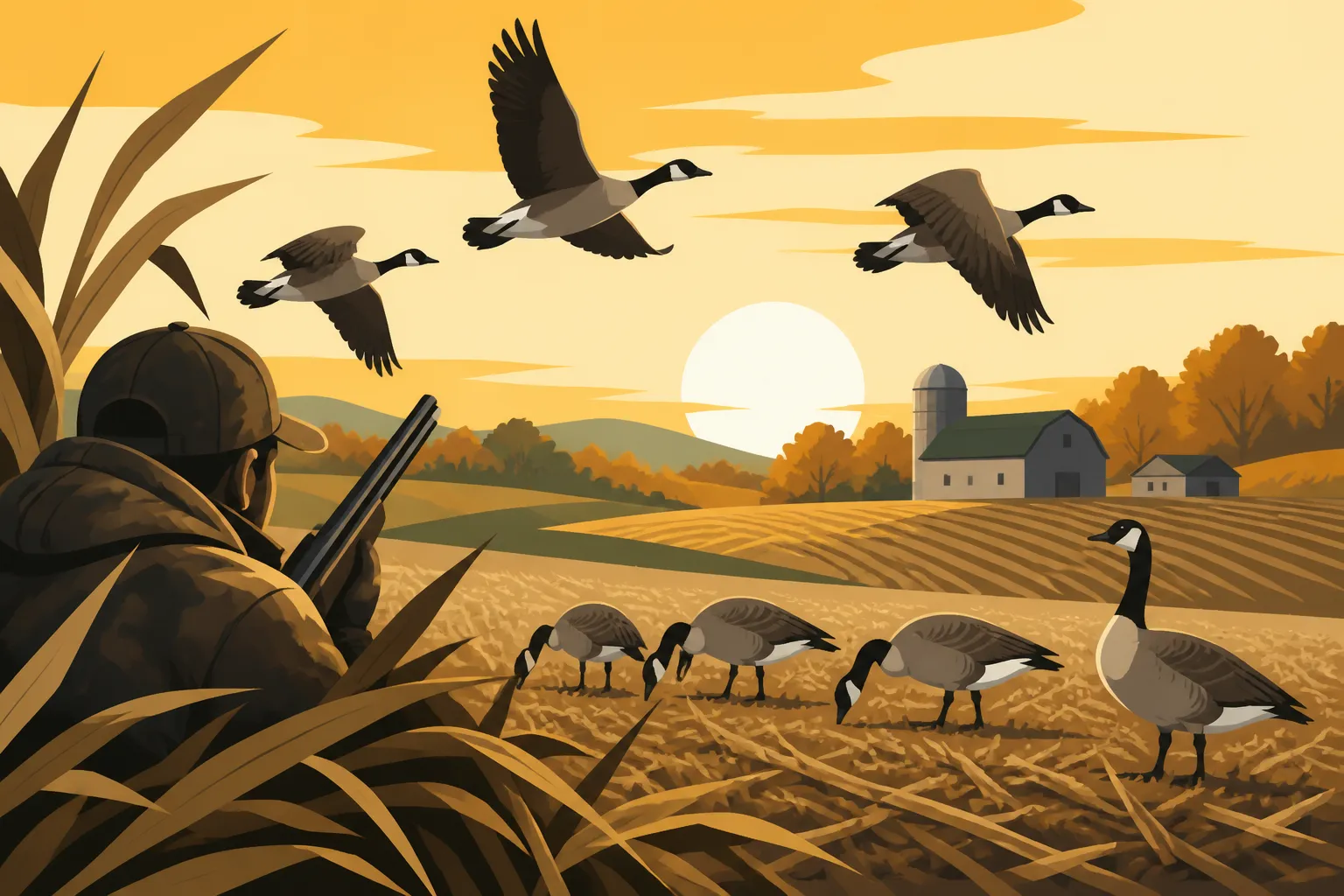
For many Kentucky hunters, the sight of Canada geese isn't confined to vast lakes or rivers; these big birds have developed a real fondness for our rich agricultural lands. It can be frustrating to know the geese are out there, filling fields, but not quite understanding how to effectively hunt them in this unique environment. This guide will walk you through the nuances of targeting Canada geese on Kentucky farmland, from understanding their habits to mastering field tactics and essential gear.
Understanding the Canada Goose Presence in Kentucky Farmland
Kentucky's landscape, with its rolling hills, fertile river bottoms, and expansive crop fields, provides an irresistible buffet for Canada geese. While many hunters traditionally think of waterfowl as inhabiting major water bodies, these intelligent birds have adapted remarkably well to a more terrestrial existence, feasting on waste grain and tender shoots. This shift in behavior presents both challenges and fantastic opportunities for hunters willing to adjust their approach.
Why Geese Love Farmland
Imagine being a goose. You spend your nights safe on a large body of water like Kentucky Lake or a secluded farm pond. But come daylight, your stomach starts to rumble. What's more appealing: diving for submerged vegetation or waddling into a freshly harvested cornfield, where easy, calorie-rich kernels litter the ground? It's a no-brainer. Kentucky's farms offer an abundant, readily accessible food source that requires minimal effort to obtain.
Beyond the food, farmland often provides expansive, open areas that offer excellent visibility, making it harder for predators – including hunters – to sneak up unnoticed. Fields also provide essential grit for their digestive systems and, in some cases, fresh green browse in winter wheat or rye. This combination of food, safety, and resources makes agricultural fields not just a pit stop, but often a primary destination for feeding geese, leading to significant populations taking up residence or making regular stops during migration.
Resident vs. Migratory Populations
When we talk about Canada geese in Kentucky, we're really discussing two distinct populations that often overlap. There are the true migrants, birds that breed further north in Canada and the northern U.S., passing through or wintering in Kentucky as part of the massive Mississippi Flyway. These birds follow age-old routes, often arriving in large numbers after a cold snap pushes them south, and can be unpredictable in their movements as weather patterns shift. Their arrival can often kick off some fantastic hunting, especially in western Kentucky.
Then there are our resident geese. These are the birds that breed right here in Kentucky, often around urban parks, golf courses, or private farm ponds, and they don't migrate far, if at all. They've learned the local landscape, know the safest roosting sites, and have a deep understanding of which fields offer the best feeding. Hunting these resident birds can be a different game, as they tend to be highly educated and pressure-sensitive. They've seen it all, from combines to coyotes, and they're quick to pick up on anything out of the ordinary. Understanding which population you're hunting can greatly influence your tactics and expectations.
Scouting for Success on Kentucky Farm Fields
You can have the best gear and calling skills in the world, but if you're not where the geese want to be, you're not going to fill your limits. Scouting is, without a doubt, the most critical element of successful farmland goose hunting. These birds are creatures of habit, but those habits can change daily based on weather, feeding pressure, and available food sources. Diligent observation is your secret weapon.
The Importance of Field Observation
Effective scouting is all about putting in windshield time and using your eyes, and sometimes, your ears. Geese are loud, and you can often hear them long before you see them, especially on foggy mornings or evenings. Drive the back roads around known roosting areas or prime agricultural zones, looking for fields where geese are actively feeding. You're not just looking for geese; you're looking for evidence of geese. Fresh droppings, tracks in soft dirt, and disturbed stubble are all tell-tale signs.
Pay close attention to where in the field they are feeding. Are they on a specific ridge? Tucked into a corner near a woodline? Out in the wide-open middle? Note their entry and exit paths, too. Do they always land on the far side and walk in, or do they set down right in the thick of things? Observe how they react to passing vehicles or local disturbances. This level of detail will inform your decoy spread and hiding strategy. Remember, the goal is to find the exact "X" where they want to be, not just a general field. Early morning and late afternoon are prime times for observation, as geese move between roosting and feeding areas.
Utilizing Mapping Tools and Local Knowledge
In today's hunting world, technology can be a huge advantage for scouting. Satellite imagery from platforms like GoHunt or other mapping apps can reveal a wealth of information. You can identify crop types, locate potential roosting ponds, spot hidden field corners, and plan your access routes long before you ever set foot on the ground. Look for patterns: where do the harvested cornfields meet winter wheat? Are there large power lines or isolated trees that geese might use as landmarks? These tools are especially helpful when you're exploring new territory or trying to expand your hunting zones, giving you an overhead perspective that's impossible to get from the road.
Don't underestimate the power of local knowledge, either. Friendly conversations with farmers, land managers, or even other reputable hunters can provide invaluable insights. They might know which fields held birds last week, where a new crop rotation has happened, or which landowners are open to granting permission. Building these relationships is not only courteous but often essential, as most prime farmland is privately owned. It's a critical step in Getting Private Land Permission in Kentucky, which is often the gateway to the best field hunting.
Proven Tactics for Hunting Geese Over Fields
Once you've identified the "X" where geese want to be, it's time to set up your ambush. Field hunting Canada geese is an art form, requiring attention to detail, patience, and a bit of cunning. Unlike ducks, geese are large, visually acute, and highly suspicious, especially after they've been hunted a few times. Your goal is to create an illusion of safety and abundance.
Decoy Spreads and Positioning
The heart of any successful field goose hunt is your decoy spread. You're trying to mimic a flock of contented, feeding geese, inviting passing birds to join them. This typically means a spread dominated by full-body or shell decoys, ideally with a mix of feeders, sentries, and a few preeners to convey a relaxed atmosphere. Head positions are key: mostly feeders, with a handful of upright sentries looking for danger.
A common mistake is placing decoys too close together. Geese like space, and a tight cluster looks unnatural and alarming. Spread them out, leaving plenty of landing zones within your spread. Create a "kill hole" or landing strip directly in front of your blind, perhaps 15-25 yards out, where you want the geese to finish their approach. Some hunters use a "J" or "U" shaped spread, with the open end facing into the wind, guiding geese right into the pocket. Consider placing a few "outlier" decoys further out to act as confidence birds, signaling safety from a distance. For more specific ideas, comparing your setup to what's used for Decoy Spreads for Kentucky Lake Divers can give you different perspectives on attracting birds.
Hiding from Sharp Eyes
Geese have incredible eyesight. If they spot you or your blind, your hunt is likely over before it begins. Layout blinds are the standard for field hunting for a reason: they allow you to lie low, becoming virtually invisible amidst the stubble. Make sure your blind is brushed in meticulously with natural vegetation from the surrounding field. Take your time. Grab corn stalks, cut wheat stubble, or whatever is available, and weave it into the blind's camouflage straps.
Beyond the blind, pay attention to every detail. Wear drab, field-appropriate camouflage or dark earth tones, even if you're inside a blind. Any exposed skin, especially a pale face or hands, can flare birds. Gloves and face masks are non-negotiable. Don't fidget, don't peek out of the blind until the very last second, and coordinate your calls with your hunting partners. Even a subtle movement can be enough to send a flock spiraling away. Remember the wisdom from Layout Blind Hunting Western Kentucky Fields—the better you hide, the closer they come.
Effective Calling Strategies
Goose calling is about communication, not just making noise. While a loud hail call can grab attention from distant birds, your goal is to reassure them as they approach. Once they've committed and are heading your way, switch to softer clucks, murmurs, and feeding calls. This tells them, "Come on down, the food is good, and it's safe here!"
Understanding the cadence and rhythm of geese is crucial. It's often a mix of short bursts, soft honks, and contented clucks. Don't overcall; let the birds work, listening for their responses. If they're talking to you, keep the conversation going. If they go silent, you might want to ease off the call or try a different tone. Having a variety of calls—short-reed, long-reed, flute—can give you options to match the mood of the geese. Team calling with partners can sound more realistic, simulating a larger flock, which is especially effective for Early Goose Season Tactics in Kentucky.
Essential Gear for a Productive Farmland Goose Hunt
Just like any specialized hunting pursuit, targeting Canada geese on farmland requires specific gear to maximize your chances of success and comfort. You're often dealing with cold, wet, or muddy conditions, long waits, and the need for stealth. Investing in the right equipment isn't just about effectiveness; it's about making the experience enjoyable, even when the birds aren't cooperating.
Blinds, Decoys, and Clothing
Your primary piece of gear, after your shotgun, will likely be a good layout blind. Look for one that's comfortable, easy to brush in, and durable enough to withstand repeated setup and breakdown in varying weather. Models from brands like Avery, Final Approach, and Rogers are popular choices, known for their low profile and effective concealment. For decoys, full-body decoys offer the most realistic look and are a must-have for serious field hunters. You'll need a good number, often 2-4 dozen or more, to create a convincing spread. Shell decoys or wind socks can supplement a full-body spread, adding bulk and movement without breaking the bank.
When it comes to clothing, layering is key. You'll be lying still for extended periods, so warmth is paramount. Start with good base layers, add insulating mid-layers, and top it off with a waterproof, windproof outer layer in a camouflage pattern appropriate for the stubble fields. Don't forget a warm hat, gloves, and a face mask. Waders for Flooded Timber Hunting might seem overkill, but waterproof boots or chest waders are often necessary for navigating muddy fields or setting up near flooded ditches.
Here's a quick comparison of common decoy types for field hunting:
| Decoy Type | Pros | Cons | Ideal Use |
|---|---|---|---|
| Full Body | Most realistic, excellent visibility | Bulky to transport, heavier, more expensive | Primary confidence birds, "kill hole" decoys |
| Shell Decoy | Lighter, stackable, more affordable | Less realistic profile, prone to wind tip-over | Filler, adding numbers to a spread |
| Windsock | Very light, compact, creates movement, cheap | Least realistic, can look unnatural in low wind | Adding motion and numbers from a distance |
| Silhouette | Flat, lightweight, easy to transport and store | Two-dimensional, loses realism from certain angles | Supplementing a full-body spread, edge birds |
Shotguns, Ammunition, and Dog Considerations
For shotguns, a 12-gauge is the overwhelming favorite for goose hunting. Its versatility with a wide range of loads makes it ideal. A 3-inch or 3.5-inch chamber gives you options for heavier payloads, and a modified or improved modified choke is a good all-around choice. Brands like Benelli, Browning, and Remington offer reliable waterfowl shotguns. As for ammunition, steel shot is legally required for waterfowl. You'll typically want larger shot sizes like BB, BBB, or T-shot to deliver enough energy to bring down these tough birds. Heavier loads with higher velocities are often preferred.
Finally, consider a retriever. A well-trained dog can be an absolute game-changer, especially when hunting vast fields. Geese often fall far from where they were shot, or might sail a considerable distance after being hit. A dog not only ensures quick recovery but also minimizes lost birds, which is crucial for ethical hunting. Retrieving birds from cold, muddy fields is hard work, and a dog's enthusiasm and nose can save you a lot of effort. Just be sure your dog is well-trained to stay still and quiet in the blind until released, as any premature movement can spoil the hunt. For those looking to understand the broader legal framework around waterfowl, getting familiar with the Kentucky Duck and Goose Zone Rules is essential.
Navigating Regulations and Landowner Relationships
Hunting Canada geese on Kentucky farmland isn't just about understanding the birds; it's also about understanding the rules and, perhaps most importantly, respecting the land and its owners. Failure to do so can quickly lead to lost opportunities and give hunters a bad name.
Understanding Kentucky's Goose Regulations
Kentucky's waterfowl regulations can be complex, especially with different zones and specific season dates for geese. It's absolutely crucial to consult the current Kentucky Department of Fish and Wildlife Resources (KDFWR) hunting guide every season. Pay close attention to the specific goose seasons, which may differ from duck seasons, and the bag limits. These can change year to year based on population surveys and management goals. For a detailed overview, check out Kentucky Waterfowl Zones and Seasons.
Beyond season dates and bag limits, remember to understand shooting hours, which typically run from one-half hour before sunrise until sunset. Also, be aware of any special restrictions that might apply to certain public lands or wildlife management areas, such as those covered when Hunting Land Between the Lakes Waterfowl. Always ensure you have the proper licenses, including a Kentucky hunting license, a statewide deer/turkey permit (if required for other species during the season), a Kentucky Migratory Bird-Waterfowl Permit, and a Federal Duck Stamp. It’s also important to have your Kentucky Migratory Bird Certification current. Failing to have any of these can lead to fines and loss of hunting privileges.
Building Trust with Farmers
Gaining access to prime farmland is often the biggest hurdle for goose hunters. Most of the best fields are privately owned, and farmers are understandably protective of their land, their crops, and their livestock. This is where building trust and rapport becomes paramount. Don't just show up on opening day asking to hunt; try to establish contact well in advance of the season. A simple knock on the door, dressed presentably, explaining your intentions and offering to help out with small tasks around the farm can go a long way.
Be respectful of their property. Drive only on designated access roads, close all gates, pick up all your spent shells, and leave no trash behind. If you harvest birds, offering some cleaned goose meat as a "thank you" can make a lasting positive impression. Always follow their specific rules, whether it's about where you can drive, what time you can arrive, or which fields are off-limits. Tools like GoHunt can help you identify landowner boundaries, making it easier to research and approach property owners respectfully. Remember, you're a guest, and your actions reflect on all hunters. Cultivating a good relationship with one farmer can often lead to access on other properties through their network, opening up even more opportunities.
Disclaimer
This article is for general informational purposes only and does not constitute professional advice. Laws, prices and regulations vary by location and change over time. Consult a qualified professional for guidance on your specific situation.