Kentucky Wildlife Rehabilitation for Injured Game
It's heartbreaking to be out in the beautiful Kentucky wilderness, enjoying a peaceful day, only to stumble upon an injured wild animal. That immediate pang of concern, the desire to help, can be overwhelming, but knowing how to help without causing more harm is crucial. This guide will walk you through the proper steps for assisting injured game and other wildlife in Kentucky, connecting you with the resources needed for ethical and legal intervention.
Understanding Wildlife Rehabilitation in Kentucky
Coming across an injured deer, a stunned turkey, or even a baby bird that's fallen from its nest can trigger a powerful instinct to step in. However, the world of wildlife rehabilitation is far more nuanced than simply picking up an animal and taking it home. Kentucky has specific regulations and a network of dedicated professionals for a reason: wild animals are not pets, and their needs are highly specialized.
The goal of wildlife rehabilitation isn't just to save an individual animal, but to ultimately return it to its natural habitat, capable of surviving on its own. This means that rehabilitation isn't always possible, or even ethical, for every animal. Sometimes, the kindest act is to leave an animal undisturbed or, in severe cases, to ensure its suffering is ended humanely by authorized personnel. It's a tough reality to face, especially when your heart wants to do everything.
When to Intervene: Knowing the Signs of Distress
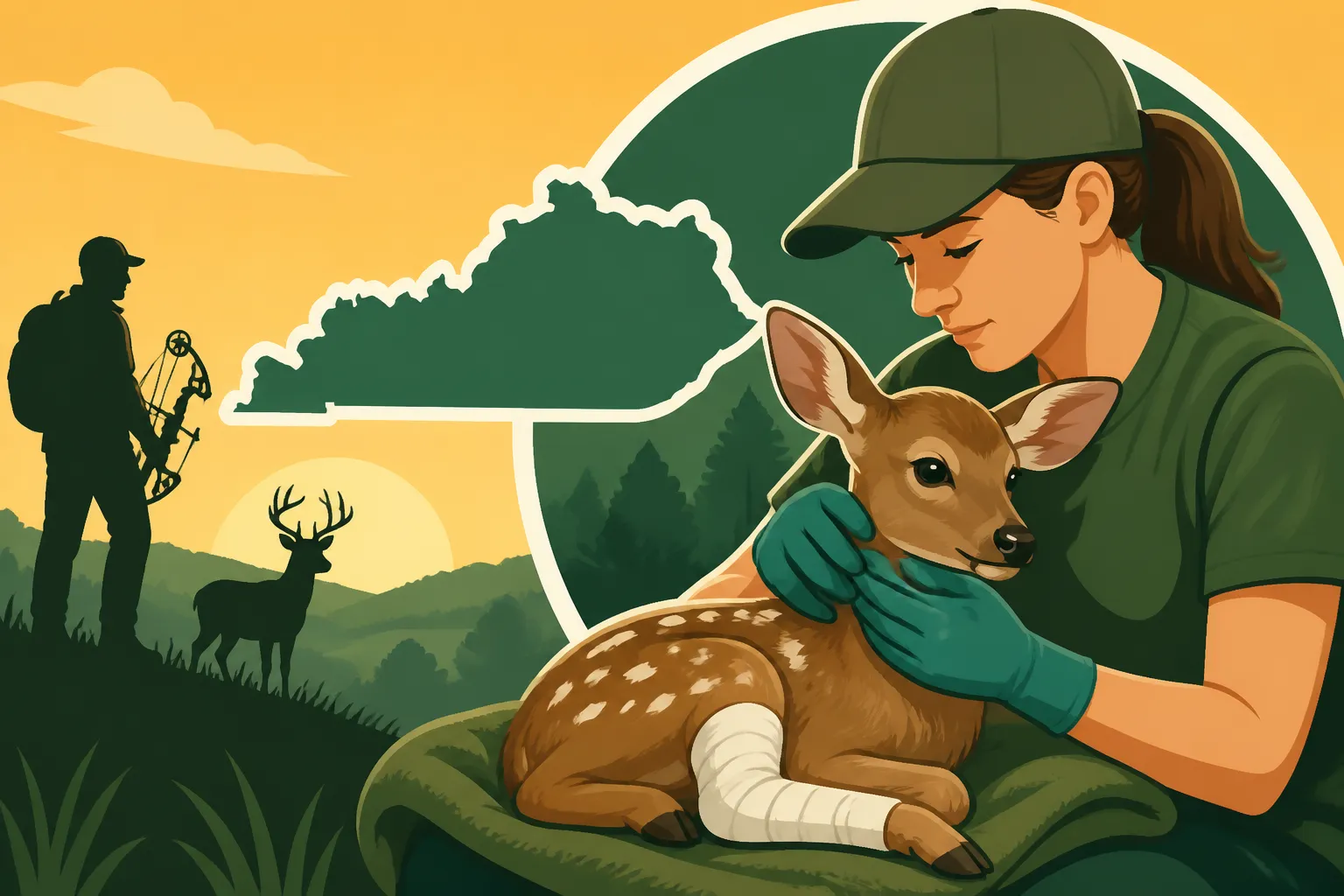
Deciding whether to intervene with a wild animal is often the first, and most difficult, hurdle. Many times, what appears to be an abandoned or injured animal is actually just exhibiting natural behavior, or its parents are nearby, out of sight. Think about those tiny fawns you might see curled up in a field – their mother often leaves them alone for hours, relying on their natural camouflage and lack of scent to protect them. Picking up such a fawn, even with the best intentions, actually puts it at greater risk.
True signs of distress in wildlife include obvious injuries like a broken wing or leg, bleeding, tremors, an animal caught in a fence or trap, or being lethargic and unresponsive. If an animal is wet and shivering on a warm day, or covered in flies when it shouldn't be, these are also red flags. Young animals, like a baby bird on the ground without feathers, or a very young mammal crying incessantly and visibly cold, might also need help. A useful tool like the KDFWR's online resources, or even mapping applications like GoHunt that can show you proximity to urban areas or known wildlife corridors, can sometimes help assess the situation.
| Situation | Action to Take |
|---|---|
| Fawn Alone | Do NOT Touch. Mother is likely nearby. Fawns are left alone as a defense mechanism. |
| Baby Bird on Ground (Feathered) | Place back in nest if possible, or in a nearby shrub/tree. Parents will still feed it. |
| Baby Bird on Ground (Naked/Downy) | Find the nest and place it back. If no nest, contact a rehabilitator immediately. Keep it warm. |
| Obvious Injury (Bleeding, Broken Limb) | Do NOT Attempt to Treat. Contact a licensed rehabilitator or KDFWR. Avoid direct contact. |
| Animal Trapped/Stuck | Assess safety. If safe, try to gently free it. If dangerous (e.g., large animal, barbed wire), contact KDFWR or local animal control. |
| Animal Lethargic/Unresponsive | Keep a safe distance. Contact a licensed rehabilitator or KDFWR immediately. |
| Animal Approaching Humans Without Fear | This can be a sign of illness (e.g., rabies). Do NOT Approach. Contact KDFWR or local animal control. |
| Wildlife Near Road (Stunned/Disoriented) | If safe, observe from a distance. If it doesn't move after a while, contact KDFWR. Be aware of traffic. |
The Legalities of Handling Wildlife
This is where many well-meaning individuals can unknowingly run into trouble. In Kentucky, it is generally illegal for an unlicensed individual to possess or care for native wildlife. This isn't because the state wants to be difficult; it's to protect both the animals and the public. Wild animals carry diseases, can inflict serious injuries when stressed, and require very specific diets and environments to survive. Improper care, even with the best intentions, often leads to an animal's decline or habituation to humans, making it unreleasable.
The Kentucky Department of Fish and Wildlife Resources (KDFWR) issues permits to trained and licensed wildlife rehabilitators. These individuals have undergone specialized training, understand the complexities of wildlife health, and have facilities equipped to handle a variety of species. So, while your instinct might be to scoop up that injured hawk, the legal and ethical path is to contact a professional. Ignoring these regulations could lead to fines, confiscation of the animal, and ultimately, a worse outcome for the wildlife you were trying to help. This knowledge is especially critical for hunters who might encounter injured game in the field, as proper Field Dressing a Deer in Cold Weather or Butchering a Deer at Camp becomes secondary to addressing the animal's immediate welfare and the legal framework.
The Process of Getting Help for an Injured Animal
Once you've determined that an animal truly needs help and isn't just exhibiting normal wild behavior, the next steps are crucial. Your safety, and the animal's safety, depend on acting deliberately and correctly. Rushing in can often escalate an already stressful situation for the animal.
Initial Steps: What to Do (and Not Do) on Site
First and foremost, prioritize your safety. An injured or scared animal can be unpredictable. Even a seemingly small animal can bite or scratch, and larger animals, like deer, can kick with incredible force. Observe the animal from a distance. If it's safe to do so, try to contain smaller animals carefully, minimizing stress. A sturdy box with air holes, lined with a soft cloth, can be suitable for birds or small mammals. Never offer food or water unless specifically instructed by a rehabilitator. Wild animals have very specific diets, and offering the wrong thing can cause severe digestive issues, or even aspiration pneumonia if they're too weak to swallow properly.
For larger animals, like an injured deer or turkey, direct intervention by an untrained person is usually not advisable. Your role in these situations is primarily to locate the animal, ensure its immediate surroundings are safe (if possible, like blocking it from moving into traffic), and then make the call to the experts. You might need to use a mapping tool, perhaps even an app like GoHunt, to pinpoint your exact location for authorities, especially if you're deep in Daniel Boone National Forest Hunting or on some remote public hunting land.
Contacting a Licensed Rehabilitator
This is the most important step. The KDFWR website is your best first resource for finding a licensed wildlife rehabilitator in Kentucky. They typically maintain a list, often broken down by county or species specialty. If you can't find a direct number, contacting KDFWR's main office during business hours is always a good starting point. They can direct you to the nearest licensed individual or agency.
Don't be discouraged if you have to make a few calls. Wildlife rehabilitators are often volunteers, operating out of their homes or small facilities, and they might be busy or already at capacity. Be prepared to describe the animal, its apparent injuries, and your exact location. The more details you can provide, the better they can assess the situation and guide you. Remember, they are often swamped with calls, especially during spring and summer "baby season," so patience and clear communication are key. Knowing about Kentucky Wildlife Disease Monitoring programs might also inform your call, especially if you suspect a disease.
What to Expect from a Wildlife Rehabilitator
Once you've made contact and potentially transported an animal to a rehabilitator, it's natural to wonder what happens next. The process is often long, complex, and doesn't always have the storybook ending we hope for.
The Goals of Rehabilitation
As mentioned before, the primary goal is always to return the animal to the wild, fully capable of surviving independently. This means rehabilitators work tirelessly to mend injuries, provide appropriate nutrition, and ensure the animal doesn't become too comfortable around humans. They'll assess the animal's condition, provide medical treatment, and create a specialized care plan. This might involve anything from splinting a broken wing to rehydrating an emaciated fox kit.
Part of this process involves minimizing human interaction. While it feels good to cuddle a baby squirrel, that kind of contact actually hinders its chances of release. Rehabilitators often use quiet, secluded enclosures, wear gloves, and try to keep human voices and scents to a minimum. They understand that a wild animal that trusts humans is a dead animal in the wild. This dedication is paramount to ensuring animals like those from White-Tailed Deer Across Kentucky or Wild Turkeys in Kentucky populations have the best chance at a true second chance.
Common Misconceptions and Ethical Considerations
One common misconception is that all injured animals can be saved. Sadly, this isn't true. Some injuries are too severe, or the animal's condition is too far gone, for a full recovery. In these cases, a licensed rehabilitator may make the difficult, but humane, decision to euthanize the animal to prevent prolonged suffering. This isn't a failure; it's a compassionate act when a wild, independent life is no longer possible.
Another ethical consideration is the "quality of life" after release. If an animal can't forage, fly, hunt, or avoid predators effectively, releasing it is essentially condemning it to a slow death. Rehabilitators consider these factors carefully. Their ethical obligations extend beyond just healing an injury; they encompass ensuring the animal has a viable future in its natural environment. Understanding this objective approach can be difficult for someone with an emotional attachment, but it's essential for truly helping wildlife. It's a different approach than, say, Kentucky Deer Camp Traditions, which focuses on recreational harvest, but both share a deep respect for the animal.
Supporting Wildlife Rehabilitation Efforts
Wildlife rehabilitation centers in Kentucky are often non-profits, run by volunteers and funded by donations. They face significant challenges, from the sheer volume of animals needing care to the rising costs of specialized food, medicine, and veterinary services.
Volunteer Opportunities and Donations
If you're passionate about wildlife, supporting these centers through volunteering or financial donations can make a huge difference. Volunteers often assist with cleaning enclosures, preparing food, answering phones, or even transporting animals. Many centers also accept specific donations, like old towels, newspapers, heating pads, or monetary contributions to cover vet bills and supplies. Every little bit helps keep these vital operations running, ensuring that when an animal truly needs help, there's a place for it to go. You could even use an app like GoHunt to find local centers or look for fundraising events in your area.
Preventing Wildlife Injuries
Beyond direct intervention, we can all play a part in preventing wildlife injuries in the first place. Simple actions can have a big impact:
- Drive cautiously, especially during dawn and dusk when animals are most active. This is particularly important for animals like deer that are often involved in vehicle collisions.
- Keep pets contained. Free-roaming cats and dogs are a major cause of injury and death for birds, rabbits, and other small mammals.
- Secure trash cans and food sources. This prevents animals from being drawn into suburban areas where they are at higher risk of injury, disease, or habituation.
- Check fences and clear brush. Ensure your property doesn't have old fencing or debris that could trap animals.
- Don't feed wild animals. This can lead to nutritional deficiencies, disease spread, and reliance on humans, which is detrimental to their survival.
- Be mindful of fishing line and litter. Discarded fishing line can entangle birds and other wildlife, causing severe injury or death.
By taking these proactive steps and knowing how to respond responsibly when you encounter an injured wild animal, you become an integral part of Kentucky's wildlife conservation efforts. Whether you're out Hunting the Rut in Early November or just enjoying a hike, being prepared to act ethically and legally makes all the difference.
Disclaimer
This article is for general informational purposes only and does not constitute professional advice. Laws, prices and regulations vary by location and change over time. Consult a qualified professional for guidance on your specific situation.