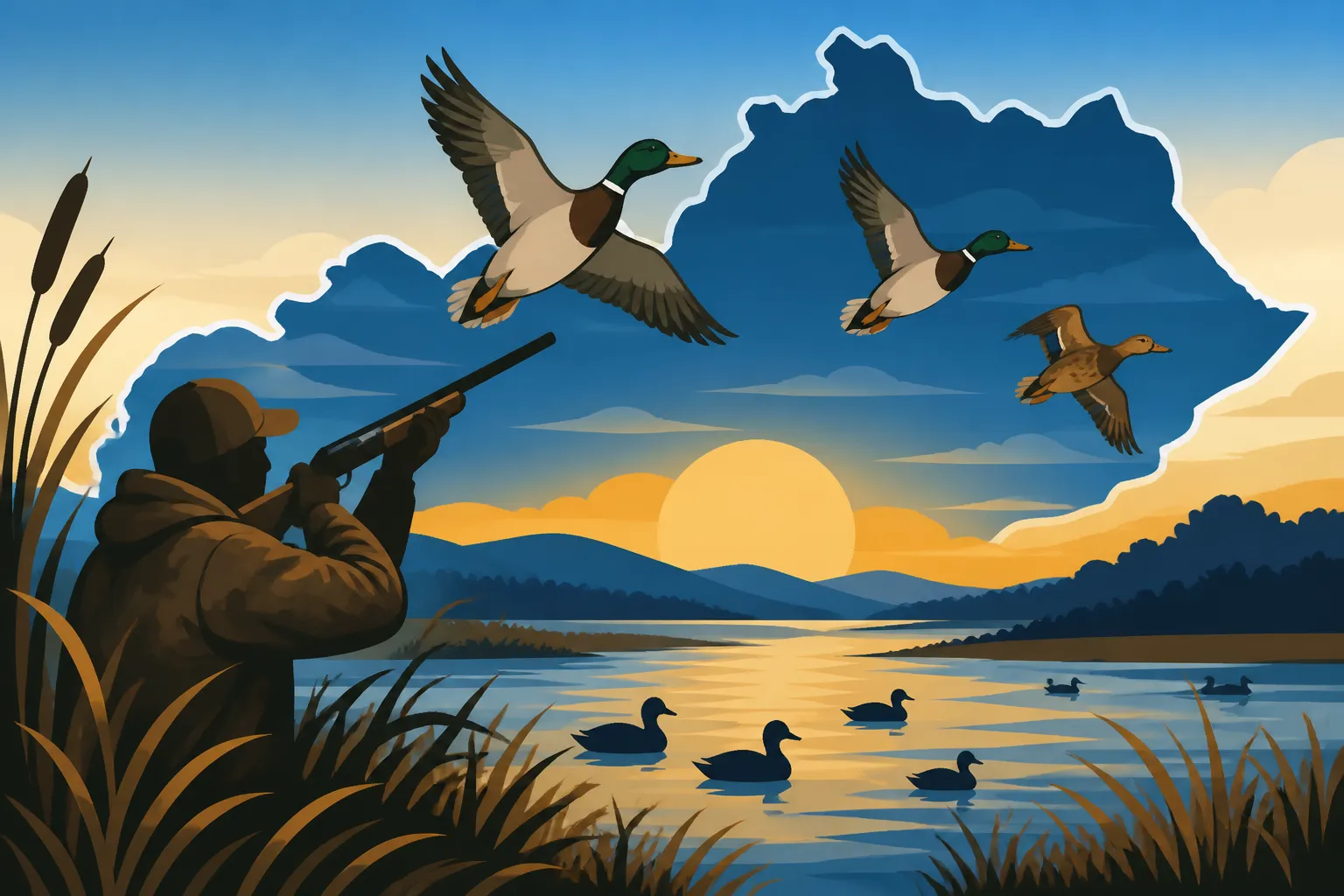
Kentucky Waterfowl on the Mississippi Flyway
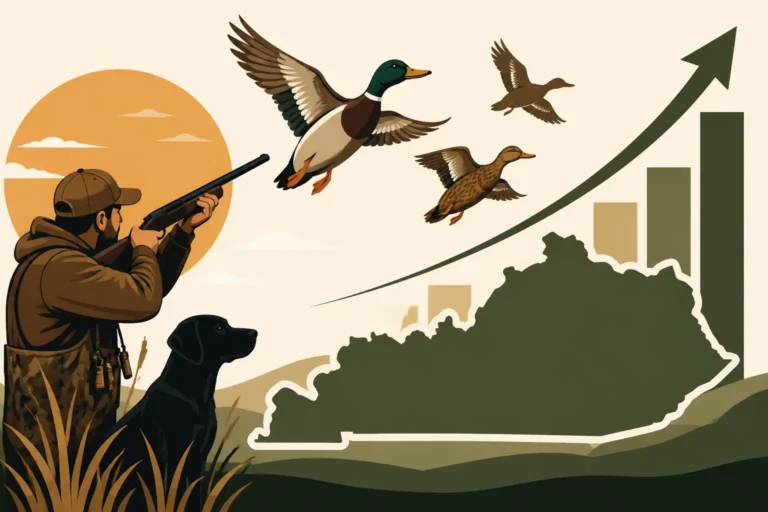
Many hunters dream of those crisp mornings, the sound of wings overhead, and the splash of decoys. But for countless waterfowl enthusiasts, decoding the complex patterns of migratory birds and navigating Kentucky's diverse waterways can feel like an overwhelming challenge, especially when trying to pinpoint the best spots along the legendary Mississippi Flyway. This comprehensive guide will equip you with the knowledge, strategies, and insights you need to successfully pursue ducks and geese across the Bluegrass State, transforming those frustrating mornings into memorable hunts.
Understanding Kentucky's Crucial Role on the Mississippi Flyway
Kentucky isn't just a place birds fly over; it's a vital pit stop, a wintering ground, and a crucial staging area for millions of waterfowl traveling the Mississippi Flyway. This natural superhighway, stretching from the arctic breeding grounds down to the Gulf Coast, funnels an incredible diversity of ducks and geese right through our state. For hunters, this means unparalleled opportunities, but it also means understanding the intricate dance of migration and the factors that influence where birds decide to settle down.
The Dynamics of Waterfowl Migration Through Kentucky
Think of Kentucky as a major service station along the intercontinental highway for waterfowl. As cold fronts push down from the north, birds from Canada and the northern U.S. begin their southward journey. Kentucky's diverse habitats—from vast reservoirs to flooded timber, agricultural fields, and meandering river systems—offer exactly what these weary travelers need: food, water, and refuge. The timing of these migrations isn't set in stone; it's heavily influenced by weather patterns up north and locally. A sudden deep freeze in Illinois or Indiana can push a massive wave of ducks into Kentucky overnight, filling our lakes and rivers. Conversely, mild weather might keep birds further north longer, delaying their arrival in significant numbers. This constant flux is what makes waterfowl hunting in Kentucky both challenging and incredibly exciting; you never quite know what tomorrow's flight will bring.
Understanding the typical migratory windows is key. Early season often sees local birds and northern-pushed teal, wood ducks, and early mallards. As November deepens and December arrives, the major push of mallards, gadwalls, wigeon, and divers usually materializes, bringing with them larger numbers of Canada geese. Late season, especially January, can be feast or famine, depending on continued cold weather to keep birds concentrated or push new ones down. Hunters often rely on long-term weather forecasts and reports from states to our north to anticipate these movements, understanding that the general pattern of Kentucky Waterfowl Migration Timing is constantly tweaked by real-time conditions.
Key Flyway Habitats Across the Bluegrass State
Kentucky's landscape diversity plays a massive role in its appeal to waterfowl. We're not a monolithic sheet of water or endless cornfields; instead, we offer a mosaic of habitats, each attracting different species and presenting unique hunting scenarios. At the forefront are our massive western Kentucky reservoirs, particularly Kentucky and Barkley Lakes. These vast bodies of water, with their shallow flats, coves, and proximity to major river systems like the Tennessee and Cumberland, are magnet for divers and puddle ducks alike, especially when surrounded by agricultural land. The flooded timber along these river systems, often found in wildlife management areas, provides sheltered feeding grounds for mallards and wood ducks, especially during periods of high water.
Beyond the big lakes, the Ohio River and its tributaries, as well as the Mississippi River bottoms in the far western corner, offer crucial resting and feeding areas. These river systems, with their backwaters, sloughs, and associated wetlands, create critical habitat corridors. Moving inland, while not traditionally thought of as waterfowl hotspots, even central and eastern Kentucky have smaller lakes, ponds, and agricultural impoundments that attract birds, particularly wood ducks and resident Canada geese. The dynamic interplay between water levels, available food sources (like waste grain in harvested fields), and protection from hunting pressure dictates where birds will choose to settle, making scouting an absolutely vital part of any successful hunt. For those looking at Why Land Between the Lakes Draws Waterfowl, it's the sheer diversity and scale of available habitat that makes it so potent.
Key Waterfowl Species You'll Encounter in Kentucky
The beauty of hunting in Kentucky, nestled squarely in the Mississippi Flyway, is the sheer variety of waterfowl that passes through or winters here. It's not just about "ducks" or "geese"; it's about understanding the specific behaviors, dietary preferences, and flight patterns of different species. This knowledge is what separates a lucky shot from a consistently successful hunter who can "read" the water and the sky.
Puddle Ducks: The Mainstays of Kentucky Duck Hunting
When most folks think of duck hunting in Kentucky, they're probably picturing puddle ducks. These are the dabblers, the ducks that feed in shallow water by tipping their heads down, rather than diving. The undisputed king of the Kentucky puddle duck scene is the Mallard. These green-headed beauties are prolific, adaptable, and make up a significant portion of the annual duck harvest. They love flooded timber, grain fields, and shallow backwaters. Early in the season, you'll also find abundant Wood Ducks, known for their stunning plumage and acrobatic flight through timber. They often inhabit smaller creeks, beaver ponds, and wooded swamps, and knowing where to find Wood Ducks in Kentucky Bottomland is a key skill. Teal, particularly Green-winged and Blue-winged, are early migrators, offering fast-paced hunting opportunities in September and October. Gadwalls, with their subtle grey and white appearance, and American Wigeon, often called "bald pates" for the white crown on the drakes, are also common, frequenting open marshes and fields. Northern Pintails, with their long, elegant necks, are less numerous but always a welcome sight.
Hunting puddle ducks often involves setting up decoys in shallow water, using calls to mimic their social chatter, and positioning yourself to intercept them as they come into feed or rest. Learning to differentiate their calls and flight patterns is a rewarding challenge. For instance, the high-pitched whistle of a wigeon is distinct from the classic "quack" of a mallard hen. For example, during Hunting Western Kentucky Bottomland Deer, you might find hidden water features that are perfect for these dabblers, even if deer are your primary focus.
Diver Ducks: The Deep Water Specialists
While puddle ducks dominate the shallow margins, diver ducks are drawn to the deeper, more open waters of Kentucky's large reservoirs and major rivers. As their name suggests, these ducks dive completely underwater to feed on aquatic vegetation, mollusks, and small fish. Canvasbacks, often called the "king of ducks," are large, fast-flying birds with a distinctive sloped profile, drawn to expansive open water. Redheads are similar in size but have a rounder head and a chestnut color. Scaup, both Greater and Lesser (often referred to simply as "bluebills"), are smaller, black-and-white divers that congregate in large rafts on big water. Ring-necked Ducks, with their unique bill ring, are common in slightly shallower, clearer lakes and ponds. Buffleheads and Goldeneyes are smaller, fast-flying divers often found in more sheltered coves or along river channels.
Hunting divers typically requires different tactics than puddle ducks. Large spreads of diver decoys, often placed in lines or J-hooks in open water, are common. Hunters usually use layout blinds or hunt from boats tucked into shoreline cover. The thrill of diver hunting comes from their fast, low flight over the water and the sheer volume of birds that can sometimes be present on the larger bodies of water like Kentucky Lake. Successfully hunting these birds, especially when Hunting Kentucky Lake Diver Ducks, requires knowledge of their preferred depths, food sources, and flight paths across vast expanses.
Geese: From Honkers to Snows
Geese offer another exciting dimension to Kentucky waterfowl hunting. The most common, by far, are Canada Geese. Kentucky supports a healthy resident population of Canada geese that breed here, augmented by large numbers of migratory birds pushed down from the Great Lakes region and beyond. These birds are highly adaptable, equally at home on vast agricultural fields, golf courses, or large reservoirs. They are known for their strong family bonds and wary nature, making them a challenging quarry. Their distinctive "honk" is an iconic sound of the Kentucky winter landscape. Understanding Canada Geese on Kentucky Farmland is key to setting up successful field hunts.
Beyond Canada geese, Snow Geese make an appearance, though typically in the far western reaches of the state, especially near the Mississippi River. These birds migrate in colossal flocks, creating breathtaking spectacles. Lesser numbers of Greater White-fronted Geese, often called "specklebellies," also pass through, prized for their table fare and challenging nature. Hunting geese almost always involves field hunting, utilizing large spreads of full-body decoys, silhouette decoys, or "rag" spreads for snow geese, combined with layout blinds or pits for concealment. Deciphering their flight patterns over fields and understanding their feeding habits are crucial.
Prime Waterfowl Hunting Regions and Locations in Kentucky
Kentucky's geography provides a diverse array of habitats that attract waterfowl, but some areas stand out as consistent hotspots. Knowing where to focus your efforts, whether you're chasing puddle ducks in flooded timber or divers on open water, is crucial for success. These regions offer distinct experiences and require different approaches.
The Western Kentucky Powerhouses: Lakes and Rivers
When it comes to sheer numbers of waterfowl, particularly during the peak migration, Western Kentucky is undeniably the epicenter. The massive Kentucky Lake and Lake Barkley, two of the largest man-made lakes in the eastern U.S., form a sprawling complex that acts as a magnet for ducks and geese. These lakes, especially the Land Between the Lakes National Recreation Area that sits between them, offer vast expanses of open water for divers, countless shallow bays and coves for puddle ducks, and significant areas of flooded timber and agriculture along their margins. Hunting the Land Between the Lakes Waterfowl can be an incredible experience, but it also comes with unique regulations and significant pressure. Beyond the lakes, the confluence of the Ohio and Mississippi Rivers provides critical habitat. The Sloughs Wildlife Management Area in Henderson and Union counties, and the Ballard Wildlife Management Area in Ballard County, are prime examples of state-managed properties that draw huge numbers of birds, especially during the colder months. These WMAs are intensively managed with impoundments, moist soil units, and agricultural plantings, specifically designed to attract and hold waterfowl.
Hunting these areas requires preparation. On the big lakes, boat accessibility is often key, and understanding wind direction is paramount for decoy spreads. In the WMAs, access might be restricted to specific draw hunts or designated areas, and scouting is non-negotiable to find where birds are feeding and resting. Pressure can be intense, so getting off the beaten path or hunting during the week can yield better results.
River Systems and Inland Waterways
While the western lakes get a lot of the spotlight, Kentucky's numerous river systems and smaller inland lakes also offer fantastic waterfowl opportunities. The Ohio River, forming Kentucky's northern border, is a major migration corridor. Its backwaters, islands, and associated wetlands can hold significant numbers of ducks, especially mallards and divers. Hunting the Ohio River Backwaters can be a challenging but rewarding endeavor, often requiring specialized river boats and knowledge of shifting sandbars and currents. Further east, rivers like the Green, Cumberland, and Tradewater, with their associated bottomland hardwoods and oxbow lakes, provide crucial habitat, particularly for wood ducks and resident Canada geese. Smaller flood control lakes and private farm ponds scattered across the state also serve as important stopovers and wintering grounds.
These inland spots often see less hunting pressure than the major western hubs, offering a more tranquil experience. However, they also require more focused scouting. A small farm pond might be a wood duck haven one day and empty the next. Flexibility and mobility are key here. Hunters might focus on jump-shooting smaller creeks or setting up discreetly in timber adjacent to a river backwater, calling to passing flocks. Even seemingly small patches of water can hold birds, especially if they offer food and shelter away from constant disturbance. To succeed, you need to be constantly Reading a Bottomland Slough for a Morning Flight or knowing which smaller creeks will concentrate birds.
Agricultural Lands: The Field Feeding Grounds
Don't make the mistake of thinking all waterfowl hunting happens on water. Kentucky's vast agricultural lands, particularly in the western and central regions, are absolutely vital feeding grounds for both ducks and geese. Harvested cornfields, soybean fields, and winter wheat plantings provide an abundant and accessible food source that migrating birds simply can't resist. Canada geese, in particular, are notorious field feeders, often flying miles from a large body of water to gorge themselves on waste grain. Mallards, too, will readily pile into flooded timber adjacent to agricultural fields or even dry fields during rainy periods.
Hunting these agricultural lands typically involves securing private land permission – which can be a challenge – or hunting public lands that include farm ground, such as certain WMAs. Field hunting requires a different setup: large decoy spreads, often using full-body Canada goose decoys, and excellent concealment using layout blinds, pit blinds, or natural cover like fencerows. Layout Blind Hunting Western Kentucky Fields is a classic strategy here. Understanding flight lines, prevailing winds, and the birds' daily routines (when they leave the water to feed and return) is critical for success. This type of hunting can be incredibly productive, often offering high-volume shooting when the birds are cooperating.
Kentucky Waterfowl Zones, Seasons, and Regulations
Navigating the regulatory landscape for waterfowl hunting in Kentucky can feel a bit like trying to call ducks in a hurricane – confusing, to say the least! Unlike deer or turkey hunting which often have statewide seasons, waterfowl regulations are more nuanced, influenced by federal migratory bird treaties and regional management strategies. Understanding these rules is crucial to staying legal and maximizing your time afield.
Understanding Kentucky's Waterfowl Zones
Kentucky isn't just one big blob when it comes to duck and goose seasons. The state is divided into specific waterfowl zones, each with its own season dates for ducks, geese, and other migratory birds. These zones are designed to better manage harvest based on migratory patterns and wintering bird concentrations. The most prominent zones are the Western Waterfowl Zone and the Eastern Waterfowl Zone. The Western Zone, encompassing counties west of a line roughly following I-65 and then the Western Kentucky Parkway, typically has longer or slightly different season dates, reflecting the higher concentration of migratory birds on the Mississippi Flyway. Counties further east fall into the Eastern Waterfowl Zone. There's also a smaller Northeastern Waterfowl Zone and a special Ohio River Zone, each with slight variations.
Checking the annual Kentucky Duck and Goose Zone Rules and season dates published by the Kentucky Department of Fish and Wildlife Resources (KDFWR) is non-negotiable before planning your hunt. These dates can shift slightly year to year based on federal frameworks and biological data. What's legal in Ballard County might be out of season in Pulaski County on the same day. This zonal system allows KDFWR to tailor management efforts, ensuring sustainable harvest across varying migratory pathways and habitat availability. It means a hunter might pursue early teal in one zone, then shift to another for a later mallard season opener.
Season Dates, Bag Limits, and Shooting Hours
Once you've identified your zone, you need to pay close attention to the specific Kentucky Waterfowl Zones and Seasons. Season dates are typically broken down by species groups (ducks, Canada geese, white-fronted geese, light geese like snows and blues, coots, mergansers). Duck season is usually split into two or three segments, allowing for early hunting of local birds and later hunting for the main migration. Goose seasons often follow a similar pattern. Daily bag limits specify the maximum number of birds you can harvest of each species or species group. For ducks, there's often a total duck bag limit, but also specific restrictions on certain species (e.g., only so many mallards, wood ducks, or pintails). Possession limits apply to the number of birds you can have in your possession at home or in transit.
Shooting hours are another critical regulation. For all migratory game birds, hunting begins one-half hour before sunrise and concludes at sunset. This is a federal standard for migratory birds, distinct from deer or turkey rules. Remember to always consult an accurate sunrise/sunset table for your specific location. Furthermore, there are requirements for federal and state stamps. Every waterfowl hunter 16 years or older must purchase a Kentucky Federal Duck Stamp Requirement and a state Kentucky Migratory Bird/Waterfowl Permit, in addition to their base hunting license. You also need to be HIP (Harvest Information Program) certified, which is a simple survey taken when you purchase your license.
| Waterfowl Type | Primary Zones | Typical Season Timing (Approx.) | Key Regulations |
|---|---|---|---|
| Ducks | Western, Eastern, NE | Early Sep (teal), Mid-Oct – Late Jan (split) | Daily bag limit (e.g., 6 ducks total, with species-specific limits for Mallards, Wood Ducks, Pintails, etc.). Shooting hours: 1/2 hour before sunrise to sunset. Non-toxic shot required. |
| Canada Geese | Western, Eastern, NE, Ohio River | Early Sep (resident), Mid-Nov – Late Jan/Mid-Feb (split) | Daily bag limit (e.g., 3-5). Shooting hours: 1/2 hour before sunrise to sunset. Non-toxic shot required. |
| Light Geese (Snow/Blue/Ross') | Western, Eastern, NE | Mid-Nov – Late Feb/Early Mar (often includes Conservation Order) | Daily bag limit often very liberal (e.g., 20) during regular season, no limit during Conservation Order. Electronic calls and extended hours allowed during Conservation Order. Non-toxic shot required. |
| White-fronted Geese | Western, Eastern, NE | Mid-Nov – Late Jan/Early Feb | Daily bag limit (e.g., 2). Shooting hours: 1/2 hour before sunrise to sunset. Non-toxic shot required. |
| Youth Waterfowl Season | Statewide | Typically early Feb | Specific weekend allowing youth (under 16) to hunt waterfowl, often accompanied by an adult. Special bag limits may apply. Non-toxic shot required. |
Note: This table provides approximate information. Always consult the current Kentucky Fall Hunting & Trapping Guide for precise dates, limits, and regulations.
Non-toxic Shot, Legal Firearms, and Other Rules
A critical rule for all waterfowl hunting, everywhere in the U.S., is the requirement to use non-toxic shot. Lead shot is strictly prohibited for ducks, geese, coots, and mergansers. This is a federal mandate to protect waterfowl from lead poisoning. Common non-toxic alternatives include steel, bismuth, and tungsten-alloy shot. Steel shot is the most common and affordable, but some hunters prefer bismuth or tungsten for their increased density and knockdown power. Make sure you're using the correct shot size and choke for your intended target.
Regarding legal firearms, shotguns 10 gauge or smaller, incapable of holding more than three shells (plugged to a 3-shell capacity, meaning two in the magazine and one in the chamber), are the standard. Rifles and handguns are not permitted for migratory bird hunting. Electronic calls are generally illegal for ducks and geese, except during the special Conservation Order season for light geese, where they are explicitly permitted to help manage overpopulation. Also, baiting (placing feed to attract birds) is strictly prohibited. Understanding these rules is not just about avoiding a ticket; it's about respecting the resource and ensuring the future of waterfowl hunting.
Essential Gear and Tactics for Kentucky Waterfowl Hunting
Successful waterfowl hunting in Kentucky is a blend of knowing the birds, knowing the land, and having the right gear. From bitter cold mornings to pouring rain, Kentucky's weather can be unforgiving, and the birds are incredibly wary. Being prepared with effective tactics and reliable equipment can make all the difference.
Decoy Spreads and Calling Strategies
The backbone of most waterfowl hunting is the decoy spread. For puddle ducks in flooded timber or shallow impoundments, smaller spreads of 1-3 dozen mallard and wood duck decoys can be highly effective. Focus on creating an open landing zone, perhaps a J-hook or U-shape, that gives birds a clear approach into the wind. When hunting divers on large bodies of water like Kentucky Lake, you'll need larger spreads, often 5-10 dozen or more, to attract attention from a distance. Diver spreads often feature long lines or rafts of decoys, mimicking large groups of resting birds. For Canada geese in fields, full-body or silhouette decoys are best, again in large numbers (dozens to hundreds), often set up in family groups with an open landing zone. Combining different species of decoys, such as a few pintails or wigeon among your mallards, can add realism. Many hunters also use motion decoys, like spinning wing decoys for ducks or flappers for geese, to add life to the spread, though some public areas may have restrictions on electronic motion decoys during certain periods.
Calling is the art that brings the spread to life. For mallards, a variety of calls are essential: greeting calls, comeback calls, feeding chuckles, and the lonesome hen quack. Practicing different cadences and volumes is key. Wood duck calls are unique whistles. For geese, short honks, clucks, and moans are used to mimic a flock. Remember, less is often more with calling; use it to get their attention, then let the decoys and the birds' natural curiosity do the rest. Aggressive calling can sometimes spook wary birds, especially on heavily pressured public land. The best callers know when to call and, crucially, when to be quiet.
Concealment and Blind Setups
Waterfowl have incredible eyesight, so concealment is paramount. For field hunting geese or ducks, layout blinds are indispensable. These low-profile blinds allow hunters to lie prone, blending seamlessly into stubble or cut cornfields. For hunting ponds, sloughs, or small impoundments, a simple natural blind brushed into existing vegetation can work wonders. On rivers or large lakes, boat blinds, often built into the boat itself or deployed once on location, provide excellent concealment. When hunting flooded timber, wearing camouflage that matches the bare tree trunks and surrounding cover is essential, and many hunters utilize natural blowdowns or small portable blinds to break up their silhouette.
The key to any blind is to blend in completely. Use natural vegetation from the immediate area to brush in your blind, making it disappear. Pay attention to your face and hands, as these are often exposed and can reflect light, spooking birds. Face masks, gloves, and even dark paint can help. Consider sun position and wind direction when setting up; birds almost always approach into the wind, so position your blind to have the wind at your back, allowing birds to cup their wings and commit to your spread.
Clothing and Gear for Kentucky's Variable Weather
Kentucky weather during waterfowl season can swing wildly, from crisp, sunny autumn mornings to bone-chilling, driving rain or even snow in January. Layering is your best friend. Start with a moisture-wicking base layer, add insulating layers (fleece or down are excellent), and top it off with a waterproof and windproof outer shell. Neoprene or breathable waders are essential for anyone wading into water to set decoys, retrieve birds, or hunt flooded timber. Insulated, waterproof boots are critical for warmth and comfort, whether you're in a blind or wading.
Beyond clothing, a sturdy shotgun (12 gauge is most common), reliable non-toxic ammunition, and a good game bag are standard. For navigating rough terrain or retrieving downed birds, a well-trained retriever dog is an invaluable asset. If hunting from a boat, ensure it's properly equipped with all safety gear (life jackets, lights, throw cushions) and a reliable motor. A good thermos with coffee or hot chocolate can be a lifesaver on frigid mornings. Finally, mapping tools like those from GoHunt or the Kentucky Hunt Fish App are incredibly useful for scouting, marking blind locations, and navigating public lands, especially when considering Scouting Kentucky Public Land Before Season. They can help you identify property lines, water features, and potential entry routes, saving you valuable time and effort.
Conservation Efforts and Waterfowl Management in Kentucky
Waterfowl hunting as we know it today wouldn't exist without dedicated conservation efforts. From the early 20th century, when waterfowl populations faced catastrophic declines, to the ongoing challenges of habitat loss and climate change, a complex network of organizations and government agencies works tirelessly to ensure healthy migratory bird populations for future generations. Kentucky plays a significant role in these broader conservation efforts.
The Role of KDFWR and Partner Organizations
The Kentucky Department of Fish and Wildlife Resources (KDFWR) is at the forefront of waterfowl management within the state. They work closely with federal agencies like the U.S. Fish and Wildlife Service, which sets the overarching frameworks for migratory bird seasons and bag limits based on population data. KDFWR biologists conduct annual waterfowl surveys, monitor harvest data, and manage key habitats across the state. They implement programs like banding birds to track migration and survival rates, providing crucial data for adaptive management strategies. Beyond KDFWR, organizations like Ducks Unlimited, Delta Waterfowl, and the National Wild Turkey Federation (which also supports broader wetland efforts) play an enormous role. These groups often fund habitat restoration projects, acquire and manage critical wetlands, and advocate for sound conservation policies.
Hunters themselves are the primary funders of this conservation. Revenue from hunting licenses, state migratory bird permits, and the federal duck stamp directly supports wetland conservation and waterfowl research. Every time you buy a license or stamp, you're contributing directly to the future of the resource you cherish. This "user-pay, user-benefit" model is one of the most successful conservation funding mechanisms in the world.
Habitat Restoration and Wetland Management
The single most important factor for waterfowl populations is habitat. Without healthy wetlands, marshes, flooded timber, and agricultural fields, ducks and geese simply cannot survive their arduous migrations or successfully reproduce. KDFWR and its partners actively manage and restore thousands of acres of waterfowl habitat across Kentucky. This includes establishing moist soil units, which are seasonally flooded areas designed to grow natural duck foods like smartweed and millet. They also manage green-tree reservoirs, where timber stands are intentionally flooded during winter to create prime feeding and resting areas, like those you might find while Hunting Land Between the Lakes Flooded Timber. Agricultural plantings, such as corn and millet, are grown and left standing or harvested to provide crucial waste grain for wintering birds.
These efforts are not just about creating places for ducks and geese to eat; they're about creating a diverse ecosystem that supports a wide range of wildlife. Healthy wetlands filter water, reduce flooding, and provide habitat for countless other species, from fish and amphibians to shorebirds and wading birds. The ongoing challenge is balancing the needs of waterfowl with agricultural practices, urban development, and other land uses.
Hunter Contributions to Waterfowl Science
Waterfowl hunters are more than just participants in the sport; they are vital citizen scientists. Through programs like the Harvest Information Program (HIP), hunters provide critical data on their annual harvests. When you purchase your Kentucky HIP Certification for Bird Hunters and answer a few simple questions about your previous year's hunting, that information feeds directly into federal models used to estimate harvest rates and guide future season-setting decisions. Furthermore, hunters often recover leg bands from harvested birds. Reporting these bands to the U.S. Fish and Wildlife Service provides invaluable data on migratory routes, survival rates, and population dynamics.
Many hunters also participate in local volunteer efforts, assisting with habitat projects, blind construction, or cleanups on public lands. This direct engagement helps foster a sense of ownership and responsibility for the resource. Without the financial contributions and active participation of waterfowl hunters, the conservation successes we've seen over the past century simply wouldn't have been possible. It's a testament to the fact that hunters are, and always have been, conservationists. This collective effort is what helps manage sustainable Kentucky Duck Harvest Numbers and ensures healthy populations persist.
Challenges and Considerations for Kentucky Waterfowlers
While Kentucky offers fantastic waterfowl hunting, it's not without its hurdles. From unpredictable weather to navigating public land etiquette, being aware of these common challenges can help you prepare and ensure a safer, more enjoyable, and ultimately more successful experience.
Weather Extremes and Water Levels
Kentucky's weather is notoriously fickle. During waterfowl season, you can experience anything from Indian summer days in October to brutal, freezing rain and heavy snow in January. This variability directly impacts waterfowl behavior. Mild weather can keep birds scattered or further north, leading to slow hunting. Conversely, sudden cold snaps can push massive numbers of birds into the state, creating incredible opportunities. High winds can make decoy spreads challenging to manage, and heavy rains can blow out rivers, making access difficult or creating new, unexpected flooded areas. Understanding how weather fronts move in and out of the state, and how major rain events affect water levels on rivers and reservoirs, is paramount. Often, the best hunting follows a cold front, especially after a period of mild weather, as new birds are pushed into the region. You might find a spot productive one week, only for a weather change to render it desolate the next.
Water levels, particularly on river systems and flood-prone agricultural areas, are another major consideration. The Ohio and Mississippi Rivers can fluctuate dramatically, opening up new backwaters or flooding timber that was previously dry. Tracking river gauges and local precipitation is a constant task for dedicated waterfowlers. On major reservoirs like Kentucky and Barkley, the Army Corps of Engineers manages water levels, which can impact access to certain areas or the availability of shallow feeding flats. A great resource for tracking these details is GoHunt, which often provides integrated weather and water data, making it easier for hunters to anticipate conditions. Being flexible and having multiple potential hunting spots scouted for different conditions is a strategy that pays dividends.
Public Land Pressure and Ethical Hunting
Kentucky has a significant amount of public land open to waterfowl hunting, including various Wildlife Management Areas (WMAs) and portions of the Land Between the Lakes. While this access is a boon for hunters, it often comes with significant hunting pressure, especially on weekends and during peak migration. This pressure can make birds incredibly wary, causing them to flare from decoys or avoid heavily hunted areas. Ethical hunting practices become even more important in these scenarios. This means giving other hunters ample space, respecting established setups, and avoiding sky-busting (shooting at birds outside of effective range), which only educates birds and ruins opportunities for everyone.
Communication and courtesy go a long way on public land. If you encounter another hunting party, a friendly wave or a brief chat can help avoid conflicts. Many WMAs have specific rules regarding blind placement, hunting hours, and even the use of certain types of decoys. Always check the specific regulations for the WMA you intend to hunt. Finding success on pressured public land often means walking further, finding overlooked pockets of habitat, or hunting during weekdays when crowds are thinner. For example, Finding Ground Others Walk Past can be a crucial strategy to avoid crowds and find unpressured birds.
Bird Retrieval and Safety Considerations
Retrieving downed birds can sometimes be the most challenging (and dangerous) part of waterfowl hunting. A bird that falls into thick cover, deep water, or a swift current can be incredibly difficult to find and recover. This is where a good retriever dog truly shines. Their scent and swimming abilities are unmatched for quickly locating and bringing back birds, minimizing crippled losses. If you don't have a dog, a sturdy pair of waders, a marsh pole, and a boat (if appropriate for the water) are essential. Never risk personal safety to retrieve a bird. Cold water, strong currents, and unstable footing can quickly turn a retrieval into an emergency.
Safety, especially on or near water, must always be your top priority. Wear life jackets when in a boat. Let someone know where you are hunting and when you expect to return. Be mindful of safe firearm handling, especially when loading and unloading in a boat or blind. Hypothermia is a real danger in cold, wet conditions; carry extra dry clothes and a way to start a fire if needed. A comprehensive first-aid kit, a whistle, and a fully charged cell phone (with a waterproof case) are also smart additions to your gear bag. Hunters should always be prepared for the unexpected, especially when venturing into remote or difficult-to-access areas like Hunting the Ohio River Backwaters.
Disclaimer
Always check the latest Kentucky Department of Fish and Wildlife Resources regulations and federal migratory bird rules before hunting. Hunting laws and season dates can change annually. It is the hunter's responsibility to know and follow all applicable laws.