Hunting Deer After a January Cold Front
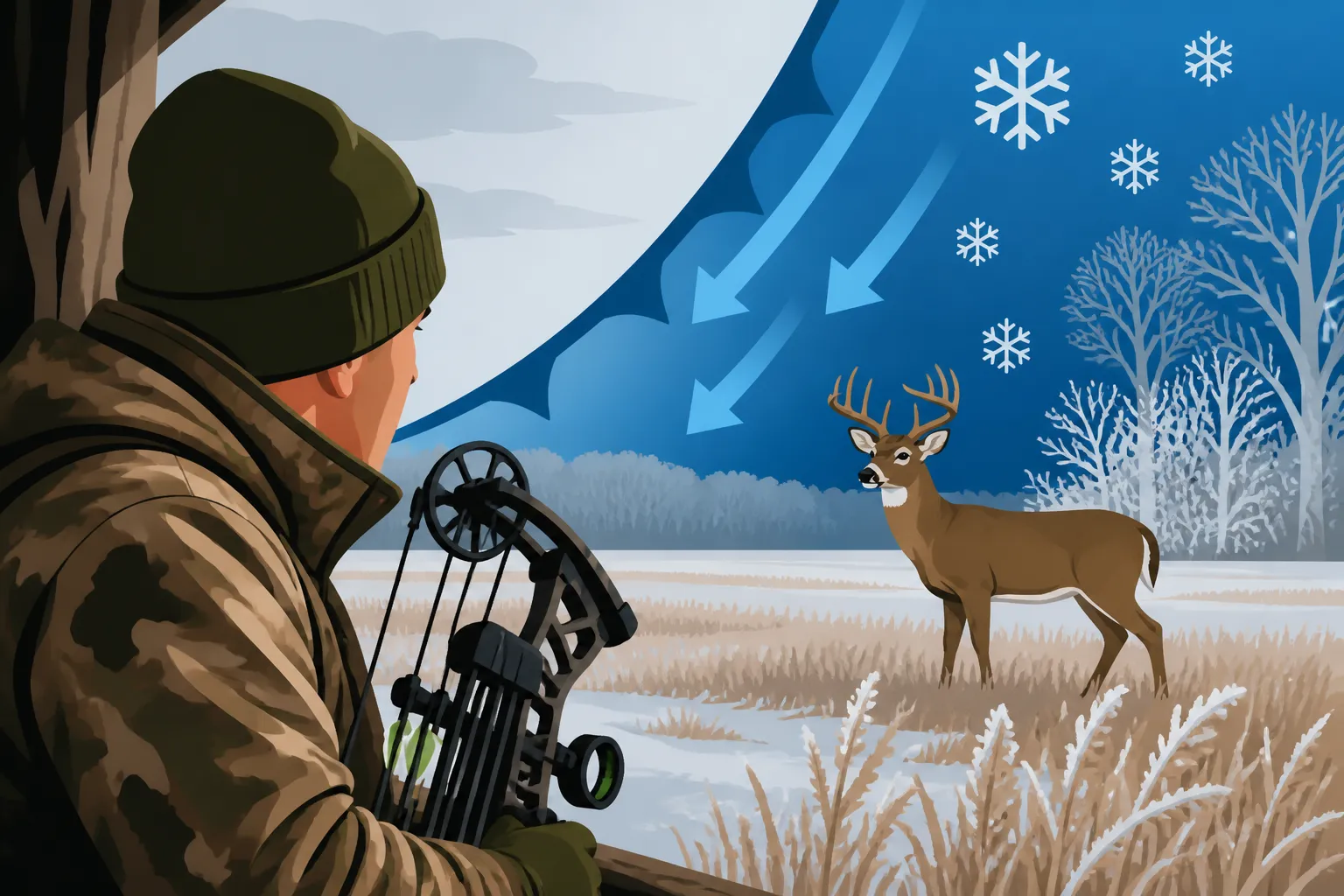
The late season in Kentucky can be a real grind, can't it? Those final weeks of deer season in January often feel like a whole different beast compared to the excitement of the rut or the early muzzleloader hunts. Deer seem to vanish, and the woods often feel empty. But when a sharp cold front blasts through, dropping temperatures significantly, it's not time to pack it in; it's time to re-evaluate, because those drastic temperature shifts can actually be your best friend. This comprehensive guide is here to walk you through exactly how to capitalize on those frigid conditions and understand deer behavior when a January cold front hits.
Understanding the January Cold Front's Impact on Deer
You've probably experienced it: that sudden dip in temperature, often accompanied by clear skies and biting wind, that just screams "winter!" For us hunters, it means bundling up, but for the deer, it means a primal shift in their survival strategy. They aren't just shrugging off the cold; their bodies are immediately re-prioritizing.
How Deer React to Drastic Temperature Drops
When the mercury plummets after a cold front, a deer's metabolism goes into overdrive to maintain core body temperature. Think about it: a healthy deer needs to stay warm to survive. This isn't just about shivering; it's about burning calories at an accelerated rate. Their internal furnace kicks into a higher gear, demanding more fuel. This physiological response directly impacts their behavior, turning them into feeding machines, even if they've been somewhat inactive just days before. They'll also seek out areas that offer a bit of respite from the wind and biting cold, conserving precious energy wherever possible.
This urgency to feed is a significant departure from behavior earlier in the season. During the peak of the rut, a buck might go days without much food, driven purely by the urge to breed. But in January, with breeding largely over and winter's grip tightening, survival is the name of the game. That means calories. Every bit of accessible forage becomes incredibly important, and deer will often risk daylight movement to acquire it. It’s a subtle but critical shift that a smart hunter can exploit.
Changes in Deer Movement and Behavior
Following a severe cold front, deer movement typically increases, particularly around prime feeding times. Dawn and dusk become even more critical, but you might even see increased mid-day activity as deer desperately try to pack in calories. They're not just browsing leisurely; they're actively seeking out the most nutritious and accessible food sources available. This drive to eat overrides a lot of their natural caution, making them more vulnerable.
Beyond feeding, deer will also adjust their bedding strategies. Instead of bedding in open areas or on wind-swept ridges, they'll gravitate towards dense thermal cover. This could be thick conifer stands, brushy creek bottoms, or the leeward side of a ridge where the wind is blocked. They might also choose south-facing slopes, which catch more of the low winter sun, helping to warm them up during the day. Understanding these micro-habitat preferences can be a game-changer when you're trying to pinpoint their locations in a vast tract of woods. Thinking like a deer – trying to find warmth and food efficiently – is key to success.
Scouting and Locating Deer After a Front
When those temperatures drop and the landscape becomes stark and still, your scouting efforts need to shift focus. The woods that were productive in October might be ghost towns now. You need to narrow down your search to areas that offer the two things deer are desperate for: food and thermal protection.
Key Areas to Focus On
After a January cold front, deer will concentrate their efforts on specific habitat features. Your best bet is to focus intensely on late-season food sources that are still palatable and available. This often means switching from acorns (which might be long gone or buried under snow) to agricultural fields like standing corn or beans, or even cut crop fields where deer can pick through leftovers. Brassicas, winter wheat, or food plots planted specifically for the late season become absolute magnets. In big timber, look for areas with browse, like honeysuckle or greenbriar, that remain nutritious through the winter. Bottomland areas near agricultural fields or dense, brushy creek bottoms are also prime real estate, offering both food and cover.
Another critical area is thermal cover. Think thick cedar thickets, pine plantations, dense multiflora rose patches, or even steep, brushy ravines that offer a break from the wind. South-facing slopes are gold because they catch the most sunlight, offering a slight warming effect. Deer will often bed in these spots, especially during the bitterest parts of the day, before venturing out to feed. Using an app like GoHunt to scout aerial imagery and identify these transitions between thick cover and potential food sources can save you countless miles of walking in the cold. It allows you to overlay property lines with topographical maps, giving you a distinct advantage in pinpointing these crucial late-season hideouts and travel corridors.
Interpreting Fresh Sign in the Snow or Frost
If you're lucky enough to have a fresh blanket of snow, it's like a newspaper for deer hunters. Every track tells a story, and after a cold front, those stories become much clearer and more urgent. You're looking for fresh tracks leading from bedding areas directly to food sources. Pay attention to the depth of the track and how crisp the edges are; a sharp, un-melted track means very recent activity. You might even find where deer have pawed through the snow to reach acorns or other forage.
Even without snow, heavy frost or frozen ground can reveal sign. Fresh droppings will appear dark and moist, not dried out. Rubs and scrapes from earlier in the season will be old news, but fresh browse lines on woody stems, indicating where deer have been nipping off twigs, are vital. If you find a patch of greenbriar or honeysuckle that has been heavily browsed recently, you're likely in a high-traffic area. The presence of these fresh signs, coupled with the concentrated locations of food and cover, will confirm you're in the right neighborhood to adjust your stand placement. This kind of careful observation is crucial for Reading Kentucky Mud for Fresh Deer Movement.
Tactics for Hunting Post-Cold Front Deer
Once you’ve identified where the deer are likely to be, it's time to adjust your hunting strategy. This isn't the time for run-and-gun tactics; it's about patience, precision, and understanding the subtle shifts in deer behavior.
Stand Placement and Approach Strategies
For post-cold front hunting, your stand placement should be directly between bedding areas and primary food sources, often much tighter to the food than you might consider earlier in the season. Deer are moving with purpose, minimizing time spent in the open cold. Look for pinch points, saddles, or creek bottoms that funnel deer movement. A great strategy is to set up on the downwind side of a heavy cover thicket that borders a food source, catching deer as they emerge or stage before entering. This is also a perfect scenario for Setting Up on a Western Kentucky Field Edge or Working a Creek Bottom for Late-Season Deer, where natural funnels exist.
Your approach to and from your stand is even more critical in bitter cold. Deer are already stressed, and any undue pressure can send them packing. Plan your entry and exit routes meticulously to avoid detection. Walk slowly, quietly, and use topographical features or natural screening (like ditches or fencerows) to conceal your movement. If you're hunting private land with standing crops, consider entry routes through standing beans or corn to minimize your presence. Remember, every sound carries further in crisp, cold air, so be extra cautious.
Utilizing Late-Season Food Sources
The availability of food sources after a January cold front is paramount. As mentioned, ag fields are often key. If you have access to a standing cornfield, deer will absolutely hammer it, seeking high-calorie kernels. A cut bean field, while offering less, still provides scattered nutrition that deer will diligently search for. In timber, deer will still browse on evergreens like honeysuckle, greenbriar, and certain woody stems that retain nutrition. Look for south-facing slopes in timber where patches of green vegetation might persist longer.
Don't overlook small, overlooked pockets of food. A lone persimmon tree that still holds fruit, a small patch of winter wheat, or even ornamental shrubs on the edge of suburban areas (where hunting is legal and permitted) can become late-season hot spots. Deer will travel significant distances to access these concentrated food sources. Using mapping tools to identify these areas and then scouting them carefully for fresh sign can lead to unexpected success. This intense focus on food is why Late-Season Food Sources for Kentucky Whitetails are so vital to understand.
The Importance of Patient Sitting and Scent Control
Late-season hunting is often about long, cold sits. Deer activity can be sporadic, but when they move, it's often purposeful and brief. This means you need to be in your stand and ready for extended periods. Patience is your most valuable asset. Bundle up, bring snacks, and prepare for the long haul. Remember, a deer's need for calories might drive them to move midday, so don't limit your hunts to just dawn and dusk.
Scent control becomes even more critical in the cold, dry air. Your scent molecules can hang around longer and travel further. Layer up with clean clothes, use scent-eliminating sprays, and pay extra attention to wind direction. Even with the best gear, a shifting wind can quickly betray you. Always hunt with the wind in your favor, especially when setting up near bedding areas or high-traffic feeding zones. Consider using a ground blind that offers an extra layer of concealment and scent containment, which can be particularly useful for Using a Ground Blind on Kentucky Public Land.
Gear and Preparation for Extreme Cold
Hunting in January after a cold front isn't just mentally challenging; it's physically demanding. Proper gear isn't a luxury; it's a necessity for safety and success. You can't hunt effectively if you're shivering uncontrollably.
Essential Cold Weather Clothing Layers
Layering is absolutely paramount. Forget bulky single garments; think strategic layers that trap heat and wick moisture. Start with a good base layer made of merino wool or a synthetic blend that pulls sweat away from your skin. Next, add a mid-layer for insulation, like a fleece jacket or a puffy vest. For your outer layer, you'll need something windproof and water-resistant. Many hunters swear by quiet, insulated parkas and bibs, especially those from brands known for serious cold-weather performance. Don't forget a warm hat that covers your ears, insulated gloves or mittens, and good quality wool socks. I personally always double up on socks and make sure my boots have plenty of room, as overly tight boots restrict circulation.
For your feet, Insulated Boots for All-Day Sits are non-negotiable. Look for boots with at least 800-1200 grams of Thinsulate or an equivalent. Keeping your feet warm is often the biggest challenge. Chemical hand and foot warmers are also a lifesaver for those all-day sits. Consider an insulated seat cushion to keep the cold from seeping up from your treestand or ground blind. This comprehensive approach to Layering for a Kentucky Deer Stand ensures you stay comfortable enough to remain focused and patient.
Keeping Gear Functioning in Sub-Freezing Conditions
The cold doesn't just affect you; it can wreak havoc on your gear. Batteries in rangefinders, GPS units, and trail cameras drain much faster in freezing temperatures. Carry spares and keep them in an inside pocket close to your body heat. Optics can fog up when moving from a warm truck to cold outdoor air; use anti-fog treatments and try to let them acclimate. Your rifle's action can become sluggish with certain lubricants, so ensure it's properly cleaned and lightly oiled with cold-weather-rated lubricants.
Muzzleloaders, if you're out during Kentucky's Late Muzzleloader Tactics season, require extra attention to keep powder dry. Use a waterproof cap on the muzzle and keep your powder and primers protected from moisture. For bow hunters, cold can make drawing a heavy bow feel stiffer, and broadheads can collect ice or snow. Check all your gear before heading out, and be prepared for the challenges the cold presents. A little foresight in preparing your equipment can prevent a frustrating and potentially hunt-ruining malfunction when that big buck finally steps out.
| Deer Behavior Factor | Pre-Cold Front (Jan) | Post-Cold Front (Jan) |
|---|---|---|
| Primary Motivation | Energy conservation, occasional feeding | Urgent caloric intake, warmth seeking |
| Movement Timing | Sporadic, mainly dawn/dusk, mid-day lull | Increased, especially around food; mid-day possible |
| Preferred Bedding | Varied, sometimes open hardwoods | Dense thermal cover, south-facing slopes |
| Food Source Focus | Browse, residual acorns, varied | High-calorie (corn, beans), dense browse |
| Scent Detection | Moderate dispersal | Greater dispersal in cold, dry air |
| Vulnerability | Lower, highly cautious | Higher due to urgent needs |
Disclaimer
Hunting is an inherently dangerous activity. Always prioritize safety, understand and follow all Kentucky Department of Fish and Wildlife Resources regulations, and ensure you have the appropriate licenses and permits before heading afield. The information provided here is for educational purposes and should not replace official state guidelines or professional training.