Hunting Kentucky’s Second Fall Shotgun Season
It’s easy to get swept up in the excitement of Kentucky’s early archery season or the thrill of the main modern gun opener, sometimes causing hunters to overlook the unique and often rewarding opportunities that arrive later in the calendar. Many hunters find themselves struggling to transition their strategies as the crisp autumn leaves give way to bare timber and falling temperatures, feeling like their best chances have already passed. But trust me, Kentucky’s second fall shotgun season offers a distinct and incredibly productive experience for deer hunters willing to adapt, and this guide is here to walk you through exactly how to capitalize on this often-underestimated hunting window.
Understanding the Second Fall Shotgun Season Window
This particular deer season in Kentucky often flies under the radar for many, nestled between the high-octane rut and the quiet patience of true late-season archery. But if you take the time to understand its place in the hunting calendar and how deer behave during this transitional period, you’ll quickly see its immense potential. It's not just "another" gun season; it's a strategic opportunity.
Key Dates and Why They Matter
Kentucky's second fall shotgun season typically opens in early to mid-December, lasting for about a week. This timing is critical because it's after the intense primary modern gun season and usually when most of the rut activity has wound down. For many of us, it represents a second, strong chance to fill freezer space after the chaos of November. While the main modern gun season might be packed with hunters, this later window often sees significantly less pressure, especially on public lands. This reduced pressure can mean deer have settled back into more predictable patterns, making them a little less skittish than during the initial firearms rush.
What's more, the weather during this December window can be a real game-changer. You might encounter anything from crisp, sunny days to bitter cold, driving rain, or even snow. These conditions directly impact deer movement. A cold snap, particularly one following milder weather, can really get deer on their feet, pushing them to seek out crucial calories. Hunters who bundle up and brave the elements often find themselves rewarded with increased activity. This isn't the balmy early season; this is real December hunting, and it demands a different mindset and preparation.
Deer Behavior During This Time Post-Rut, Winter Prep
By the time the second fall shotgun season rolls around, the frenetic energy of the rut is largely a memory. Those big, lovesick bucks that were running wild a few weeks prior are now exhausted. Their primary focus has shifted from breeding to survival: finding enough food to replenish lost body weight and prepare for the leanest months of winter. Does, too, are primarily concerned with securing nourishment to maintain their own health and support the fawns they’re carrying for next spring. This makes food sources incredibly important, almost paramount.
You'll notice deer are less concerned with chasing and more concerned with filling their bellies. This means they will be hitting reliable food sources with increased urgency, especially during daylight hours if conditions are harsh. Think about what's left after weeks of foraging: browse, lingering acorns if any, and increasingly, agricultural fields. Their daytime movements will often be short, direct trips between secure bedding cover and these critical feeding areas. Understanding this change in their priorities is fundamental to success.
The colder temperatures also play a significant role. Deer have to work harder to maintain their body heat, and movement generates warmth. This means that on truly cold days, deer may move more frequently and for longer periods during the day, particularly around dawn and dusk, but also sometimes midday, especially if there’s a persistent food source that needs regular visiting. It’s a completely different game than the rut, demanding a hunter to switch gears from chasing to intercepting.
Unique Opportunities Compared to Other Seasons
One of the biggest advantages of Kentucky’s second fall shotgun season is the often-liberal antlerless harvest opportunities, especially in counties located within the higher population density zones. If you’re looking to fill your freezer, this can be an absolute prime time. Many hunters prioritize bucks during the main gun season, leaving plenty of does available later on. Knowing your local deer management zone rules is crucial here, as it will dictate your specific antlerless bag limits and ensure you stay within legal bounds.
Furthermore, with most of the leaves off the trees, visibility in the timber improves dramatically. This can be a double-edged sword: it’s easier for you to see deer, but it’s also easier for them to see you. However, for hunters who prefer still-hunting or running small deer drives, this improved visibility can be a huge asset. You might also encounter mature bucks that have survived the earlier seasons, now seeking refuge in thick, overlooked pockets of cover. These deer, having been pressured, might be more nocturnal but also more predictable in their movements between bedding and feeding, offering a narrow window of opportunity for the patient hunter.
This season also offers a unique chance for a more peaceful hunting experience. With fewer hunters in the woods, especially on popular public lands, you’ll likely face less competition and disturbance. This can lead to a more relaxed hunt, allowing you to observe deer behavior more naturally and enjoy the solitude of the late fall woods. It truly becomes a game of strategy and patience rather than battling crowds.
Strategic Scouting and Pre-Season Prep
Just because it's later in the season doesn't mean scouting goes out the window. In fact, late-season scouting is arguably more critical than ever. Deer patterns have shifted dramatically since the early season, and what was hot in October might be barren in December. Effective scouting now is about finding the remaining resources and understanding how deer are using the landscape to survive.
Reading the Landscape for Late-Season Food Sources
With most natural soft mast gone and many acorns consumed, deer in December become heavily reliant on whatever persistent food sources remain. This is where your scouting focus needs to shift dramatically. Look for fields of standing corn, soybeans, or winter wheat that haven't been harvested or have been only partially picked. These agricultural fields become magnets for deer looking for easy calories. Don't overlook smaller, less obvious food sources either, like honeysuckle patches, green briar thickets, or even remnants of hard mast in overlooked pockets of timber. It pays to know your area well and identify these potential late-season buffets.
Beyond agricultural fields, look for natural browse lines in areas with dense cover. In places like the Daniel Boone National Forest, deer might be browsing on evergreens or the bark of certain trees when other options are scarce. I always make sure to keep an eye out for signs of heavy feeding, like fresh droppings and obvious browse marks on vegetation. Remember, deer need to eat a lot to pack on weight for winter, so they will visit these prime feeding sites regularly. Understanding Late-Season Food Sources for Kentucky Whitetails is paramount to your success.
Locating Core Bedding Areas
After finding the food, your next task is to locate where deer are bedding. In December, deer prioritize thick, sheltered cover that provides both protection from the elements and a sense of security from predators (including hunters). This often means dense cedar thickets, brushy clear-cuts, thick creek bottoms, or the south-facing slopes of ridges that catch more sunlight and are shielded from cold northern winds. Think thermal cover and security cover, often intertwined.
I like to use topographical maps and aerial photos to identify these potential bedding strongholds. Look for saddles on a ridge-top for rutting bucks or dense cover near a water source. Once you've identified potential areas, a quiet scout from a distance, or even using trail cameras, can confirm deer usage without disturbing them. Deer are creatures of habit, especially when it comes to bedding, so once you find a good spot, they’ll likely use it consistently. Remember, the goal is to intercept them moving between these bedding areas and their preferred food sources, not to bust them out of their beds.
Utilizing Technology for Scouting
In today's hunting world, technology is your best friend, especially for late-season scouting. Mapping apps like OnX Hunt or even the free Kentucky Hunt Fish App can be invaluable. They allow you to virtually scout vast areas from your couch, identifying potential food sources, bedding cover, and travel corridors without putting boots on the ground and disturbing the area. Look for features like terrain analysis, satellite imagery, and public land boundaries.
I personally use GoHunt for its robust mapping features, especially when trying to pinpoint those subtle terrain features that can funnel deer. The ability to mark waypoints for fresh sign, historical deer sightings, and potential stand locations is a game-changer. You can lay out entire hunting strategies on your phone before you ever step foot in the woods. Additionally, trail cameras are still incredibly effective. Place them on known travel corridors leading to food sources, or even directly on the food source itself, to monitor deer movement patterns, identify specific bucks, and determine peak activity times. Just be sure to check your state’s regulations on trail camera usage on public land.
Effective Hunting Tactics for This Season
Hunting in December demands a different set of tactics than the early season or even the peak rut. The name of the game is often patience, understanding deer movement between food and cover, and being willing to adapt to changing conditions.
Stand Placement Near Food and Cover
Your stand placement for the second fall shotgun season should revolve almost entirely around food and thermal cover. Since deer are focused on replenishing calories and staying warm, they will make direct movements between their bedding areas and whatever the best available food source is. This means setting up a stand overlooking a standing crop field, a dense patch of green browse, or even a sheltered area with lingering acorns, especially if it’s close to heavy cover.
I always look for pinch points, funnels, or bottlenecks that naturally constrict deer movement between these two critical elements. Think about a narrow strip of woods connecting a bedding thicket to a field, a natural ditch line, or a point of a ridge. These are prime locations for intercepting deer as they travel. Since visibility is generally better with no leaves, you can often see further, but you also need to be more mindful of your entry and exit routes to avoid spooking deer from their daytime haunts. Consider a setup that allows you to quietly slip in and out without being detected. For more specific insights, you might want to read about Hanging a Stand on an an Eastern Kentucky Ridge or Setting Up on a Western Kentucky Field Edge.
Still-Hunting and Drives in Post-Leaf-Drop Conditions
With the leaves off the trees, still-hunting becomes a much more viable and often exciting tactic. The increased visibility allows you to see deer at greater distances, and the crunch of frosted leaves can sometimes be muffled by damp conditions or a light layer of snow. Move slowly, pause frequently, and use your optics to glass ahead, picking apart thickets and checking behind trees for tell-tale flickers of an ear or the horizontal line of a deer’s back. Pay close attention to wind direction, moving into the wind or with a crosswind to keep your scent from blowing ahead of you.
Small deer drives can also be incredibly effective during this season, especially on public lands where deer might be holding tight in dense cover. A group of three or four hunters can strategically push a block of timber, moving deer towards standers positioned along escape routes or natural funnels. The key to successful Deer Drives With Three or Four Hunters is clear communication, understanding the terrain, and setting up the drive to push deer naturally, rather than simply busting them out. Remember, this isn't about running deer like hounds; it's about gently nudging them out of their secure hidey-holes.
Considerations for Public vs. Private Land
Hunting public land during the second fall shotgun season presents both challenges and opportunities. The reduced pressure compared to the main opener is a huge plus, but deer on public land are often more skittish and prone to seeking out the thickest, nastiest cover they can find. This means you might need to hike deeper, explore overlooked pockets, and be willing to hunt terrain that others avoid. These are the places where mature bucks often take refuge after weeks of pressure.
On private land, you might have the advantage of less pressure and more control over habitat. If you have access to unharvested crop fields or food plots specifically planted for deer, these become prime locations. However, even on private land, deer behavior shifts, and you'll still need to adapt your tactics to their post-rut, winter-prep mindset. Whether public or private, always respect property boundaries and ensure you have the necessary permissions. Consulting platforms like GoHunt that display property lines can be incredibly useful to avoid accidental trespassing.
Gear and Setup for Success
Hunting in December means dealing with colder weather, and your gear choices become even more critical for comfort, safety, and ultimately, success. Don't let a lack of preparation cut your hunt short.
Shotgun and Ammunition Choices
For Kentucky’s second fall shotgun season, your trusted shotgun that served you well in the main modern gun season will likely be perfect. Smoothbore shotguns loaded with slugs are popular, as are rifled slug guns that offer increased accuracy at longer ranges. The key is to know your weapon and its capabilities. Practice shooting from various field positions to understand your effective range, especially if you're hunting in varied terrain where shots might be closer in thick timber or slightly longer across an open logging road.
As for ammunition, stick with high-quality slugs designed for deer. Options from brands like Federal, Winchester, and Remington offer excellent knock-down power and accuracy. Whether you prefer sabot slugs for a rifled barrel or rifled slugs for a smoothbore, make sure you've patterned your gun with your chosen ammunition before the season to ensure it's sighted in accurately. The goal is a clean, ethical harvest, and that starts with knowing your equipment.
Cold Weather Gear and Layering Strategies
This is where many hunters get it wrong and end up miserable, cutting their hunt short. December in Kentucky can be brutally cold, especially if you're sitting still for hours. Layering is your best friend. Start with a good moisture-wicking base layer against your skin to pull sweat away. Next, add insulating mid-layers like fleece or wool to trap body heat. Finally, a windproof and waterproof outer layer is essential to protect against the elements – rain, snow, or biting wind. For a more detailed guide, check out a Cold-Weather Sitting Strategy in Kentucky.
Don't forget your extremities! A warm hat, insulated gloves or mittens (perhaps with fingerless options for shooting), and insulated, waterproof boots are non-negotiable. Chemical hand and foot warmers can also be a literal lifesaver on particularly frigid days. Wool is an excellent material choice for late season due to its warmth even when wet and its quiet properties. Remember, being comfortable allows you to stay on stand longer, increasing your chances of success.
Essential Accessories for the Late Fall Hunter
Beyond your firearm and warm clothing, several other accessories will enhance your second fall shotgun season hunt. A good pair of binoculars is crucial for picking apart distant cover and identifying deer, especially with fewer leaves on the trees. A rangefinder can help confirm distances, especially in varied terrain, ensuring accurate shot placement. And, of course, safety is paramount. Kentucky has specific Kentucky Blaze Orange Requirements for firearms hunters, so make sure you're wearing the legally mandated amount of blaze orange or blaze pink to be visible to other hunters.
A reliable headlamp or flashlight is indispensable for navigating in and out of the woods in low light. Consider a quality hunting pack to carry your extra layers, snacks, water, and emergency supplies. A small portable seat cushion can also make those long sits in a cold stand much more tolerable. And should you be successful, having a good field dressing kit and game bags is vital. Don't underestimate the importance of tools for tracking and recovering your deer, especially in colder temperatures and potentially darker conditions when Blood Trailing After Dark in Kentucky becomes necessary.
Navigating Deer Zones and Regulations
Kentucky's deer hunting regulations can feel like a labyrinth at times, especially when you factor in different seasons and management zones. But understanding these rules is non-negotiable for a legal and ethical hunt, particularly during the second fall shotgun season.
Antlerless Opportunities in Different Zones
One of the most appealing aspects of the second fall shotgun season is the often generous antlerless bag limits, which vary significantly depending on which deer management zone your county falls into. Kentucky uses a zone system (Zone 1 through Zone 4) to manage deer populations, with Zone 1 having the most liberal antlerless limits due to higher deer densities, and Zone 4 being the most restrictive.
It's critical to know precisely which zone you're hunting in and what the antlerless harvest limits are for that specific zone during the second fall shotgun season. Often, this season provides an excellent opportunity to harvest additional does, which is not only a fantastic way to fill your freezer but also an important part of healthy deer herd management. Always consult the current Kentucky Department of Fish and Wildlife Resources (KDFWR) hunting guide for the most up-to-date information on Kentucky Deer Management Zone Rules for your specific hunting location.
| Deer Management Zone | Typical Antlerless Opportunities (Second Shotgun Season) | Management Goal |
|---|---|---|
| Zone 1 | Most liberal; often unlimited antlerless tags | Reduce deer population, minimize agricultural damage |
| Zone 2 | Moderate; several antlerless tags allowed | Maintain stable to slightly decreasing deer population |
| Zone 3 | More conservative; 1-2 antlerless tags | Maintain stable deer population, slight growth |
| Zone 4 | Most restrictive; often no antlerless tags permitted | Increase deer population |
Note: This table provides typical scenarios; always verify specific county regulations with the current KDFWR Hunting & Trapping Guide.
Telechecking and Carcass Movement Rules
After a successful hunt, celebrating your harvest is natural, but your responsibilities aren't over. Kentucky requires all harvested deer to be "telechecked" through the KDFWR's reporting system. This means calling a toll-free number or reporting online via the KDFWR website or the GoHunt app within a specific timeframe, usually by the end of the calendar day the deer was harvested. Make sure you have your license and permit information handy, as well as details about the harvest location and deer characteristics. For more information, you might want to learn about Reporting a Deer Through Kentucky Telecheck.
In addition to telechecking, you need to be aware of Kentucky’s Chronic Wasting Disease (CWD) Surveillance Zone and any associated carcass movement restrictions. If you harvest a deer in one of the counties designated as part of the CWD zone, there are specific rules about how you can transport the carcass out of that county. Generally, only deboned meat, clean skull plates, and capes are allowed to leave the zone. This is a crucial step in preventing the spread of CWD. Always check the KDFWR guide for the most current CWD zone boundaries and regulations.
Understanding Harvest Limits
Beyond the antlerless limits by zone, remember your statewide overall deer harvest limit. Kentucky typically allows a hunter to take a certain number of deer annually, including one antlered deer statewide. The second fall shotgun season usually allows for the harvest of either sex, provided you have the appropriate permits and are within your zone’s limits. It's essential to keep track of your harvests throughout the year so you don't inadvertently exceed your personal bag limits.
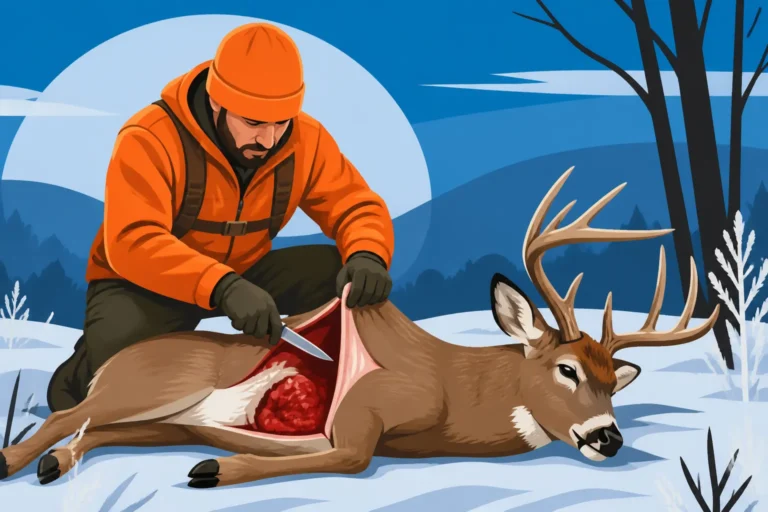
This season is a fantastic opportunity for filling the freezer, but it’s still about smart, ethical hunting. Ensure you have your Kentucky deer permit and any bonus antlerless tags required for your specific zone. Hunting ethically means not only abiding by all legal regulations but also making clean shots, ensuring a quick and humane harvest, and performing proper Field Dressing a Deer in Cold Weather to preserve the meat. The KDFWR provides excellent resources, often available on their website and via the GoHunt app, to help hunters stay informed about all regulations.
Disclaimer
Please remember that hunting regulations, season dates, and zone boundaries in Kentucky are subject to change. Always consult the current Kentucky Department of Fish and Wildlife Resources (KDFWR) Hunting & Trapping Guide before heading into the field to ensure you are up-to-date on all applicable laws and regulations.