Blood Trailing After Dark in Kentucky
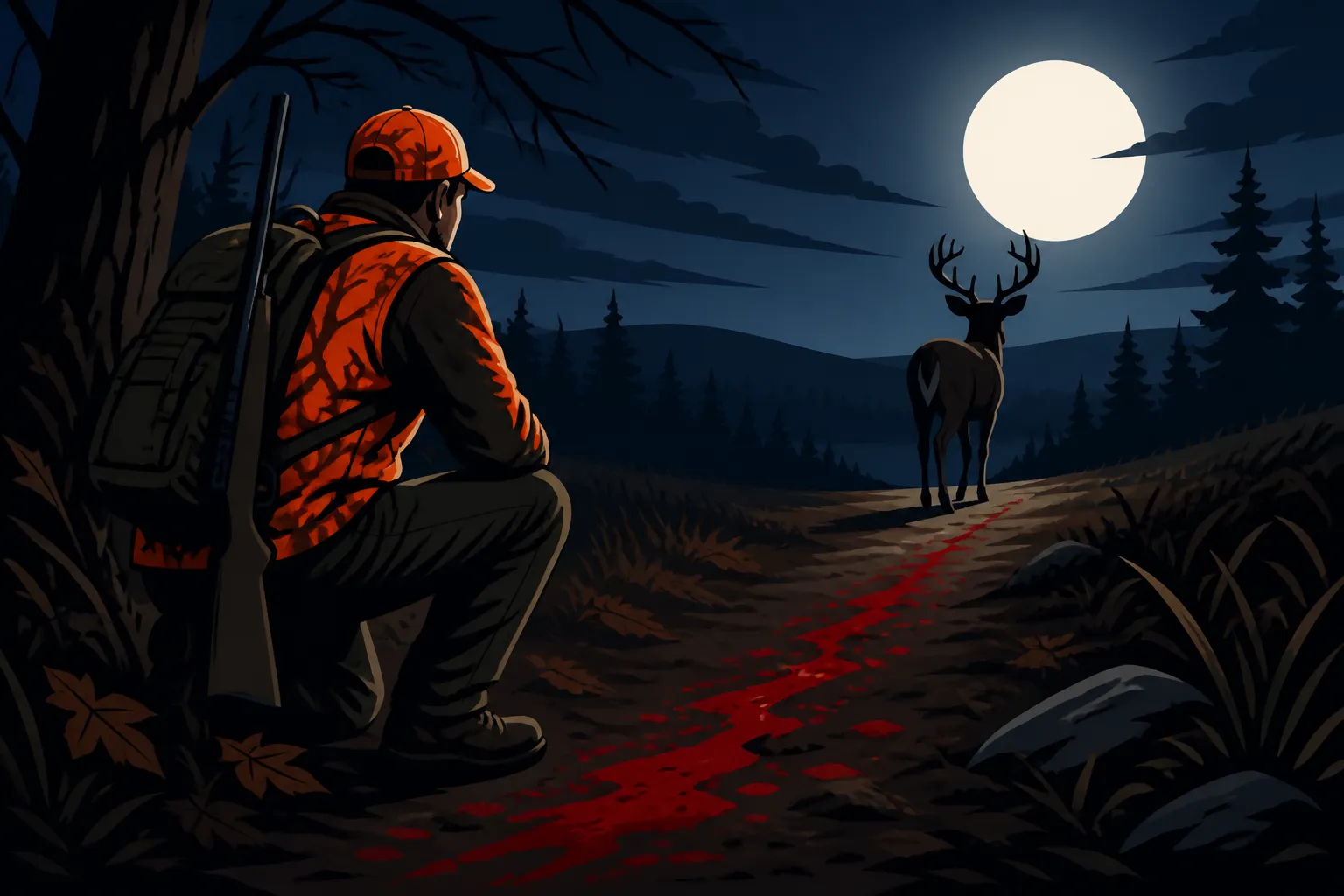
There's nothing quite like the knot in your stomach when the last sliver of daylight fades, and you know you've got a deer down, but the blood trail is just too faint, or worse, completely vanished. The sinking feeling of losing a hard-earned harvest to the darkness is a frustration every Kentucky hunter has faced. This guide aims to equip you with the knowledge, tools, and strategies to confidently tackle blood trailing after dark, maximizing your chances of a successful recovery and honoring the animal you pursued.
The Unique Challenges of Night Trailing in Kentucky Woods
Trailing a deer in the daylight can be tough enough, but once the sun dips below the ridgelines, the difficulty multiplies exponentially. Our Kentucky terrain, with its dense hardwoods, thick underbrush, and rolling hills, becomes a completely different beast under a moonless sky. It’s not just about seeing the blood; it’s about navigating safely and effectively in an environment that actively works against your senses.
Reduced Visibility and Sensory Overload
The most obvious hurdle is the profound lack of natural light. Even with a full moon, the canopy overhead can create pockets of absolute blackness that swallow up even the brightest headlamp beam. Shadows play tricks on your eyes, making every leaf look like a blood spatter, or worse, hiding the real signs. What was a clear trail just an hour ago can become an impossible puzzle.
Beyond just vision, the darkness can mess with your other senses. The forest sounds amplify, making every rustle of leaves sound like a deer moving, or every distant coyote howl send a shiver down your spine. Your sense of direction can become disoriented, especially in unfamiliar territory. It's easy to get tunnel vision, focusing too hard on the ground right in front of you and losing sight of the broader path or your surroundings. The simple act of Tracking a Deer Through Kentucky Leaf Litter becomes a test of patience and focus when you can barely see your own feet.
The Urgency of the Situation
When you're faced with a wounded animal, time truly is of the essence. There's a moral obligation to recover the game you've shot, and leaving an animal overnight carries several risks. First, if the shot wasn't immediately fatal, the deer could travel further, making recovery even harder. Second, predators like coyotes, which are abundant across Kentucky, become far more active at night. There's a very real chance your deer could become part of their meal before you have a chance to retrieve it. This urgency adds a layer of mental pressure, making clear decision-making even harder. The thought of losing meat from a potential record-book buck from the Kentucky Deer Herd Size to scavengers is a powerful motivator to keep pushing, but it's important to do so intelligently and safely.
Essential Gear for a Successful Night Track
Attempting a night trail without the right equipment is akin to trying to drive a car blindfolded – it's dangerous and almost guaranteed to fail. A few crucial pieces of gear can make all the difference, transforming a desperate search into a methodical, manageable process. Think of your gear as extensions of your senses, helping you see, mark, and navigate when nature's light has failed.
Lighting the Way: Headlamps and Lanterns
Your primary tool for night trailing is going to be light. And when I say light, I don't mean just one little flashlight. You need a robust lighting strategy. A high-quality LED headlamp with a broad beam and adjustable brightness is non-negotiable. Look for models with at least 500-1000 lumens. This frees up your hands to carry your bow or rifle, mark the trail, or simply steady yourself in rough terrain. I always recommend carrying a secondary, handheld flashlight, often with a tighter, more focused beam. This allows you to pinpoint specific areas, check blood spots more closely, and serve as a backup if your headlamp fails.
Some hunters also swear by small, battery-powered lanterns or floodlights that can illuminate a wider area, especially when you've lost the trail and need to perform a grid search. The key is redundancy and versatility. Always carry extra batteries, or ideally, a fully charged power bank if your lights are rechargeable. Make sure your headlamp has a red light option to preserve your night vision when you're taking a break or consulting a map.
Marking Your Path: Trail Markers and Tape
Losing the actual blood trail is one thing; losing your way back to where you started is an entirely different, and much more dangerous, problem. This is where physical trail markers come in. Brightly colored biodegradable flagging tape is essential. Every time you find a confirmed spot of blood, tie a piece of tape to a branch above it. Make sure the tape is visible from both directions – the way you came and the way you're going. This creates a clear breadcrumb trail, preventing you from backtracking over the same ground needlessly and ensuring you can find your way out. Reflective tacks are another excellent option, especially if you anticipate having to leave the trail overnight and return in the morning; a flashlight beam will pick them up from a good distance. Carrying a small bag of these markers can make all the difference, especially when you are Finding Ground Others Walk Past and venturing deep into unfamiliar areas.
Enhancing Your Vision: Specialized Optics and Sprays
While not always necessary, some specialized tools can be invaluable. Blood-enhancing sprays, like Luminol or similar products, can react with hemoglobin to make even minute specks of blood glow under UV light. While these can be effective, they require specific UV flashlights and careful application, and their effectiveness can be hampered by heavy rain or dew. They're more of a last resort when the trail is truly invisible.
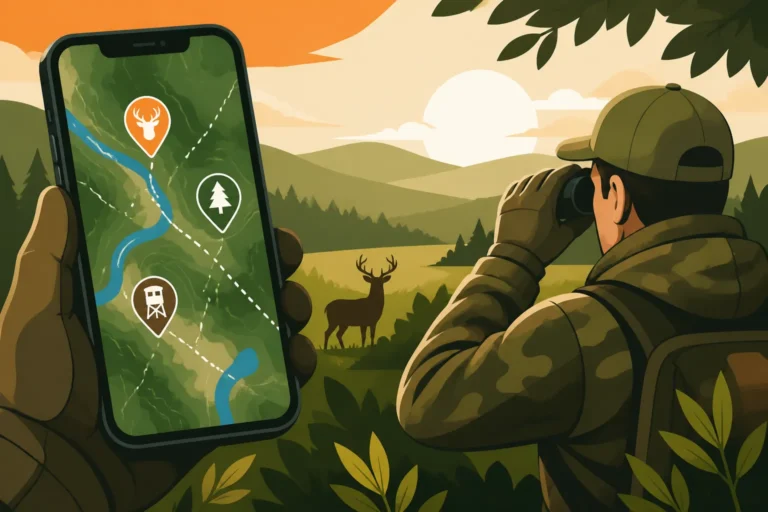
For navigating rough terrain or for initial scans from a vantage point, good binoculars are still useful, even at night. Look for models with large objective lenses (e.g., 8×42 or 10×50) for better low-light performance. Thermal optics are also becoming more accessible, and while Kentucky laws regarding their use for hunting vary (always check the latest regulations!), they can be invaluable for spotting a downed animal in thick cover from a distance, or even picking up a heat signature if the animal is still alive. Remember to always consult the Kentucky Department of Fish and Wildlife Resources regulations on night vision and thermal use for game recovery. Tools like GoHunt can also be extremely helpful here, allowing you to mark potential spots on a satellite map and navigate directly to them, even if you lose the visual trail. You can create waypoints every time you find significant blood or a sign, ensuring you always know your last confirmed spot.
Step-by-Step Night Trailing Strategy
Success in night trailing isn't about blind luck; it's about a systematic, patient approach. Haste makes waste, and nowhere is that truer than when you're trying to find a deer in the dark. Resist the urge to rush, and instead, focus on a methodical process that prioritizes safety and effectiveness.
Assessing the Shot and Waiting Period
Before you even think about grabbing your headlamp and charging into the woods, take a deep breath and replay the shot. What was the distance? What angle? What kind of shot did it feel like? Was it a clear pass-through? Did you hear a thud? Did the deer react to the shot (kick, mule kick, hunch up, run normally)? All these details are critical for determining your waiting period. A gut shot deer absolutely needs more time, often 6-8 hours or more, to bed down and expire. A heart or lung shot might allow for trailing after 30-60 minutes.
This waiting period is crucial for giving the animal time to bleed out and for you to mentally prepare and gather your gear. Use this time to carefully consider factors like Wind and Thermals on a Kentucky Ridge, as a wounded deer will often try to use these to its advantage, bedding into the wind or downhill to smell or see threats. Resist the temptation to jump the gun; patience here can save you a lot of heartache later. If you're on public land, be mindful of other hunters; if you decide to wait until morning, ensure your entry and exit paths are safe.
Starting the Trail with a Solid Plan
Once you've decided it's time to start, approach the last known location of the deer with caution. Don't just immediately walk up to where it was standing when you shot. Instead, circle wide and try to find the entry point of the trail. Look for tracks, disturbed leaves, and, of course, the first speck of blood. This initial blood will tell you a lot – its color, consistency, and quantity. Bright red, frothy blood indicates a lung hit; darker, more watery blood might suggest a muscle or gut hit.
Mark this first spot clearly with your flagging tape or reflective tack. Now, slow down. Get on your hands and knees if necessary. Scan the ground in a grid pattern. Instead of looking for a continuous stream, look for individual drops, smears, or even just disturbances in the leaf litter. Blood can be incredibly hard to see on dark soil or wet leaves. Use your powerful headlamp to cast light from different angles, as sometimes the sheen of wet blood will catch the light even if the color is camouflaged. Mark every confirmed spot of blood. If you're using a mapping app like the one available via Scouting With the Kentucky Hunt Fish App or a premium service like GoHunt, drop a pin at each confirmed spot. This digital breadcrumb trail is just as important as your physical one.
Overcoming Obstacles and Lost Trails
This is where the rubber meets the road. Sooner or later, every night trailer will face the dreaded vanishing blood trail. When this happens, do not panic. The first rule is to go back to your last confirmed spot. Take a breath. Now, expand your search. Instead of looking directly ahead, start sweeping wider circles or grid patterns around that last marker. Look for any sign: a disturbed rock, a scuff mark, a bent blade of grass, or an overturned leaf that might reveal blood on its underside.
If the ground is soft, you might be lucky enough to find tracks. Reading Kentucky Mud for Fresh Deer Movement is a skill that becomes even more valuable here. Pay attention to the direction of travel – deer tend to follow the path of least resistance, especially when wounded. They'll often head downhill, toward water, or into the thickest cover they can find. If you're in a group, spread out slightly, but maintain visual and verbal contact. Designate a lead person who is focused on the immediate trail, while others can fan out to the sides looking for broader signs or trails. If you are struggling, remember that the GoHunt app can provide invaluable topo maps and satellite imagery, helping you identify natural funnels, creek beds, or dense cover where a wounded deer might seek refuge. Mark an "LKS" (Last Known Spot) on your app and then use the compass feature to methodically search outward.
| Trailing Situation | Recommended Action | Key Gear |
|---|---|---|
| Faint Blood Trail | Mark every speck, even tiny ones. Scan with headlamp from multiple angles. Get on hands and knees. | High-lumen headlamp, flagging tape, focused handheld light |
| Lost Trail Completely | Return to last confirmed spot. Expand search in a spiral or grid pattern. Look for tracks, disturbed vegetation. | GPS/mapping app (GoHunt), multiple lights, patient mindset |
| Deer Runs Uphill/Downhill | Expect deer to often go downhill towards water or dense cover. Uphill means it might not be mortally wounded. | Topo maps (GoHunt, Hunt Fish App), sturdy boots |
| Thick Underbrush | Slow down drastically. Check every branch and leaf for smears. Listen for movement. | Durable clothing, bright headlamp, strong will |
| Rainy/Wet Conditions | Blood washes away quickly. Focus more on tracks and disturbed ground. Look for blood on underside of leaves. | Waterproof lights, rain gear, enhanced blood spray (optional) |
When to Call for Help or Return in the Morning
Knowing when to push forward and when to back off is a critical skill. Sometimes, despite your best efforts and all the gear in the world, the conditions or the animal's behavior will dictate that the wisest decision is to stop and regroup.
Understanding Your Limitations
Hunting alone at night, especially in rugged Kentucky terrain, can quickly become dangerous. You can get disoriented, fall, or even worse, suffer an injury far from help. If you're physically exhausted, mentally frustrated, or feeling unsafe, those are clear signals to stop. There's no shame in recognizing your limits. If the blood trail has completely vanished for an extended period, despite your best grid searching, it's highly likely that continuing to push blindly will only push the deer further, making recovery even less probable.
Consider the amount of time you've spent. If you've been on the trail for hours with minimal progress, the deer has likely bedded down, possibly expired, or moved a significant distance. Continuing to bump it could push it off your property or into unrecoverable areas. Always have a fully stocked First Aid Kits for Remote Daniel Boone Forest Ground in your pack, just in case you run into trouble yourself.
Utilizing Tracking Dogs
Kentucky is one of the states that allows the use of leashed tracking dogs for game recovery, and this can be an absolute game-changer. These dogs, often Lacy Dogs, Bloodhounds, or mixes, are specifically trained to follow cold blood trails, even days after the shot. If you've lost a trail and are considering giving up, reaching out to a certified tracking dog service should be your next step.
Many such services operate across Kentucky. They understand the nuances of the law and are dedicated to ethical recovery. A good tracking dog can pick up a scent that no human eye or specialized spray could ever detect, often leading you directly to your deer. Keep a list of local tracking dog handlers in your phone, especially if you plan to hunt in a challenging area like the Cumberland Mountains.
The Tough Decision to Return at Dawn
If all else fails, and you've exhausted your resources and your patience, the most responsible decision might be to mark your last known blood sign, pull out your GoHunt app to record your current location, and return at first light. This is an incredibly tough call for any hunter, but sometimes it's truly the best option for recovery.
In the morning, the light will be on your side. You'll be rested, clearer-headed, and able to see the nuances of the trail that were invisible in the dark. Dew on the ground can sometimes highlight tracks or even blood that was dry overnight. While there's always the risk of scavengers, a deer that has expired will typically cool quickly, reducing spoilage if temperatures are low enough. Make sure to retrieve your deer as soon as possible after sunrise. Then you can focus on the critical next steps like Field Dressing a Deer in Cold Weather and getting your harvest ready for Butchering a Deer at Camp. Remember, the goal is always ethical recovery, and sometimes that means a tough decision to wait.
Disclaimer
This article is for general informational purposes only and does not constitute professional advice. Laws, prices and regulations vary by location and change over time. Consult a qualified professional for guidance on your specific situation.