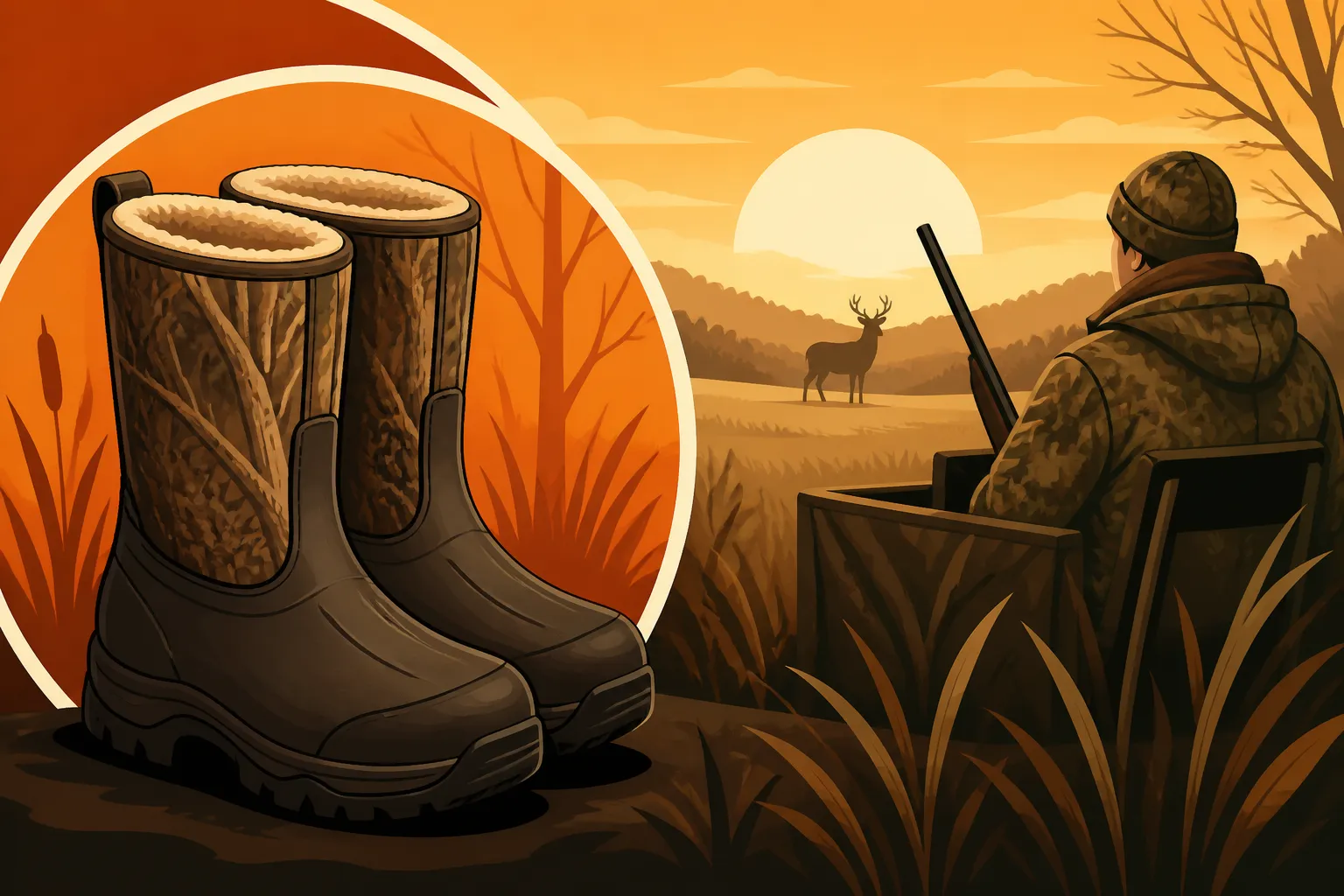
Insulated Boots for All-Day Sits
There's nothing quite like the biting cold creeping into your boots, stealing the warmth from your toes, and forcing you to cut an otherwise perfect late-season sit short. We've all been there, shivering and miserable, contemplating whether that deer is worth frozen digits. But a long day in a Kentucky treestand or ground blind, especially when the mercury plummets, demands more than just any old footwear. This guide is all about helping you understand why insulated boots are absolutely essential for extending your time afield and staying comfortable during those critical all-day hunts.
The Unseen Enemy: Why Cold Feet Ruin a Kentucky Hunt
Ask any seasoned Kentucky hunter about their worst hunt, and many will recount a tale of numb toes and aching feet. It’s a common frustration, often leading to prematurely abandoning a promising stand or losing focus when it matters most. Kentucky weather, particularly as the season stretches into late fall and winter, can be surprisingly brutal, turning a crisp morning into a bone-chilling marathon if you’re not prepared.
Kentucky's Unique Cold Weather Challenges
Kentucky’s climate isn't like the arid cold of the mountains out west; it's often a damp, penetrating chill. We get plenty of freezing rain, sleet, and wet snow that soaks into inferior materials and wicks away warmth with alarming efficiency. When you're sitting in a treestand overlooking a frosty creek bottom or tucked into a ground blind near a Late-Season Food Sources for Kentucky Whitetails, that dampness can feel like it's seeping directly into your bones. The combination of cold temperatures and high humidity makes effective insulation and waterproofing paramount. Those foggy mornings that turn into clear, frigid days, or the slow, steady drizzle that gives way to a stiff north wind, demand footwear that can withstand it all.
The Impact of Cold Feet on Focus and Endurance
When your feet are cold, your entire body suffers. It's a physiological response: your body instinctively tries to protect its core temperature, reducing blood flow to your extremities. This isn't just uncomfortable; it's detrimental to your hunt. You find yourself fidgeting, shifting weight, and stamping your feet, creating movement and noise that can easily spook wary whitetails. Instead of scanning the timber for movement or intently listening for a rustle in the leaves, your mind is preoccupied with the discomfort. A truly miserable sit can drain your mental and physical endurance, turning what should be an enjoyable, productive day into a test of sheer stubbornness. You might even pack up early, missing that crucial last hour of daylight when deer are often most active.
Beyond Comfort: The Safety Aspect
While comfort is a huge factor, the repercussions of inadequate footwear can extend to safety, particularly when you consider the terrain and typical hunting scenarios across Kentucky. Think about Dragging a Deer Out of a Steep Hollow in freezing conditions, or just navigating slick, frozen leaf litter on a Still-Hunting Eastern Kentucky Ridges expedition. Numb feet can impair your balance and coordination, increasing the risk of a slip or a fall. Frostnip and, in extreme cases, frostbite, are real dangers, especially if you’re stationary for extended periods in single-digit temperatures. Properly insulated boots provide a crucial barrier against these elements, ensuring your feet remain healthy and responsive, allowing you to move confidently and safely through the challenging landscapes we call home.
Decoding Insulation: Grams, Materials, and Waterproofing
Choosing the right insulated boot can feel a bit like cracking a secret code. You see numbers like "400 grams" or "1200 grams" and wonder what they actually mean for your feet in the field. Understanding these ratings and the materials involved is key to making an informed decision that will serve you well, whether you're facing a brisk November morning or the bitter cold of January.
Understanding Insulation Ratings
Insulation in boots is typically measured in grams, referring to the weight of insulation material per square meter. The higher the gram count, the more insulation the boot provides, and generally, the warmer it will be.
- 200-400 Grams: These are often considered "lightly insulated" boots. They're excellent for active hunting in cooler conditions, say from early archery season into late fall, when temperatures might dip into the 30s and 40s. If you're doing a lot of walking, like still-Hunting the Late-Season January Lull or scouting new ground, this level provides warmth without causing your feet to overheat and sweat. Overheating leads to moisture, and moisture leads to cold feet—a vicious cycle.
- 600-800 Grams: This range offers a good balance for hunters who might be doing moderate activity but also plan for longer periods of sitting. This is a versatile choice for much of Kentucky's firearm season, when temperatures can fluctuate, but still hover around freezing. It's ideal for those chilly sits in a treestand that aren't quite arctic, but where you still need serious protection.
- 1000-1200+ Grams: Now we're talking serious cold-weather gear. Boots in this category are designed for sedentary hunting in bitter conditions, think late muzzleloader season or the deep freeze of December and January. If your plan is to sit all day, motionless, waiting for that big buck to step out, these are the boots that will prevent your toes from turning into ice cubes. They are heavier and bulkier, so they're not ideal for long treks, but for stationary warmth, they are unmatched.
The Role of Synthetic vs. Natural Insulation
Most hunting boots use synthetic insulation, with common brand names like Thinsulate, PrimaLoft, or Aerogel. These materials are engineered to trap air, which is what actually provides the warmth, even when compressed.
- Synthetic Insulation (e.g., Thinsulate, PrimaLoft): These are the workhorses of insulated boots. They are excellent at retaining warmth even if they get wet, which is a massive advantage in Kentucky's often damp environment. They are also typically lighter, less bulky than traditional natural fibers like wool or down at similar warmth levels, and more affordable. They dry relatively quickly and resist mildew. The downside is that they are still a synthetic material, and some argue they don't breathe quite as well as natural alternatives, though modern synthetics have made huge strides in this area.
- Natural Insulation (e.g., Wool, Down): While less common as primary boot insulation, some high-end boots might incorporate natural fibers. Down is incredibly warm for its weight, but its insulating properties are severely compromised when wet—making it a less ideal choice for the exterior of a hunting boot unless impeccably waterproofed. Wool, on the other hand, excels at retaining warmth even when damp and offers excellent breathability. However, it can be bulkier and heavier than synthetics for the same warmth, and less common as a direct insulation layer in the boots themselves, though it's fantastic for socks.
Choosing between them often comes down to personal preference and the specific design of the boot. For most Kentucky hunters, a quality synthetic insulation combined with a good wool sock is the winning combination.
The Non-Negotiable: Waterproofing for Kentucky Terrain
Here in Kentucky, "waterproof" isn't a luxury; it's a fundamental requirement. You might have the warmest insulation in the world, but if water gets in, that warmth is gone, and your feet will be freezing faster than you can say "trophy buck." Our creek bottoms, rain-soaked leaves, and unexpected puddles demand reliable protection.
Most quality hunting boots achieve waterproofing through a membrane, often Gore-Tex or similar proprietary technologies. These membranes have microscopic pores that are small enough to prevent water droplets from entering but large enough to allow water vapor (sweat) to escape, offering breathability. Without this crucial feature, your feet would get soaked from the inside out by perspiration, negating the benefits of insulation. When you're Hunting Western Kentucky Bottomland Deer or navigating wet conditions in Daniel Boone National Forest Hunting, that waterproof barrier is what separates a successful, comfortable hunt from a miserable, early exit. Always check for a reputable waterproof membrane in any boot you consider.
Here's a quick reference for insulation levels:
| Insulation (Grams) | Activity Level | Typical Temperature Range | Best Use Case in Kentucky |
|---|---|---|---|
| 200-400 | High (Active) | 30°F to 50°F (-1°C to 10°C) | Early archery, extensive walking, active scouting, cool fall days |
| 600-800 | Moderate (Mixed) | 15°F to 40°F (-9°C to 4°C) | General deer season, stand hunting with some walking, colder fall |
| 1000-1200+ | Low (Sedentary) | Below 15°F (Below -9°C) | Late muzzleloader, all-day treestand sits, extreme winter cold |
Matching Your Boots to Your Kentucky Hunting Style
Kentucky offers such diverse hunting opportunities, from the rugged mountains of the east to the sprawling agricultural lands of the west. Your hunting style, the specific game you're after, and even the time of year all play a significant role in determining the ideal insulated boot. What works perfectly for a stationary elk hunt in the mountains might be overkill for a run-and-gun turkey approach.
Sitting Still: Treestands and Ground Blinds
For those long, motionless hours spent in a treestand or ground blind, especially during the colder parts of Kentucky's Statewide Modern Gun Season or Muzzleloader Deer Hunting in Kentucky, maximum insulation is your best friend. When your blood isn't pumping to generate warmth, you need your gear to do all the work.
- High Gram Insulation is Key: This is where boots with 1000 grams or more of insulation truly shine. Brands often offer models specifically designed for extreme cold, sometimes with additional features like thicker soles or integrated heat pack pockets. The goal here is to create a warm, dry microclimate around your foot that can withstand hours of inactivity.
- Comfort and Support for Standing: Even if you're primarily sitting, you'll still be walking to and from your stand, and likely standing for periods of glassing or taking a shot. Look for boots that offer good ankle support and a comfortable footbed to prevent fatigue. You might be carrying a pack, a rifle, or your bow, so stability is important on uneven ground.
- Quiet Movement: While you won't be moving much in the stand, the sound of your boots against the metal of a treestand or the wood of a ground blind can be amplified in the still, cold air. Choose boots with softer rubber outsoles and minimal hard plastic components that could clank or squeak. You don't want to make noise when you're Hanging a Stand on an Eastern Kentucky Ridge or making those final adjustments before daylight.
On the Move: Still-Hunting and Scouting
If your primary method involves covering ground—still-hunting a ridge, tracking, or extensively scouting new areas—your needs shift dramatically. Over-insulating can lead to sweaty feet, which quickly turn cold once you stop moving.
- Moderate Insulation for Activity: Boots in the 400 to 800-gram range are often ideal for active hunting. They provide sufficient warmth for cool temperatures but allow your feet to breathe, preventing excessive perspiration. The key is finding that sweet spot where you're warm enough but not overheating.
- Lightweight and Flexible: You'll want boots that aren't overly heavy or stiff. Every ounce counts when you're putting in miles across varied terrain. Look for a flexible sole that allows for natural foot movement and good traction on slippery leaves, muddy trails, or rocky slopes.
- Durable and Protective: Active hunting puts more wear and tear on your footwear. Invest in boots made with robust materials that can withstand scrapes from briars, encounters with sharp rocks, and repeated flexing. A good rand around the boot can add crucial protection. When you're Scouting Kentucky Public Land Before Season or Reading a Ridge for Cumberland Deer, you need boots that can take a beating and keep performing.
Considering Early Season vs. Late Season Needs
The distinct weather patterns of early versus late season in Kentucky drastically alter your boot requirements.
- Early Archery Season (Late September/October): Think cool mornings, warm afternoons, and often humid conditions. Insulation needs are minimal, if any. Focus more on breathability and waterproofing to handle dew-soaked fields and unexpected showers. Uninsulated or very lightly insulated (200g) waterproof boots are usually sufficient, paired with moisture-wicking socks. The priority is preventing sweat buildup. For more on early season, check out When Kentucky's Archery Season Opens.
- Peak Rut (Early November): Temperatures start to drop significantly, and all-day sits become more common. This is often where 600-800 gram boots hit their stride. You're moving a bit, but also spending significant time stationary. Good waterproofing is still crucial with increasing chances of rain and freezing temperatures. Learning Hunting the Rut in Early November involves being prepared for varied conditions.
- Late Season (December/January): This is prime time for those heavy-duty, 1000-1200+ gram insulated boots. Cold, wet, and windy conditions are the norm, and sitting motionless for hours demands maximum protection. Prioritize extreme warmth and absolute waterproofing. Your feet will thank you for the extra investment when you're hunting during Kentucky's Statewide Modern Gun Season in December or facing a January cold snap.
Beyond Insulation: Fit, Features, and Foot Care
Insulation is vital, but it's just one piece of the puzzle for all-day comfort and performance in Kentucky's challenging hunting environments. The overall fit, construction, and how you care for your feet and boots are equally crucial to ensuring your gear performs its best.
The Importance of Proper Fit and Sock Choice
Even the most expensive, highly insulated boots will fail you if they don't fit correctly or if you wear the wrong socks.
- Fit is Paramount: Your boots should be snug but not tight, allowing for a medium-weight hunting sock without compressing your foot. A common mistake is buying boots that are too tight, which restricts blood flow and actually reduces warmth, even if the boots are heavily insulated. Make sure you can wiggle your toes comfortably. Try boots on at the end of the day when your feet are slightly swollen, and always with the type of socks you plan to wear while hunting. This ensures an accurate fit for your actual field conditions.
- Sock Selection Matters: Layering socks can be effective, but typically a single pair of high-quality wool or synthetic blend socks is best. Avoid cotton at all costs; it absorbs moisture and loses all insulating properties when wet. Wool, especially Merino wool, excels at wicking moisture away from your skin while still providing warmth, even when damp. Consider different thicknesses based on your boot's insulation level and the expected temperatures. A good pair of Wool Versus Synthetics in Wet Cold socks will work wonders with your insulated boots.
- Breaking Them In: Never head out for an all-day hunt in brand new boots. Always break them in with shorter walks or scouting trips to identify any hot spots or rubbing areas before you commit to a full day afield.
Outsoles, Support, and Durability
The bottom of your boots and their overall construction are just as important as the insulation for navigating Kentucky's varied terrain.
- Traction and Outsole Design: Our state's hunting grounds can present everything from slick, muddy slopes in a creek bottom to icy logging roads and rocky outcroppings. Look for aggressive lug patterns on the outsole that provide multi-directional traction. Softer rubber compounds will grip better in cold conditions but might wear faster. For a good visual of what you'll encounter, think about Boots for Kentucky Hollows and Creek Bottoms.
- Ankle Support: Whether you're climbing into a treestand, traversing a sidehill, or Dragging a Deer Out of a Steep Hollow, strong ankle support is critical to prevent twists and sprains. High-cut boots offer the best support, keeping your foot stable and protected from debris.
- Durability and Construction: Quality boots are an investment. Look for features like reinforced stitching, durable leather or synthetic uppers, and solid hardware for laces. A well-constructed boot will last for many seasons, enduring the rigors of Kentucky hunting. You'll want something that holds up when you're out Hunting Western Kentucky River Bottoms or climbing through thick brush.
Maintaining Your Boots for Longevity
Even the best boots need care to perform year after year. Proper maintenance extends their lifespan and ensures they keep your feet warm and dry.
- Cleaning: After each hunt, especially if they're muddy or wet, clean your boots. Remove excess dirt and mud with a brush and water. Let them air dry naturally, away from direct heat sources like fires or heaters, which can damage materials and adhesives.
- Waterproofing Treatment: Over time, the durable water repellent (DWR) finish on the exterior of your boots will wear off, and the waterproof membrane can degrade. Periodically reapply a suitable waterproofing treatment, especially before the start of a new season. This ensures that water beads up and runs off, preventing the outer layers from becoming saturated.
- Storage: Store your boots in a cool, dry place. Avoid leaving them in direct sunlight or extreme temperatures for extended periods. If possible, use boot trees or stuff them with newspaper to help them retain their shape and absorb any residual moisture. Just like you'd meticulously check your gear for Layering for a Kentucky Deer Stand or your calls for Rattling and Grunting in Kentucky, your boots deserve the same attention. Staying on top of maintenance, even simple steps like regularly checking the tread and laces, means your insulated boots will be ready when that next cold front rolls through. Utilizing resources like the GoHunt app to plan hunts and then ensuring your gear, including your boots, is up to snuff can make all the difference.
Disclaimer
This article is for general informational purposes only and does not constitute professional advice. Laws, prices and regulations vary by location and change over time. Consult a qualified professional for guidance on your specific situation.