Ground Blinds on Kentucky Field Edges
There's nothing quite like the anticipation of a deer hunt, especially when you're perched on a field edge, waiting for that golden hour. But let's be honest, trying to find adequate cover and maintain stealth along those open field edges in Kentucky can be a real headache. Whether it's the biting wind, the relentless rain, or simply the lack of natural concealment, many of us have felt exposed and frustrated. This comprehensive guide is designed to help you navigate those challenges, offering deep insights into selecting, deploying, and effectively hunting from ground blinds along Kentucky's diverse field edges.
Why Ground Blinds Are a Game Changer on Kentucky Field Edges
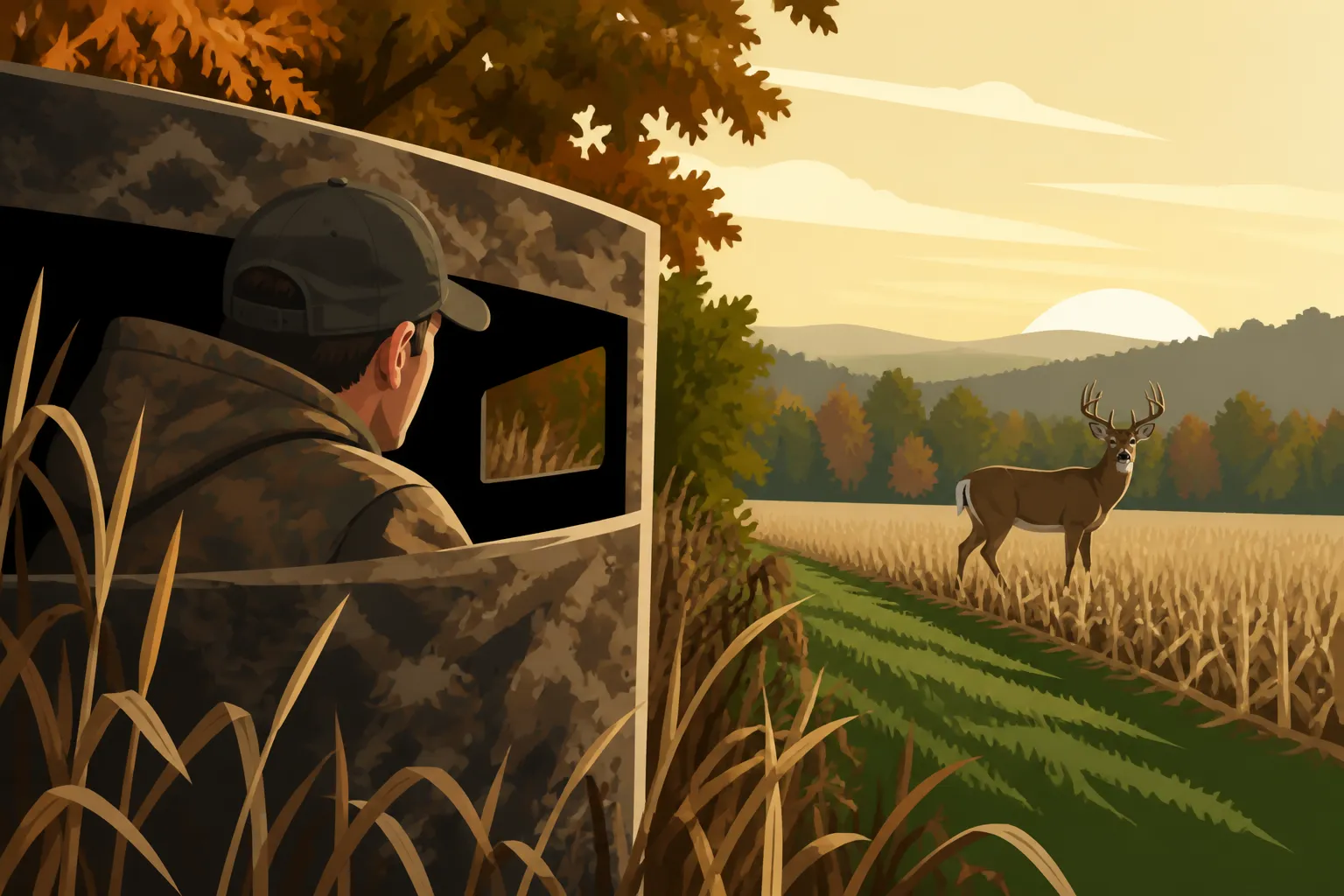
Hunting from a field edge can be incredibly productive, as deer frequently use these transitional zones between cover and food sources. However, the inherent lack of dense cover often makes traditional treestand hunting or still-hunting difficult without spooking wary whitetails. That's where a ground blind truly shines, offering a distinct advantage that many hunters, myself included, have come to rely on.
Beating the Elements and Maintaining Stealth
One of the most immediate benefits of a ground blind is the protection it offers from the unpredictable Kentucky weather. We've all been there: a crisp morning hunt turns into a blustery, drizzly affair that chills you to the bone. A ground blind, when properly set up, shields you from wind, rain, and even light snow, allowing you to stay out longer and remain more focused. This isn't just about comfort; it's about endurance and effectiveness. When you're not shivering or constantly wiping rain from your face, you're better able to concentrate on the hunt.
Beyond comfort, ground blinds are a stealth master's best friend. They contain your movement, your scent, and significantly reduce the chances of a deer spotting you fidgeting or raising your binoculars. Think about trying to draw a bow or shoulder a rifle from a treestand when a deer is at 30 yards, constantly scanning. Even the slightest movement can blow your cover. Inside a blind, with strategically placed shooting windows, you have a much greater margin for error. Your scent cone is also more concentrated, rising slightly before dissipating, which can be an advantage compared to sitting openly on the ground where scent tends to spread out more immediately. This added layer of concealment and protection allows for longer, more comfortable, and ultimately, more successful hunts, especially during those colder, wetter periods of the season.
Comfort and Accessibility for All Hunters
Let's face it, not every hunter is able or willing to scale a tree or sit perfectly still for hours on an exposed stump. Ground blinds are incredibly inclusive, opening up hunting opportunities for a wider range of individuals. For youth hunters, a blind offers a contained, warmer, and more comfortable environment where they can move a bit more without giving away their position. This makes the experience far more enjoyable for them and fosters a love for hunting without the immediate pressure of absolute stillness. Imagine taking a first-timer out for Bringing a First-Timer on a December Hunt; a warm, comfortable blind can make all the difference in their experience.
The same goes for hunters with mobility challenges or those who simply prefer to hunt from solid ground. Setting up a comfortable chair, having easy access to your gear, and being able to stretch your legs occasionally without worrying about movement are huge advantages. I've known plenty of seasoned hunters who, after years of climbing, now prefer the stable, quiet environment of a ground blind. It allows for longer sits, which is often key to success, particularly when hunting the edges of large ag fields where deer might not step out until well into the morning or late into the evening.
A Mobile Fortress for Wary Deer
Deer, especially mature bucks, are incredibly smart. They quickly pattern hunter activity and become wary of traditional treestand setups. They've seen those dark silhouettes against the sky, they've scented the access routes, and they know what a ladder stand means. A ground blind, however, offers a different dynamic. Because they can be relatively portable and set up in different locations, they can be deployed as a "mobile fortress" that appears less threatening, especially when carefully brushed in. You can place a blind along a field edge one week, hunt it, and then move it to a different edge or even a new field the next, keeping the deer guessing.
This mobility is a huge asset when deer shift their feeding patterns due to crop rotations, acorn crops, or changes in pressure. If you've been Hunting After a Poor Acorn Year, deer might be hitting those green fields harder, making a blind an excellent choice. Furthermore, in areas with significant Hunting Pressure on Kentucky Public Land, deer become even more nocturnal and cautious. A well-placed, thoroughly brushed-in ground blind can offer that extra edge of concealment that allows you to capitalize on a deer that's just barely stepping out into the open at first or last light, before heading back into thick cover.
Selecting the Perfect Ground Blind for Your Kentucky Hunt
Choosing a ground blind isn't a "one size fits all" decision. The market is flooded with options, and what works for a spring turkey hunt might not be ideal for a late-season deer vigil on a frosty Kentucky field edge. Making the right choice involves considering several key features and understanding the different types available to ensure your investment pays off in comfort and concealment.
Key Features to Look For
When you're staring at a row of ground blinds in the store or browsing online, it's easy to get overwhelmed. Focus on these critical features that will make or break your field edge hunting experience:
- Durability and Weather Resistance: Kentucky weather can be harsh. You need a blind that can stand up to high winds, heavy rain, and prolonged sun exposure without falling apart or fading into a non-camo spectacle. Look for strong, fiberglass poles, thick fabric (often 300-600 denier), and reinforced stitching. Water-resistant coatings are a must. There's nothing worse than getting soaked an hour into your hunt because your blind fabric failed.
- Silent Operation: This is paramount. Deer have incredible hearing. Zippers, Velcro, and window adjustments must be quiet. Many manufacturers now offer "silent slide" window systems or magnetic closures, which are huge improvements over traditional noisy options. Test them out in the store if you can. Imagine trying to open a window for a shot when that big buck is looking your way, and the zipper screams – hunt over!
- Concealment Patterns: A good camo pattern is essential, but it's not just about matching the general woods. For field edges, you often need patterns that mimic brush, tall grass, or cornstalks. Some blinds come with external brush loops, allowing you to add natural vegetation from your specific hunting spot. This is incredibly effective and helps break up the outline.
- Size and Capacity: Consider how many hunters will be in the blind. Are you solo? Hunting with a child? Do you need space for a heater, a large pack, and enough room to draw a bow comfortably? Blinds range from compact, single-person models to spacious hubs designed for two or three. Don't underestimate the value of extra space, especially on long sits.
- Window Configuration: Look for versatile window arrangements that allow for 360-degree viewing and multiple shooting angles. Mesh screens that allow you to see out but obscure vision inward are excellent. Some blinds have shoot-through mesh, but always test your broadheads or bullets through it beforehand to ensure accuracy.
Pop-Up vs. Hub-Style vs. Permanent Options
Each type of ground blind has its niche, and understanding their strengths and weaknesses will guide your decision for field edge hunting:
- Pop-Up Blinds: These are typically the most portable and quickest to set up. They literally "pop up" from a compressed state, making them ideal for hunters who like to move frequently or set up quickly before a morning hunt. They're great for situations where you might be Hunting a Standing Cornfield in Farm Country and need to relocate as harvest progresses. However, they can be less stable in high winds and often lack the internal space of hub-style blinds. Their light frame also means they might not be as durable over many seasons.
- Hub-Style Blinds: These are the most popular choice for deer hunting, especially for longer sits. They use a system of flexible poles that "hub" out, creating a sturdy, spacious, and relatively quick-to-set-up structure. They offer excellent stability in adverse weather and typically have more internal room for gear and multiple hunters. Many high-quality brands like those you might find on GoHunt offer fantastic hub-style options. They are still portable enough for most field edge applications, but take a minute or two longer than a true pop-up. Their increased rigidity also means they hold their shape better when brushed in.
- Permanent or Semi-Permanent Blinds: These include homemade wooden structures, elevated box blinds, or heavy-duty blinds designed to be left out all season. While not truly "ground blinds" in the portable sense, they are often placed on field edges. They offer the ultimate in comfort and weather protection but lack portability. They require significant effort to build or place and are usually only viable on private land where you have permission to leave structures year-round. While fantastic for dedicated spots, they don't offer the flexibility of portable options for adapting to changing deer patterns. For this guide, we're focusing more on the portable ground blinds.
| Blind Type | Portability | Setup Time | Stability (Wind) | Typical Cost Range | Best Use Case |
|---|---|---|---|---|---|
| Pop-Up | Excellent (light) | Very Fast (seconds) | Moderate | Lower | Quick setups, frequent moves, short hunts. |
| Hub-Style | Good (moderate) | Fast (1-2 minutes) | Excellent | Mid to High | Longer sits, all-day comfort, multi-person hunts. |
| Permanent | N/A (fixed) | N/A (pre-set) | Superior | High (initial) | Dedicated, long-term spots on private land. |
Budgeting for Quality
Just like any piece of hunting gear, you generally get what you pay for with ground blinds. A very inexpensive blind might seem like a great deal, but it could quickly rip, have noisy zippers, or struggle in a stiff Kentucky breeze. For a reliable, durable blind that will last several seasons and truly enhance your hunting, expect to invest. Higher-end blinds offer better fabric, stronger hubs, quieter components, and more thoughtful designs. They can withstand more abuse, provide better concealment, and offer a more comfortable experience, which translates to more time in the field and a higher chance of success. Consider it an investment in your hunting comfort and effectiveness over the long haul.
Mastering Strategic Placement and Concealment
Having the best ground blind money can buy won't do you any good if you plop it down in the middle of a barren field. Strategic placement and meticulous concealment are arguably more critical than the blind itself. This is where your scouting and understanding of deer behavior truly come into play, especially when hunting the sensitive transition zones of field edges.
Reading the Landscape for Optimal Placement
Deer don't just wander aimlessly along a field edge; they use specific travel corridors, pinch points, and areas of security cover. Your job is to identify these and place your blind accordingly.
- Natural Cover is King: Always try to position your blind against a backdrop of existing natural cover – a thick fencerow, a clump of cedars, a brush pile, or the edge of a timber block. This helps break up the blind's outline and makes it appear less intrusive. Don't place it in the open if you can avoid it. A blind that looks like it grew there overnight is far less alarming to deer than a dark blob on an otherwise clear line.
- Pinch Points and Funnels: Look for areas where the natural cover constricts deer movement into a narrower path. This could be a small woodlot jutting into a field, a low spot in a fence line, or even a subtle rise in the terrain that deer prefer to cross. Placing your blind near these natural funnels will put you in a prime position to intercept deer moving from bedding to feeding areas. Sometimes, a subtle ditch or a drainage that winds along a field edge can act as a natural travel corridor, providing an excellent location for concealment and ambush. Hunting a Funnel Between Two Hollows teaches similar principles for wooded terrain, but apply that thinking to the structure of a field edge.
- Entry and Exit Routes: This is absolutely critical, but often overlooked. You need to be able to get to and from your blind without spooking deer that are already in the field or approaching it. Use topographical features, ditches, thick cover, or even standing crops to conceal your approach. Plan your route so you're not walking directly across the field at dawn or dusk, silhouetted against the sky. Consider the wind direction during your entry and exit; you don't want your scent blowing into the field where deer are likely to be.
Brushing In Your Blind Like a Pro
A bare ground blind sticks out like a sore thumb. Even the best camouflage pattern can't fully hide a geometric shape in a natural environment. The key to true concealment is to "brush in" your blind, integrating it with the surrounding vegetation. This means making it look less like an artificial structure and more like a natural part of the landscape. Brushing In a Blind on a Field Edge is an art form, and here's how to master it:
- Use Local Vegetation: Gather branches, weeds, cornstalks, tall grasses, and even small saplings from the immediate area around your blind. Attaching these to the blind's brush loops or tucking them into the framework helps it blend seamlessly. The goal is to break up the hard lines and outline of the blind.
- Don't Overdo It, But Don't Underdo It: There's a balance. Too much brush can impede your shooting lanes or make the blind too dark inside. Too little, and it's still visible. Start by covering the corners and edges, then fill in the flatter panels, always keeping your shooting windows clear. Step back often and view the blind from different angles, especially from the deer's likely approach paths, to identify any areas that need more attention.
- Allow Time to Blend: If possible, set up and brush in your blind a week or two before you plan to hunt it. This allows deer to get accustomed to its presence and for the blind to "settle" into the landscape. The natural vegetation you used will also start to wilt and blend in better. While not always feasible for mobile hunts, it's a huge advantage if you have a spot you plan to hunt repeatedly.
Considering Wind and Sun
These two environmental factors are often overlooked but are paramount to successful ground blind hunting on a field edge.
- Wind Direction: Always, always hunt with the wind in your favor. Your scent will be carried downwind, so position your blind so the prevailing wind carries your scent away from where you expect deer to approach or feed. Check the forecast and use an app like GoHunt to predict wind direction for your specific location. If the wind changes direction unexpectedly, be prepared to adjust your strategy or relocate. Hunting the wrong wind can ruin a perfect setup in seconds. Your position relative to the wind is far more critical than how camouflaged your blind is.
- Sun Angle: Consider where the sun will be during prime hunting times (first and last light). You don't want the sun shining directly into your shooting windows, creating glare that blinds you or silhouettes you inside the blind. Position your blind so the sun is either at your back or to your side. This also applies to the deer's perspective; a blind that is backlit can be more easily spotted, appearing as a dark void against a brighter background. Planning for the sun angle ensures better visibility for you and better concealment from the deer.
Enhancing Your Experience: Comfort and Functionality Inside the Blind
Once you've chosen and strategically placed your ground blind, the next step is optimizing the interior for comfort and functionality. A well-organized, quiet, and comfortable blind can make those long hours fly by and keep you focused when a deer finally makes an appearance.
Essential Interior Setup
Think of your blind as a temporary command center. Every item inside should have a purpose and a designated spot to minimize movement and noise.
- Seating: Forget those cheap folding chairs. Invest in a comfortable, silent, swiveling chair. Being able to silently pivot 360 degrees without standing up is invaluable for covering all angles and making a shot. A good chair also supports your back, reducing fatigue during extended sits. Your comfort directly impacts your ability to stay still and alert.
- Gear Organization: Clutter leads to noise and fumbling. Use small bags, hooks, or even a compact gear organizer to keep your rangefinder, calls, water bottle, snacks, and other essentials within easy, silent reach. A small table or shelf can be a game-changer. I personally like to have a few quiet carabiners to hang binoculars or a small pack, keeping them off the floor and easily accessible.
- Shooting Rests: A solid shooting rest is crucial for accuracy, especially for rifle hunters or crossbow users. Many blinds have built-in shelves or window sills that can serve this purpose, but a portable bipod or a sturdy shooting stick is often better for fine-tuning your aim and reducing wobble. Practice shooting from your chosen rest inside the blind before opening day to ensure you're comfortable and your setup allows for a clean shot.
Managing Scent and Noise
Even within the confines of a ground blind, scent and noise management remain vital, especially when deer are within close range of a field edge.
- Scent Control: While a blind offers some containment, it's not a hermetically sealed box. Air still circulates. Continue with your full scent control regimen: scent-free clothing, sprays, and charcoal-lined bags. Consider placing a small, battery-operated fan inside to help direct your scent away from likely deer travel paths, or to draw air through a carbon filter system. Be mindful of any strong food odors or chemicals you bring into the blind.
- Noise Reduction: The interior of a blind can amplify sounds. Lay down a quiet mat or rug (even a piece of old carpet or a moving blanket) to muffle footsteps and dropped items. Ensure all your gear is quieted – tape up rattling buckles, use soft cases, and avoid noisy wrappers. Practice your draw or rifle mount silently within the blind. The more you eliminate internal noise, the more confident you'll feel when that trophy buck steps out. Even subtle shifts in your seat or the rustle of a jacket can alert a deer whose ears are constantly scanning for danger.
Shooting Lanes and Window Management
Your blind's windows are your connection to the outside world, and how you manage them significantly impacts your hunting success.
- Pre-Cutting Lanes: Before the season, or as soon as you set up your blind, identify your primary shooting lanes. If hunting over a green field, for instance, consider where deer are likely to enter and exit. Clear any branches, tall weeds, or stalks that might impede your shot. Remember, a small twig that looks insignificant at eye level can deflect an arrow or bullet surprisingly far.
- Quiet Window Adjustments: This goes back to silent operation. Practice opening and closing your windows silently. If your blind has shoot-through mesh, ensure it's clean and doesn't impede vision. For bow hunters, ensure you have enough clearance for your top cam and arrow to pass through the window opening without obstruction. Some blinds offer a wider, vertical opening for bow shots, which can be a huge advantage. Knowing your window system inside and out will prevent fumbling and missed opportunities when it matters most.
Effective Hunting Strategies from a Field Edge Ground Blind
A ground blind is merely a tool; its effectiveness is ultimately determined by the strategies you employ while hunting from it. Field edges present unique opportunities and challenges that require specific approaches to maximize your chances of success.
Patience and Timing
Hunting field edges often means waiting for deer to transition from dense cover to open feeding areas, or vice-versa. This requires a healthy dose of patience and a keen understanding of deer movement patterns.
- Peak Movement Times: Deer typically use field edges most heavily during the first and last hours of daylight. Get into your blind well before dawn and stay until well after dark, especially during the rut. Often, that big buck won't step out until the very last sliver of light, or he'll be feeding as the sun begins to rise. Don't pack up early!
- Midday Lull: While primary movement is often dawn and dusk, don't discount midday activity, especially during the rut or Hunting the Late-Season January Lull when deer are seeking consistent food sources. Bucks might cruise field edges looking for does, and deer in general might move between bedding areas and a secluded feeding spot. The enclosed nature of a ground blind makes those long midday waits far more comfortable and sustainable.
- Weather Influences: Pay attention to weather fronts. Deer often move heavily just before a cold front or major storm rolls in. A ground blind provides the perfect shelter to capitalize on these intensified periods of activity. After a fresh snow, deer are often eager to hit accessible food, and a well-placed blind on a grain field edge can be deadly.
Calling and Decoying from a Blind
A ground blind offers significant advantages for incorporating calling and decoying into your field edge strategy. The concealment allows for more movement, which is critical for realistic calling sequences and adjusting decoys.
- Realistic Calling: From inside a blind, you have the freedom to use various calls – grunt tubes, bleat cans, rattling antlers – without fear of being spotted. This means you can create more realistic, drawn-out sequences. For instance, you can do a full rattling sequence with Rattling Volume in Thick Cover without a buck catching your movement. You can also discreetly put your calls away after use, reducing the chance of noise.
- Decoy Placement: A decoy can be incredibly effective on a field edge, drawing deer into bow or gun range. Position your decoy (or decoys) 20-30 yards out from your blind, angled slightly towards you, mimicking a relaxed or feeding deer. This placement can draw the attention of an approaching deer, causing it to focus on the decoy rather than your blind. A blind allows you to set up and adjust your decoy before dawn, and then remain completely hidden as deer approach. For a buck, a doe decoy can be irresistible, especially during the early November rut.
Dealing with Pressure
Kentucky's public lands, and even some private tracts, can experience significant hunting pressure. Deer quickly adapt to this pressure, becoming more nocturnal or seeking out areas of dense, overlooked cover. A ground blind can be a key tool in countering this.
- Adapting to Wary Deer: When deer are pressured, they become incredibly sensitive to human presence. The full concealment of a brushed-in ground blind minimizes your visible footprint. It allows you to sit closer to heavy cover where pressured deer often stage before entering a field, or where they might quickly retreat if they feel threatened.
- Finding Ground Others Walk Past: While many hunters might stick to treestands along more obvious field edges, a ground blind allows you to be more creative. You can place it in a less obvious spot, tucked deep into a brushy point, or along a less-traveled fencerow that others overlook. Finding Ground Others Walk Past is a critical skill for hunting pressured areas, and a ground blind can give you the flexibility to explore those spots where a treestand might not be feasible or discreet enough. The ability to hide in plain sight, even on relatively open ground, provides a distinct advantage.
Extending the Life of Your Investment: Care and Maintenance
A quality ground blind is an investment, and like any good piece of gear, it will serve you faithfully for years if properly cared for. Neglecting basic maintenance can lead to premature wear, mildew, and structural damage, turning your stealthy fortress into a leaky, torn eyesore.
Post-Hunt Care
The moments after a hunt, especially a successful one, are often filled with excitement and exhaustion. But don't let that deter you from proper post-hunt care.
- Clean and Inspect: Once you're done with the hunt, especially for the season, take your blind down and give it a thorough once-over. Remove any mud, leaves, or debris. Check the fabric for tears, the poles for cracks, and the hubs for any damage. It's much easier to spot and fix minor issues now than scrambling to repair a major problem just before opening day next season.
- Dry Thoroughly: This is probably the most critical step. Never store a wet or damp ground blind. Even a slight amount of moisture can lead to mildew, which not only smells awful but also degrades the fabric, weakening it and potentially ruining the camouflage pattern. Lay the blind out in a garage, basement, or even a sunny spot in your yard (but not for too long, as UV rays can damage fabric) until it is completely bone dry. This might take a day or two, but it's essential for longevity.
Storage Solutions
Where and how you store your ground blind during the off-season will significantly impact its lifespan.
- Cool, Dry Place: Once clean and dry, store your blind in a cool, dry place away from direct sunlight. A shed, garage, or even a large closet works well. Avoid attics or unventilated spaces that can get excessively hot, as high temperatures can damage fabric coatings and elastic components over time.
- Protection from Pests: Rodents love to chew on blind fabric and leave their droppings, which is a nasty surprise when you pull it out next season. Store your blind in its carry bag, and if possible, place it inside a sealed plastic tote or container to deter mice and other critters. You could also hang it from the rafters in a garage where it's less accessible.
- Avoid Compressing for Too Long: While blinds are designed to fold up, leaving them tightly compressed for extended periods can put stress on the fabric and hubs. If you have the space, it can be beneficial to periodically unroll it or even set it up briefly to allow the fabric to relax, especially if it's going to be stored for many months.
Field Repairs and Emergency Fixes
Even with the best care, things happen in the field. A sharp branch, an unexpected gust of wind, or simply general wear and tear can cause damage. Being prepared for minor field repairs can save a hunt.
- Repair Kit Essentials: Always carry a small repair kit with you. This should include heavy-duty tape (like Gorilla Tape or Tenacious Tape), zip ties, a few feet of cordage, and a needle and thread or a fabric patch kit. These items can temporarily fix a torn window, reinforce a broken pole, or reattach a brush loop.
- Temporary Solutions: A tear in the fabric can be quickly patched with tape to keep wind and rain out. A broken pole can sometimes be splinted with a stick and zip ties or tape to keep the blind upright. These aren't permanent fixes, but they can keep you in the hunt until you can perform a more thorough repair at home. Remember, even a small hole can let in a surprising amount of wind or compromise your concealment. Being able to address these issues on the fly is part of being a prepared hunter.
Disclaimer
This article is for general informational purposes only and does not constitute professional advice. Laws, prices and regulations vary by location and change over time. Consult a qualified professional for guidance on your specific situation.