Wool for Wet Snow and Quiet Movement
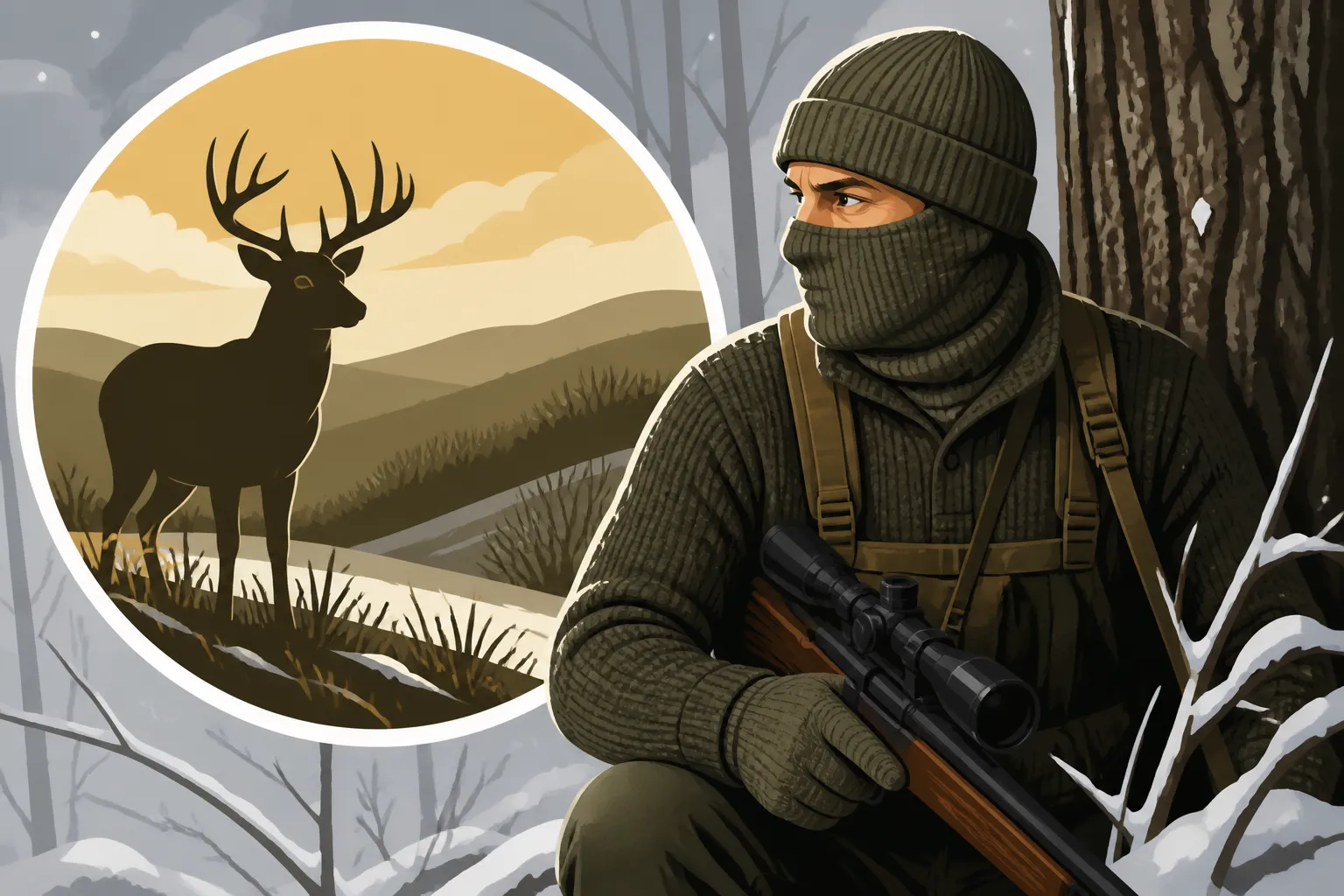
There's nothing quite like the crisp, cold air of a Kentucky late-season hunt, but that magic can quickly turn miserable when wet snow starts falling, or a thick fog rolls in, soaking everything you've got on. Staying warm and dry is one battle, but staying quiet enough to make a move on a wary buck or gobbler is another beast entirely. This guide is all about diving deep into the world of wool, exploring how this traditional fabric can be your absolute best friend when the Kentucky woods turn damp and frigid, helping you move silently and stay comfortable, even when soaked to the bone.
The Unmatched Qualities of Wool for Hunting
For generations, hunters have sworn by wool, and for good reason. Before synthetic fabrics dominated the market, wool was the go-to for anyone who needed to stay warm and protected in harsh conditions. Even today, with all the advancements in modern materials, wool holds its own, especially when you factor in the specific challenges of hunting in Kentucky's varied climate. It's not just about tradition; it's about proven performance in the field.
Retaining Warmth When Wet: The Magic of Wool Fibers
This is where wool truly shines, and it's a game-changer for anyone who's ever shivered uncontrollably after a sudden downpour or a long sit in wet snow. Unlike cotton, which loses almost all its insulating properties when wet, wool has a unique molecular structure that allows it to continue providing warmth even when damp or completely saturated. Each wool fiber is like a tiny, natural coil, creating air pockets that trap heat. When it gets wet, these fibers don't collapse like cotton. Instead, they absorb moisture into their core while the surface remains water-repellent, a process called "hydrophilic" on the inside and "hydrophobic" on the outside. This means that even if a branch dumps a load of wet snow down your back or you step through a creek, your wool layers will still be working hard to keep you from freezing. This is absolutely critical for hunts in places like the Cumberland Mountains where conditions can change rapidly, or when Hunting Deer After a January Cold Front brings sleet and freezing rain.
Think about it: you've tracked a deer for miles, breaking a sweat, only to stop and feel the chill immediately as the moisture on your cotton shirt turns icy cold. With wool, that internal moisture is managed much better, and the fabric continues to insulate. This makes those long treks and subsequent still-sits far more bearable, and frankly, safer, especially in remote areas where getting hypothermia is a real concern. It's not just a comfort factor; it's a survival advantage.
Silence in the Woods: Stealth for Close Encounters
Another undeniable advantage of wool, particularly in Kentucky's dense forests and thick undergrowth, is its incredible quietness. Modern synthetic fabrics, while often warm and water-resistant, can be notoriously noisy. The rustle, swish, or crinkle they make when you move, even subtly, can alert game to your presence long before you get within range. If you've ever tried to sneak up on a sharp-eyed gobbler in Spring Turkey Hunting in Kentucky or close the distance on a mature buck during Hunting the Rut in Early November, you know how crucial silence is.
Wool, on the other hand, is inherently soft and pliable. It moves with your body fluidly, making virtually no sound as you walk, climb, or draw your bow. This means less disturbance to the forest around you, allowing you to blend in more effectively. When you're trying to slip through dry leaf litter on an Eastern Kentucky ridge or navigate brushy creek bottoms, the sound your clothing makes is often the first thing that betrays you. With wool, you can minimize that audible footprint, giving you a better chance to get that shot off without an animal blowing out of there. This quiet movement is particularly valuable when you're trying to replicate natural sounds, like when you're Rattling and Grunting in Kentucky, and don't want your clothes giving away your position.
Natural Odor Resistance: Blending with Nature
Let's face it, hunting involves a lot of effort, and effort leads to sweat. Human scent is a major deterrent for most game animals, especially deer and elk with their incredibly keen noses. While no fabric can completely eliminate human odor without meticulous scent control practices, wool offers a significant natural advantage: it's inherently odor-resistant. This is due to the complex structure of wool fibers, which traps odor-causing bacteria and prevents them from multiplying and releasing their characteristic smells.
Unlike synthetics that can begin to stink after just one or two uses, wool can often be worn for multiple days in the field without becoming noticeably odorous. This is a huge benefit for multi-day hunts, especially if you're primitive camping in the Daniel Boone National Forest and can't exactly run a load of laundry. Less odor means less chance of an animal winding you, even if the wind shifts unexpectedly. Combining wool layers with other scent control measures can really give you an edge, allowing you to stay in the woods longer and remain undetected by those ever-watchful Kentucky whitetails. It allows you to become a more natural part of the environment, something that often leads to closer encounters.
Types of Wool and Their Best Use Cases
When we talk about "wool," it's easy to picture scratchy, heavy blankets. But the world of wool for hunting gear is incredibly diverse, with different types offering unique benefits. Understanding these distinctions is key to building a layering system that works perfectly for your specific hunting style and Kentucky's conditions. Modern manufacturing has transformed wool into incredibly versatile fabrics, some of which are far removed from your grandpa's old wool coat.
Merino Wool: The Lightweight, Comfortable Choice
Merino wool has revolutionized hunting apparel. Sourced from Merino sheep, these fibers are significantly finer and softer than traditional wool, making them incredibly comfortable directly against the skin. If you've ever shied away from wool because of its perceived itchiness, Merino will be a pleasant surprise. Its fine diameter also contributes to its lightweight feel, making it an excellent choice for base layers and mid-layers where bulk is a concern.
Beyond comfort, Merino excels in moisture management. It wicks sweat away from your body efficiently, then, as we discussed, continues to insulate even when damp. This makes it ideal for highly active hunting styles, like still-hunting through Eastern Kentucky ridges or chasing turkeys, where you'll be moving and sweating, then stopping for long periods. Brands like GoHunt often feature high-quality Merino wool options in their gear selections, recognizing its superior performance for active hunters. It's breathable in warmer conditions, yet provides impressive warmth-to-weight in the cold. It truly acts as a regulating layer, adapting to your body's temperature fluctuations better than most other materials.
Traditional Wool Blends: Durability and Classic Warmth
While Merino wool is fantastic for base and mid-layers, there's still a strong place for more traditional wool and wool blends, especially in outer layers or rugged mid-layers. These often come from coarser sheep breeds or are blended with other fibers to enhance durability and weather resistance. Think of the classic wool hunting jackets that have been a staple for decades—they're heavy-duty, virtually silent, and incredibly warm.
These traditional blends might not be as soft as Merino, but they offer exceptional abrasion resistance, which is perfect if you're busting brush or climbing over downed timber in places like the rugged terrain of Treestand Setups in Daniel Boone National Forest. They also tend to be more affordable than pure Merino, offering excellent value for their warmth and longevity. Some companies blend wool with nylon or polyester to create a fabric that combines the natural properties of wool with the strength and quicker drying times of synthetics. This type of wool is often what you'll find in heavier outer layers designed to withstand the abuse of hard hunting in tough conditions, providing an impenetrable barrier against the elements and keeping you warm during those prolonged, cold sits.
Hybrid Wool-Synthetics: Combining Strengths
The best of both worlds? Many modern hunting garments combine wool with synthetic fibers like polyester, nylon, or spandex. This hybrid approach aims to leverage the natural benefits of wool—warmth when wet, odor resistance, and silence—with the enhanced durability, faster drying times, and stretch of synthetics. It's a smart way to create gear that performs across a wider range of conditions and activities.
For example, a mid-layer might have a Merino wool interior for comfort and odor control, with a durable synthetic face fabric for improved wind resistance and quick drying. Or, a base layer could blend Merino with a touch of spandex for better fit and mobility. These hybrids are particularly effective for dynamic hunting scenarios where you might be hiking hard to a remote spot, then sitting for hours, requiring a garment that can handle both exertion and stillness. When you're Hunting the Late-Season January Lull, conditions can be wildly unpredictable, swinging from mild to bitter cold and back again. These hybrid materials offer that versatility, ensuring you're comfortable and prepared without carrying an excessive amount of gear. Researching these blends on resources like GoHunt can help you find options tailored to specific needs, balancing wool's benefits with synthetic enhancements.
Layering Strategies with Wool in Kentucky's Weather
Kentucky's weather can be fickle, especially during hunting season. One minute it's crisp and clear, the next a cold rain or wet snow rolls in. The key to staying comfortable, warm, and quiet in these ever-changing conditions is a well-thought-out layering system, with wool playing a central role. Forget bundling up in one massive, suffocating coat; a smart layering approach allows you to adapt to your activity level and the ambient temperature, preventing both overheating and chilling.
Base Layers for Moisture Wicking: Staying Dry from the Inside Out
Your base layer is arguably the most critical component of your system, as it's the first line of defense against moisture. Its primary job is to wick sweat away from your skin, moving it to outer layers where it can evaporate. If your base layer gets saturated and stays that way, you'll feel cold very quickly, regardless of how many layers you have on top. This is why cotton is an absolute no-go for base layers in hunting, especially in cold weather; it holds moisture and literally sucks the heat from your body.
High-quality Merino wool is an exceptional choice for base layers. It's soft enough to wear next to your skin all day, effectively pulls moisture away, and retains its insulating properties even when damp. For active hunts, like chasing squirrel through Squirrel Hunting a Kentucky Oak Ridge or breaking up a fall turkey flock, a lightweight or midweight Merino base layer will prevent clamminess when you're working up a sweat. For colder, less active sits, a heavier weight Merino can provide more initial warmth. The natural odor resistance of Merino also means you can wear these layers for multiple days without them getting too "gamey," which is a huge bonus on extended trips.
Mid-Layers for Insulation: Trapping Warmth
Once your base layer is managing moisture, your mid-layers step in to provide the bulk of your insulation. This is where you trap warm air close to your body, preventing heat loss. Depending on the temperature, you might use one or multiple mid-layers, adjusting as needed throughout the day or season.
For hunters, wool mid-layers, particularly fleece-style Merino or traditional wool sweaters, are excellent. They offer superb warmth-to-weight ratios and, importantly, maintain their quietness. A thick Merino wool hooded jacket or a robust wool vest can add significant warmth without being overly bulky or noisy. When temperatures plummet during Hunting the Late Muzzleloader Week in December, a couple of quality wool mid-layers can be the difference between a comfortable sit and heading back to the truck early. The beauty of these layers is their versatility; you can shed one if you're hiking in, then put it back on when you reach your stand for warmth. This flexibility is vital when you're dealing with the dynamic weather patterns of Kentucky's fall and winter.
Outer Layers for Protection and Stealth: The Final Defense
The outer layer is your shield against the elements—wind, rain, and snow—and it's also where the demand for absolute silence often peaks. While some hunters opt for waterproof synthetic shells, many prefer a wool outer layer for its unparalleled quietness, especially when bowhunting or in situations demanding extreme stealth.
A heavy wool coat or jacket, often a blend for enhanced durability and some water resistance, forms an excellent outer layer. It sheds light snow and drizzle effectively, breathes well to prevent overheating, and most importantly, makes no sound as you move. Imagine carefully climbing into your stand or making that final stalk; any rustle from your jacket could blow the entire hunt. Wool ensures that your movements are as muted as possible. While pure wool isn't fully waterproof, many modern wool outer layers incorporate a DWR (Durable Water Repellent) treatment or are constructed in a way that provides substantial weather protection. For truly torrential downpours, you might need a lightweight, packable rain shell over your wool, but for most wet snow or consistent drizzle typical of Kentucky's late season, a good wool outer layer will keep you comfortable and perfectly quiet. This is especially important if you're relying on close-range tactics, like Calling a Kentucky Gobbler Off the Roost where any unnatural sound is amplified.
Here's a quick comparison of common layering materials:
| Layer Type | Cotton | Synthetic Fleece/Puffy | Merino Wool | Traditional Wool Blends |
|---|---|---|---|---|
| Warmth Wet | Poor (chills) | Moderate to Good | Excellent | Excellent |
| Quietness | Good | Varies (can be noisy) | Excellent | Excellent |
| Odor Resist. | Poor | Poor to Moderate | Excellent (natural) | Good |
| Weight | Heavy when wet | Light to Moderate | Light to Moderate | Moderate to Heavy |
| Drying Time | Slow | Fast | Moderate | Moderate to Slow |
| Comfort | Good | Good | Excellent (soft) | Varies (can be coarse) |
| Durability | Moderate | Good | Moderate | Excellent |
Care and Maintenance of Your Wool Hunting Gear
Investing in quality wool hunting gear is like buying a reliable truck—it'll serve you faithfully for years if you treat it right. Proper care not only preserves the performance characteristics you bought it for, like warmth and quietness, but also extends the lifespan of your gear, saving you money in the long run. Many hunters, accustomed to tossing everything in a hot wash, might be hesitant about caring for wool, but it's really quite simple once you know the basics.
Washing and Drying Best Practices: Preserving Performance
The biggest fear with wool is shrinking or damaging the fibers, but modern wool, especially Merino, is often machine washable. Always check the care tag on your specific garment first, as different blends and finishes require different treatment. Generally, here’s how to handle it:
- Washing: Use a gentle cycle with cold water. Avoid harsh detergents and opt for a wool-specific cleaner or a mild, pH-neutral detergent. These specialized cleaners help preserve the natural lanolin in the wool fibers, which contributes to its water resistance and softness. Never use bleach or fabric softener, as these can damage the fibers and reduce their performance. If your garments are heavily soiled with mud or blood, consider pre-soaking in cold water or hand-washing the affected areas first. When you're dealing with the mud and grime of a late-season Hunting Western Kentucky River Bottoms expedition, getting that muck off correctly is important for the longevity of your gear.
- Drying: This is where you need to be most careful. Never put wool in a hot dryer. High heat can cause irreversible shrinkage and damage. Instead, lay your wool garments flat to air dry on a clean, dry surface or hang them on a padded hanger. This helps maintain their shape and prevents stretching. It might take a bit longer for wool to dry compared to synthetics, but the patience is worth it to keep your gear performing. After a long day of Cold-Weather Sitting Strategy in Kentucky, you'll want to get your wool aired out, but don't rush the drying process with heat.
Storage and Longevity: Protecting Your Investment
Once your wool gear is clean and completely dry, proper storage is key to preventing damage and extending its life until the next season. The primary threats to stored wool are moths and other insects, which are drawn to natural fibers.
- Cleanliness: Ensure your wool is impeccably clean before storing it for the off-season. Any residual odors, sweat, or food particles will attract pests. A good wash and thorough drying are essential.
- Pest Protection: Store wool in airtight containers, garment bags, or vacuum-sealed bags. Adding cedar balls, lavender sachets, or moth traps can provide extra protection. If you're storing a lot of gear, consider investing in dedicated containers that keep everything sealed away. You don't want to pull out your favorite hunting sweater for the next Bowhunting Kentucky's Long Archery Season opener only to find it riddled with holes.
- Shape Retention: For heavy wool jackets or sweaters, store them folded flat rather than hanging them on wire hangers, which can cause stretching and distortion over time. For base layers or lighter items, a good padded hanger is usually fine. By following these simple steps, your wool gear, whether it's from a specialty outdoor retailer or a brand you found through GoHunt research, will be ready to perform season after season, keeping you warm, quiet, and comfortable in the diverse hunting grounds of Kentucky.
Disclaimer
This article is for general informational purposes only and does not constitute professional advice. Laws, prices and regulations vary by location and change over time. Consult a qualified professional for guidance on your specific situation.