Begley Wildlife Management Area
There’s a unique satisfaction that comes with planning a hunt on public land, but let’s be honest, it can also feel like an uphill battle. Trying to find that sweet spot – enough acreage, diverse habitat, and manageable pressure – can be daunting, especially when you're dreaming of big game like an elk or a solid whitetail buck. This guide is all about navigating Begley Wildlife Management Area, an incredible piece of public ground in Kentucky's Elk Restoration Zone, helping you understand its challenges and unlock its potential.
Understanding Begley WMA: Location and Landscape
Begley Wildlife Management Area isn't just another patch of woods; it's a significant slice of prime hunting and outdoor recreation land tucked away in Southeastern Kentucky. For many hunters, especially those drawn by the allure of Kentucky's burgeoning elk herd, Begley WMA represents a fantastic opportunity, albeit one that comes with its own set of rugged realities. It's a place where the landscape itself plays a crucial role in how you plan and execute your hunt.
Geographical Footprint and Access Points
Begley WMA spans a considerable amount of acreage across Clay and Leslie counties, making it a sizable destination for any serious hunter. This isn't a small, easily traversable tract; it's vast and wild, characteristic of the Appalachian foothills. The boundaries can sometimes feel a bit fluid on older maps, so having reliable, up-to-date mapping software like onX Hunt is absolutely essential. You’ll find various access roads leading into different sections of the WMA, but many of these are gravel, rough, and some might even be seasonally gated. It’s not uncommon to encounter logging activity or remnants of past coal mining operations in certain areas, which can significantly alter the landscape and affect game movement. Hunters often find themselves parking along these main access roads and then striking out on foot, sometimes for miles, to reach less-pressured areas. Understanding the specific entry points and legal parking areas is your first crucial step in planning a successful trip here. Always double-check the Kentucky Department of Fish and Wildlife Resources (KDFWR) website for any specific WMA regulations or temporary closures before you head out.
Unique Topography and Habitat Types
The terrain at Begley WMA is classic Eastern Kentucky: steep, rugged, and densely forested. You’re looking at dramatic elevation changes, deep hollows, sharp ridges, and narrow creek bottoms. This isn’t flatland hunting, folks. It’s a physical challenge that demands conditioning and strategic planning. The habitat itself is a mix of mature hardwoods – oaks, hickories, and beeches – interspersed with younger regeneration in areas that have been timbered or affected by past resource extraction. These younger growth areas, often thick with saplings and briars, can provide incredible cover for deer, bear, and especially elk, but they are an absolute bear to navigate. The presence of these varied forest stages creates a mosaic of feeding and bedding areas that game animals rely on. You'll find areas with rich mast crops providing forage in the fall, while other sections might offer dense thermal cover on cold winter days. Water sources, often in the form of small creeks and seepages, are generally plentiful, even on ridge tops after a good rain. Understanding these habitat preferences and how they relate to the changing seasons is paramount for successful scouting and hunting. Reading Aerial Photos for Eastern Kentucky Deer can give you a crucial edge in deciphering these complex habitat patterns from home.
Hunting Opportunities at Begley WMA
Begley WMA is perhaps best known for its role within Kentucky's Elk Restoration Zone, making it a coveted destination for those lucky enough to draw a tag. However, the area offers much more than just elk hunting; it’s a diverse ecosystem that supports a healthy population of other popular game species, each presenting its own unique challenges and rewards.
Pursuing Kentucky's Elk in Begley
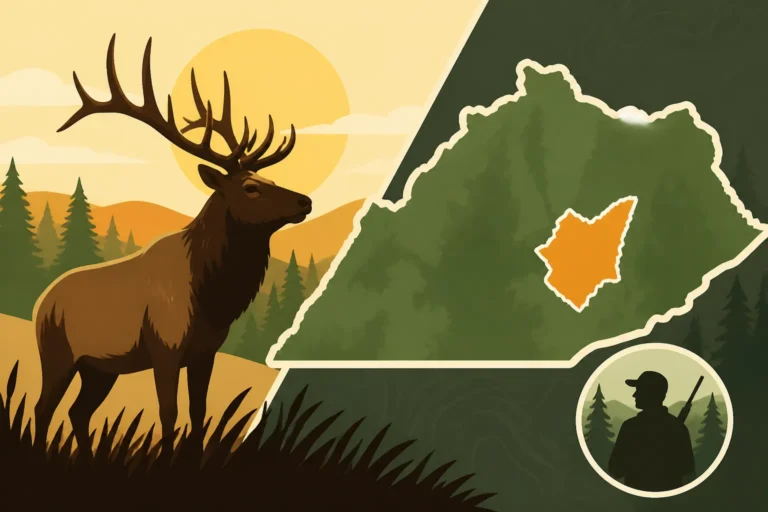
For many, the dream of hunting elk in the East often leads directly to Kentucky, and WMAs like Begley are at the heart of that dream. The sheer size of Kentucky's Record Elk Herd means that there are legitimate opportunities here for those who draw one of the highly sought-after quota hunt permits. Elk in Begley tend to use the thick, regenerating clear-cuts for bedding and security, often moving into more open hardwood ridges or reclaimed mine lands to feed during dawn and dusk. Their movements are often dictated by pressure and food availability, pushing them into the steepest, nastiest terrain that most hunters shy away from. Spot-and-stalk tactics can be effective in more open areas, particularly during the early archery season, but calling, especially during the rut, is often the most exhilarating and productive method. Learning how to mimic their vocalizations and reading their responses can be a game-changer. Remember, drawing an elk tag is a huge privilege, and research into Kentucky Elk Quota Hunt Rules is mandatory well in advance of the season.
Deer and Bear Hunting Prospects
Beyond the draw of the elk, Begley WMA offers solid prospects for both whitetail deer and black bear. White-Tailed Deer Across Kentucky are abundant here, though the dense cover and rugged topography mean they don't always show themselves easily. Hunters often find success by focusing on saddles between ridges, natural funnels formed by terrain, and areas of thick cover near water sources. Deer drives can be effective in certain parts of the WMA, especially when hunting with a group. Deer Drives on Kentucky Public Land requires careful planning to ensure safety and effectiveness in such steep terrain. For bear hunters, Begley falls within the designated bear zones, providing a chance at one of Kentucky's growing bruin population. Bear hunting here is a physically demanding endeavor. Bears typically move between dense bedding areas and food sources like oak ridges for acorns or thickets offering berries. Hunting over natural mast crops, particularly in the fall, can be productive. Knowing Kentucky's Black Bear Population trends and seasonal movements is critical for success.
Spring and Fall Turkey Hunting
Begley WMA is also a fantastic destination for turkey hunters, offering both spring and fall seasons. The vast, unbroken timber and varied terrain create ideal habitat for Wild Turkeys in Kentucky. In the spring, gobblers can be found strutting on open ridges or answering calls from the hollows below. Roost hunting, trying to pinpoint where birds are roosting the evening before, and then setting up nearby at dawn, is a classic and often effective tactic here. Don’t be afraid to put some miles on your boots using a run-and-gun approach, especially on quieter days or if the birds are proving difficult. Later in the season, when gobblers might be more call-shy, identifying their travel corridors and setting up ambushes can pay off. Fall turkey hunting offers different challenges, often involving locating flocks and trying to break them up to call individual birds back. The dense cover can make visual identification tough, so relying heavily on good scouting and knowing common turkey travel routes is essential.
Navigating the Challenges of Begley WMA
While Begley WMA holds immense potential for various hunting pursuits, it's crucial to approach it with a realistic understanding of its inherent challenges. This isn't a walk in the park; it's a wild, unforgiving landscape that will test your physical limits and hunting acumen. Overcoming these hurdles is often the key to success and, more importantly, a safe and enjoyable experience.
Steep Terrain and Remote Access
The most immediate challenge any hunter faces at Begley WMA is the terrain itself. We're talking seriously steep hills, deeply cut hollows, and often slippery, leaf-covered ground. Walking just a mile can feel like three, and dragging a harvested animal out can be an epic undertaking. This isn't just about physical fitness; it's about navigating safely. Loose rock, fallen timber, and sudden drop-offs are common. You need to be constantly aware of your footing, especially when carrying gear or an animal. Furthermore, many of the most promising hunting spots are deep within the WMA, far from any paved road. Finding Ground Others Walk Past often means literally walking past what others consider too far or too steep. This remote access means you need to be self-sufficient, carrying all necessary supplies and having a plan for emergencies. Cell service can be spotty at best, and in some hollows, it might be nonexistent, making GPS devices or offline mapping apps like onX Hunt absolutely critical for navigation and safety.
Hunting Pressure and Finding Seclusion
Being a public land gem within the Elk Restoration Zone, Begley WMA inevitably draws a fair amount of hunting pressure, particularly during peak seasons like the elk quota hunts, opening week of modern gun deer season, or the spring turkey opener. This pressure can push game animals into the thickest, nastiest, most inaccessible parts of the WMA. If you hunt only the easily accessible areas, you're likely to encounter more orange vests than deer. The key to mitigating pressure is often to embrace the steep terrain and distance yourself from main access points. This means being willing to hike further and climb higher than most other hunters. Using satellite imagery and topographic maps (like those found on GoHunt or the KDFWR's Using the Kentucky Hunt Fish Map Tool) to identify remote benches, secluded hollows, or untouched ridge lines can reveal pockets of less-pressured game. Remember that hunting pressure also isn't just human; animals become warier, often moving more at night or using dense cover to evade detection. Your tactics need to adapt to these pressured conditions, perhaps focusing on still-hunting or stand placement in areas that offer maximum cover and escape routes for the animals.
Essential Gear and Tactics for Begley
Success at Begley WMA, much like any challenging public land, isn't just about showing up with a tag; it's about preparation, having the right gear, and deploying smart, adaptable tactics. The rugged environment and wary game demand a thoughtful approach to what you carry and how you hunt.
Recommended Gear for Rugged Hunting
Given the demanding terrain, your gear choices can make or break your hunt. First and foremost, sturdy, well-broken-in hiking boots with excellent ankle support are non-negotiable. You'll be climbing, descending, and traversing uneven ground for miles. Investing in quality layering clothing is also crucial; Eastern Kentucky weather can be unpredictable, swinging from mild to bone-chillingly cold, sometimes within hours. Opt for moisture-wicking base layers, insulating mid-layers, and a waterproof/windproof outer shell. Wool or synthetic materials perform far better than cotton in these conditions. Clothing for a Kentucky Late Season will offer excellent advice on staying warm and dry.
A good pack is another essential, large enough to carry all your essentials for a day (or more if you plan to get truly remote) but not so bulky it hinders movement through thick brush. Your pack should hold plenty of water, high-energy snacks, a first-aid kit, a headlamp, navigation tools (GPS unit or phone with offline maps and a portable charger), and a means of making fire. For optics, a quality set of binoculars, like an 8×42 or 10×42, will be invaluable for scanning distant ridges and identifying game in dense cover. A rangefinder is also highly recommended, especially given the variable shot distances you might encounter. If you're elk hunting, consider a spotting scope if you plan to glass large clear-cuts from a distance. For the hunters tackling the steep climbs, lightweight treestands or saddle hunting setups, accompanied by reliable climbing sticks, are often preferred over heavier, bulkier options. Treestand Setups in Daniel Boone National Forest provides relevant advice on navigating similar public land challenges.
Strategic Approaches for Success
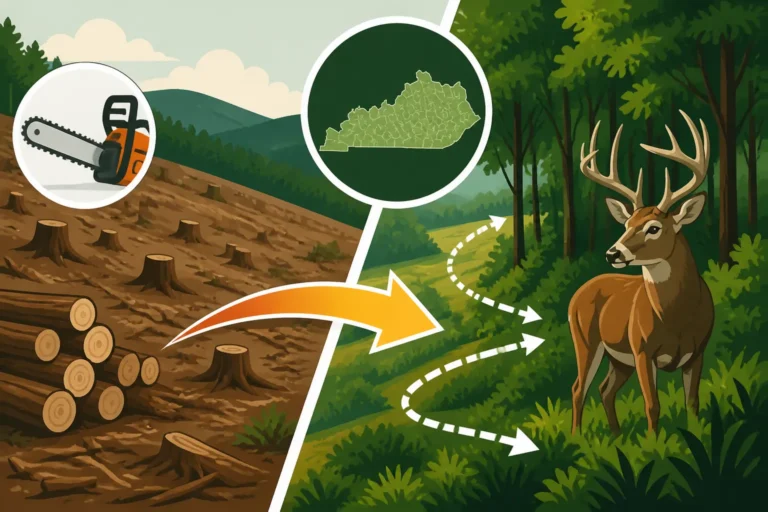
Hunting Begley WMA requires a blend of patience, persistence, and strategic thinking. Scouting, both pre-season and in-season, is paramount. Before you even set foot in the woods, spend time poring over topographic maps and aerial photos. Identify potential bedding areas, travel corridors, water sources, and feeding zones. Look for saddles, benches, and creek crossings that funnel animal movement. Pay close attention to recent logging operations or clear-cuts, as these often provide excellent cover and browse for deer and elk.
During the hunt, adapt your strategy to the conditions. Still-hunting slowly and deliberately through promising areas, pausing frequently to glass and listen, can be very effective in the thick timber. If using a stand, focus on pinch points or areas where natural terrain forces animals into a predictable path. Consider hunting the fringes of the heaviest cover, where animals feel secure but are still moving. For elk, during the rut, aggressive calling can sometimes pull a bull out of the timber, but be prepared for a quick shot. Patience is also critical; animals might move differently under pressure, so sitting longer in a good spot, especially during midday, can often pay off when other hunters are back at their trucks. Finally, always have a plan for game recovery. The rugged terrain means a downed animal can be incredibly difficult to retrieve, so consider bringing game bags, a sturdy drag sled, or even a pack frame for boning out larger animals. Recovering a Deer From a Steep Hollow offers practical advice that translates well to bigger game.
Planning Your Hunt: Regulations and Resources
Hunting any public land, especially a large WMA like Begley, requires more than just knowing the lay of the land; you also need to be intimately familiar with the rules and utilize the available resources. Kentucky has specific regulations that govern hunting on its wildlife management areas, and being prepared means understanding these nuances before you hit the timber.
Understanding WMA-Specific Rules
While the general statewide hunting regulations apply to Begley WMA, there are often additional rules specific to wildlife management areas that hunters need to be aware of. These can include restrictions on vehicle access, camping, treestand placement (often requiring portable stands that must be removed daily or after the season), trail camera use, or even specific hunting methods. For instance, some WMAs might have archery-only zones or different bag limits than the surrounding county. Always check the current KDFWR Hunting & Trapping Guide and the specific Begley WMA page on their website before your trip. This is not just a suggestion; it's a requirement to ensure you're hunting legally and ethically. Failing to do so can result in fines or loss of hunting privileges, which nobody wants. Pay particular attention to any special draw requirements for species like elk, as a general deer or turkey license won't suffice for those coveted opportunities. Understanding Kentucky Wildlife Management Areas and their unique management strategies is key to a smooth hunting experience.
Utilizing Mapping Tools and Local Knowledge
In today's age, technology is a hunter's best friend, and that's especially true when navigating a complex area like Begley WMA. Digital mapping applications such as onX Hunt and GoHunt are indispensable. They provide detailed topographic maps, satellite imagery, and often show WMA boundaries, public/private land ownership, and even roads and trails. The ability to download maps for offline use is crucial, as cell service is unreliable in many parts of the WMA. Use these tools to mark potential hunting spots, plan your entry and exit routes, and track your movements.
| Resource/Tool | Primary Benefit | Key Application for Begley WMA |
|---|---|---|
| KDFWR Website | Official Regulations, WMA Info, Season Dates | Confirming WMA-specific rules, checking for closures, harvest reporting |
| onX Hunt / GoHunt | Detailed Mapping, Public/Private Boundaries | Identifying remote areas, planning routes, marking sign, offline navigation |
| Topographic Maps | Elevation Changes, Terrain Features | Understanding steepness, finding saddles/benches, predicting animal movement |
| Aerial Imagery | Habitat Types, Timber Cuts, Openings | Locating bedding/feeding areas, identifying thick cover, scouting remotely |
| Compass | Basic Navigation, Backup to Electronics | Essential safety tool, especially when electronics fail in remote areas |
| Local Conversation | Current Conditions, General Insights | Talking to game wardens, locals, or other hunters for recent activity (take with a grain of salt!) |
Beyond digital tools, don't underestimate the power of local knowledge. While specific "honey holes" are rarely shared, a respectful conversation with a game warden or even a local resident might yield general insights into game patterns or road conditions. Remember to leave no trace, respect the land, and represent the hunting community in a positive light. The more effort you put into understanding and preparing for Begley WMA, the more rewarding your experience is likely to be.
Disclaimer
This article is for general informational purposes only and does not constitute professional advice. Laws, prices and regulations vary by location and change over time. Consult a qualified professional for guidance on your specific situation.