Kentucky Bald Eagle Recovery Near the Lakes
For years, many of us who grew up hunting and exploring Kentucky's wild places never really expected to see a bald eagle soaring overhead. It was one of those iconic images you saw in movies, often associated with far-off wilderness, not necessarily our beautiful Bluegrass State. But things have changed dramatically, and if you've spent any time near our larger lakes lately, you've likely witnessed the breathtaking sight of a bald eagle. This guide will dive into the incredible comeback story of these majestic birds in Kentucky and help you discover where you can spot them, especially around our beloved lakes.
The Eagle's Return: From Rarity to Regular Sightings
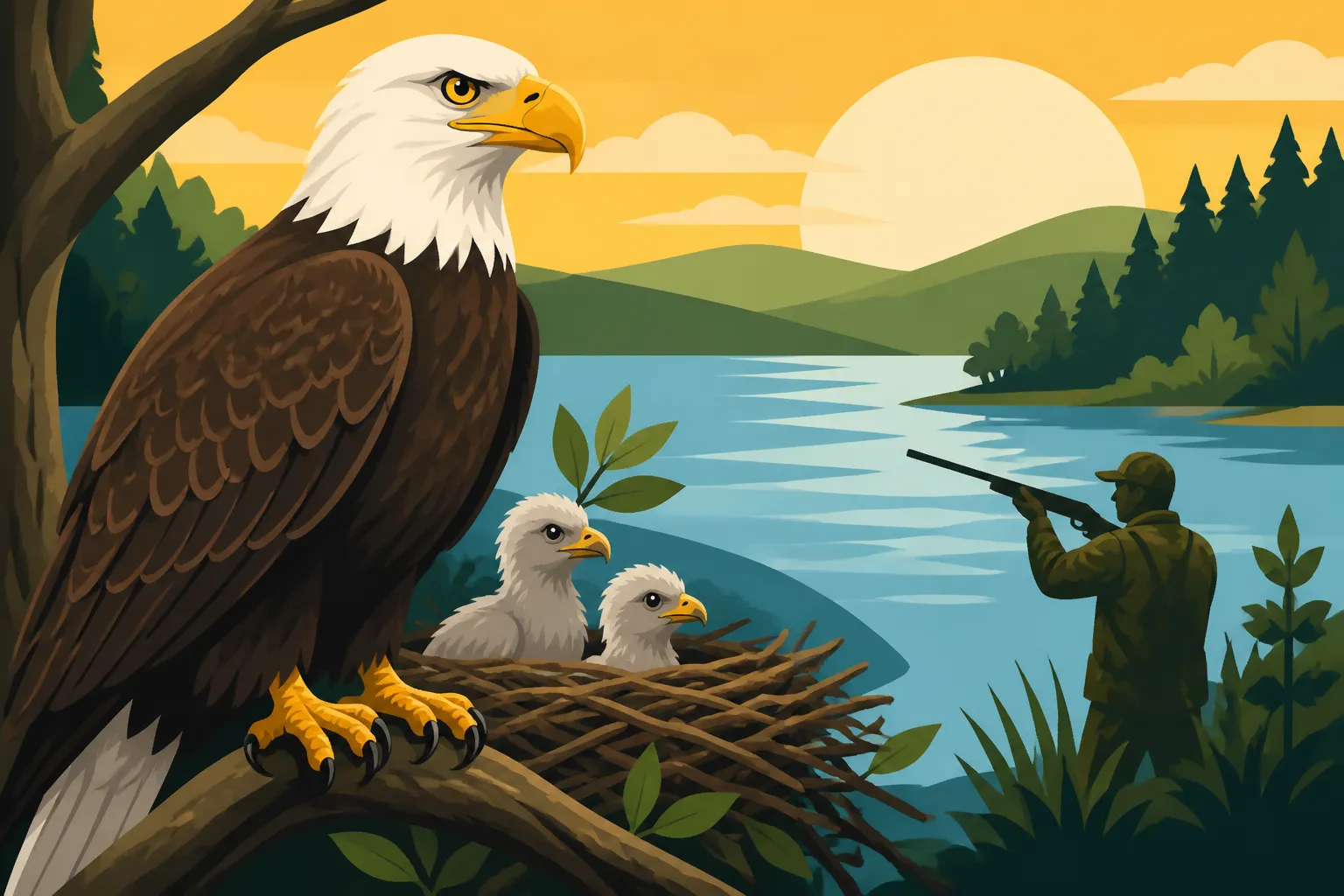
It’s hard to believe now, but the bald eagle was once on the brink of extinction. For decades, seeing one in Kentucky was akin to spotting a ghost – rare, almost mythical. The reasons for their decline were many, from habitat destruction to illegal shooting, but perhaps the biggest culprit was the widespread use of certain pesticides, particularly DDT, which thinned eggshells and made successful reproduction nearly impossible. It felt like a losing battle, and many wondered if we'd ever see these magnificent birds reclaim their rightful place in our skies.
Why They Disappeared
The mid-20th century was a grim time for bald eagles. They're at the top of the food chain, which unfortunately means they accumulate toxins from everything they eat. DDT, a powerful pesticide, was sprayed extensively across the country, making its way into waterways and accumulating in fish. Eagles, being primarily fish-eaters, ingested these toxins. While it didn't kill the adult birds directly, it had a devastating effect on their reproductive success. The DDT residues interfered with calcium metabolism, leading to eggs with shells so thin they would crack under the weight of the incubating parent. Imagine a mother eagle, faithfully trying to hatch her clutch, only for the eggs to crumble beneath her. It was a silent, insidious killer that decimated populations nationwide. Here in Kentucky, we lost almost all of our nesting eagles, and sightings became exceedingly rare.
Kentucky's Role in Recovery Efforts
The tide began to turn with the banning of DDT in the early 1970s and the listing of the bald eagle under the Endangered Species Act. This landmark legislation provided crucial protection, making it illegal to harm eagles or disturb their nests, and it spurred widespread conservation efforts. Kentucky played an active role in their recovery through various reintroduction programs. From the 1980s through the early 1990s, young eagles, often called "eaglets," were brought from other states with healthier populations and released in strategic locations around Kentucky's major reservoirs. These birds were "hacked," meaning they were raised in artificial nests, fed by humans, but allowed to fledge naturally, imprinting on the Kentucky landscape as their home.
The strategy worked beautifully. These released birds, along with wild eagles migrating into the state, slowly but surely began to establish nesting territories. It wasn't an overnight success, mind you; it took years of dedicated effort, careful monitoring, and a whole lot of patience from conservationists. But little by little, pairs began to nest, raise young, and expand their range. It’s a testament to what focused conservation can achieve, turning what once seemed like an impossible dream into a stunning reality.
Where the Eagles Soar: Prime Viewing Spots Near Kentucky's Lakes
Today, bald eagles are a common sight across Kentucky, especially around our larger bodies of water. These birds thrive in areas with abundant fish and tall trees for nesting and roosting, making our expansive lake systems ideal habitats. If you want to witness these magnificent creatures, heading to one of Kentucky's big lakes is your best bet.
Western Kentucky's Lake Country
When you think about bald eagles in Kentucky, the first places that usually come to mind are the massive reservoirs of Western Kentucky: Kentucky Lake and Lake Barkley. These interconnected lakes, which form one of the largest man-made lake systems in the world, offer everything an eagle could want. The sheer size of the water, coupled with the vast stretches of shoreline and islands, provides an endless buffet of fish and countless towering trees for nesting and perching.
The Land Between the Lakes National Recreation Area, specifically, is a renowned hotspot. During the winter months, when eagles from more northern climates migrate south, the numbers here can be truly impressive. You'll often see them perched high in snags overlooking the water, or even flying in unison, their white heads and tails stark against the winter sky. Many folks enjoy watching them from the warmth of their vehicles along the scenic byways, or from observation points around the various bays and embayments. Don't be surprised if you see them stealing fish from osprey, a common behavior where eagles assert their dominance. If you're out Hunting Land Between the Lakes Waterfowl or enjoying some fishing, keep your eyes peeled for them.
Central and Eastern Kentucky Reservoirs
While the western lakes are famous, don't overlook the incredible opportunities around Central and Eastern Kentucky's reservoirs. Lakes like Taylorsville Lake, Barren River Lake, Green River Lake, and even Cave Run Lake in Eastern Kentucky have strong and growing bald eagle populations. These areas also provide excellent habitat, and as the population has expanded, eagles have moved into new territories.
For example, Green River Lake Public Hunting Ground is not just a great spot for deer and turkey, but its expansive waters and surrounding timber make it prime eagle territory. You might catch a glimpse of an eagle while you're scouting for deer sign or during the late fall while out on the water. Even the majestic landscape around Daniel Boone National Forest Hunting and its associated lakes, like Laurel River Lake or Lake Cumberland, are now hosting more and more nesting pairs. It's a truly amazing transformation from just a few decades ago.
Identifying and Observing Bald Eagles
Spotting a bald eagle is one thing, but understanding their behavior and knowing the best times to look can greatly enhance your experience. They are powerful, intelligent birds, and observing them in their natural habitat is always a privilege.
Key Identification Features and Behaviors
The adult bald eagle is unmistakable: a bright white head and tail, dark brown body, and a large, yellow hooked beak. Their wingspan can be truly massive, stretching up to seven feet across. Juveniles, on the other hand, are a bit trickier, often displaying a mottled brown and white plumage that can sometimes be confused with golden eagles. However, juvenile bald eagles typically have larger heads and beaks in proportion to their bodies, and their flight style is often a bit more "sweeping" than a golden eagle's.
When observing them, you'll notice their powerful, deliberate wingbeats, often followed by long glides. They're excellent fishers, and watching one dive for a fish is an incredible sight – they often hit the water feet-first, snatching their prey with strong talons. You might also see them perched for extended periods, surveying their territory or waiting for an opportune moment to hunt. They typically build enormous stick nests high in the tallest trees, often near water, and these nests can be used year after year, growing larger with each breeding season.
Here’s a quick guide to some common eagle behaviors you might witness:
| Behavior | Description | Best Time to Observe |
|---|---|---|
| Soaring | Gliding effortlessly on thermals, often at great heights, scanning for prey or traveling. | Mid-morning to late afternoon, especially on sunny days |
| Perching | Resting on high branches overlooking water, conserving energy, or scanning for fish. | Early morning, late afternoon, or throughout the day |
| Fishing Dive | A sudden, powerful swoop from the air, talons extended, to snatch a fish from the water's surface. | Anytime, but often more active during feeding times |
| Nest Building | Carrying sticks or other materials to a large nest in a tall tree, typically near water. | Late winter to early spring |
| Feeding Young | Bringing fish or other prey back to the nest to feed hungry eaglets. | Spring and early summer |
| Chasing Osprey | Aggressively pursuing an osprey to steal its freshly caught fish. | Anytime an osprey has successfully caught a fish |
Best Times and Tools for Observation
While eagles can be seen year-round in Kentucky, your chances increase dramatically during the colder months, roughly from November through March. This is when resident eagles are joined by migratory birds from further north, seeking open water and easier food sources. On calm, clear days, they are particularly active.
Good quality binoculars or a spotting scope will be your best friends for eagle watching. They allow you to get a close-up view without disturbing the birds. Remember to always keep a respectful distance; approaching too closely can cause stress to the eagles, especially if they are nesting.
Tools like GoHunt, typically thought of for hunting applications, can actually be incredibly useful for eagle scouting. Its detailed satellite imagery can help you identify large tracts of mature timber adjacent to major water bodies – perfect potential roosting or nesting sites. By examining topography and water access, you can strategically plan your viewing locations, making the most of your time outdoors. Even though you might be using GoHunt to identify deer bedding areas or prime Hunting Western Kentucky Bottomland Deer spots, take a moment to look for those large, isolated trees or remote stretches of shoreline that would appeal to an eagle.
The Broader Impact: A Conservation Success Story
The incredible recovery of the bald eagle in Kentucky is more than just a heartwarming tale; it's a profound success story that highlights the importance of environmental protection and dedicated conservation efforts. It reminds us that even when things seem dire, human intervention guided by scientific understanding can turn the tide.
A Symbol of Healthy Ecosystems
The presence of bald eagles is often seen as an indicator of a healthy ecosystem. Because they are apex predators and sensitive to environmental contaminants, their thriving populations signal that the surrounding environment is relatively clean and robust. For Kentucky, their return signifies improving water quality in our lakes and rivers, and the recovery of fish populations that serve as their primary food source. It's a reminder that the health of one species is intricately linked to the health of an entire habitat.
This success also underpins broader efforts to protect Kentucky Waterfowl on the Mississippi Flyway and ensure vibrant populations for generations to come. When you see an eagle, it's a visible symbol of a cleaner environment and successful stewardship of our natural resources.
What it Means for Hunters and Outdoor Enthusiasts
For those of us who spend countless hours in the Kentucky woods and waters, the eagle's return is a gift. It adds another layer of magic and wonder to our outdoor experiences. Whether you're chasing longbeards during Spring Turkey Hunting in Kentucky, waiting patiently in a treestand during Kentucky's Statewide Modern Gun Season, or setting up decoys for Waterfowl Hunting Kentucky Lakes and Rivers, catching a glimpse of a bald eagle is a truly special moment.
It also reinforces the idea that ethical hunting and conservation go hand-in-hand. Hunters are often among the most passionate conservationists, contributing directly to wildlife management through license fees and excise taxes on equipment. The eagle's story is a powerful reminder that our collective efforts can make a real difference, not just for game species, but for all wildlife, ensuring a richer, more diverse Kentucky for everyone to enjoy. It’s a point of pride for our state, showcasing how a concerted effort can bring back an iconic species from the brink.
Disclaimer
This article is for general informational purposes only and does not constitute professional advice. Laws, prices and regulations vary by location and change over time. Consult a qualified professional for guidance on your specific situation.