Reporting a Sick Animal in Kentucky
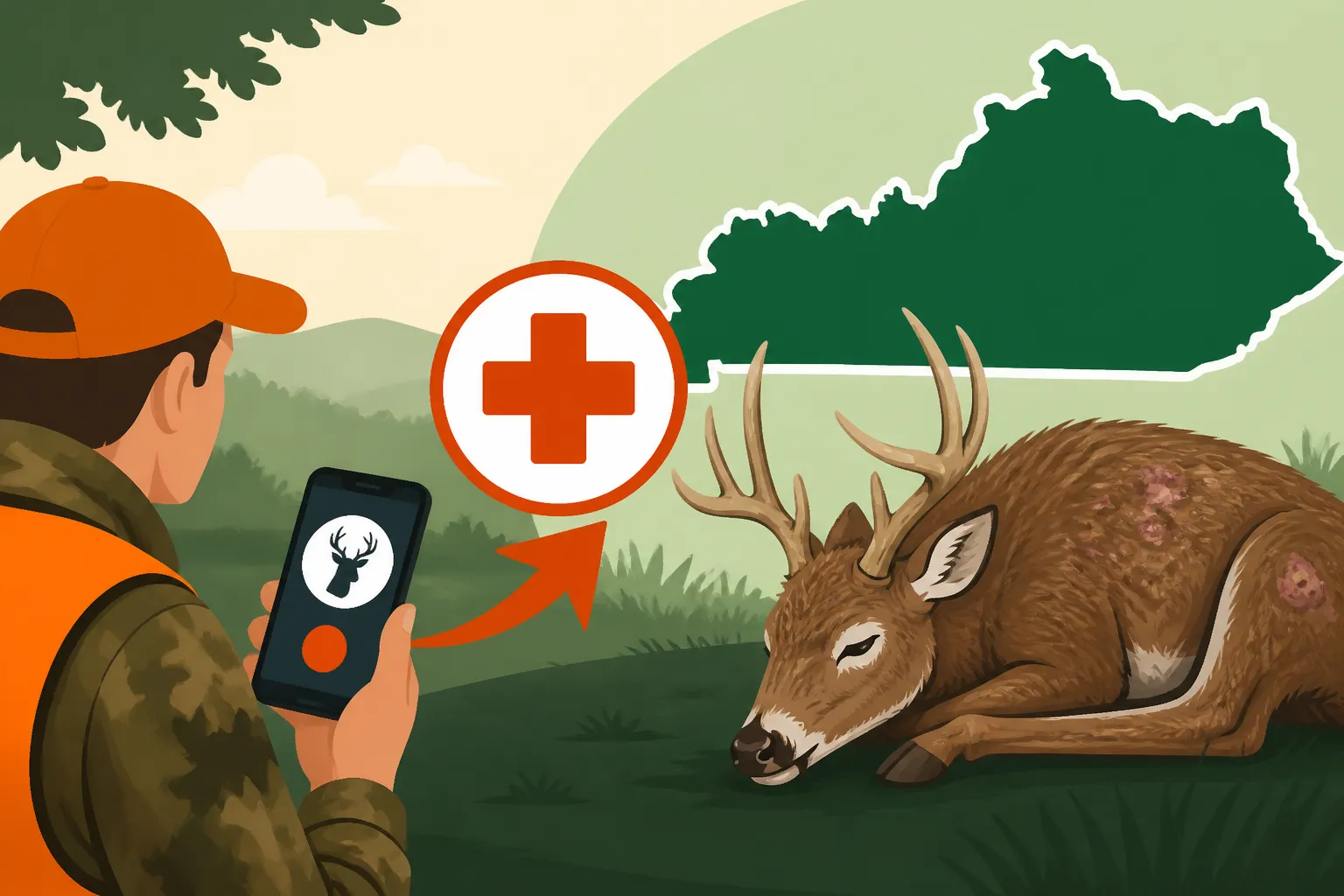
It’s a truly unsettling feeling, isn’t it? You’re out enjoying the wild beauty of Kentucky, maybe scouting for deer or just hiking a favorite trail, and you come across an animal that just doesn’t look right. It might be stumbling, acting strangely, or showing obvious signs of injury or illness. Your gut reaction is to want to help, but also to be cautious. Knowing exactly what to do, who to call, and what information to have ready can be a huge relief, and this guide is here to walk you through that process, ensuring both your safety and the well-being of Kentucky’s wildlife.
Why Reporting a Sick or Injured Animal Matters
Encountering a sick or injured animal in the wild can be distressing, and it’s natural to feel a mix of concern and uncertainty about how to proceed. However, reporting these sightings isn't just about individual animal welfare; it plays a crucial role in the broader health of Kentucky’s ecosystems and can even have implications for public health. You might think one report won't make a difference, but every piece of information helps create a larger picture for wildlife agencies.
Protecting Wildlife Populations
When a wildlife agency like the Kentucky Department of Fish and Wildlife Resources (KDFWR) receives reports of sick animals, it allows them to track potential disease outbreaks, understand population health trends, and, in some cases, intervene. Imagine a localized outbreak of a highly contagious disease – early detection through hunter or hiker reports can sometimes prevent it from spreading unchecked through a specific area or even across county lines. This monitoring helps them assess the impact on various game species, from White-Tailed Deer Across Kentucky to our thriving Kentucky's Record Elk Herd. Your eyes and ears in the field are invaluable in catching these issues before they become widespread crises.
Public Health Concerns Zoonotic Diseases
This is a big one, and it's where caution truly comes into play. Many wildlife diseases are zoonotic, meaning they can be transmitted from animals to humans. Rabies is probably the most well-known example, but there are others. A deer acting strangely might be infected with something less common but still transmissible. When you report a sick animal, especially one exhibiting neurological symptoms, you’re not just looking out for the animal; you’re helping wildlife officials monitor for potential public health risks. They can assess if there’s a heightened risk in a particular area and issue advisories to the public. It's about protecting hikers, hunters, pets, and rural communities alike.
Data for Wildlife Management
Every report contributes to a larger dataset that wildlife biologists use to manage our game species and monitor overall ecosystem health. Think of it like a community health check-up for the wild. If there's a sudden spike in reports of EHD Die-Offs in Kentucky Deer in a specific region, wildlife managers can investigate, confirm the cause, and better understand the disease's impact on local deer populations. This information helps them make informed decisions about hunting seasons, bag limits, and habitat management. It’s a continuous feedback loop, and your observation is a critical part of that. The more data they have, the better they can understand and react to the challenges facing Kentucky's diverse wildlife, from Wild Turkeys in Kentucky to our growing Kentucky's Black Bear Population.
How to Identify a Sick or Injured Animal
Spotting a sick or injured animal in the wild can be tricky, as many animals are masters of disguise, trying to hide their vulnerability from predators. However, there are often tell-tale signs that something isn't right. It's not about being an expert diagnostician, but rather recognizing behavior or physical conditions that deviate from what's normal for that species.
Behavioral Clues
An animal's behavior is often the first indicator of illness or injury. Healthy wildlife tends to be alert, aware of its surroundings, and will usually try to avoid human contact. If an animal seems unusually tame, confused, or aggressive, that's a red flag. For instance, a deer that normally bolts at your approach but instead stands still, circles aimlessly, or walks into objects could be seriously ill. Similarly, nocturnal animals like raccoons or skunks seen wandering aimlessly in broad daylight, showing no fear of humans, or being unnaturally aggressive could be rabid or suffering from another neurological issue. Mange in Kentucky Coyotes and Foxes often manifests with lethargy and a dull coat, but the behavioral changes can be subtle initially. Pay attention to movement: is it limping, dragging a limb, stumbling, or exhibiting tremors or seizures? Any deviation from typical wild behavior warrants concern and a report.
Physical Symptoms
Beyond behavior, physical signs can also point to a problem. A healthy animal usually has a well-maintained coat (appropriate for the season), clear eyes, and a generally robust appearance. Look for:
- Obvious injuries: A broken leg, wing, or deep wounds are clear signs of injury.
- Emaciation: Ribs or hip bones prominently showing can indicate a prolonged illness or starvation.
- Dull, matted, or missing fur/feathers: This can be a sign of parasites, disease, or extreme stress. Animals with severe cases of mange, for example, might have large patches of missing fur.
- Discharge: Nasal or eye discharge, excessive drooling, or bloody fluids can indicate infection.
- Swellings or growths: Unusual lumps, bumps, or abscesses can be a symptom of various diseases.
- Labored breathing: Rapid, shallow, or difficult breathing.
Sometimes, a general "unkempt" look is enough to tell you something is off. When observing, remember to keep your distance and use binoculars if you have them, as getting too close can stress an already compromised animal or put you at risk.
Common Diseases in Kentucky Wildlife
Kentucky's wildlife can be affected by various diseases. While you don't need to diagnose, recognizing common patterns can help your report.
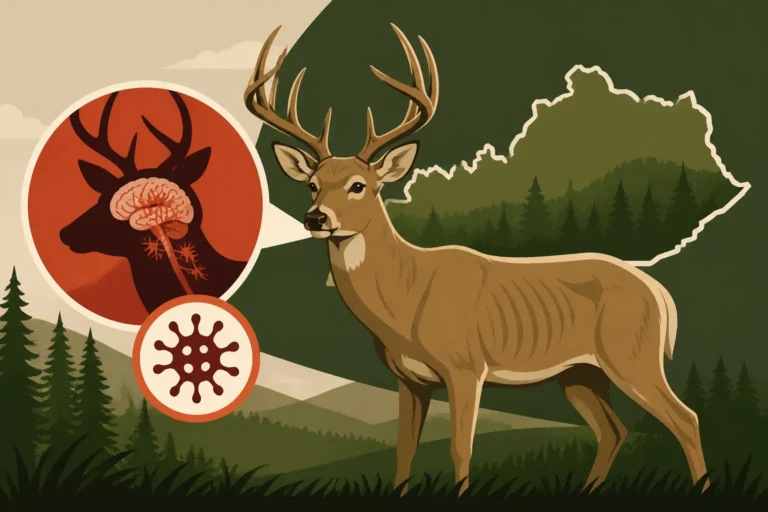
- Chronic Wasting Disease (CWD): While still relatively rare, Chronic Wasting Disease in Kentucky Deer is a significant concern for deer and elk. Affected animals might show severe weight loss (hence "wasting"), excessive drooling, lethargy, abnormal head posture, and a lack of coordination. It's a fatal neurological disease, and early detection is crucial for management. The KDFWR takes all suspected CWD cases very seriously, especially within the Kentucky's Chronic Wasting Disease Surveillance Zone.
- Epizootic Hemorrhagic Disease (EHD): This virus commonly affects white-tailed deer, particularly in late summer and fall. Deer infected with EHD might appear feverish, have swollen tongues, be lethargic, show a lack of fear of humans, and often seek water sources. Large-scale EHD Die-Offs in Kentucky Deer have occurred in the past, and reports help track its spread.
- Rabies: This viral disease can affect any mammal. Classic signs include erratic behavior, aggression, disorientation, foaming at the mouth, or unusual tameness. Any mammal acting strangely, particularly foxes, raccoons, skunks, or bats, should be reported immediately.
- Avian Influenza (Bird Flu): While less common in general sightings, Avian Influenza in Kentucky Birds can affect waterfowl and other bird species. Mass die-offs of birds or birds exhibiting neurological symptoms like tremors or inability to fly should be reported, especially if multiple birds are affected.
- Mange: Primarily seen in coyotes, foxes, and sometimes bears, mange causes severe hair loss, crusty skin, and intense itching. Affected animals often look emaciated and might be more susceptible to the elements.
Who to Contact in Kentucky
When you encounter a sick or injured animal, knowing exactly who to call is the most critical step. Reporting to the right agency ensures that trained professionals can assess the situation safely and effectively. It’s not always a one-size-fits-all answer, as the appropriate contact depends on the species, location, and nature of the problem.
Kentucky Department of Fish and Wildlife Resources KDFWR
For most situations involving wild animals in Kentucky, particularly game species or animals in rural and natural areas, the Kentucky Department of Fish and Wildlife Resources (KDFWR) is your primary contact. They are the agency responsible for managing and conserving the state's wildlife populations, including responding to disease outbreaks and managing injured animals.
- For disease concerns: If you suspect an animal has a serious disease like CWD, EHD, or rabies, or you see multiple sick animals, contact the KDFWR. They have biologists and conservation officers trained to handle these situations. You can find their contact information, usually a main phone line or regional offices, on their official website. Many KDFWR employees, including conservation officers, can be reached through a central dispatch system.
- For injured large game: If you find an injured deer, elk, bear, or turkey, especially if it's still alive but clearly suffering, the KDFWR is the appropriate agency. They can assess the animal and determine the best course of action, which might include humane euthanasia if recovery is not possible, or arranging for a licensed rehabilitator if appropriate.
- General wildlife concerns: Even if you're unsure, if it's a wild animal and not in a highly urbanized setting, start with the KDFWR. They can direct you if another agency is more suitable. Remember, their ability to conduct Kentucky Wildlife Disease Monitoring relies heavily on public reports.
Local Animal Control or Sheriff's Office
While the KDFWR handles most truly wild animals, local animal control or your county sheriff's office might be the better first contact in certain scenarios, especially if the animal is in a developed area or poses an immediate public safety threat.
- Urban/Suburban areas: If you find a sick or injured wild animal (like a fox or raccoon) within city or town limits, or in a heavily populated suburban neighborhood, your local animal control agency is often the quickest resource. They are equipped to deal with animals in close proximity to people and pets.
- Rabies concerns in populated areas: If you suspect a rabid animal in a residential area, especially if there has been potential human or pet exposure, contact local animal control or the sheriff’s office immediately. They will coordinate with public health officials.
- Domestic animals mistaken for wild: Sometimes, what appears to be a wild animal might actually be a domestic stray or an escaped pet. Animal control is better equipped to handle these situations and identify pets.
Licensed Wildlife Rehabilitators
For injured non-game wildlife that is clearly not suffering from a contagious disease and might have a chance at recovery, a licensed wildlife rehabilitator can be an excellent resource. These are individuals or organizations permitted by the state to care for sick, injured, or orphaned wildlife with the goal of releasing them back into the wild.
- When to contact: If you find a bird with a broken wing, a baby squirrel that’s fallen from a nest, or a non-predatory mammal that appears injured but not sick (e.g., hit by a car but still alert, no visible neurological issues), a rehabilitator might be able to help.
- Finding a rehabilitator: The KDFWR website usually provides a list of licensed wildlife rehabilitators by county. It's important to use licensed rehabilitators, as they have the training and permits to ensure proper care and minimize disease transmission risks. If you contact the KDFWR about an injured animal, they may also direct you to a rehabilitator. Remember, attempting to rehabilitate wildlife yourself is generally illegal and often harmful to the animal. For more details on what these professionals do, check out resources like Kentucky Wildlife Rehabilitation for Injured Game.
Here’s a quick guide to help you decide who to call:
| Scenario | Primary Contact | Secondary Contact (if primary unavailable or directs) |
|---|---|---|
| Wild animal (game or non-game), rural area, suspected disease (CWD, EHD, rabies) | KDFWR (Conservation Officer / Biologist) | Local Sheriff / State Police (for immediate threat) |
| Wild animal (game or non-game), urban/suburban area, suspected disease (rabies) | Local Animal Control / Sheriff's Office | KDFWR (for tracking disease trends) |
| Injured large game (deer, elk, bear), rural area | KDFWR (Conservation Officer) | Local Sheriff (for humane dispatch, if authorized) |
| Injured small mammal/bird (non-diseased), rural/urban | Licensed Wildlife Rehabilitator (check KDFWR list) | KDFWR (for guidance) |
| Dead animal, suspected disease, rural area | KDFWR | N/A |
| Dead animal, roadside, urban/suburban | Local Public Works / Road Department | N/A |
| Animal posing immediate threat to humans/pets | Local Law Enforcement (911 in emergencies) |
What Information to Provide When Reporting
Making a clear, detailed report is crucial for wildlife agencies to respond effectively. When you call, the person on the other end might not be familiar with the exact location or circumstances you're describing, so being precise and calm can make all the difference. Think of it as painting a picture with words for someone who can't see what you see.
Location, Species, and Number of Animals
These are the absolute essentials. Without a precise location, wildlife officials will have a tough time finding the animal, especially in Kentucky's vast and varied terrain.
- Specific Location: Don't just say "near Pine Mountain." Provide as much detail as possible.
- Road Names and Mile Markers: "On KY-15, approximately 2 miles south of the junction with KY-80."
- GPS Coordinates: If you have a GPS unit or a mapping app like GoHunt on your phone, providing exact coordinates (latitude and longitude) is incredibly helpful. This is often the quickest way to pinpoint a location, especially off-road.
- Landmarks: "Behind the old abandoned barn on Miller's Road," or "next to the large sycamore tree where the creek crosses," or "at the edge of a standing cornfield in farm country" can be good descriptors.
- Public vs. Private Land: Mentioning if it's on public land (like Daniel Boone National Forest) or private property (and if you know the owner, even better) is useful.
- Species: Clearly identify the animal if you can. "It's a large white-tailed deer," or "a red fox," or "a mature wild turkey gobbler." If you're unsure, describe it: "a medium-sized brown mammal, looked like a coyote or a large dog."
- Number of Animals: Is it one animal, or multiple? "I've seen three sick deer in this field," or "a single injured owl." If it's a group, note if they all appear sick or just one. This helps determine if it's an isolated incident or a potential localized outbreak, for example, of Avian Influenza in Kentucky Birds.
Observed Symptoms and Behavior
This is where your detailed observations come into play. Describe exactly what you saw without trying to diagnose it yourself.
- Date and Time of Sighting: "I saw it today, October 26th, at approximately 10:30 AM."
- Behavioral Description: "The deer was stumbling and walking in circles, almost bumping into trees, and showing no fear of me even when I got within 20 yards." Or, "The raccoon was out in the middle of the day, moving slowly and making strange vocalizations."
- Physical Symptoms: "It had a swollen face and neck, and was drooling excessively." Or, "The coyote had large patches of missing fur, especially on its back and tail, and was constantly scratching."
- Duration of Observation: "I watched it for about 15 minutes," or "I've seen this animal acting strangely for the past three days."
- Animal's Current State: Is it still alive? Is it moving or stationary? "It's lying down in the ditch, barely moving," or "It ran off into the woods heading northeast."
Your Contact Information
While you might prefer to remain anonymous, providing your contact information can be incredibly helpful for the responding officers or biologists. They might need to ask follow-up questions for clarification, or they might want to notify you of their findings. It helps them build a more complete picture and streamline their efforts. If you're uncomfortable giving your name, you can always ask if there's a way to provide information anonymously, but be prepared for them to ask for it. Rest assured, these agencies understand privacy concerns, and your information is typically used solely for the purpose of the investigation.
Safety Precautions When Encountering Sick Wildlife
Your safety, and the safety of your pets, is paramount when encountering sick or injured wildlife. While your instinct might be to approach and help, doing so can put you at significant risk and potentially worsen the animal's situation. Wild animals, even when ill or injured, are unpredictable and can react defensively.
Maintain Distance
This cannot be stressed enough. The absolute best thing you can do for yourself and the animal is to keep a safe and respectful distance.
- Minimum Distance: A good rule of thumb is at least 50-100 yards, especially for larger animals like deer or elk, and any animal exhibiting aggressive or erratic behavior. For smaller animals like raccoons or foxes, a minimum of 20-30 yards is still wise. Use binoculars if you need a closer look.
- Avoid Cornering: Never try to herd, corner, or block an animal's escape route. A scared or sick animal, if it feels trapped, will often lash out, even at a perceived rescuer. This is particularly true for animals that might be suffering from Kentucky Coyote Attacks on Livestock related injuries, as they may be wary and defensive.
- Assess the Threat: Be especially cautious if the animal is large, such as a black bear. While Kentucky Bear Encounters Around Eastern Kentucky Cabins are generally rare and bears are typically shy, an injured or sick bear can be incredibly dangerous.
Do Not Attempt to Handle or Rescue
Unless you are a trained and licensed wildlife professional, do not attempt to capture, move, or provide care to a sick or injured wild animal.
- Risk of Injury: Wild animals have claws, teeth, and natural defenses. Even a small, seemingly docile animal can inflict serious bites or scratches when scared or in pain. These injuries can become infected, and if the animal has rabies, you could be exposed.
- Disease Transmission: This is a major concern. Handling a sick animal can expose you to zoonotic diseases like rabies, tularemia, leptospirosis, or a host of parasites. These diseases can be severe, even fatal, to humans.
- Stress to the Animal: Capturing or handling a wild animal, even with the best intentions, causes immense stress. This stress can exacerbate their condition, cause further injury, or even lead to death, especially if they are already compromised by illness or trauma.
- Legal Implications: In Kentucky, it is generally illegal to possess wildlife without the proper permits. Trying to "rescue" an animal and take it home can put you in violation of state law. Leave it to the pros.
Prevent Pet Exposure
If you're out walking your dog or have pets on your property, take immediate steps to prevent them from coming into contact with a sick or injured wild animal.
- Leash Your Dogs: Keep dogs on a leash, especially if you know there's sick wildlife in the area. Dogs are naturally curious and might approach an animal that could be diseased or aggressive.
- Vaccinate Pets: Ensure all your pets, especially dogs and cats, are up-to-date on their rabies vaccinations. This is your first line of defense if an accidental encounter does occur.
- Supervise Outdoor Pets: If you have outdoor cats or other free-roaming pets, bring them inside or keep them contained until the situation is resolved.
- Clean Up: If a sick animal was on your property, once it has been removed, follow any instructions from animal control or the KDFWR regarding cleaning or disinfecting the area to prevent any lingering disease transmission.
Common Scenarios and Best Practices
Knowing the general guidelines is one thing, but specific scenarios can often leave you wondering if you're doing the right thing. Let's look at a few common situations you might encounter in Kentucky and the best practices for each.
Deer with CWD-like Symptoms
Spotting a deer that looks emaciated, is excessively drooling, or shows neurological signs like stumbling or uncoordinated movement is a serious concern in Kentucky, especially given the state's proactive approach to Kentucky's Chronic Wasting Disease Surveillance Zone.
- Do Not Approach: CWD is a neurological disease, and while not known to transmit to humans, it's best to maintain extreme caution and distance. Also, deer that are this sick are vulnerable and might still react unpredictably.
- Contact KDFWR Immediately: This is perhaps the most critical report you can make. Call the KDFWR main office or your local conservation officer. Provide the most precise location possible, ideally with GPS coordinates if you're using an app like GoHunt. Detail the symptoms you're observing.
- If You're a Hunter: If you happen to harvest a deer that appears sick, especially if it exhibits CWD-like symptoms, do not consume the meat. Contact KDFWR immediately before processing the animal. They will likely want to collect samples for CWD testing. This vigilance is key to preventing the spread of the disease and understanding Kentucky CWD Testing for Hunters.
Birds with Avian Flu Concerns
While localized Avian Influenza in Kentucky Birds outbreaks can occur, mass die-offs of waterfowl or other bird species can be particularly alarming.
- Avoid Direct Contact: Do not touch sick or dead birds with bare hands. If you absolutely must move one (e.g., if it's blocking a roadway), use gloves and a shovel or bag to avoid direct contact.
- Report Mass Die-Offs: If you see multiple dead birds in one area, or several birds exhibiting neurological symptoms (tremors, inability to fly, swimming in circles), contact the KDFWR. This is especially important for waterfowl, given their migratory patterns and potential for widespread disease transmission across Kentucky Waterfowl Zones and Seasons.
- Isolated Sick Birds: For a single sick songbird or small bird that isn't part of a larger die-off, you might contact a licensed wildlife rehabilitator, but only if you suspect injury rather than a widespread illness. If it's clearly sick, still report to KDFWR for monitoring purposes.
Rabid Mammals
The possibility of rabies in a wild animal is perhaps the most concerning scenario due to the severe public health risk. Animals commonly associated with rabies in Kentucky include bats, raccoons, skunks, foxes, and coyotes.
- High Alert for Abnormal Behavior: Any mammal exhibiting uncharacteristic aggression, disorientation, stumbling, paralysis, or unusual tameness (especially nocturnal animals out during the day) should be treated as potentially rabid.
- Immediate Contact: Call your local animal control or county sheriff's office immediately. If the animal has had contact with a human or pet, this becomes an emergency.
- Avoid All Contact: Do not, under any circumstances, attempt to capture, pet, or even get close to an animal suspected of having rabies. If your pet has been exposed, follow your veterinarian's instructions and notify local authorities.
Injured Animals Non-Diseased
Sometimes you find an animal that is clearly injured but doesn't show signs of disease—a deer hit by a car, a bird with a broken wing, or a young animal that appears orphaned.
- Evaluate the Situation: Is the animal in immediate danger (e.g., in the middle of a busy road)? Is it truly orphaned (baby birds on the ground often aren't)?
- Contact KDFWR or Rehabilitator:
- Large Game (Deer, Elk, Bear): If a large game animal is injured (e.g., hit by a car and still alive), contact KDFWR. They may dispatch a conservation officer. If it's posing a hazard on a major road, emergency services might also be appropriate to call.
- Small Game/Non-Game: For smaller animals like squirrels, rabbits, or songbirds that are injured, contacting a licensed Kentucky Wildlife Rehabilitation for Injured Game is often the best course. The KDFWR website usually has a list of these individuals by county. They have the expertise and facilities to provide care with the goal of release.
- Do Not Intervene Directly: Unless directed by a professional, do not attempt to "rescue" or care for the animal yourself. You could cause further harm or put yourself at risk.
The Role of Hunter Observation
Hunters spend an incredible amount of time in the woods, fields, and waterways of Kentucky. They are often the first, and sometimes the only, people to notice subtle changes in wildlife behavior, population health, or the presence of a sick animal deep in the backcountry. This makes hunter observation an absolutely vital component of wildlife management and disease monitoring.
Think about it: you're out there on a frosty morning, trying to locate a gobbler during Spring Turkey Hunting in Kentucky, or patiently waiting in your stand during Bowhunting Kentucky's Long Archery Season. You're not just looking for a target; you're observing, listening, and taking in the nuances of the natural world. This deep immersion means you're uniquely positioned to spot abnormalities. A deer that doesn't react normally to human presence, a turkey flock that seems lethargic, or an entire area where game sign seems strangely absent—these are all clues that a hunter, with their trained eye, is likely to pick up on long before anyone else.
The data gathered from hunter reports directly contributes to understanding population trends, such as Kentucky Deer Population Estimate and Kentucky Turkey Population Trends, and helps track the spread of diseases. For instance, reports from hunters about deer exhibiting CWD-like symptoms led to increased surveillance in certain regions. Similarly, observations of widespread EHD outbreaks by hunters provide crucial real-time information to KDFWR biologists who can then assess the impact on local herds. Using mapping tools like GoHunt can help you log your observations with precise locations, making your reports even more valuable. You can mark specific waypoints where you've seen something concerning, noting the date and time, and even add photos or notes right there in the app. This detailed information is gold for wildlife agencies.
Furthermore, hunters often traverse remote areas that are not regularly monitored by wildlife staff. This makes their eyes and ears indispensable for collecting data from otherwise inaccessible locations. By reporting anything out of the ordinary, hunters are acting as essential conservation partners, helping to safeguard the health of the very resources they cherish. It’s not just about taking from the land; it’s about giving back through responsible stewardship and diligent observation, contributing to the overall health and sustainability of Kentucky's Black Bear Population or Kentucky Waterfowl on the Mississippi Flyway.
Disclaimer
This article is for general informational purposes only and does not constitute professional advice. Laws, prices and regulations vary by location and change over time. Consult a qualified professional for guidance on your specific situation.