Why Kentucky Treats Hogs as Unprotected
It can be incredibly confusing and even a little frustrating when you hear discussions about wild hogs in Kentucky. You're out there trying to follow every single rule for deer, turkey, or elk, making sure your license is valid, your tags are in order, and you're within all the season dates and bag limits. Then you hear about wild hogs being "unprotected" and suddenly you're left wondering what that even means for a hunter. This guide is here to unravel that mystery, explaining exactly why Kentucky takes this unique stance on feral swine and what it implies for hunters who encounter them in the field.
The Core Reason: An Invasive, Destructive Threat
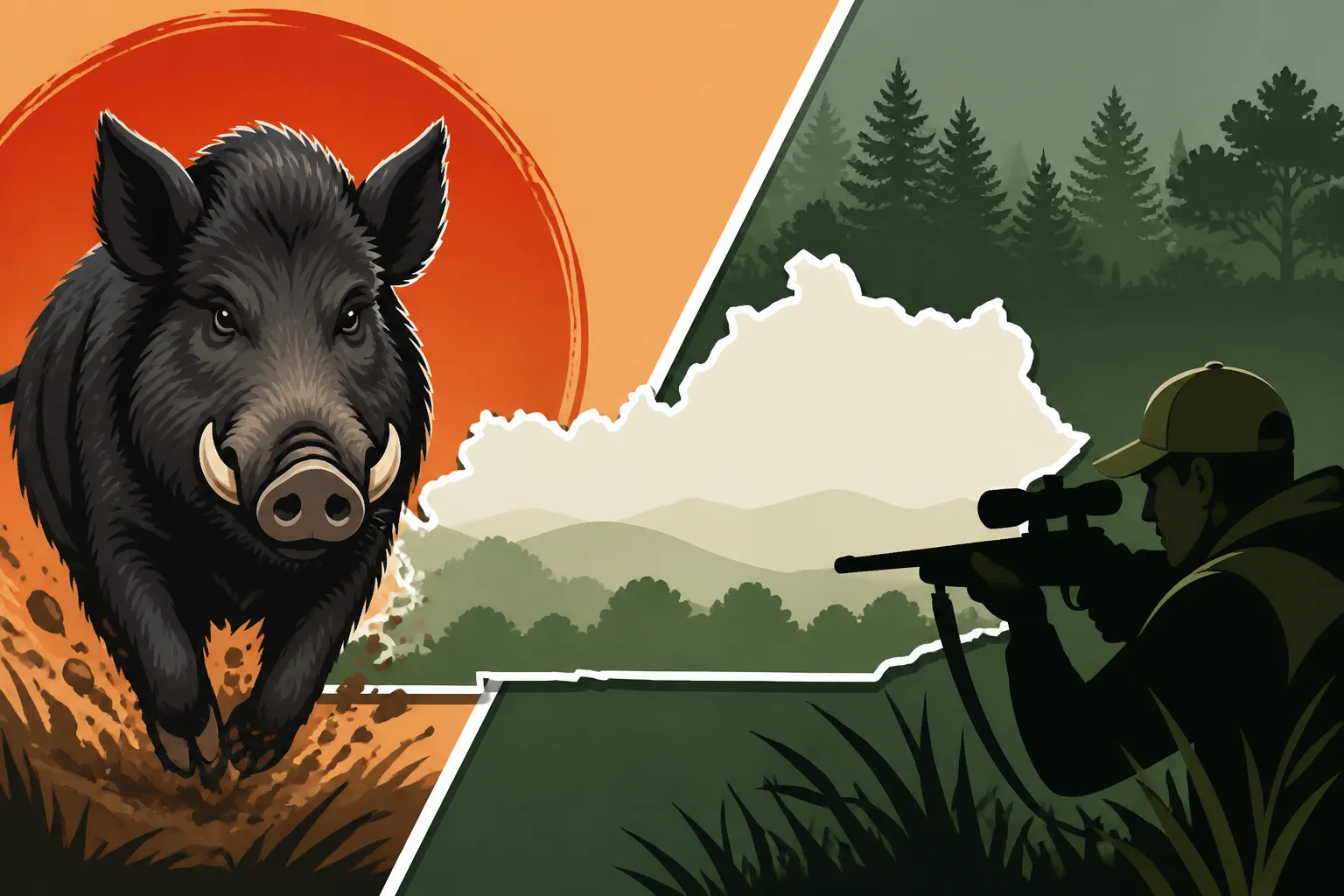
Kentucky's approach to wild hogs isn't about promoting hunting opportunities in the traditional sense; it's a desperate measure to combat a severe ecological and agricultural threat. These animals are not native to North America, and their presence in our beautiful state is purely the result of escapes from domestic stock or deliberate, ill-advised introductions. They are a deeply problematic invasive species, and that status dictates how the state handles them.
Not Native, Not Game
Unlike our cherished white-tailed deer, wild turkeys, or magnificent elk, feral hogs are considered an exotic, invasive species. They don't belong here, and they certainly don't fit into Kentucky's natural ecosystem in a positive way. Because they are not native wildlife, they aren't afforded the same protective management status as game animals. The Kentucky Department of Fish and Wildlife Resources (KDFWR) isn't interested in managing a sustainable population of wild hogs; their goal is, frankly, eradication. This is a critical distinction many hunters might overlook. When you're thinking about deer, you consider carrying capacities, habitat quality, and herd health. For hogs, it's a completely different mindset: how to minimize their presence and impact.
Wild hogs compete directly with native wildlife for food sources like acorns, roots, and tubers. Imagine a sounder of hogs moving through a prime oak flat, rooting up every acorn, leaving nothing behind for deer, turkey, or squirrels. This competition puts immense pressure on our native populations, especially in lean years. They also disturb vital nesting sites for ground-nesting birds, consuming eggs and young, adding another layer of ecological stress. Kentucky Deer Population Estimate and Kentucky Turkey Population Trends show how carefully managed our native species are; wild hogs actively work against these conservation efforts.
Uncontrolled Reproduction and Damage
One of the most terrifying aspects of wild hogs is their incredible reproductive capacity. A sow can become sexually mature at just six months old and can have two litters a year, with each litter averaging four to six piglets. Do the math, and you'll quickly realize how a small sounder can explode into an uncontrollable population in a very short amount of time. This rapid breeding cycle means that even if hunters are successful at taking out a few, the population can quickly rebound, making control efforts feel like an uphill battle.
The damage they inflict is astonishing. Their rooting behavior, where they use their powerful snouts to dig for food, turns fields, forests, and stream banks into churned-up messes. This isn't just unsightly; it destroys agricultural crops, pastures, and delicate ecosystems. Farmers face significant financial losses due to Crop Damage Hogs Cause in Kentucky, which can range from minor field disturbances to complete devastation of a harvest. Beyond agriculture, their rooting causes soil erosion, damages water quality, and destroys the habitat of native plants and animals. They're like little rototillers gone wild, and they don't stop.
Disease Vectors: A Public Health Concern
Perhaps the most insidious threat posed by wild hogs is their role as disease carriers. They are known reservoirs for a host of diseases that can be transmitted to livestock, wildlife, and even humans. Brucellosis, pseudorabies, leptospirosis, and E. coli are just a few of the pathogens they can carry. Imagine the devastation if pseudorabies, a highly contagious and often fatal disease in swine, spread to domestic hog operations in Kentucky. Or brucellosis, which can cause abortions in cattle and flu-like symptoms in humans.
This disease risk isn't just a hypothetical scenario. It’s a very real and present danger that state agencies like KDFWR and the Department of Agriculture take incredibly seriously. The cost of an outbreak, both in terms of animal health and economic impact, would be catastrophic. This potential for widespread disease transmission is a primary driver behind the state's aggressive stance of treating them as unprotected. It's a public health and agricultural security issue as much as it is an ecological one. Kentucky's Chronic Wasting Disease Surveillance Zone gives you a sense of how seriously Kentucky takes wildlife disease management, and hogs present an even broader array of threats.
What "Unprotected" Truly Means for Hunters
The designation of "unprotected" isn't a license for anarchy; it's a specific legal status designed to encourage their removal from the landscape with minimal regulatory hurdles. For hunters, it means a fundamentally different set of rules than what you're used to for regulated game species.
No Closed Season, No Bag Limit
This is perhaps the most significant difference from hunting traditional game animals. For wild hogs in Kentucky, there is no closed season. You can hunt them year-round, any day of the year. There are also no bag limits. If you encounter a sounder of ten hogs and have the opportunity to take them all, you are legally encouraged to do so. This continuous, unrestricted hunting pressure is a key component of Kentucky's strategy to reduce their numbers.
Think about the contrast: for deer, you have specific archery, muzzleloader, and modern gun seasons, often with limits on antlered bucks and antlerless deer based on Kentucky Deer Management Zone Rules. For turkeys, you're restricted to certain periods in spring and fall, with strict bag limits like one bird per WMA. With hogs, that complex web of regulation disappears. The philosophy is simple: if you see one, remove it. This encourages hunters to act as opportunistic population controllers whenever they are in the field, whether primarily hunting hogs or just encountering them while chasing other game. This status is why you can be Hunting Wild Hogs Alongside Deer Season without any issue.
Means and Methods: Flexibility (Within Reason)
Kentucky's regulations regarding wild hogs allow for a wide range of legal hunting methods, often more flexible than what's permitted for game animals. Hunters can use firearms, archery equipment, or even dogs for hunting wild hogs. This flexibility is meant to maximize the chances of successfully removing these destructive animals. However, it's crucial to understand that while hog-specific rules are permissive, general hunting regulations still apply.
For instance, you must still possess a valid Kentucky hunting license to hunt wild hogs, even though they are an unprotected species. This is a common point of confusion. You also cannot discharge a firearm within prohibited distances of residences or public roads, or violate any other general safety or trespass laws. If you're on public land, specific WMA rules or Daniel Boone National Forest rules regarding vehicle use, camping, or Treestand Rules on Kentucky Public Land still apply. Always check the specific area regulations. While you have flexibility in how you hunt them, you don't have carte blanche to ignore other applicable laws. Utilizing a tool like GoHunt can be invaluable here, allowing you to overlay property lines, WMA boundaries, and see specific public land regulations that might indirectly affect your hog hunt.
Landowner Empowerment: Taking Control of the Problem
For private landowners, the "unprotected" status of wild hogs is a huge relief. These animals can decimate crops, tear up pastures, and damage property, causing significant financial hardship. Because hogs are not a protected game species, landowners are given considerable leeway to protect their property. This means they can remove wild hogs from their land at any time, using legal methods, without needing special permits or adhering to specific seasons.
This empowerment is vital because controlling wild hogs often requires year-round, consistent effort. A farmer can trap them, shoot them, or employ other removal strategies as needed, rather than waiting for a specific hunting season. This direct approach helps mitigate the immediate damage and provides landowners with the tools they need to defend their livelihood. It’s also why Getting Private Land Permission in Kentucky is such a valuable strategy for hog hunters; landowners are often eager for assistance in removing these pests.
Navigating the Hunt: Tips for Encountering Wild Hogs
So, you've got the green light to hunt hogs, but how do you approach it? There are some practical considerations, especially regarding identification and safety.
Identifying a Feral Hog: Know Your Target
While most wild hogs in Kentucky clearly look "feral" with their long snouts, coarse hair, and often tusks, it's important to be able to distinguish them from domestic livestock. Accidents happen, and misidentifying an animal can lead to serious consequences. Feral hogs typically have a lean, muscular build, often with a "razorback" profile. Their coats can vary widely in color, from black to brown, red, or even spotted. They often have longer legs and a more aggressive posture than a farm pig.
Domestic pigs, on the other hand, are typically heavier-bodied, with shorter legs and often floppy ears. They are usually found in fenced enclosures or under direct human supervision. If you're ever in doubt, do not shoot. It's always better to let an animal pass than to make a mistake. When you're Reading Kentucky Mud for Fresh Deer Movement, you might also see hog tracks. Hog tracks are typically more rounded than deer tracks, and they often show dewclaws more clearly.
Here's a quick comparison to help:
| Feature | Wild Hog (Feral Swine) | Domestic Pig (Farm Hog) |
|---|---|---|
| Build | Lean, muscular, often "razorback" profile, longer snouts | Stocky, heavy-bodied, shorter snouts |
| Hair/Coat | Coarse, often bristly, wide color variation (black, brown, red, spotted) | Varies, but often smoother, less bristly, more uniform colors |
| Tusks | Often present, especially in males, can be very prominent | Rarely present, if so, usually small |
| Ears | Typically erect, smaller | Often floppy, larger |
| Behavior | Wary, nocturnal, highly elusive, destructive rooting | More docile, accustomed to humans, found in enclosures |
| Habitat | Forests, swamps, fields, often near water sources | Farms, pens, pastures |
Public vs. Private Land Considerations
Kentucky has a good amount of public hunting land, including Daniel Boone National Forest and numerous Kentucky Wildlife Management Areas. You absolutely can hunt wild hogs on these public lands, provided you adhere to all other general hunting regulations and WMA-specific rules. However, hog populations can be transient, and finding them consistently on public land can be a challenge due to hunting pressure. Using a mapping tool like GoHunt can help you identify areas with potential hog habitat, such as dense cover near water sources or agricultural interfaces.
On private land, as mentioned, landowners are often eager for assistance. Obtaining Getting Private Land Permission in Kentucky can open up excellent opportunities for hog hunting. Always ensure you have clear, written permission from the landowner, and understand any specific requests they might have regarding hunting methods or areas to avoid. Respect for private property is paramount, especially when pursuing an unprotected species. Remember that Kentucky Trespass and Permission Law still applies, so don't assume anything.
Safety First: Understanding the Risks
While hunting wild hogs, remember they are powerful, aggressive animals, especially if cornered or if a sow is protecting her piglets. They possess sharp tusks that can inflict serious injury. Always maintain situational awareness, especially in thick cover. If you encounter a hog, be prepared for it to charge or try to escape quickly. Hunters should always prioritize safety, wearing proper Blaze Orange Jackets Versus Vests if hunting during gun seasons for other game, and ensuring their weapon choice is appropriate for a quick, humane kill.
Furthermore, remember the disease risk. When field dressing a wild hog, wear gloves and take precautions to avoid direct contact with blood and internal organs. Handle the meat properly, cooking it thoroughly to eliminate any potential pathogens. This isn't like handling venison; treat wild hog meat with extra care due to the increased disease potential. If you're Field Dressing a Deer in Cold Weather, you're probably already thinking about hygiene, but double down on it for hogs.
The Broader Impact and Ongoing Challenges
Kentucky's "unprotected" status for wild hogs is a direct response to a complex and pervasive problem that extends far beyond a simple hunting opportunity. It’s a battle on multiple fronts to protect our natural resources, agricultural economy, and public health.
Ecological Costs: Upsetting Nature's Balance
The ecological damage caused by wild hogs is profound and often goes unnoticed by casual observers. Beyond consuming native food sources and disrupting nesting sites, their rooting behavior can destroy sensitive plant communities, altering the composition of forest understories and wetlands. They can contribute to the decline of rare or endangered plant species by directly consuming them or destroying their habitat. This widespread disturbance also impacts water quality, as loosened soil and waste can runoff into streams and rivers, harming aquatic life.
They're also predators themselves, eating everything from bird eggs to small mammals and fawns. While Kentucky Predator Impact on Fawn Recruitment is a complex issue, wild hogs certainly don't help. The presence of hogs introduces a disruptive force that can cascade through an ecosystem, weakening native populations and making them more vulnerable to other stressors.
Economic Burden on Farmers
The financial toll on Kentucky's agricultural sector from wild hogs is substantial. Imagine the months of hard work a farmer puts into a corn or soybean field, only for a sounder of hogs to move in overnight and root up acres of crops. This isn't just a nuisance; it's a direct hit to their income and livelihood. Beyond crops, they can damage fencing, water lines, and even spread disease to livestock, leading to costly veterinary bills or herd losses.
The cost of prevention and mitigation also adds up. Farmers might invest in more robust fencing, deploy trapping programs, or spend countless hours monitoring their fields. These are resources and time that could otherwise be dedicated to production. The "unprotected" status allows farmers to act decisively, but the burden of managing this invasive species still largely falls on their shoulders, underscoring the severity of the problem.
Community Efforts and Long-Term Strategy
Kentucky's battle against wild hogs is an ongoing, collaborative effort involving state agencies, landowners, and hunters. The KDFWR actively monitors populations, tracks their spread, and educates the public on the dangers and management strategies. The emphasis remains on complete eradication, or at least significant population reduction, rather than containment or sustainable harvest.
For hunters, being an active participant in this effort means understanding the "unprotected" status as a call to action. It's an invitation to help protect Kentucky's native wildlife and agricultural resources by removing these destructive invaders whenever possible. Tools like GoHunt can help hunters be more effective by providing detailed maps for scouting areas where hogs might be present, allowing them to better understand the landscape and plan their approach. The long-term goal is to restore ecological balance and alleviate the economic pressure these animals inflict, ensuring a healthier future for Kentucky's natural and agricultural landscapes. How Many Wild Hogs Kentucky Has is a constantly moving target, and every hog removed contributes to the larger conservation effort.
Disclaimer
This article is for general informational purposes only and does not constitute professional advice. Laws, prices and regulations vary by location and change over time. Consult a qualified professional for guidance on your specific situation.