How Many Black Bears Kentucky Has
If you're like many folks, the idea of black bears roaming Kentucky might still feel a little… exotic. For generations, they were largely absent from our landscape, fading into legend. But the truth is, Kentucky's black bear population has undergone an incredible resurgence, and understanding just how many are actually out there is key to appreciating this magnificent comeback story and learning how we coexist with them.
The Remarkable Resurgence of Kentucky's Black Bears
For a long stretch of history, seeing a black bear in Kentucky was about as likely as spotting a passenger pigeon. They were, sadly, extirpated from the Commonwealth by the mid-1800s due to unregulated hunting and extensive habitat loss. Early settlers, often driven by fear, a need for resources, or simply the prevailing mindset of the time, relentlessly pursued bears. Forests were cleared for agriculture, mining, and timber, leaving bears with nowhere to hide and nothing to eat. It was a bleak chapter for Kentucky's largest native carnivore, and for many generations, black bears were simply a footnote in our state's natural history.
From Ghost to Growing Population
The turnaround has been nothing short of astonishing. While there weren't any official reintroduction programs in Kentucky, the bears decided to come back on their own terms. Beginning in the late 1980s and early 1990s, individual bears, mostly young males dispersing from burgeoning populations in surrounding states like Virginia, West Virginia, and Tennessee, started to make their way back into the rugged, forested terrain of southeastern Kentucky. These early pioneers were often solitary, stealthy, and sometimes went unnoticed, but they were the first signs of a natural re-establishment that would eventually lead to a thriving population.
These first few sightings were met with a mix of awe and skepticism. People had grown up hearing tales of bears from their grandparents, but rarely, if ever, had they seen one themselves. The initial trickles of bears grew into a steady stream, and soon, resident bears began to establish territories and, crucially, reproduce. This natural re-colonization is a testament to the resilience of wildlife and the healing power of returning forests, as vast tracts of reclaimed mine land and regrown timber provided the perfect mosaic of cover and food for these adaptable animals.
Natural Migration and Habitat Recovery
The driving force behind this comeback was simple: prime habitat becoming available once again, coupled with healthy bear populations in neighboring states acting as a source. The rugged Appalachian foothills and mountains of southeastern Kentucky, rich with oak, hickory, and various berry-producing plants, offered ample food sources. Dense thickets and rocky outcrops provided crucial cover for bedding and denning. As coal mining practices changed and some areas were reclaimed, and as timber management shifted, the landscape became increasingly bear-friendly.
This natural migration pattern meant that bears weren't just appearing in one spot; they were slowly fanning out, following river drainages and unbroken stretches of forest. The Big South Fork National River and Recreation Area, straddling the Kentucky-Tennessee border, and areas like the Daniel Boone National Forest, served as important corridors and core habitats. Hunters and outdoor enthusiasts using tools like GoHunt, with its detailed topographic and satellite layers, can visually trace these vast, interconnected wild spaces and understand how bears navigate their territory. This continuous forest cover is critical for large, wide-ranging animals like bears, allowing them to move safely and find new food sources and mates.
Estimating the Kentucky Black Bear Population
Pinpointing an exact number of black bears in Kentucky is a bit like counting leaves in a forest – it's incredibly challenging. Bears are naturally secretive, elusive, and cover vast amounts of ground. They don't typically line up for a head count! However, wildlife biologists employ a suite of sophisticated techniques to generate population estimates that provide a very good understanding of the overall numbers and trends. These estimates are vital for effective management, ensuring the health of the bear population, and setting appropriate hunting regulations.
Methods of Population Tracking
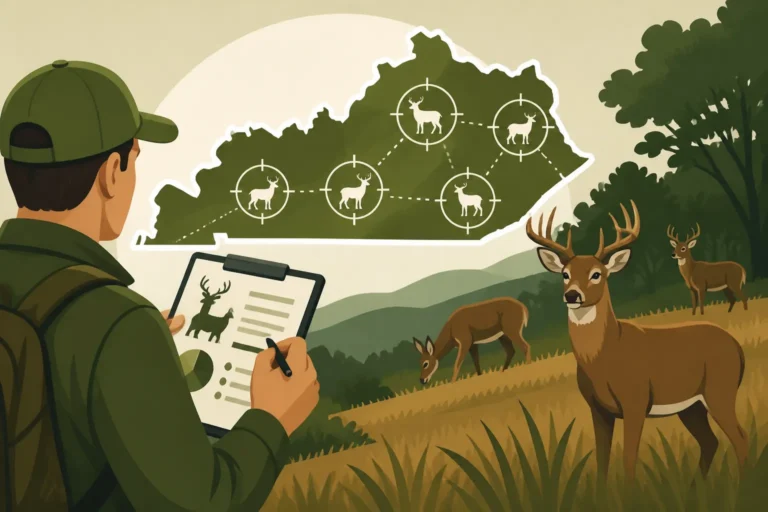
One of the primary methods used to track bear populations involves non-invasive DNA sampling. This often means setting up "hair snares" – barbed wire enclosures around a bait site. When bears visit the bait, they rub against the wire, leaving behind strands of hair. Biologists collect this hair, extract DNA, and can then identify individual bears, their sex, and even their familial relationships. By repeatedly sampling an area, they can estimate how many unique bears are present and track their movements over time.
Another invaluable tool is the strategic placement of trail cameras. These cameras, deployed in known bear habitats or along travel corridors, capture images and videos of bears, providing a visual census. While they don't offer individual identification in the same way DNA does (unless bears have unique markings), they help determine bear presence, relative abundance, and activity patterns. Additionally, data collected from successful hunters, such as age, sex, and weight of harvested bears, also contributes significantly to population models. Every piece of information helps paint a clearer picture of the overall health and size of the herd, as discussed in our insights into Kentucky Bear Harvest Trends.
Understanding the Numbers
Based on these combined efforts, wildlife biologists estimate that Kentucky's black bear population is robust and growing, with figures suggesting a population well into the thousands. While specific year-to-year numbers fluctuate due to factors like cub survival, mast crop availability, and dispersal, the general trend has been a consistent upward trajectory. The core populations are concentrated in the southeastern coalfields, but there's a clear expansion outward, leading to a broader distribution.
This growth isn't just about raw numbers; it's about the density and distribution of bears. The estimation models also consider factors like reproductive rates, cub survival, and mortality rates (both natural and human-caused). This holistic approach helps wildlife agencies understand not just how many bears there are, but also how healthy the population is and how quickly it's expanding. These ongoing assessments are critical for adapting management strategies to ensure bears continue to thrive in Kentucky without creating excessive conflict with human populations.
Where Kentucky Black Bears Roam
While Kentucky's black bear population is growing statewide, their distribution isn't uniform. Bears are still most concentrated in specific regions, primarily those with extensive forest cover and rugged terrain. However, their curious and wide-ranging nature means they're increasingly showing up in places where they haven't been seen in generations, sparking excitement and sometimes a little apprehension among residents.
The Core Bear Zones
The heart of Kentucky's bear country lies firmly in the southeastern counties. This region, characterized by the rugged Appalachian Mountains, vast tracts of the Daniel Boone National Forest, and large portions of reclaimed mine lands, provides ideal habitat. Counties like Bell, Harlan, Leslie, Letcher, Floyd, Pike, and Whitley are considered strongholds, boasting the densest populations. Here, bears have established stable breeding populations, and encounters are much more common for hunters and hikers. We delve deeper into their preferred habitats and movements in Where Southeastern Kentucky Bears Range.
These core zones offer a mix of dense forest, riparian areas along creeks and rivers, and abundant mast crops like acorns and hickory nuts, which are critical food sources. They also provide the solitude and security that bears need, especially for sows raising cubs. Hunters who venture into these areas need to be bear-aware, not just for safety, but also to recognize bear sign and understand their patterns. Using mapping software, like GoHunt's detailed topographical layers, can really help identify these crucial zones with heavy cover and consistent food sources, whether you're looking for Spot-and-Stalk Tactics for Pine Mountain Bears or just observing.
Expanding Horizons
One of the most exciting aspects of Kentucky's bear resurgence is their continued expansion beyond these traditional strongholds. While the southeastern mountains remain the epicenter, bears are actively dispersing into central and even parts of western Kentucky. Young males, in particular, are known to travel vast distances in search of new territories and mates. This dispersal means that counties like Pulaski, McCreary, Wayne, Clinton, and even some further west, are seeing a noticeable increase in bear sightings and establishing small, nascent populations. This phenomenon is highlighted in our piece on Bears Moving Into Central Kentucky.
This expansion brings new challenges and opportunities. For residents in these new areas, understanding bear behavior and implementing proper attractant management (like securing trash and pet food) becomes crucial to minimize human-bear conflicts, as discussed in our guide to Bear Encounters Around Eastern Kentucky Cabins. For hunters, it means the possibility of encountering a bear in unexpected places, and the state's bear management plans, including defining zones like those covered in Hunting the New Bear Zone Three, are designed to adapt to this dynamic distribution. The return of bears to these broader landscapes is a sign of a healthy, growing population and a testament to the resilience of our natural ecosystems.
Factors Influencing Bear Population Dynamics
Understanding bear numbers isn't just about counting; it's about understanding the complex web of factors that influence their population. From the availability of their favorite foods to how humans manage their interactions, numerous elements play a role in how many black bears call Kentucky home and where they choose to live. It's a delicate balance, and wildlife biologists are constantly monitoring these dynamics to ensure a healthy and sustainable population for the future.
Habitat and Food Availability
At the heart of any wildlife population's success is habitat, and for black bears, this means vast, uninterrupted stretches of forest rich with diverse food sources. Kentucky's mountains and forests, with their abundance of oak, hickory, beech, and various berry-producing shrubs like blueberries and blackberries, provide critical sustenance. A year with a robust mast crop (a good acorn and nut fall) can lead to fatter bears, healthier cubs, and higher survival rates through winter. Conversely, a poor mast year can stress the population, causing bears to range further in search of food and potentially bringing them closer to human settlements.
Beyond food, bears need secure denning sites, often found in hollow logs, rock crevices, or dense thickets, particularly for sows preparing for hibernation and cub birth, a process explored in Kentucky Bear Denning Behavior. Access to water and a mosaic of different forest ages (from clear-cuts offering berry bushes to mature stands providing acorns) contribute to a thriving bear landscape. Human development, road construction, and forest fragmentation can diminish this crucial habitat, making it harder for bears to find what they need, even as their overall numbers grow. Conservation efforts focused on maintaining and restoring these forest ecosystems are therefore paramount for the long-term success of Kentucky's black bear population.
Management Strategies and Hunting Seasons
Kentucky's black bear population is managed through a comprehensive strategy developed by the Kentucky Department of Fish and Wildlife Resources (KDFWR). This strategy includes ongoing research and monitoring, public education initiatives, and carefully regulated hunting seasons. The goal of bear management is not to eliminate bears, but to maintain a healthy, viable population while minimizing conflicts with people and livestock. Hunting plays a critical role in this, serving as a management tool to stabilize populations, especially in areas where numbers are robust.
Hunting seasons are strategically set, often with specific quotas or zone restrictions, to target certain demographics (like males) or manage growth in specific areas. Hunters are required to report their harvest, and this data is meticulously collected and analyzed as part of the overall population assessment, including insights on Kentucky Bear Checking Requirements. For those considering the hunt, resources on specific techniques, such as Shot Placement on a Kentucky Black Bear, are invaluable. The opportunity to hunt black bears in Kentucky is a privilege that comes with the responsibility of ethical hunting and a deep understanding of the regulations designed to sustain the population. It's a true full-circle moment, from extirpation to managed hunting, a testament to conservation success.
Coexisting with Kentucky's Black Bears
As Kentucky's black bear population continues to thrive and expand its range, the likelihood of human-bear encounters increases. For most of Kentucky's history, the idea of living alongside bears was a distant memory, if even a concept at all. Now, it's a reality for a growing number of residents, particularly in the eastern half of the state. Learning how to coexist peacefully and safely is no longer just for mountain dwellers; it's becoming important for anyone living near forested areas across the Commonwealth. The goal is to minimize conflicts and ensure both bears and people can share the landscape.
Minimizing Human-Bear Conflicts
The vast majority of human-bear conflicts stem from bears being attracted to human food sources or garbage. Bears are incredibly intelligent and have an exceptional sense of smell, and once they associate humans with an easy meal, problems can quickly escalate. This means responsible behavior around bears begins in our backyards and at our campsites. Securing trash in bear-resistant containers, cleaning outdoor grills thoroughly after use, bringing pet food indoors, and removing bird feeders during active bear seasons are all simple yet highly effective steps.
For those who live or recreate in bear country, never feeding bears, either intentionally or unintentionally, is the golden rule. Hikers should carry bear spray and know how to use it, make noise on trails to avoid surprising a bear, and never approach a bear, especially a sow with cubs. These proactive measures, along with educating neighbors and communities, are essential for preventing nuisance bear behavior. Resources like GoHunt can help you identify areas with dense bear populations, allowing you to be extra vigilant and prepared when you're recreating in those zones.
The Hunter's Role in Bear Management
Hunters play a unique and vital role in the ongoing success and management of Kentucky's black bear population. By participating in regulated hunting seasons, hunters contribute to population control, particularly in areas where bear numbers are highest, which helps to mitigate potential conflicts with humans and livestock. The harvest data collected from hunters provides crucial information to wildlife biologists, helping them assess population health, age structures, and reproductive success. This data directly informs future management decisions, ensuring that seasons and quotas are set appropriately to maintain a healthy and sustainable bear population.
Beyond direct harvest, ethical hunters are often keen observers of wildlife. They spend countless hours in the woods, noticing changes in habitat, identifying bear sign, and reporting unusual activity. This on-the-ground knowledge is invaluable to KDFWR. Hunters who follow regulations, practice ethical shot placement, and respect the animals they pursue are not just participants in a sport; they are essential partners in conservation. The management of species like the black bear requires a collaborative effort, and hunters are at the forefront of this stewardship, helping to ensure that future generations will also have the opportunity to appreciate Kentucky's magnificent black bears.
Disclaimer
This article is for general informational purposes only and does not constitute professional advice. Laws, prices and regulations vary by location and change over time. Consult a qualified professional for guidance on your specific situation.