Kentucky Squirrel and Rabbit Populations
It can be incredibly frustrating to hit the woods for a squirrel or rabbit hunt, expecting to find buzzing activity, only to be met with silence and empty cover. You scout, you plan, and sometimes it just feels like the small game have vanished into thin air, leaving you wondering if their populations are even holding up. This guide aims to pull back the curtain on Kentucky's squirrel and rabbit populations, helping you understand their numbers, preferred habitats, and the critical factors that influence their presence so you can find more success and satisfaction in the field.
Understanding Kentucky's Squirrel Species and Their Habitats
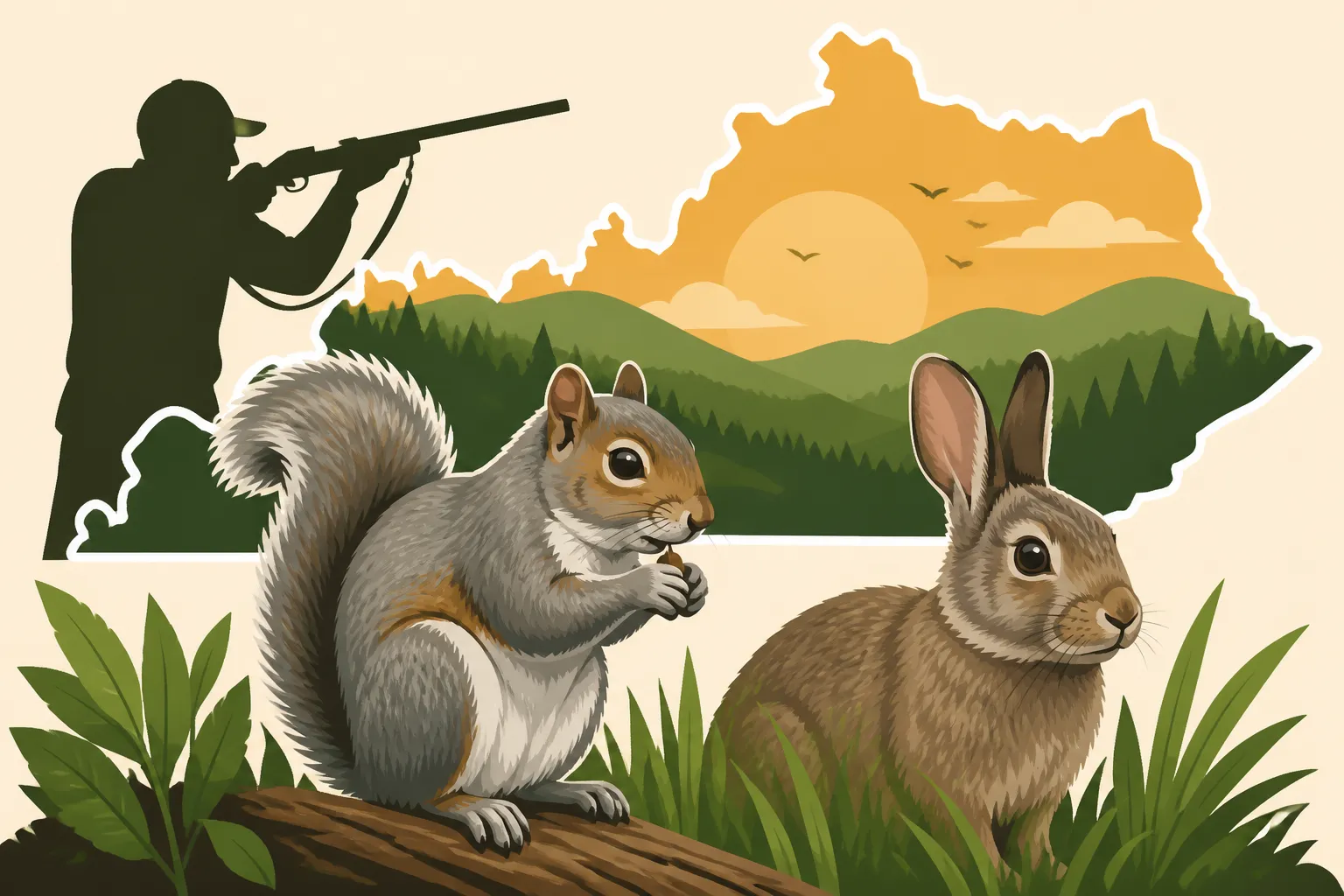
Kentucky is home to several species of squirrels, but for most small game hunters, two stand out: the gray squirrel and the fox squirrel. Each has its own niche, habits, and appeal, and understanding these differences is key to successful hunting.
Gray Squirrels: The Ubiquitous Bushy-Tails
The eastern gray squirrel is, without a doubt, the most common and widespread squirrel across Kentucky. You'll find them almost everywhere there are mature trees, from dense hardwood forests in the Appalachian foothills to urban parks and suburban backyards. These squirrels thrive in areas with abundant mast-producing trees like oaks, hickories, and beeches, which provide their primary food source. When acorns and hickory nuts are plentiful, gray squirrel populations tend to boom, and you can often observe them in large numbers foraging on the forest floor or scampering through the canopy.
Their preference for mature, unbroken timber with a dense canopy is notable. In these environments, they are incredibly agile, using tree limbs and vines as highways to escape predators or move between feeding areas. You'll often see them building leaf nests high in the trees, especially during warmer months, or seeking refuge in natural tree cavities as temperatures drop. Hunting them often involves still-hunting along creek bottoms or ridgelines with abundant nut trees, paying close attention to both the ground for dropped cuttings and the tree trunks for movement. When you're ready to head out, remember that "Squirrel Hunting a Kentucky Oak Ridge" is often a productive way to find them.
Fox Squirrels: Larger, Scarcer, and More Elusive
The fox squirrel is the largest tree squirrel in North America, and in Kentucky, they present a different challenge than their gray counterparts. While grays prefer dense, unbroken woods, fox squirrels favor more open, scattered timber, often found in agricultural areas, woodlots, and along field edges. They are less arboreal than gray squirrels and spend more time on the ground, sometimes traveling considerable distances between isolated trees or small patches of woods. Their diet is similar to gray squirrels, focusing on nuts, seeds, and agricultural crops like corn, but they also incorporate more fungi and even insects into their diet.
Due to their preference for more fragmented habitats and their larger size making them easier targets for predators, fox squirrel populations are generally lower and more localized than gray squirrels. You might spend a morning hunting a patch of woods that holds plenty of gray squirrels without seeing a single fox squirrel. To target them, look for larger, more isolated oak and hickory trees, particularly those bordering cornfields or open pastures. They tend to be bolder but also more wary, often freezing on a tree trunk or sprinting across open ground at the first sign of danger. Understanding "Gray Versus Fox Squirrels in Kentucky" is essential if you're hoping to bag one of these magnificent creatures.
Red Squirrels and Southern Flying Squirrels: Less Common Encounters
While gray and fox squirrels are the stars of Kentucky's small game hunting, it's worth noting the presence of other squirrel species. The American red squirrel, for instance, is found in certain parts of Eastern Kentucky, particularly in coniferous and mixed forests. These smaller, feistier squirrels are highly territorial and known for their distinctive chatter. However, due to their smaller size and more restricted habitat, they are generally not a primary target for small game hunters in the same way gray and fox squirrels are.
Southern flying squirrels are another fascinating resident, though you'll likely never see one during daylight hunting hours. These nocturnal creatures are common throughout the state but spend their days hidden in tree cavities or den boxes. They don't actually fly, but rather glide between trees using a membrane of skin called a patagium. While they contribute to the overall forest ecosystem and are an indicator of healthy woodlands, their nocturnal habits mean they aren't part of the typical small game hunting experience.
Kentucky's Rabbit Population Dynamics and Preferred Cover
Just like squirrels, rabbits are a beloved small game species in Kentucky, offering fast-paced action and delicious table fare. Understanding their population dynamics and favorite haunts will significantly increase your odds of a successful hunt.
Eastern Cottontails: The King of Kentucky Rabbits
The eastern cottontail is, without a doubt, the most prevalent rabbit species across Kentucky. These iconic bunnies are found statewide, from the edges of major cities to remote farmlands and vast public hunting lands. They are incredibly adaptable and thrive in habitats that offer a mosaic of cover and food sources. Think brushy fields, fencerows, young clear-cuts, briar thickets, overgrown pastures, and the edges of timber blocks. They are highly reliant on dense, low-growing vegetation for escape cover from predators and for rearing their litters.
Cottontails are prolific breeders, capable of producing multiple litters throughout the warmer months. This high reproductive rate allows their populations to rebound quickly even after significant losses due to predation or harsh weather. You'll often find them foraging on grasses, clover, and young forbs, particularly at dawn and dusk. When spooked, they'll typically make a short, explosive dash for the nearest dense cover. Knowing where to look for them is critical, and a great place to start is by "Rabbit Hunting Thick Kentucky Brush" where they love to hide.
Swamp Rabbits: Wetland Specialists
While eastern cottontails dominate most of Kentucky, the swamp rabbit (also known as the cane cutter) is a specialized species found in specific wetland habitats, primarily in Western Kentucky's river bottoms and low-lying areas. As their name suggests, they prefer swamps, marshes, sloughs, and dense cane thickets that are frequently flooded or perpetually damp. They are larger than eastern cottontails and are strong swimmers, often taking to the water to escape danger.
Swamp rabbit populations are more localized and generally less abundant than cottontails due to their specialized habitat requirements. Development and drainage of wetlands have impacted their historical range. Hunting swamp rabbits typically requires navigating challenging terrain, often with rubber boots or waders, and focusing on those dense, water-logged thickets. They offer a unique hunting experience for those willing to venture into their watery domain.
Population Cycles and Boom-Bust Years
One of the most interesting aspects of rabbit populations, particularly eastern cottontails, is their tendency to experience boom-and-bust cycles. It's not uncommon for hunters to report incredibly high numbers of rabbits one year, followed by a noticeable decline a season or two later. These cycles are complex and influenced by a variety of factors.
A mild winter followed by a productive spring and summer with good rainfall and abundant forage can lead to a surge in rabbit numbers. More food means healthier does, larger litters, and higher survival rates for young rabbits. Conversely, a harsh winter with deep snow and prolonged cold, or a summer drought that limits food and cover, can send populations plummeting. Disease outbreaks, which can spread rapidly through dense populations, and increased predator pressure (as predators also experience boom-and-bust cycles) also play significant roles. As a hunter, understanding that these fluctuations are natural can help manage expectations and direct your efforts to prime habitat during the "boom" times. For those who enjoy working with dogs, "Running Beagles on Kentucky Cottontails" can be a very effective and enjoyable way to pursue them, especially during peak population years.
Factors Influencing Small Game Populations in Kentucky
Small game, whether it's squirrels or rabbits, are like canaries in a coal mine for habitat health. Their populations rise and fall based on a complex interplay of environmental factors. Understanding these helps us predict where to find them and appreciate the conservation challenges they face.
Habitat Loss and Fragmentation: The Biggest Threats
For both squirrels and rabbits, habitat is everything. Unfortunately, the biggest long-term threat to stable small game populations in Kentucky is the loss and fragmentation of their preferred habitats. For squirrels, this means the clearing of mature hardwood forests for development, agriculture, or timber operations that replace diverse woodlands with monoculture plantations. When large tracts of mast-producing trees are removed, or when unbroken forest is cut into smaller, isolated blocks, squirrel populations suffer because they rely on extensive tree cover for food and safety.
Rabbits face similar challenges. The conversion of brushy fencerows into wide-open fields, the mowing of overgrown pastures, and the development of wetland areas all reduce the dense, low-lying cover essential for their survival. Imagine a briar patch on the edge of a field—a perfect rabbit haven. If that patch is bulldozed and planted with row crops, those rabbits have lost their home, their food, and their escape routes. The fewer these habitat corridors and safe havens become, the more vulnerable rabbits are to predation and the harder it is for their populations to thrive. It's a constant battle, and when we think about "Hunting Western Kentucky Bottomland Deer", we often overlook that these areas are also critical for small game, yet they are increasingly impacted by large-scale agriculture.
Predation and Disease: Nature's Balancing Act
Predation is a natural and necessary part of ecosystem health. Hawks, owls, foxes, coyotes, bobcats, and even domestic cats and dogs all prey on squirrels and rabbits. In a healthy ecosystem, this predation helps keep populations in check, culling weak or diseased animals and preventing overpopulation that could lead to habitat degradation. However, when habitat is fragmented, and small game animals are concentrated in smaller areas, predation can become a more significant limiting factor. The less cover available, the easier it is for a hawk to spot a rabbit, or a coyote to catch a squirrel foraging on the ground.
Diseases also play a role, sometimes dramatically. Conditions like tularemia (often called rabbit fever) can impact rabbit populations, especially during periods of high density. Squirrels can also be affected by various parasites and pathogens. While hunters might occasionally encounter a sick animal, widespread disease outbreaks are typically natural phenomena that help regulate populations, much like predation. It's just part of nature's way of ensuring balance, even if it feels counterproductive to a hunter seeing fewer animals in the field.
Weather Patterns and Mast Crop Fluctuations
Kentucky's weather can be notoriously fickle, and these variations have a direct impact on small game. A severe winter with prolonged periods of ice and deep snow can make foraging difficult for squirrels and rabbits, leading to starvation or increased vulnerability to predators. Conversely, mild winters can allow more animals to survive and enter the breeding season in better condition. Droughts in summer can reduce the availability of forage for rabbits and impact the mast crop for squirrels.
The annual mast crop—the nuts, seeds, and fruits produced by trees—is a critical factor for squirrel populations. Good mast years, when oaks and hickories drop abundant nuts, lead to well-fed squirrels, higher survival rates through winter, and often larger litters the following spring. Poor mast years, however, can result in widespread food shortages, pushing squirrels to forage more widely, making them more vulnerable, and ultimately leading to declines in population. If you're out "Hunting After a Poor Acorn Year", you'll notice a distinct difference in squirrel activity and numbers, which is why scouting is so vital.
Scouting and Locating Squirrel and Rabbit Hotspots
Finding where squirrels and rabbits are concentrated isn't just about luck; it's about understanding their needs and knowing how to read the landscape. Effective scouting, both before and during the season, is your best friend.
Reading the Land: Identifying Prime Habitat
The first step in locating small game is to identify prime habitat. For squirrels, this means looking for mature hardwood forests, especially those dominated by oak, hickory, and beech trees. These areas provide the mast they depend on. Pay attention to stands of timber along creek bottoms, which tend to be particularly rich in diverse hardwood species and offer sheltered travel corridors. On public lands, areas that haven't been heavily logged in recent decades are often excellent bets. When scouting, keep an eye out for "Reading Cuttings Under an Oak" – those tell-tale piles of shell fragments on logs or stumps that scream "squirrel feeding station!"
For rabbits, focus on edge habitat and dense cover. Look for areas where fields meet timber, where old fencerows are overgrown with briars and honeysuckle, or where young clear-cuts have regenerated into thick, brushy tangles. Power line cuts, ungrazed pastures, and even suburban green spaces with thick undergrowth can hold significant numbers of rabbits. The key is to find that combination of readily available forage (grasses, clover) directly adjacent to impenetrable cover that offers refuge from predators. These transition zones are goldmines.
Sign, Sounds, and Seasonal Movements
Once you're in promising habitat, it's time to look for specific signs. For squirrels, listen for their chattering calls, the rustle of leaves as they move through the canopy, and the distinctive "thump" of a falling nut. Look for cuttings on logs, stumps, or along trails. In the winter, tracks in snow can reveal heavily used travel routes between den trees and feeding areas. During the early archery season, before leaf drop, observing squirrels for even five or ten minutes can reveal their preferred feeding trees and travel patterns.
Rabbit sign includes droppings, often found along well-used trails, and gnaw marks on woody vegetation. You might see "runs" or tunnels through dense grass and briars. In winter, look for tracks in the snow leading into thickets. Rabbits are crepuscular, meaning most active at dawn and dusk, so timing your scouting efforts to these periods can yield direct sightings. Remember that small game, like deer, will adjust their movements seasonally based on food availability and cover changes. In early fall, squirrels are often concentrated on specific mast trees, while later in the season, they might be more dispersed as food becomes scarcer. Likewise, rabbits will seek the thickest cover as herbaceous vegetation dies back in winter.
Leveraging Mapping Tools for Success
In today's hunting world, digital mapping tools are an absolute game-changer for small game hunters. Services like GoHunt allow you to zoom in on satellite imagery to identify prime habitat without even setting foot in the woods. You can pinpoint old logging roads, identify clear-cuts in various stages of regrowth, locate dense fencerows, and mark areas with mature timber that indicate potential mast production. For hunters trying to find public land access, these tools are invaluable.
Using mapping apps on your phone or computer, you can mark potential hotspots, plan your routes, and even scout remotely. Look for areas with a patchwork of different cover types – mature timber for squirrels, adjacent brushy edges for rabbits, and transition zones that might hold both. On public lands, these tools help you find "Finding Ground Others Walk Past" by identifying hard-to-reach pockets of cover or less obvious access points. Before heading out, spend some time studying aerial photos; you might be surprised at what you discover from above that isn't obvious on the ground. You can also use the Kentucky Fish and Wildlife Department's own mapping resources to find public lands. Learning to use "Scouting With the Kentucky Hunt Fish App" can unlock a lot of potential on public ground, providing layers for property boundaries and habitat types.
Sustainable Harvest and Conservation Efforts
Hunting small game in Kentucky isn't just a fun tradition; it's a vital part of wildlife management. Responsible harvesting and participation in conservation efforts ensure that squirrel and rabbit populations remain healthy for generations to come.
Understanding Bag Limits and Season Dates
One of the most fundamental aspects of responsible small game hunting is understanding and adhering to Kentucky's bag limits and season dates. These regulations are set by the Kentucky Department of Fish and Wildlife Resources (KDFWR) based on scientific data, population assessments, and habitat conditions. They are designed to allow for a sustainable harvest while protecting the breeding stock. For squirrels, the season typically opens in late summer, often when the first nuts are falling, and runs through late winter. Rabbit season usually starts later in the fall and extends through late winter.
It's crucial to check the current hunting regulations pamphlet or the KDFWR website each year, as dates and limits can change. For example, knowing "When Kentucky's Squirrel Season Opens" or "How Long Kentucky's Rabbit Season Runs" is non-negotiable. Exceeding bag limits or hunting out of season not only is illegal but can also negatively impact local populations, especially during sensitive breeding periods. Always carry your license and any required permits, and be familiar with the rules for the specific area you're hunting, especially if it's a Wildlife Management Area (WMA) which may have special regulations.
Habitat Improvement and Landowner Partnerships
While hunting offers a direct connection to these animals, true conservation for small game often boils down to habitat. Landowners play a critical role here. Simple practices like leaving brushy fencerows un-mowed, creating brush piles, planting native soft mast trees, or allowing some fields to grow fallow can dramatically improve habitat for both squirrels and rabbits. These efforts provide essential food, cover, and nesting sites.
For those hunting on private land, fostering a good relationship with landowners and even offering to help with habitat improvement projects can be mutually beneficial. It gives you better hunting access and helps the landowner manage their property for wildlife. On public lands, agencies like the KDFWR, the U.S. Forest Service (for Daniel Boone National Forest), and the Tennessee Valley Authority (for Land Between the Lakes) actively manage habitats through controlled burns, timber stand improvements, and planting native vegetation. These efforts are crucial for maintaining diverse ecosystems that support small game, as well as species like grouse, as covered in "Grouse and Small Game Hunting in Kentucky".
The Role of Hunter Participation in Data Collection
Hunters are often the first line of defense and observation for wildlife agencies. Your activity in the field provides invaluable data. By participating in hunter surveys, reporting your harvests accurately (when required), and even simply observing and reporting unusual sightings (like sick animals or sudden population changes), you contribute directly to the KDFWR's ability to monitor small game populations. This data helps them make informed decisions about season lengths, bag limits, and conservation priorities.
Think of it this way: every time you're out there enjoying "Squirrel Hunting Kentucky Bottomland Hardwoods" or pursuing rabbits in the thickets, you're gathering anecdotal information about the health of those local populations. Being an ethical and engaged hunter means not only respecting the animals and the rules but also understanding your role as a citizen scientist. Your fees from licenses, like the Kentucky Resident Hunting License Cost, also directly fund these conservation efforts, making you an active participant in sustaining Kentucky's rich small game heritage. GoHunt's community features can also sometimes provide a platform for sharing observations and contributing to a broader understanding of game presence in various areas, connecting hunters with similar interests.
Conclusion
Kentucky's squirrel and rabbit populations are a cherished resource, offering countless hours of enjoyment to hunters across the Commonwealth. From the agile gray squirrels darting through oak ridges to the elusive cottontails hunkering down in briar patches, these small game animals are a testament to the diverse and vibrant ecosystems found throughout our state. While their numbers can fluctuate due to habitat changes, weather, and natural cycles, understanding their biology, preferred habitats, and the factors that influence their populations empowers us as hunters to be more successful and more engaged in their conservation.
By taking the time to scout, utilizing modern tools like mapping apps, and always respecting the regulations, we not only increase our chances of filling the pot but also contribute to the long-term health of these species. Every hunter has a role to play in observing, reporting, and supporting the habitat work that ensures future generations can experience the thrill of a squirrel barking from a hickory or a rabbit bursting from a thicket.
Disclaimer
This article is for general informational purposes only and does not constitute professional advice. Laws, prices and regulations vary by location and change over time. Consult a qualified professional for guidance on your specific situation.