Hunting After a Poor Acorn Year
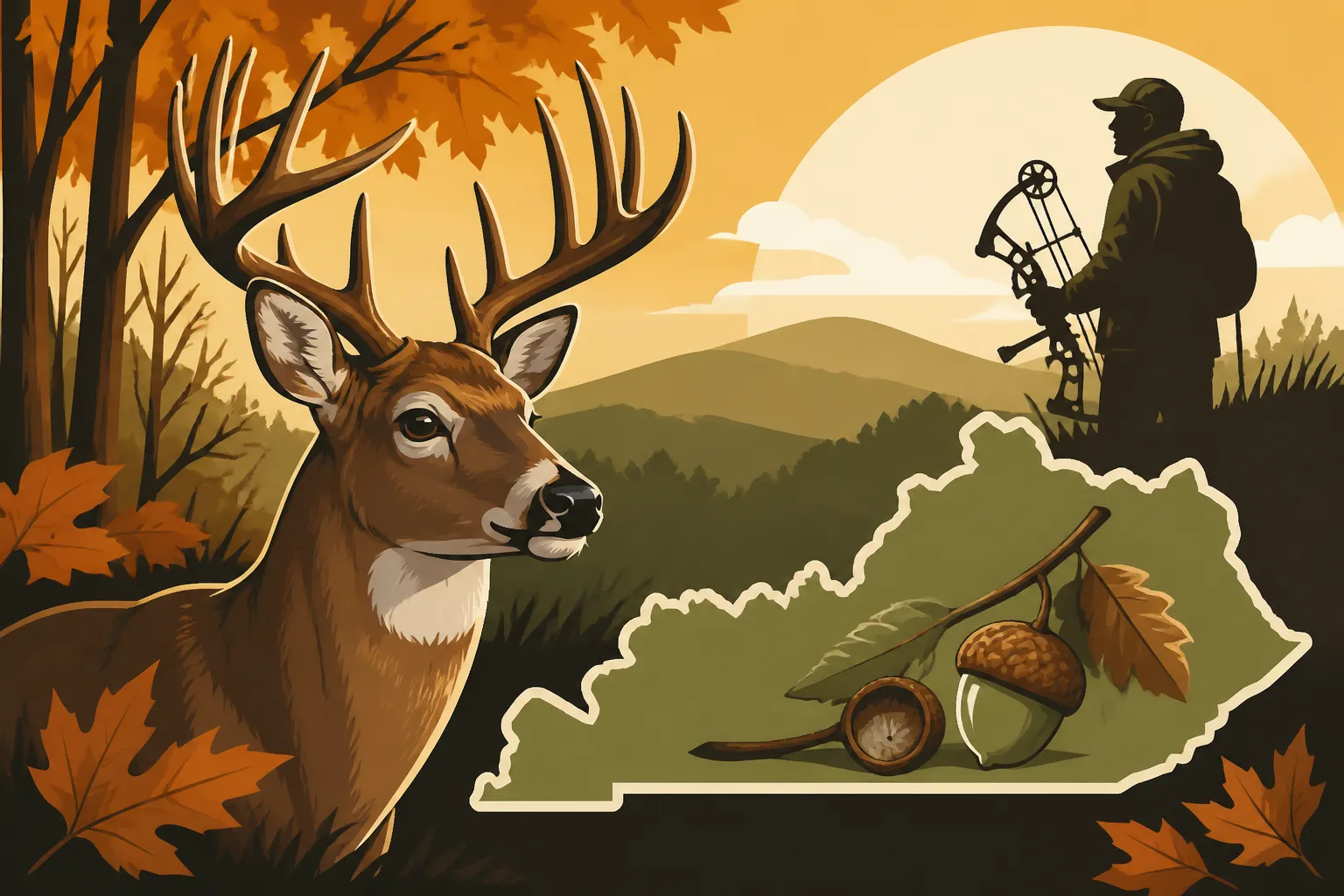
That familiar thud of falling acorns is usually a welcome sound in the Kentucky woods, signaling a coming feast for deer. But when the acorn crop is a bust, it can feel like your entire season's game plan gets tossed out the window, leaving you wondering where on earth the deer have gone. This guide is all about helping you adapt your strategies, find those whitetails, and make the most of a challenging hunting season when the primary food source is scarce.
Understanding the Impact of a Poor Acorn Crop on Deer
A hunter's best friend in the early to mid-season often revolves around finding those prime oak stands. White oaks, then red oaks, provide an incredibly rich, readily available food source that deer absolutely crave. So, when nature decides to skip the heavy acorn drop, it creates a ripple effect throughout the entire deer herd's behavior. It’s not just a minor inconvenience; it’s a fundamental shift in their daily patterns and where they choose to spend their time.
Why Acorns are So Crucial for Kentucky Deer
Think of acorns as nature's energy bar for deer. They're packed with carbohydrates and fats, providing essential calories that help deer build up their reserves for the rut and the long winter ahead. White oak acorns, in particular, are less tannic and more palatable, making them a first-choice meal. Red oak acorns, while more bitter, offer a longer-lasting food source as they decompose slower and are often available well into the late season. When this crucial food source isn't available, deer don't just find a "second favorite" food; they have to entirely re-evaluate their foraging strategies.
A bumper crop of acorns can concentrate deer in specific areas, making them relatively predictable. Hunters can set up on travel corridors leading to oak flats or directly in the timber where the nuts are falling. Conversely, a poor acorn year forces deer to spread out, seeking nutrition wherever they can find it. This dispersal can make them seem to vanish, leaving hunters frustrated and scratching their heads. Understanding this foundational shift is the first step in formulating a new, effective hunting plan. It means acknowledging that your usual spots and tactics might not be nearly as productive.
Immediate Behavioral Shifts You'll See
The moment acorns become scarce, deer immediately pivot to other food sources. This isn't a slow, gradual change; it can happen almost overnight. Instead of lingering under oak trees, they'll move more directly between bedding areas and alternative forage. You might notice fewer fresh rubs and scrapes in oak timber, or at least a significant shift in their location. Bucks that would typically cruise oak flats during the rut, scent-checking for does, will now follow does to wherever the available food is.
These behavioral shifts also mean increased competition at whatever alternative food sources are available. Deer, especially larger bucks, become less tolerant of other deer in these limited feeding areas. This competition can sometimes make them more visible during daylight hours as they assert dominance, but it also means hunters need to be even more precise with their scouting and stand placement. You're no longer looking for a general feeding area; you're looking for the feeding area that's holding deer.
Shifting Your Focus: Alternative Food Sources
When acorns fail, deer don't just starve; they adapt. Your job as a hunter is to adapt with them. This means expanding your knowledge of what deer eat beyond just acorns and knowing when and where to find these alternative meals. Kentucky's diverse landscape offers a surprising variety of forage, even when the oak crop disappoints.
Targeting Mast Crops Beyond Oaks
While oaks are often king, other mast-producing trees and plants can become incredibly important during an acorn bust. Persimmon trees are a prime example. These sweet, soft fruits, often ripening from late summer into fall, are highly attractive to deer. You'll typically find persimmon trees in old fields, fencerows, and woodland edges. Look for trees that are heavily laden with fruit and check for fresh deer tracks and droppings underneath. The beauty of persimmons is that they often fall over an extended period, providing a consistent food source.
Other forgotten mast crops include wild grapes, which can be found climbing trees along creek bottoms and field edges. Deer will browse the leaves and eat the fruit. Wild crabapple trees, often found in similar transitional habitats, also offer a food source, though usually less preferred than persimmons. Don't overlook beechnuts if you have American beech trees in your area; these small, triangular nuts are very nutritious and highly sought after when available. Scouting for these takes a keen eye and a willingness to explore areas you might typically bypass when acorns are plentiful.
Key Agricultural Food Sources
When natural mast is scarce, agricultural fields become absolute magnets for deer. This is especially true in regions like Western Kentucky bottomland deer country or the rich farmlands of Central Kentucky. Standing cornfields are a classic example; deer will hit them hard, both for the grain and the cover. A good strategy is to look for entry routes through standing beans or corn, focusing on the edges where deer feel safer entering and exiting. Cut cornfields will also be hit, as deer will glean any leftover kernels.
Soybeans are another huge draw, especially the green leaves in late summer and early fall, and then the protein-rich beans once they mature and dry. Winter wheat, rye, and clover fields, especially those planted as food plots, become invaluable when natural food sources are low. These green fields provide easily digestible forage and are often heavily utilized during daylight hours. Hunters often focus on Hunting a Green Field Planted for Deer, knowing that these plots become hotspots in challenging years. Knowing what crops are planted in your hunting area, whether through satellite imagery on platforms like GoHunt or simply by driving around, is crucial intelligence.
Natural Browse and Forbs
Even if mast and agriculture are limited, deer still need to eat. They will turn to a wider variety of natural browse (twigs, leaves, woody vegetation) and forbs (broad-leafed plants) that they might otherwise ignore. Species like honeysuckle, greenbrier, and various weeds become much more important on the menu. Look for areas with dense, thick cover where these plants thrive. Deer also heavily browse young saplings and regenerating clear-cuts.
Understanding what browse is available and palatable in your specific area is key. This type of forage is often less nutritious than acorns or agricultural crops, meaning deer may need to eat more of it, and they might spend more time feeding. This can sometimes make them slightly more predictable if you can identify a preferred browse patch that offers good cover. When you're Finding Sign in Big Daniel Boone Timber or anywhere else, you're not just looking for tracks anymore; you're looking for evidence of browsing, like clipped twigs or disturbed ground where they've been rooting for forbs.
Adapting Your Scouting and Hunting Strategies
A poor acorn year demands a more proactive and adaptable approach to hunting. You can't rely on old assumptions; you have to become a better scout and a more strategic hunter. This is where modern tools and old-school woodsman skills truly merge to create success.
Advanced Scouting for New Food Patterns
Your boots-on-the-ground scouting becomes paramount. Instead of just walking known oak flats, you need to systematically check every potential alternative food source in your hunting area. Start by using aerial photos on mapping apps like GoHunt to identify potential field edges, old clear-cuts, creek bottoms where persimmons might grow, or areas with thick, regenerating cover. Pinpoint these spots on your map and then go put eyes on them. Look for fresh tracks, droppings, and browse lines.
Trail cameras are invaluable here. Deploy them on likely travel routes leading to these newly identified food sources, or directly over a promising persimmon tree or a section of a green field. Pay close attention to the time of day deer are hitting these spots. Are they feeding primarily at night, or are there daylight sightings? This information will dictate your stand placement and hunting times. Remember, when food is scarce, deer might be forced to move and feed during daylight more often, especially if they feel secure.
Locating Key Travel Corridors
When deer shift their feeding patterns, their travel corridors change too. Instead of funneling into an oak bottom, they'll now funnel towards those agricultural fields, persimmon patches, or thick browse areas. Your scouting should focus on identifying these new funnels. Look for pinch points, saddles, and creek crossings that lead from bedding cover to these alternative food sources. A great example of this is Hunting a Funnel Between Two Hollows which can be even more productive when deer are making longer, more directed movements to feed.
Deer are creatures of efficiency and security. They will always take the path of least resistance that offers the most cover. This might mean newly formed trails along fencerows, through brushy draws, or along the edge of a timber block next to a field. Don't ignore these seemingly minor transitions; they can be high-traffic zones. You might even find yourself Reading a Ridge for Cumberland Deer differently, looking for how they access smaller, often overlooked, pockets of alternative food.
Effective Stand Placement for Alternative Foods
Once you've identified the primary alternative food sources and the travel corridors leading to them, your stand placement needs to be precise. For agricultural fields, focus on the entry and exit points, especially those that offer cover for deer. A classic setup is Setting Up on a Western Kentucky Field Edge where deer transition from thick cover into an open field. Pay close attention to wind direction, ensuring your scent isn't blowing into the field where deer are likely to approach.
For smaller, more scattered food sources like persimmon trees or browse patches, a mobile approach might be more effective. Consider using a saddle or a lightweight hang-on stand that you can move quickly based on fresh sign. If hunting public land, be mindful of specific regulations regarding treestands and ground blinds. Using a Ground Blind on Kentucky Public Land can be a great option for these smaller pockets, as it allows you to set up quickly and conceal yourself effectively without disturbing the area too much. The goal is always to intercept deer between their bedding areas and their new dining spots, focusing on the times they are most likely to be moving.
Late Season Considerations After a Hard Winter
A poor acorn year doesn't just impact the fall; its effects can linger well into the late season and even affect the herd's overall health going into winter. Understanding these long-term implications helps you formulate an even more strategic approach as the temperatures drop.
Understanding Winter Stress and Survival
When deer don't get those critical fat reserves from acorns in the fall, they enter winter in a less optimal physical condition. This makes them more susceptible to the stresses of cold weather, limited food, and potential disease. Fawns, in particular, can struggle to survive a harsh winter without adequate nutrition built up from the fall. This increased vulnerability means that any remaining food sources in the late season become even more vital to the survival of the herd.
For hunters, this translates to a heightened focus on high-energy food sources that persist into December and January. While you might typically be focused on the rut in November, a poor mast year shifts the emphasis towards finding sustenance in the colder months. This can significantly impact the number and quality of deer you see, as they prioritize survival over extensive travel or social interactions.
Hunting the Late-Season January Lull
The late season, particularly the "January lull" often referenced by hunters, can be incredibly tough, especially after a poor acorn crop. Deer are often worn down from the rut, and natural food is at its lowest availability. This is when food plots, especially brassicas or standing corn left for wildlife, become absolute lifesavers for the deer and hotspots for hunters. You might also find deer pawing through residual leaf litter for leftover acorns or hidden forbs, or browsing on evergreen vegetation like honeysuckle that retains its leaves.
When Hunting the Late-Season January Lull, your strategy should be entirely focused on food and cover. Deer will spend more time in thick thermal cover, only venturing out to feed during the warmest parts of the day. Look for sheltered, south-facing slopes that get more sun exposure and melt snow first, potentially revealing a patch of browse. Your stand placement should be right on the edge of bedding areas, catching deer as they emerge for a quick bite before retreating to safety. This is also a time when you might find deer Working a Fencerow for Late-Season Deer, as these linear features often provide both cover and pockets of browse or agricultural leftovers.
| Food Source | Primary Season | Preferred Habitat | Hunter Strategy |
|---|---|---|---|
| Persimmons | Late Summer – Fall | Old fields, fencerows, woodland edges | Scout for fresh fruit drop & sign under trees. |
| Wild Grapes | Fall | Creek bottoms, timber edges | Identify thickets, look for trails entering. |
| Beechnuts | Early Fall | American Beech stands | Scan ground under trees; limited availability. |
| Standing Corn | Fall – Early Winter | Agricultural fields | Hunt edges, entry/exit points from cover. |
| Soybeans (Dry) | Late Fall – Winter | Agricultural fields | Focus on recently harvested fields with residue. |
| Winter Wheat/Clover | Fall – Winter | Food plots, agricultural fields | Hunt during warmer daylight hours, wind advantage. |
| Honeysuckle/Greenbrier | Fall – Winter | Thick cover, clear-cuts | Identify browse lines in dense cover near bedding. |
| Young Saplings | Fall – Winter | Clear-cuts, regenerating timber | Locate areas of heavy browsing, especially in harsh conditions. |
Disclaimer
Always consult the Kentucky Department of Fish and Wildlife Resources (KDFWR) for the most current regulations, season dates, and specific county rules before heading into the field. Hunting laws can change, and it's your responsibility to be informed and compliant.