Fogged Optics in Kentucky Cold
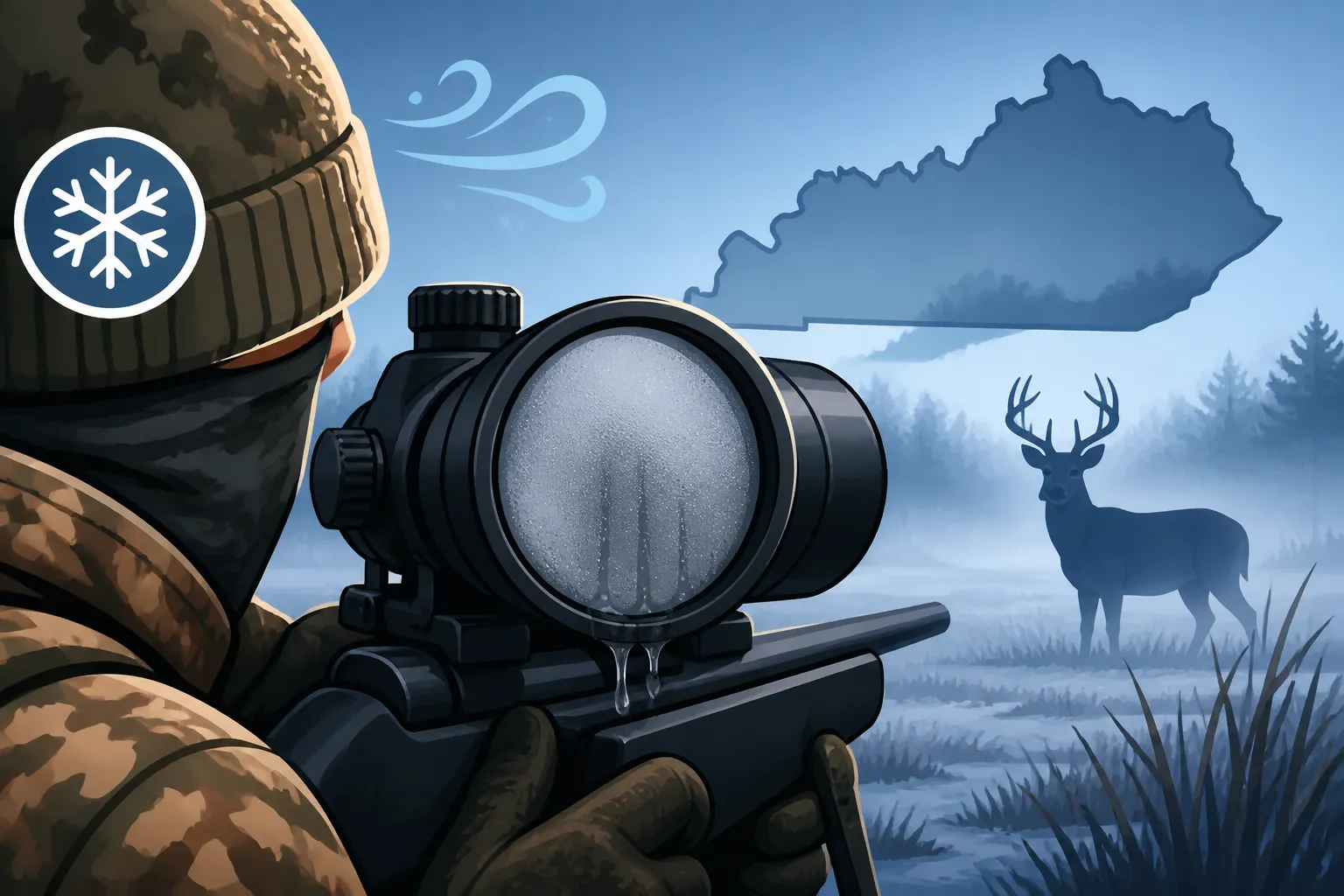
There’s nothing quite like the crisp, cold air of a Kentucky morning in the deer woods, right? You’ve put in the work, you’re settled in your stand, the woods are coming alive, and then you raise your binoculars or scope, and bam—it’s like looking through milk. Fogged optics can absolutely ruin a hard-earned hunt, turning a potential shot at a big Bluegrass buck into a blurry, frustrating missed opportunity. This guide is all about understanding why your essential hunting glass fogs up in the Kentucky cold and, more importantly, how to keep your view crystal clear when it matters most.
Why Your Optics Fog Up in the Kentucky Cold
The science behind fogged optics is pretty straightforward, but understanding the specific conditions we face here in Kentucky can really help you anticipate and prevent it. Essentially, fogging happens when warm, moist air meets a cold surface, causing the moisture in the air to condense into tiny droplets on that surface. Think of your bathroom mirror after a hot shower; it’s the same principle.
The Role of Temperature Differentials
Kentucky's weather, especially in the late fall and winter, can be incredibly dynamic. You might have a mild, humid day followed by a sharp cold front that drops temperatures by twenty or thirty degrees overnight. That’s a prime recipe for fogging. When you carry your warm binoculars or scope from your cozy truck or cabin into the biting morning air, the cold glass instantly cools the air directly around it. If that air is already saturated with moisture, condensation is inevitable. It’s a frustrating reality for many hunters. We've all been there, shivering in the pre-dawn darkness, pulling out what feels like an ice cube from our pack, only for it to cloud over as we try to glass a field edge.
Even subtle changes can cause issues. Imagine you’ve been sitting still for an hour, your scope cooling down to ambient air temperature. Then, the sun breaks over the ridge, and suddenly the air temperature starts to climb, or you move to a new spot, generating body heat that warms the air around your optics. The outside of the lens might fog, or worse, if moisture has somehow gotten inside the optic, it can fog internally. This internal fogging is usually a sign of a compromised seal, which is a whole different (and more serious) problem.
Humidity and Moisture in Kentucky Air
Beyond just temperature, the amount of moisture in the air plays a huge role. Kentucky is known for its humidity, even in cooler months. We get a lot of dew, morning fog, and damp conditions, especially in river bottoms or low-lying areas. Imagine hunting along the Green River or the Ohio River in November. The air close to the water is often laden with moisture. Even if the temperature differential isn't drastic, enough humidity combined with any temperature change can lead to immediate fogging.
This moisture isn't just liquid; it's also present as vapor. Your own breath, for example, is warm and moist. If you're breathing heavily from a steep climb up an eastern Kentucky ridge, and then you bring your cold binoculars up to your face, your breath can instantly fog the eyepieces. It’s a common mistake, especially when you’re excited and focused on a deer. Being mindful of these seemingly small details can make a huge difference in keeping your view clear. The moisture in the air around us is often invisible until it decides to condense on our lens.
Proactive Strategies to Prevent Fogged Optics
The best defense against fogged optics is a good offense. Taking a few proactive steps before you even leave the house can save you a lot of headache and potentially a shot opportunity. It’s about being prepared for the unpredictable nature of Kentucky weather and ensuring your gear is ready for anything.
Acclimatizing Your Gear
One of the most effective ways to prevent fogging is to minimize drastic temperature changes. If you know you're heading out into freezing conditions, try to get your optics to ambient outdoor temperature before you need to use them. For example, instead of storing your binoculars in a warm house overnight, then throwing them in a cold truck, and finally pulling them out in sub-freezing air, consider putting them in an unheated garage or even inside a cold vehicle for an hour or two before your hunt.
It might sound counterintuitive to purposefully cool down your gear, but the goal is to prevent that sudden shock of warm glass meeting cold air. If your binoculars are already cold, they're less likely to attract condensation. This is especially true for those dawn hunts when the air is damp and cold. Walking to your stand with your binoculars strapped to your chest, exposed to the elements, will also help them acclimate slowly rather than being pulled suddenly from a warm pack. This gradual temperature equalization really helps maintain clarity. You could even use a soft case that breathes somewhat, allowing air exchange while offering protection.
Using Anti-Fog Treatments and Coatings
Many modern optics come with advanced anti-fog coatings applied directly to the lenses during manufacturing. These coatings work by reducing surface tension, causing moisture to spread out as a thin, invisible film rather than forming obstructive droplets. If your optics have these, they’re a huge asset. However, even the best factory coatings aren’t foolproof, especially in extreme conditions or if they've worn down over time.
For older optics or those without factory anti-fog properties, there are various aftermarket treatments you can apply. These typically come as wipes, sprays, or gels. They create a similar effect, preventing water droplets from forming. Always test these products on a small, inconspicuous area first, and ensure they are safe for coated lenses. You want something that will last for several hours in the field and won't leave a residue. Applying these treatments in a clean, dry environment before your hunt, and allowing them to cure according to the manufacturer's instructions, is key. Don't wait until you're already in the stand and your lenses are fogged. Products designed for dive masks or eyeglasses often work well for hunting optics too.
Protective Covers and Storage
Beyond the lenses themselves, protecting your optics from direct exposure to moisture and rapid temperature changes is crucial. Investing in quality lens caps or flip-up covers for both objective and ocular lenses is a must. These not only protect against scratches and dirt but also create a small air barrier that helps slow down temperature equalization, giving you a few extra moments of clear viewing when you remove them. A good binocular harness or case that completely covers your optics when not in use can also act as insulation, keeping them closer to your body temperature.
Think about how you store your optics during the hunt. Instead of hanging them exposed on a branch, keep them tucked inside your jacket or a chest harness, close to your body heat. This keeps them warmer and less prone to fogging when you bring them up to your eyes. When planning for a hunt, a useful tool like GoHunt can help you assess the terrain and potential weather conditions, which in turn influences how you might carry and protect your optics. For instance, if you see high humidity predicted for Hunting Western Kentucky Bottomland Deer, you'll know to pay extra attention to keeping your glass dry and protected. Similarly, when retrieving game, a well-placed Field Dressing Knives Worth Carrying is critical, but so is making sure your rangefinder hasn't become useless with fog.
Field Fixes for Fogged Optics
Even with the best preparation, Mother Nature sometimes throws a curveball, and your optics might still fog up. Knowing what to do in the moment can be the difference between making a shot and missing it. Speed and gentleness are key when dealing with fog in the field.
Gentle Wiping and Air Drying
Your first instinct might be to wipe the fog away aggressively, but resist that urge! The tiny water droplets that make up fog are still liquid, and rubbing them can spread them around, smear any dirt, and potentially scratch your lenses. Instead, try to gently dab the moisture off with a clean, soft microfiber cloth, starting from the center and working outwards. If you don't have a cloth, using a lens pen or even letting the optic air dry, if time allows, is better than using a rough shirt sleeve.
Often, if the fogging is on the outside of the lens, a few seconds in the open air (away from your breath) can dissipate it naturally as the glass warms up slightly or the moisture evaporates. If you're wearing a Layering for a Kentucky Deer Stand system, you might be able to pull a piece of clothing that’s been against your warm skin for a quick, gentle wipe, but ensure it's clean. The worst thing you can do is introduce more dirt or grit, which can cause permanent damage to your precious glass.
Utilizing Body Heat
Sometimes, the quickest way to clear external fog is to apply gentle warmth. Tuck your binoculars or scope inside your jacket, close to your body for a few minutes. Your body heat will gradually warm the glass, allowing the moisture to evaporate. This works particularly well if the fogging is minor and primarily due to a temperature differential. Just be careful not to breathe directly on the lenses while doing this, as your warm, moist breath will only exacerbate the problem.
For eyepieces that fog from your breath, holding your optics slightly away from your face for a moment, or wiping the eyepiece with a clean cloth that’s been warmed by your skin, can often clear it up quickly. This technique is particularly useful during intense moments, like when you're Rattling and Grunting in Kentucky and a buck suddenly appears, requiring a clear view right now. It's a temporary fix, but it's a good one to have in your arsenal.
Carrying Essential Cleaning Tools
Never head into the field without a dedicated lens cleaning kit. This usually includes a soft brush to remove dust and grit, a lens pen with a built-in brush and carbon tip, and several clean microfiber cloths. Store these in a small, waterproof bag to ensure they stay dry and clean themselves. These aren't just for fog; they're vital for everyday care of your expensive optics. Using the brush first to sweep away any loose debris before wiping with a cloth or lens pen can prevent scratches that would otherwise be permanent.
If you’re caught in a sudden downpour, like during Kentucky's Statewide Modern Gun Season, rain can create similar visibility issues. Having a soft, absorbent cloth, kept dry in a Ziploc bag, is invaluable. Remember, clean optics are less likely to hold onto moisture and are easier to clear when fogging occurs. Some hunters even carry a small bottle of anti-fog spray for quick reapplications in the field, though this must be used judiciously to avoid residue buildup. Planning your hunts, perhaps with resources from GoHunt, can also help you anticipate weather patterns and pack accordingly.
Gear Choices That Help Combat Fogging
While technique and preparation are vital, the gear you choose also plays a significant role in how well you deal with fogged optics. Investing in quality can make a world of difference, especially in challenging Kentucky hunting conditions.
Quality Optics with Internal Purging
High-end binoculars, scopes, and rangefinders are almost universally "nitrogen purged" or "argon purged" and O-ring sealed. This means that during manufacturing, all air and moisture are removed from inside the optic and replaced with a dry, inert gas like nitrogen or argon. This dry gas prevents any internal fogging, as there's no moisture inside to condense. The O-rings create a waterproof seal, preventing external moisture from getting in. This feature is non-negotiable for serious hunters.
While these optics typically come with a higher price tag, the reliability they offer in adverse weather, from a damp Kentucky Early Muzzleloader Tactics morning to a Cold-Weather Sitting Strategy in Kentucky in January, is worth every penny. You won't have to worry about the inside of your lens fogging, which is often impossible to fix in the field. When researching new optics, definitely look for manufacturers that specifically mention purging and sealing in their product descriptions. It’s an indicator of durability and performance in real-world hunting conditions.
Anti-Fog Coatings and Lens Technology
Beyond the internal purging, pay attention to the external lens coatings. As mentioned earlier, many quality optics feature proprietary anti-fog coatings that help moisture bead up or spread out, preventing it from obscuring your view. Different brands have different names for these technologies, but the goal is the same: a clear view in humid or rapidly changing conditions. These coatings are often combined with hydrophobic (water-repelling) and oleophobic (oil-repelling) properties, which also help shed rain, snow, and fingerprints, keeping the lenses cleaner and clearer.
When you're trying to spot a deer during Hunting the Rut in Early November on a damp morning, or range an elk in the Hunting Kentucky's Record Elk Herd restoration zone, having these coatings can be a game-changer. They don't make your optics impervious to fog, but they certainly reduce the likelihood and severity of it. Researching reviews on various models, perhaps through reputable hunting platforms, can give you insight into how well these coatings perform in real-world conditions experienced by hunters like us.
Scope and Binocular Accessories
Beyond the optics themselves, certain accessories can greatly assist in preventing fog. Extendable sunshades for rifle scopes don't just reduce glare; they also provide a physical barrier that slows down air movement around the objective lens, reducing the chance of fogging. Rubber "bikini" style covers for binoculars offer similar protection. Another often-overlooked accessory is a quality rain guard for your binoculars. These elastic covers stretch over both ocular lenses, providing a snug fit that keeps rain, snow, and even your own breath off the glass until the moment you need to glass.
For your rifle scope, consider a quality set of flip-up caps, such as those from Butler Creek or Vortex, that can be quickly deployed or flipped open. They provide immediate protection from the elements. Keeping your Binocular Power for Ridge Hunting clear, or your Rifle Scopes for Low-Light Hollows ready, means being intentional about these protective additions. When you’re walking through thick cover to Hunting a Funnel Between Two Hollows, these caps protect your lenses from branches and brush, while also helping maintain consistent lens temperature.
Maintaining Your Optics for Long-Term Clarity
Proper care isn't just about preventing fog in the field; it's about extending the life and performance of your valuable optics, ensuring they remain fog-free for years to come.
Regular Cleaning and Inspection
After every hunt, especially if you've been out in wet or dusty conditions, take the time to properly clean your optics. Start by using a soft brush or compressed air to remove any loose dirt or grit from the lenses and body. Then, use a lens-specific cleaning solution and a clean microfiber cloth to gently wipe the lenses. Pay attention to the housing as well; mud and grime can compromise seals over time. Regular cleaning prevents build-up that could trap moisture or degrade lens coatings.
It’s also a good habit to periodically inspect your optics for any signs of wear and tear. Check the rubber armor for cracks, ensure lens caps fit snugly, and test the focus and diopter adjustments for smooth operation. If you notice any signs of internal fogging, even slight haziness, it's an indicator that the internal seals might be compromised, and your optic needs professional service. Ignoring these small issues can lead to permanent damage and render your optics useless in critical moments.
Proper Storage Techniques
How you store your optics when not in use is just as important as how you care for them in the field. Always store them in a cool, dry place, ideally in their original case or a padded, breathable bag. Avoid leaving them in direct sunlight or in places where temperature fluctuations are extreme, such as a hot vehicle or a damp basement. Excessive heat can break down internal lubricants and adhesives, while prolonged exposure to humidity can foster mold growth inside the optic if seals are compromised.
If your optics have been exposed to significant moisture, like after a rainy Muzzleloader Deer Hunting in Kentucky trip, allow them to air dry thoroughly before putting them away in a sealed case. A desiccant packet, like those little silica gel packs, can be placed in your storage case to absorb any residual moisture, providing an extra layer of protection against internal fogging. Proper storage ensures your optics are ready for your next adventure, whether you're heading out for Spring Turkey Hunting in Kentucky or preparing for Bowhunting Kentucky's Long Archery Season. This diligence will pay off in years of reliable, clear viewing.
Disclaimer
This article is for general informational purposes only and does not constitute professional advice. Laws, prices and regulations vary by location and change over time. Consult a qualified professional for guidance on your specific situation.