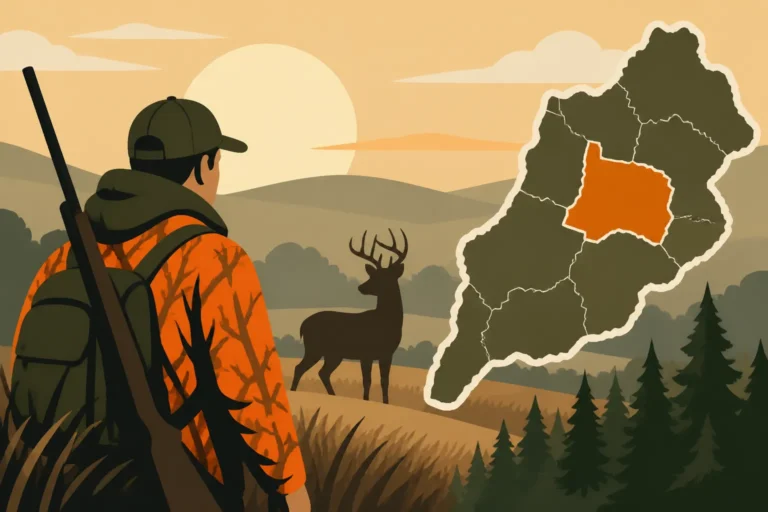
Marshall County Public Hunting Ground
It can be incredibly frustrating to scroll through maps, trying to pinpoint good public hunting land in Kentucky, especially when you're looking at the western part of the state. Unlike the sprawling national forests in the east, Western Kentucky offers a different flavor of public access, often centered around our mighty lakes and rivers. This guide is here to help you navigate the nuances of hunting public ground in Marshall County, giving you the insights you need to make the most of your time afield and hopefully, fill your freezer.
An Overview of Public Hunting in Marshall County
Marshall County sits squarely in the western part of the Commonwealth, nestled against the massive expanse of Kentucky Lake and the Tennessee River. This geographic location profoundly shapes the hunting opportunities and the character of the public land you'll find here. It's a different world from the steep, timbered ridges of Appalachia, and understanding that difference is key to success.
Understanding the Landscape
When you picture Marshall County, think water. Kentucky Lake, formed by the Tennessee River, dominates the western boundary, creating a vast, winding shoreline with countless coves, points, and islands. This means much of the public hunting ground here is often lake-adjacent, characterized by bottomland forests, sloughs, and areas that can flood seasonally. Away from the immediate lake influence, you'll find more agricultural fields interspersed with woodlots, often with a mix of hardwoods and some pine plantations. The terrain is generally much flatter than Eastern Kentucky, with rolling hills rather than rugged mountains.
This flat-to-gently-rolling landscape, coupled with the water features, dictates wildlife movement and habitat. Deer will often utilize creek bottoms as travel corridors, moving between larger timber blocks and agricultural fields. Turkeys can be found roosting along the river banks or in mature timber stands near crop fields. And, of course, the lake itself is a magnet for waterfowl. You'll spend less time climbing and more time navigating thick underbrush, water crossings, or even floating into prime spots.
Key Public Areas and Their Unique Flavors
While Marshall County doesn't have a single, massive land base like Daniel Boone National Forest, it benefits significantly from its proximity to major recreational and wildlife areas. The influence of Land Between the Lakes National Recreation Area, though primarily located in Trigg and Lyon counties to the south, means that the general hunting culture and available habitat are very similar. Within Marshall County itself, public hunting opportunities often revolve around areas managed by the Kentucky Department of Fish and Wildlife Resources (KDFWR) or portions of other federal lands that touch the county lines.
These areas are often a mosaic of habitat types. You might find a tract of mature hardwoods along a creek bottom, perfect for deer and turkey, or a reclaimed agricultural field that acts as a staging area for migrating waterfowl. Some public lands might be limited to archery-only, while others open up for modern gun seasons. It's not uncommon to find areas managed for specific purposes, like waterfowl refuges, that may have restricted access or special draw hunts. These smaller, often fragmented public parcels require a keen eye on maps and an understanding of the local regulations. It's not a "one size fits all" approach here; each piece of ground can offer a distinct experience, from hunting a small woodlot to navigating vast areas of flooded timber.
What to Expect: Game Species and Hunting Pressure
Given the diverse habitat, Marshall County offers a variety of game species. White-tailed deer are undoubtedly the most popular pursuit, and while the bucks might not always carry the massive racks seen in some Bluegrass Region counties, the population is healthy. Hunters here often focus on funnel points between timber and agricultural fields, or thick bedding areas in bottomland cover.
Wild turkeys are also prevalent, especially in areas with mature timber and access to open fields for strutting and feeding. Spring turkey season can be fantastic, though these birds can be pressured. Spring Turkey Hunting in Kentucky Small game, particularly squirrels and rabbits, thrives in the mixed woodlands and brushy fencerows. For many, however, the real draw to this region is waterfowl. Being on the Mississippi Flyway, Marshall County and the surrounding areas along Kentucky Lake see a significant influx of ducks and geese, offering incredible hunting opportunities, especially for diver ducks on the open water or mallards in flooded timber. Waterfowl Hunting Kentucky Lakes and Rivers
Hunting pressure can vary widely. Popular spots, especially easily accessible areas or those known for good waterfowl, will see significant activity. However, with a bit of effort and by utilizing mapping tools, you can often find pockets of public land that see far less hunter traffic. The key is often to go where others won't – crossing water, slogging through thick cover, or walking an extra mile or two. Finding Ground Others Walk Past
| Game Species | Primary Habitat | Common Hunting Method | Best Season Considerations |
|---|---|---|---|
| White-tailed Deer | Bottomland timber, field edges, thickets | Treestand, still-hunting, ground blind | Archery, Modern Gun, Muzzleloader |
| Wild Turkey | Mature hardwoods, field edges, river bottoms | Calling, roost hunting | Spring (gobblers), Fall |
| Waterfowl | Kentucky Lake, sloughs, flooded timber, crop fields | Decoys, layout blinds, jump shooting | Fall/Winter |
| Squirrel | Mature hardwoods, oak ridges | Still-hunting, dog hunting | Early Fall, Late Season |
| Rabbit | Brushy fields, fencerows, thickets | Beagles, jump shooting | Late Fall, Winter |
Navigating Marshall County's Public Lands
Successfully hunting public land in Marshall County isn't just about knowing what game lives there; it's about knowing how to find it, how to access it, and how to stay within the rules. Western Kentucky public land often presents unique challenges and opportunities compared to the rest of the state.
Access Points and Parking
Accessing public land in Marshall County can sometimes feel like a puzzle. Unlike large national forests with well-marked trailheads, many public tracts here are smaller, interspersed with private property, and might have less developed access. You'll often find parking areas off county roads, some of which can become quite muddy after a rain. Boat access is also a major consideration, especially for waterfowl hunters or those looking to reach islands or remote shoreline tracts that are otherwise inaccessible.
It's crucial to scout not just for game sign, but for practical access. Are the roads passable? Is there adequate parking that won't block private driveways or farm equipment? What are the regulations regarding vehicle use on the WMA or public tract? Some areas may only allow foot traffic beyond a certain point. Always be respectful of private landowners bordering public ground. Don't block gates, stay on marked public access routes, and if in doubt, choose a different spot. This common courtesy goes a long way in maintaining good relationships between hunters and the local community.
Mapping Tools and Scouting Strategies
In an area with fragmented public land and a mix of habitats, digital mapping tools are absolutely indispensable. Applications like onX Hunt or GoHunt become your best friend, allowing you to clearly delineate public and private boundaries, view topographical maps, and understand habitat features from above. You can easily see how a block of timber funnels deer between two crop fields or identify potential roosting sites for turkeys along a creek. Scouting With the Kentucky Hunt Fish App
Pre-Season Scouting:
- Digital Reconnaissance: Before ever stepping foot on the ground, spend hours poring over aerial photos. Look for subtle changes in timber type, transition lines, pinch points, and water features. Identify potential bedding areas (often thick cover) and likely food sources (hardwood ridges, agricultural fields).
- Boots on the Ground: Once you have a few promising spots, it's time to put boots on the ground. During the off-season, you can move freely without fear of disturbing game during an active hunt. Look for old rub lines, scrapes, worn trails, and droppings. Identify natural funnels, creek crossings, and areas with good mast production. For waterfowl, scout potential loafing areas, feeding locations, and flight patterns. Remember to identify good treestand or ground blind locations that offer concealment and a clear shot. Reading Aerial Photos for Eastern Kentucky Deer can be adapted to apply to Western Kentucky's unique features.
Understanding Local Regulations and Special Seasons
Kentucky's hunting regulations are generally statewide, but certain areas, especially WMAs or portions of them, can have specific rules. This is particularly true in areas like Marshall County, where unique habitat or management goals might necessitate different regulations. For example, some lake-adjacent areas might have specific rules for waterfowl hunting, including designated blind sites or draw hunts. Deer management zones also play a role, dictating antlerless bag limits based on the county. Kentucky Deer Management Zone Rules Always check the current Kentucky Hunting & Trapping Guide for the specific WMA or public area you intend to hunt. This will outline season dates, bag limits, legal weapons, and any special permits or draw requirements.
You might encounter primitive weapons-only zones or areas with specific blaze orange requirements that differ slightly from general statewide rules. For instance, some managed areas might require hunters to wear more blaze orange than the standard during certain firearm seasons. It's also important to be aware of any carcass movement restrictions if Marshall County happens to fall within or near a Chronic Wasting Disease (CWD) surveillance zone, though always check the most current information directly from KDFWR.
Tactics for Success in Marshall County
Hunting Marshall County's public land effectively requires a blend of adaptability and a good understanding of the local environment. What works in the mountains of Eastern Kentucky might not be the best approach here.
Deer Hunting Strategies
For deer hunters, Marshall County offers excellent opportunities if you adapt your tactics.
- Bottomland Timber and River Corridors: Deer in this region heavily utilize the dense cover and food sources found in river bottoms and along creek drainages. During archery season, focus on setting up near pinch points where deer are funneled between thickets and water. Look for well-used trails leading to and from agricultural fields or areas with heavy acorn drops. Hunting Western Kentucky Bottomland Deer
- Field Edges and Woodlot Transitions: Many public areas are bordered by private agricultural fields. Deer will often stage in the timber before entering these fields at dusk and return to the timber at dawn. Setting up a treestand or a well-brushed-in ground blind on a field edge, with the wind in your favor, can be deadly during the early season and especially during the rut. As the rut approaches in early November, bucks will be cruising these edges looking for does. Hunting the Rut in Early November
- Pressure Management: Public land often means higher hunting pressure. To counter this, consider still-hunting through thick cover, targeting areas that other hunters might avoid. Often, the deer are pushed into these less accessible spots. Using an onX Hunt app to find areas a half-mile or more from common access points can significantly increase your odds.
Waterfowl and Small Game Opportunities
Waterfowl Hunting: Marshall County's location on Kentucky Lake makes it a prime waterfowl destination.
- Diver Ducks on Open Water: For diver ducks like bluebills, redheads, and canvasbacks, focus on open water spreads using large decoy rigs. Layout blinds in open water or boat blinds are often necessary. Understanding wind direction and how it affects duck movement on large bodies of water is critical.
- Puddle Ducks in Flooded Timber and Sloughs: Mallards, wood ducks, and other puddle ducks will frequent flooded timber, shallow sloughs, and impoundments. Smaller, more traditional decoy spreads and well-concealed blinds in the timber can be effective. Jump-shooting smaller creeks or isolated potholes can also yield results.
- Goose Hunting: Canada geese will often feed in harvested grain fields adjacent to public land. Scouting their flight paths and gaining permission for field hunting, or finding public land field edges, can be productive.
Small Game Hunting: Don't overlook the excellent small game hunting opportunities.
- Squirrels: In hardwood tracts, particularly those with abundant oak and hickory trees, squirrels can be plentiful. Still-hunting slowly through these areas at dawn or dusk, or employing a good squirrel dog, can lead to a productive hunt. Squirrel Hunting Kentucky Bottomland Hardwoods
- Rabbits: Brushy fencerows, overgrown fields, and thickets along timber edges are prime rabbit habitat. Walking these areas, especially with a beagle, can be a fast-paced and exciting hunt.
Overcoming Challenges: Pressure and Cover
One of the biggest hurdles on public land is hunting pressure. Marshall County, while offering good hunting, isn't immune to this.
- Find Overlooked Nooks: The general rule of thumb is to go where others aren't willing to go. This might mean walking an extra mile, crossing a creek, or pushing through a dense thicket that looks uninviting. Often, deer and turkeys will seek refuge in these harder-to-reach spots. Use your mapping apps to identify these less accessible pockets.
- Hunt Mid-Week: If your schedule allows, hunting public land on weekdays rather than weekends can drastically reduce the number of other hunters you encounter.
- Utilize Thick Cover: Don't shy away from the nastiest, thickest cover you can find. While it's tough to hunt, it's often where the deer feel safest, especially after they've been bumped by other hunters. A well-placed ground blind in a briar patch or a strategically climbed treestand overlooking a super-thick bedding area can pay off.
- Adapt to Conditions: Pay close attention to weather patterns, wind, and thermals. A strong cold front can push waterfowl south, while a warm rain can get deer moving. Understanding how these factors influence game movement will allow you to adjust your tactics on the fly.
Essential Gear and Preparation
Being properly equipped is crucial for a successful and safe hunt in Marshall County. The right gear can make the difference between a frustrating day and a memorable one.
Recommended Gear for Western Kentucky
The flat to rolling terrain and water influence of Marshall County often dictate specific gear choices.
- Firearms for Deer: For rifle hunters, a versatile caliber like a .270, .308, or 6.5 Creedmoor is excellent, providing good range for field edges and ample power for timber shots. Shotguns with slugs or straight-wall cartridges are also popular and effective, particularly in areas with shorter sightlines or specific regulations. Rifle Setups for Kentucky Deer Hunting For archery hunters, a reliable compound bow or crossbow suited for timber shots (often under 40 yards) is key. Bow and Crossbow Setups for Kentucky
- Optics: Good binoculars (8x or 10x) are essential for glassing field edges, spotting movement in dense cover, or identifying waterfowl on the lake. A rangefinder is highly recommended for accurate shot placement, especially when hunting near fields or in variable timber.
- Waterfowl Gear: If you're targeting ducks and geese, quality waders (chest waders are often best for flooded timber), sturdy decoys, and a comfortable blind setup (layout blind, boat blind, or well-built natural blind) are non-negotiable. A reliable shotgun with the appropriate choke and non-toxic shot is also crucial.
Clothing and Comfort in Changing Weather
Kentucky weather, especially in the western region, can be highly unpredictable. One day it's mild and sunny, the next it's freezing rain.
- Layering is King: Always dress in layers. A good base layer wicks moisture, a mid-layer provides insulation, and an outer layer offers protection from wind and rain. This allows you to adjust to changing temperatures and activity levels.
- Waterproof Outerwear: Given the potential for wet bottomlands, sloughs, and general Kentucky rain, waterproof outer layers are essential. A good rain jacket and pants will keep you dry and comfortable.
- Footwear: Waterproof, comfortable boots are a must. Rubber boots are often preferred for navigating muddy trails and crossing shallow water, especially in bottomland areas. For longer walks, a supportive hiking boot might be more appropriate. Clothing for a Kentucky Late Season
- Blaze Orange/Pink: Always adhere to Kentucky's blaze orange or blaze pink requirements during applicable seasons. Even when not legally required (like during archery-only seasons), wearing a blaze orange hat or vest while walking to and from your stand can enhance safety, especially on public land. Kentucky Blaze Orange Requirements
Safety Considerations
Hunting is an inherently safe activity when practiced responsibly, but it demands constant vigilance.
- Tell Someone Your Plans: Always inform a non-hunting friend or family member of your exact hunting location and your expected return time. This is critical for your safety, especially if you're hunting alone in remote areas.
- Treestand Safety: If you're hunting from a treestand, always use a fall-arrest system (safety harness) from the moment your feet leave the ground until they return. Inspect your stand and straps regularly.
- Firearms Safety: Always follow the four fundamental rules of firearm safety: treat every firearm as if it were loaded, always point the muzzle in a safe direction, keep your finger off the trigger until ready to shoot, and be sure of your target and what is beyond it.
- Water Safety: When hunting near or on Kentucky Lake or other water bodies, always wear a life jacket, especially during cold weather or when operating a boat. Be aware of changing weather conditions and strong currents.
- First Aid Kit: Carry a basic first aid kit with you, capable of handling minor cuts, scrapes, and other common outdoor injuries.
- Navigation: While phone apps are great, always have a backup navigation method, such as a physical map and compass, or a handheld GPS unit, especially if hunting in areas with spotty cell service.
By understanding the unique characteristics of Marshall County's public hunting ground and preparing thoroughly, you can have a rewarding and successful hunting experience in Western Kentucky.
Disclaimer
This article is for general informational purposes only and does not constitute professional advice. Laws, prices and regulations vary by location and change over time. Consult a qualified professional for guidance on your specific situation.