Kentucky Turkey Population Trends
It can feel like a real puzzle sometimes, trying to figure out where the turkeys have gone, especially after what felt like banner years just a little while ago. Those spring mornings used to be filled with gobblers sounding off from every ridge, and now… well, now you might be lucky to hear one or two. This comprehensive guide is here to unravel the complex story behind Kentucky's wild turkey population trends, helping you understand the ups and downs and what we, as hunters, can do about it. We'll dive deep into the history, the current challenges, and the dedicated efforts to ensure healthy turkey populations continue to thrive in our beautiful state.
The Rollercoaster Ride of Kentucky's Wild Turkey Population
Kentucky's wild turkey story is truly a testament to conservation efforts. It wasn't always the booming population we've come to know and perhaps even take for granted. There's a rich history here that helps us appreciate just how far we've come, and also recognize the delicate balance required to maintain it.
From Near Extinction to Resounding Success
Back in the early 20th century, if you wanted to hunt a wild turkey in Kentucky, you were essentially out of luck. Habitat loss from logging and agricultural expansion, coupled with unregulated hunting, had pushed these magnificent birds to the brink of extirpation. By the 1940s, it's estimated that fewer than a thousand wild turkeys remained, scattered in the most remote pockets of the state, primarily in the rugged mountains of Eastern Kentucky. It was a bleak picture, a stark reminder of what happens when conservation takes a backseat.
But then, thanks to dedicated individuals and agencies like the Kentucky Department of Fish and Wildlife Resources (KDFWR), a massive restoration effort began. Starting in the mid-1950s and really gaining momentum in the 1970s and 80s, wild turkeys from healthy populations in other states were trapped and transplanted into suitable habitats across Kentucky. This wasn't just a handful of birds; thousands were moved, often to areas where they hadn't been seen in generations. These were truly pioneering efforts, often involving challenging logistics and a lot of boots on the ground. The success was nothing short of miraculous, leading to the establishment of thriving populations statewide, allowing hunters to once again pursue these wary birds, as outlined in our comprehensive guide on Kentucky Spring Turkey Season Rules.
Factors Contributing to the Initial Boom
The rapid resurgence of wild turkeys in Kentucky wasn't just about moving birds; several critical factors aligned to create the perfect conditions for their population explosion. Firstly, habitat was improving. Many abandoned farmlands were reverting to forests, and timber management practices were starting to create a mosaic of mature timber and younger growth, offering both roosting sites and excellent nesting cover. This varied landscape provided abundant food sources, from acorns and berries to insects.
Secondly, the regulatory framework put in place by KDFWR was crucial. Conservative hunting seasons, limited bag limits, and a focus on protecting hens allowed the transplanted populations to reproduce and expand rapidly without excessive pressure. Enforcement of these rules also played a significant role. Lastly, during this period, predator populations were generally lower than they are today in many areas, which likely contributed to higher nest success and poult survival rates in those early years. The combination of these elements created a perfect storm for turkey proliferation, giving us the opportunity to see healthy Kentucky Turkey Population Estimate numbers for decades.
Understanding Recent Declines and Plateaus
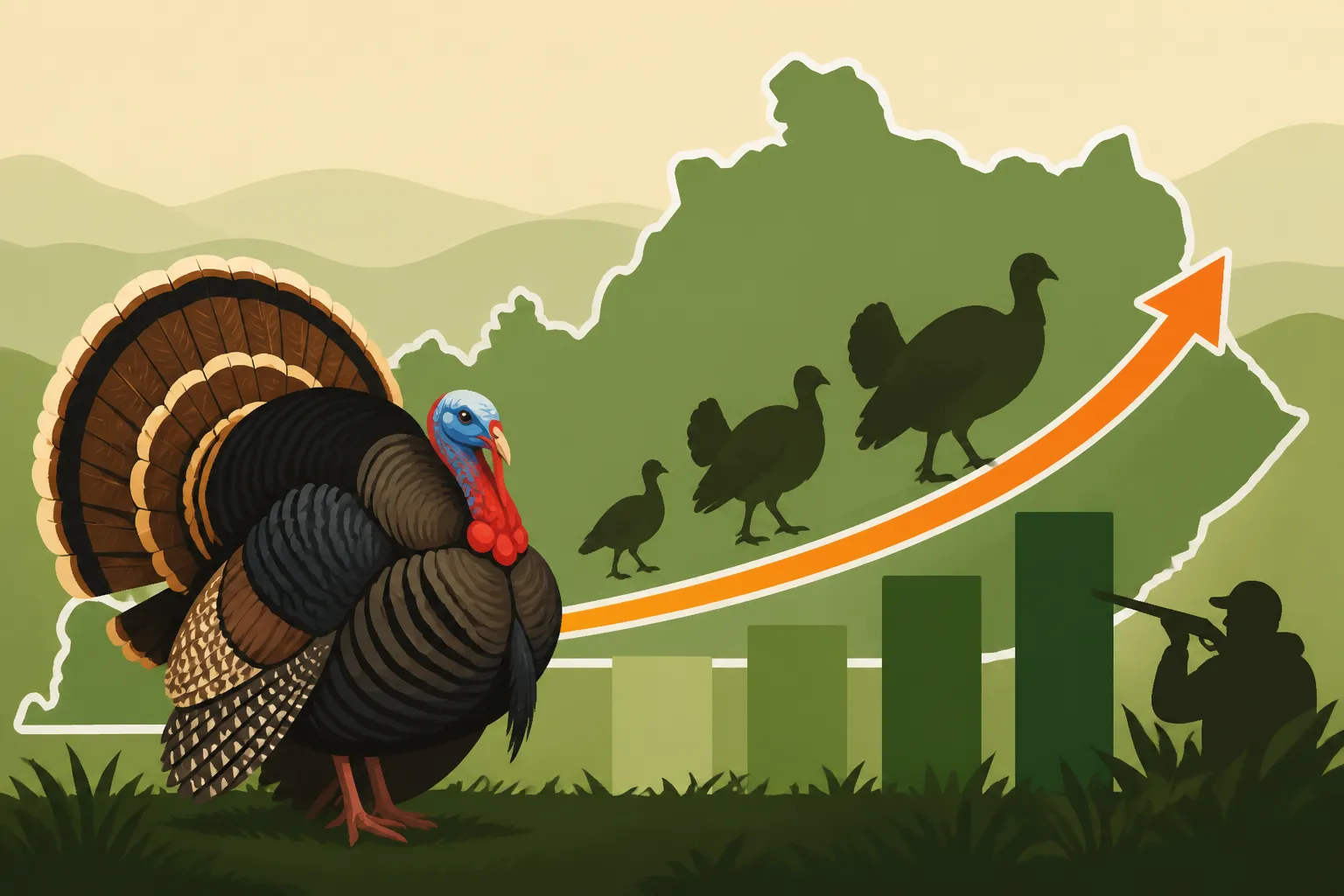
While the restoration story is a triumphant one, many hunters have noticed a shift in recent years. The explosive growth of the past has either slowed, plateaued, or, in some areas, experienced noticeable declines. It's a complex issue, and it's something that wildlife biologists and hunters alike are watching closely.
The Impact of Poult-to-Hen Ratios
One of the most critical metrics wildlife biologists use to gauge the health of a turkey population is the poult-to-hen ratio. Simply put, it's the number of young turkeys (poults) observed per hen during the summer months. This ratio is a direct indicator of nesting success and, more importantly, poult survival through their most vulnerable period. When this ratio is high, it means hens are successfully hatching clutches and a good number of those poults are surviving to adulthood, boding well for future hunting seasons and overall population growth.
However, in many parts of Kentucky and across the broader Southeast, these ratios have been declining or staying stubbornly low. A consistently low poult-to-hen ratio means fewer young birds are entering the population, leading to an aging population structure and ultimately fewer turkeys overall. Factors influencing this can be varied: prolonged periods of cold, wet weather during nesting and brooding can decimate poult survival, as young turkeys are highly susceptible to hypothermia. Habitat quality, predator pressure, and even the health of the hens themselves play significant roles. When spring comes and you're out Roost Hunting Kentucky Gobblers, a low poult count means fewer young gobblers to call in.
Habitat Changes and Their Role
While reforestation was a boon in the past, changes in habitat management and land use are now posing new challenges. Forest maturation, for instance, means that many areas that were once ideal for turkeys—a mix of open understory, brushy areas for nesting, and mature trees for roosting—are now dense, mature forests with closed canopies. This shades out crucial understory vegetation that provides nesting cover, bugging areas for poults, and soft mast food sources.
Furthermore, changes in agricultural practices can impact turkeys. While some agricultural lands can provide excellent food sources, large monoculture fields with heavy pesticide use offer little in the way of diverse insect populations critical for growing poults. Suburban sprawl and increased development also fragment existing habitats, creating smaller, isolated pockets of turkeys that are more vulnerable to local pressures. Even in prime areas for Turkey Tactics for Farmland Field Edges, a lack of adjacent nesting cover can limit population density. When you're using tools like GoHunt to scout public land, understanding these subtle habitat shifts can be key to finding consistent turkey activity.
Predation, Disease, and Environmental Pressures
It's easy to point fingers, but the truth is that wild turkey populations are under constant pressure from a variety of natural forces. It's not usually one single thing that causes a decline, but rather a perfect storm of multiple factors working in concert.
Coyote and Raccoon Impacts on Nests and Poults
The role of predators is a hot topic among turkey hunters, and for good reason. While turkeys have always contended with predators, populations of generalist predators like coyotes and raccoons have boomed in many areas, particularly in Kentucky. Coyotes are incredibly adaptable and efficient predators, preying on both adult turkeys and, more significantly, on nests and young poults. Raccoons are notorious nest predators, often raiding multiple nests in a given area.
When poult-to-hen ratios are already low due to other environmental factors, increased predation pressure can be the tipping point that prevents a population from recovering. While KDFWR encourages hunters to participate in Coyote Calling in Kentucky Farm Country and furbearer hunting, it's important to remember that predator control alone is rarely a silver bullet for turkey recovery. It's part of a broader strategy that must include habitat improvement and healthy hen populations. Understanding the dynamics of Nest Predation and Kentucky Turkey Hatches is essential for any hunter interested in conservation.
Avian Diseases and Weather Extremes
Diseases, while often unseen, can also play a role in turkey population dynamics. Blackhead disease, for instance, is a parasitic disease that can be fatal to turkeys, particularly young birds, and is often transmitted through contact with infected poultry or even some wild game birds. While widespread outbreaks are rare, localized incidents can impact smaller populations. More recently, highly pathogenic avian influenza (HPAI) has been a concern, though its impact on wild turkey populations in Kentucky has so far been less severe than on some waterfowl species.
Then there's the weather, the unpredictable force that can make or break a breeding season. Severe droughts can reduce insect availability, which is critical protein for growing poults. Conversely, prolonged periods of cold, wet weather during the critical nesting and brooding phases in spring can lead to significant poult mortality. Young turkeys are incredibly vulnerable to exposure, and a week of heavy rain and low temperatures can decimate an entire year's hatch in a given area. These environmental extremes are becoming more frequent and intense, adding another layer of challenge to turkey management.
Management Strategies and Hunter Involvement
KDFWR is not sitting idly by while turkey populations fluctuate. A tremendous amount of work goes into monitoring, researching, and implementing strategies to ensure the future of wild turkey hunting in Kentucky. Hunters also have a crucial role to play in this ongoing effort.
KDFWR's Role in Population Monitoring and Research
The Kentucky Department of Fish and Wildlife Resources employs a team of dedicated biologists who work tirelessly to monitor wild turkey populations. This involves various techniques, from tracking harvest data submitted by hunters via Telecheck, to conducting annual brood surveys during the summer months. These brood surveys, which involve volunteers and staff reporting observations of hens and poults, are vital for calculating those critical poult-to-hen ratios. The data collected from these surveys and from Kentucky Turkey Harvest Numbers provides the scientific basis for season setting and other management decisions.
Beyond monitoring, KDFWR is actively engaged in research. This might include studies on turkey movements, habitat use, survival rates, and the impacts of predation or disease. They collaborate with universities and other state agencies to gather the most comprehensive data possible. For example, recent changes to Kentucky Turkey Bag Limit Rules and season structures are often direct responses to the data gathered from these monitoring and research efforts, aiming to adapt to current population trends and ensure sustainable hunting opportunities for the future. Utilizing scouting tools like GoHunt, hunters can often cross-reference their personal observations with official KDFWR data.
How Hunters Can Contribute to Conservation
Hunters are, without a doubt, the most important component of wildlife conservation. Our license fees and excise taxes on hunting equipment directly fund KDFWR's work. But our involvement goes beyond financial contributions. Firstly, accurate and timely harvest reporting via Telecheck is paramount. Every turkey you harvest provides valuable data that feeds into the KDFWR's population models. Without this information, management decisions would be much harder to make.
Secondly, hunters can get involved in habitat improvement projects, whether on public land through volunteer efforts or on private land by implementing practices that benefit turkeys, such as prescribed burning, timber stand improvement, or planting native cover. Participating in KDFWR's annual summer brood surveys as a citizen scientist is another excellent way to directly contribute to data collection. Finally, ethical hunting practices, including adhering to regulations like the Kentucky Fall Turkey Season Structure and being mindful of the reproductive health of the flock, are fundamental to ensuring that future generations can enjoy the thrill of pursuing wild turkeys. When Kentucky Gobblers Go Quiet in May, it's a reminder of the cyclical nature of populations and the need for sound management.
Regional Differences in Turkey Populations Across Kentucky
Kentucky is a diverse state, from the rugged mountains in the east to the rolling farmlands and river bottoms in the west. It stands to reason that wild turkey populations and their associated challenges aren't uniform across these varied landscapes.
Eastern Kentucky's Mountainous Challenges
The mountains of Eastern Kentucky were the original stronghold for turkeys before their decline, and they remain a significant part of the turkey range. However, these areas present unique challenges for turkey populations today. Much of the forestland here is mature, dense timber with a closed canopy, particularly within areas like Daniel Boone National Forest. While this provides excellent roosting habitat, the lack of sunlight reaching the forest floor can limit the growth of understory plants critical for nesting cover and insect production – essential food for poults.
The steep, rugged terrain also makes managing these forests for turkey habitat more logistically challenging and expensive. Furthermore, while the solitude of hunting these mountains is appealing, finding dense pockets of turkeys can be tougher than in areas with more diverse habitat. Hunters in these regions often find themselves covering significant ground, relying on precise scouting and keen observation. Knowing Where Kentucky Turkeys Are Densest in these areas often comes down to finding those specific pockets of ideal habitat. Using a mapping app like GoHunt can be incredibly helpful for identifying potential areas with varied timber age and terrain features that might concentrate birds.
Western and Central Kentucky's Mixed Landscape Opportunities
In contrast to the east, Western and Central Kentucky often feature a more mixed landscape of agriculture, woodlots, river bottoms, and suburban fringes. This mosaic of habitats can provide excellent conditions for turkeys, particularly where there's a good mix of mature timber for roosting, brushy edges for nesting, and agricultural fields that provide supplemental food sources. The productivity of these areas can often lead to higher turkey densities.
However, these regions also face their own pressures, particularly from habitat fragmentation due to development and more intense agricultural practices. While some landowners actively manage for wildlife, others may prioritize crop production, leading to less available nesting cover or insect-rich areas. Despite this, many parts of Western and Central Kentucky continue to hold robust turkey populations, offering fantastic hunting opportunities on both private and public lands. Hunters targeting these areas often find themselves employing different tactics, perhaps focusing more on Calling a Kentucky Gobbler Off the Roost in specific woodlots or working creek bottoms to locate birds.
Here's a quick look at some key factors influencing Kentucky's turkey populations:
| Factor | Positive Impact (Generally) | Negative Impact (Generally) |
|---|---|---|
| Habitat Diversity | Varied forest age, open areas, native grasses | Monoculture forests, dense closed-canopy timber |
| Poult-to-Hen Ratio | High survival of young birds, growing population | Low survival, declining recruitment |
| Weather (Spring/Summer) | Mild, dry conditions during nesting and brooding | Cold, wet, or excessively hot/dry periods during brooding |
| Predator Management | Balanced predator populations, healthy prey base | Overpopulation of generalist predators (coyotes, raccoons) |
| Disease Prevalence | Low incidence of avian diseases | Localized outbreaks of blackhead or other illnesses |
| KDFWR Regulations | Conservative bag limits, adaptive season structures | Outdated rules not responsive to current trends |
| Hunter Involvement | Reporting harvests, habitat projects, ethical hunting | Lack of data, poaching, disregard for conservation |
The story of Kentucky's wild turkeys is far from over. It's an ongoing narrative of adaptation, management, and the continuous efforts of those who cherish these iconic game birds. While we've seen incredible successes, the recent trends remind us that conservation is a never-ending journey requiring constant vigilance and participation from everyone who enjoys the outdoors. By understanding these population dynamics, we can all contribute to a healthier future for Kentucky's wild turkeys.
Disclaimer
The information provided in this guide is for general informational purposes only and is not intended as legal advice or a substitute for official Kentucky Department of Fish and Wildlife Resources regulations. Hunting regulations, season dates, and bag limits can change. Always consult the most current KDFWR hunting guide and local ordinances before engaging in any hunting activities.