Kentucky’s Record Elk Herd
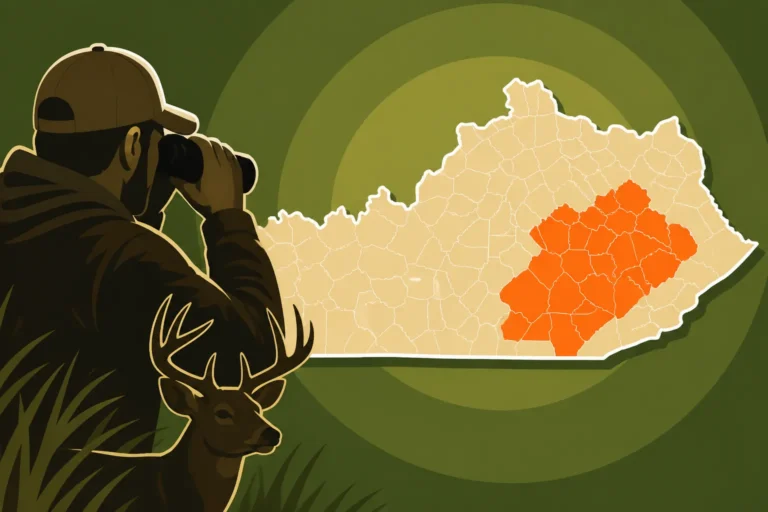
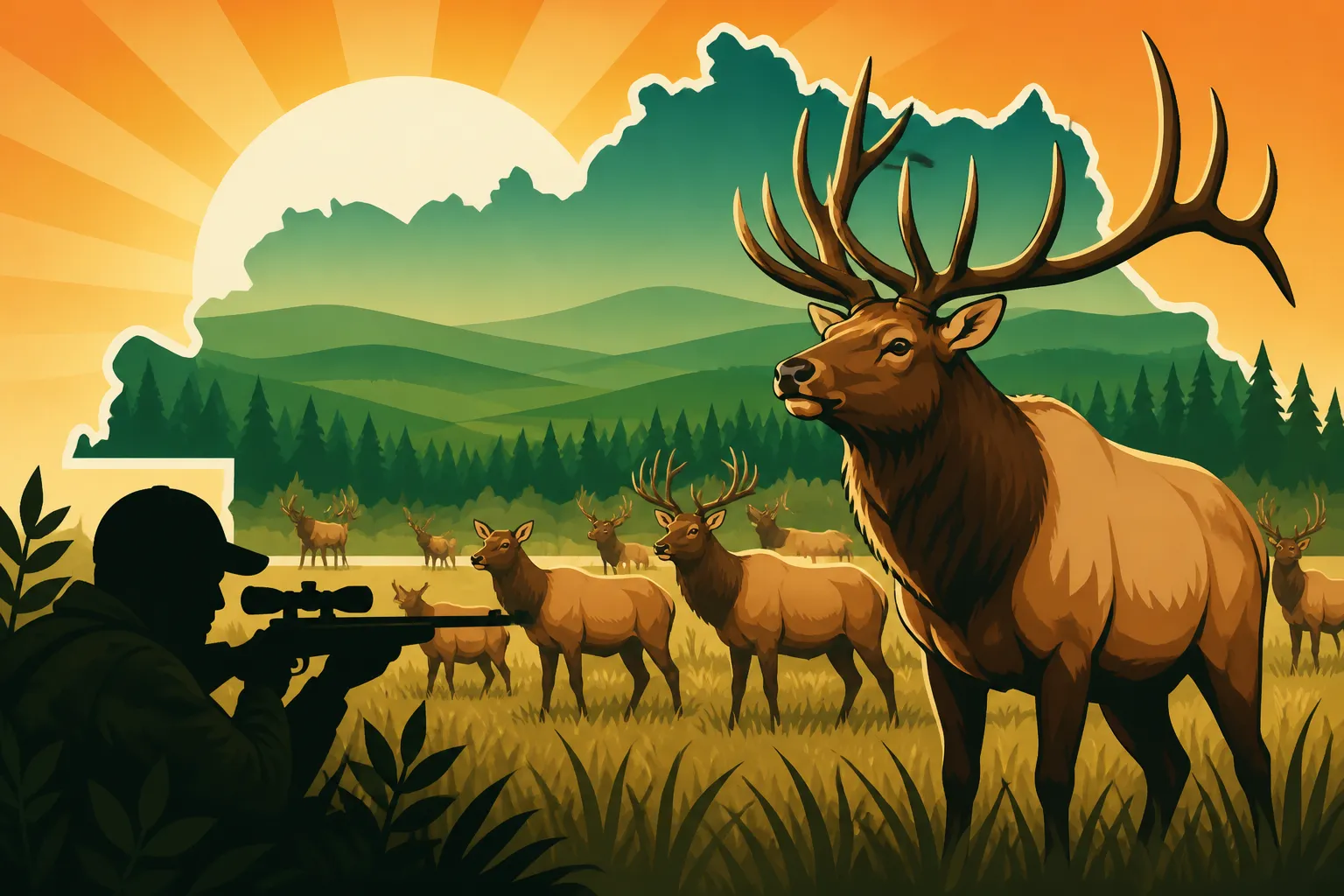
For anyone who’s ever dreamed of hunting truly big game in the East, the idea of chasing elk right here in Kentucky might seem like something out of a tall tale. Yet, the Bluegrass State is home to an incredible success story, boasting the largest wild elk herd east of the Mississippi River. This comprehensive guide is here to walk you through everything you need to know about Kentucky’s magnificent elk, from their remarkable return to the challenges and incredible opportunities they present for both hunters and wildlife enthusiasts.
The Astounding Comeback Story of Kentucky Elk
It’s hard to imagine, but for over 150 years, the distinctive bugle of an elk was completely absent from Kentucky’s forests. Native elk populations were wiped out by overhunting and habitat destruction by the mid-1800s, a stark reminder of how quickly even abundant wildlife can vanish. But Kentucky, with its deep appreciation for natural heritage and a strong vision, decided to write a new chapter for these majestic animals.
From Extinction to Eastern Giant
The disappearance of elk from Kentucky was a significant loss, leaving a void in the state's natural ecosystem. For generations, the only elk people saw were in old history books or distant western films. However, the late 20th century brought a growing desire to restore native species across the country, and Kentucky seized the opportunity. This wasn't just about bringing back an animal; it was about restoring a piece of the state's wild soul and enhancing its biodiversity. The dream of hearing an elk bugle echo through the Appalachian foothills once more began to take shape, fueled by dedicated conservationists and state wildlife agencies.
The initial discussions and feasibility studies were crucial. Biologists and wildlife managers needed to ensure that Kentucky could once again provide suitable habitat for elk and that the local communities would embrace their return. It was a massive undertaking, requiring careful planning, significant resources, and a long-term commitment. This wasn't a quick fix; it was a multi-decade project that would redefine Kentucky's wildlife landscape. The return of these massive cervids would transform the region, bringing ecological and economic benefits, but not without its own set of challenges that needed to be proactively addressed.
The Restoration Project: A Vision Realized
The actual restoration project kicked off in December 1997, marking a monumental moment in Kentucky’s conservation history. The Kentucky Department of Fish and Wildlife Resources (KDFWR), in partnership with the Rocky Mountain Elk Foundation and other conservation groups, began the painstaking process of reintroducing elk. Over the next several years, healthy elk were captured from states like Kansas, Utah, Arizona, and New Mexico and transported to designated release sites in Eastern Kentucky. Imagine the spectacle of those first elk stepping onto Kentucky soil after such a long absence – a true testament to what dedicated conservation efforts can achieve.
This wasn't a simple "drop and hope" approach. Each elk was carefully monitored, fitted with tracking collars, and released into prime habitat. The KDFWR implemented strict regulations to protect the burgeoning herd, including a moratorium on hunting until the population reached sustainable numbers. The goal was not just to bring elk back, but to establish a thriving, self-sustaining population that would contribute to the state's ecological richness for generations to come. This careful stewardship paid off in spades, as the herd grew exponentially, far exceeding initial expectations and establishing Kentucky as a premier elk destination in the eastern United States.
Why the Southeastern Coalfields?
The choice of the southeastern coalfields for the elk reintroduction wasn't arbitrary; it was a strategically brilliant decision. This vast region, primarily composed of mountainous terrain, steep hollows, and extensive tracts of reclaimed strip-mine land, offered an ideal mosaic of habitat. The reclaimed lands, often characterized by a mix of grasses, brush, and young timber, provided abundant forage and open spaces that elk thrive in. These areas resembled the natural prairies and open woodlands that elk historically inhabited, but with the added benefit of a rugged landscape that offered seclusion and escape cover.
Furthermore, the sparse human population density in much of this region meant less potential for human-elk conflict, especially in the early stages of the reintroduction. Large continuous blocks of public and private land, including portions of the Daniel Boone National Forest, provided ample room for the elk to roam and expand their range. The combination of varied topography, diverse vegetation, and minimal disturbance created a perfect environment for the herd to flourish. This foresight in habitat selection is a cornerstone of why Kentucky now boasts such an impressive elk population, a true testament to thoughtful ecological planning.
Understanding Kentucky's Elk Population
Kentucky's elk herd is more than just a number; it's a dynamic, living system that continues to evolve. Keeping tabs on this population is vital for both conservation and hunting opportunities. The success of the restoration project has been nothing short of phenomenal, creating a vibrant ecosystem where elk now roam freely, drawing hunters and wildlife watchers from far and wide.
Herd Size and Growth Trends
From a few hundred reintroduced elk, Kentucky’s population has burgeoned into an estimated 10,000 to 15,000 animals, making it the largest wild elk herd east of the Rocky Mountains. This incredible growth is a testament to the quality of the habitat, successful management strategies, and the elk's adaptability. The KDFWR continually monitors the herd through aerial surveys, ground observations, and harvest data, allowing them to track population trends, health, and distribution. These surveys help determine vital metrics like the Kentucky Elk Calf Survival Rates and Kentucky Elk Bull-to-Cow Ratio, which are crucial for assessing the herd's overall health and reproductive success.
While the overall trend has been one of robust growth, wildlife managers also pay close attention to localized fluctuations. Certain areas within the elk restoration zone might see higher concentrations of animals, while others may be experiencing slower expansion. This dynamic nature means that while the statewide numbers are impressive, the experience of encountering elk can vary significantly depending on where you are in the eastern coalfields. The KDFWR uses these data points to make informed decisions about hunting quotas, habitat improvements, and managing potential conflicts, ensuring the long-term sustainability of this magnificent herd.
Elk Viewing Opportunities Beyond the Hunt
You don't need a hunting tag to experience the awe-inspiring presence of Kentucky elk. In fact, many people travel to the state specifically to observe and photograph these animals in their natural habitat. The elk restoration zone offers fantastic opportunities for Elk Viewing in the Restoration Zone, particularly during the early morning and late evening hours. Areas like the expansive reclaimed mine lands provide open vistas where elk often graze, making them easier to spot than in dense timber.
Places like the Begley Wildlife Management Area, located within the restoration zone, are known hotspots for observing elk. Drive slow, keep your eyes peeled, and always respect private property boundaries. Early fall, when the leaves begin to change and the bulls are bugling during the rut, is an especially magical time for viewing. Hearing the haunting calls of a bull elk echo across a mountain hollow is an unforgettable experience, whether you're carrying a camera or a rifle. Remember to bring good binoculars and a spotting scope to truly appreciate their grandeur from a safe distance.
Factors Influencing Herd Health and Distribution
Several factors contribute to the ongoing health and distribution of Kentucky's elk herd. Habitat quality, for one, remains paramount. The mosaic of reclaimed mine lands, forested ridges, and agricultural patches provides diverse food sources and cover. Management efforts, such as prescribed burns and planting of forage crops, further enhance these habitats, ensuring a steady food supply throughout the year. The KDFWR's continuous monitoring helps them understand these dynamics, including how natural mast crops, like acorns, influence elk movement and condition.
Disease surveillance is another critical component. While Kentucky's herd remains relatively healthy, monitoring for diseases like Chronic Wasting Disease (CWD) is constant. The KDFWR has robust surveillance programs in place, especially given the ongoing concerns about CWD in deer populations in nearby areas. Moreover, human-elk conflicts, while not widespread, do occur, particularly when elk venture into agricultural areas or residential zones. The KDFWR works with landowners to mitigate these issues, striking a balance between protecting the herd and addressing local concerns. This careful balancing act ensures the continued success and public acceptance of Kentucky’s cherished elk population.
Kentucky's Unique Elk Hunt System
Hunting Kentucky elk is a truly coveted experience, but it’s not as simple as buying an over-the-counter tag. To manage this incredible resource and ensure fair chase, Kentucky employs a strictly controlled quota hunt system. This system is designed to provide sustainable hunting opportunities while maintaining a healthy and robust elk population for future generations.
The Quota Hunt Application Process
If you dream of chasing Kentucky elk, the first step is understanding the application process, which can feel a bit daunting for newcomers. Hunters must apply for an elk quota hunt permit through the Kentucky Department of Fish and Wildlife Resources. This isn't just a simple online purchase; it's a lottery system where thousands apply for a limited number of tags. The application period typically opens in the spring, and it's absolutely crucial to pay attention to the Kentucky Elk Application Window Dates. Missing the deadline means missing your chance for the entire year.
The application itself is straightforward but requires careful consideration of the permit types and hunting units you wish to apply for. You can usually apply for different types of permits – bull firearm, cow firearm, or either-sex archery/crossbow – depending on your preference and the availability that year. Many hopeful hunters rely on resources like GoHunt, which provides excellent tools and data analysis to help applicants understand their odds and make strategic choices. After you submit your application, it's a waiting game, hoping your name is drawn for one of the coveted tags. The anticipation can be excruciating, but the reward of drawing a permit is immense.
Permit Types and Hunting Units Explained
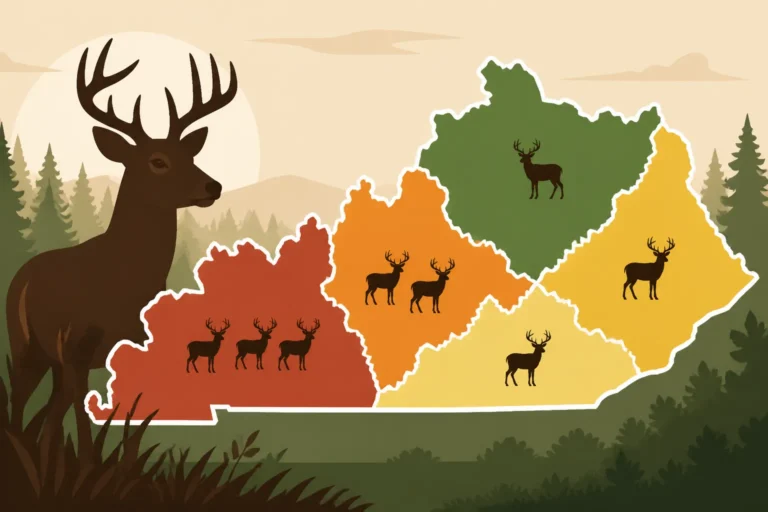
Kentucky’s elk zone is divided into multiple units, and the type of permit you draw will dictate where and how you can hunt. Understanding these distinctions is key to a successful application and hunt plan. Currently, Kentucky manages its elk hunting across Kentucky's Seven Elk Hunting Units, each with specific characteristics, terrain, and elk densities. Some units might be more rugged and public land-heavy, while others might include more private land access challenges.
The permit types generally fall into a few categories:
- Bull Firearm: These are the most sought-after tags, allowing you to pursue a bull elk during the designated firearm seasons. Hunting a Bull Firearm Elk Season is a truly challenging and rewarding experience.
- Cow Firearm: These permits focus on population control and are often easier to draw. Hunting a Cow Firearm Elk Season provides excellent meat and a fantastic hunting experience, often with a higher success rate.
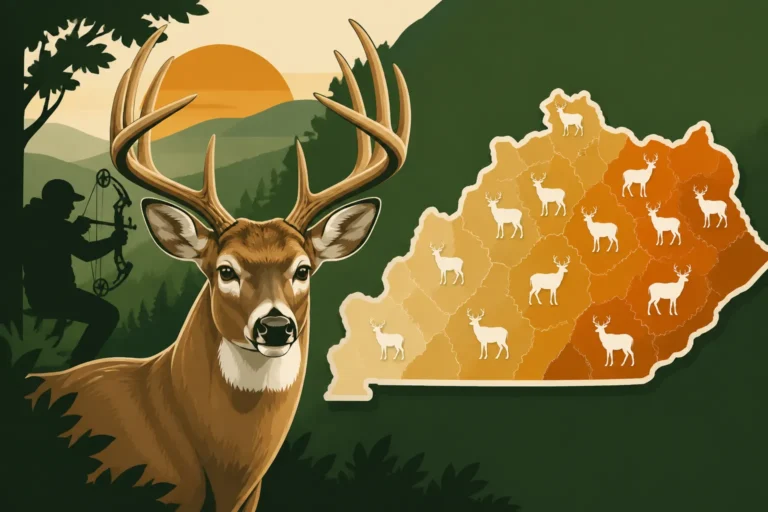
- Either-Sex Archery/Crossbow: These permits offer the flexibility to harvest either a bull or a cow using archery equipment during the designated archery/crossbow season. This can be a challenging but incredibly intimate way to hunt elk.
The KDFWR determines How Many Elk Permits Kentucky Issues each year based on herd health, population goals, and harvest success rates from previous seasons. This dynamic system ensures that hunting pressure remains sustainable, contributing to the long-term health and stability of the herd. Each unit has specific permit allocations, making research into individual unit characteristics vital before applying.
Understanding Draw Odds and Preference Points
The reality for many aspiring Kentucky elk hunters is that drawing a tag is tough. Thousands apply each year for a limited number of permits, making the draw odds notoriously low, especially for bull tags. This is where the Kentucky elk preference point system comes into play. The Kentucky Elk Preference Point System is designed to reward persistent applicants. For every year you apply for an elk permit and are unsuccessful, you accrue a preference point. The more preference points you have, the better your chances are in subsequent draws. It's a system that acknowledges loyalty and patience.
While preference points don't guarantee a tag, they significantly improve your odds over time. It's not uncommon for hunters to accumulate five, ten, or even more preference points before finally drawing a coveted tag. This means that a Kentucky elk hunt often requires a long-term commitment and a strategic approach to applying. Resources like GoHunt often publish detailed analyses of draw odds, success rates, and the number of preference points required to draw in various units and for different permit types. This data can be invaluable for planning your application strategy and managing expectations for this truly once-in-a-lifetime opportunity.
Hunting Tactics for Kentucky's Elk Restoration Zone
Once you've beaten the odds and drawn a Kentucky elk tag, the real work begins. Hunting elk in Kentucky’s rugged terrain is a far cry from a stroll in the park. It demands physical fitness, meticulous scouting, and the right strategy to navigate the challenging landscape and outsmart these wary animals.
Scouting the Rugged Terrain
Kentucky’s elk country, primarily within the southeastern coalfields, is characterized by steep ridges, deep hollows, and dense pockets of timber interspersed with open reclaimed mine lands. Scouting this terrain is paramount and needs to happen long before opening day. You can't just show up and expect to find elk; their movements are dictated by food sources, cover, and pressure. Begin by pouring over topo maps and aerial imagery. Utilize apps like OnX Hunt to identify potential bedding areas on leeward slopes, feeding grounds in open fields or reclaimed areas, and pinch points or saddles that elk might use for travel.
Early season scouting might involve looking for tracks, droppings, and rubbed trees, especially along old logging roads or trails. Keep an eye out for wallows, particularly during the late summer and early fall, as these are natural congregation points. When scouting in person, be prepared for steep climbs and long walks. The elk are often where the effort is, sometimes miles from the nearest road. Identifying reliable water sources is also key, as elk, like all animals, need consistent access to water, especially during warmer periods. Remember, the more you understand the specific unit you're hunting, the better your chances of connecting with an elk.
Calling Strategies for Eastern Bulls and Cows
Calling is often a critical component of elk hunting, and it’s no different in Kentucky. During the early fall, especially in September and early October, the When Kentucky Elk Bugle period can be incredibly exciting. Bugles are the definitive sound of a bull elk, a challenge and a declaration of dominance that can be used to locate and sometimes even draw in a bull. Mastering a range of calls, from aggressive bugles to soft cow and calf chirps, is a valuable skill.
When Calling a Southeastern Kentucky Bull Elk, it's important to gauge the bull's mood. An aggressive, challenging bugle might draw in a territorial bull, but a more subtle cow call might be better for an unpressured animal. Remember that calling too much or too aggressively can sometimes spook an elk, especially if they’ve been pressured. Patience and observation are key. For cow permits, quiet cow and calf calls can be effective, particularly when trying to locate groups of cows and calves. Always be mindful of your surroundings, as calling can also attract other hunters, especially on public land. Learning to adapt your calling to the specific situation and the elk's response is a skill that comes with experience.
The Importance of Physical Preparation
Let's be real: hunting elk in Kentucky is physically demanding. This isn't a flatland whitetail hunt. The terrain in the eastern coalfields is relentlessly steep and rugged. If you’re not physically prepared, your hunt will be miserable, and your chances of success will plummet. Start training months in advance. Focus on cardiovascular endurance – long hikes, trail running, or even stair climbing will pay dividends. Incorporate strength training, particularly for your legs, back, and core, as you'll be carrying heavy gear and potentially dragging or packing out a substantial amount of meat.
Practice hiking with your hunting pack, loaded with the gear you plan to carry. Simulate the weight of a quartered elk if you can, to get a realistic feel for packing out meat from a steep hollow. Don't underestimate the energy required for multiple days of traversing elevation changes. Proper hydration and nutrition are also vital. This isn't just about bagging an elk; it's about being able to safely and effectively hunt the challenging landscape Kentucky offers. Being in top physical condition will allow you to cover more ground, recover faster, and ultimately, enjoy the hunt much more.
Essential Gear for a Kentucky Elk Hunt
A successful Kentucky elk hunt isn't just about skill and luck; it's also about having the right tools for the job. The rugged terrain and potentially unpredictable weather demand reliable, high-quality gear that can stand up to the challenge. Don't skimp on essentials; your comfort, safety, and success depend on it.
Rifle and Bow Setups for Big Game
When it comes to firearms, Rifles Built for a Southeastern Elk Hunt need to be capable of ethical kills on large-bodied animals, often at varying ranges. Calibers like .30-06 Springfield, .300 Win Mag, 7mm Rem Mag, and .308 Winchester are popular and highly effective choices. Given the potential for shots across clearings or up steep slopes, ensure your rifle is accurately zeroed at a practical distance for elk (e.g., 200 yards) and that you are proficient with it from various shooting positions. A quality scope with good light-gathering capabilities is also crucial, especially during dawn and dusk.
For archery hunters, a powerful and accurate bow setup is non-negotiable. Compound bows with a draw weight of 60 pounds or more are generally recommended, paired with heavy, well-tuned arrows and razor-sharp broadheads. Both fixed-blade and mechanical broadheads can be effective, but ensure whatever you choose is legal and capable of delivering maximum penetration on an elk's tough hide and bone structure. Crossbows are also legal during the archery season in Kentucky, offering another viable option for those who prefer them. Regardless of your weapon choice, extensive practice is key to ensure you can make a clean, ethical shot under pressure.
Optics for Distant Glassing and Close Encounters
Good optics are your eyes in the expansive and often timbered elk country. A pair of high-quality binoculars (10×42 or 10×50 are popular) is essential for scanning distant hillsides, open reclaimed areas, and dense forest edges for elk sign or the animals themselves. Look for optics with excellent clarity, low-light performance, and a durable, waterproof construction. Don't underestimate the value of a good harness to keep them secure and readily accessible on your chest.
A spotting scope, while bulky, can be an invaluable tool, especially if you plan on doing a lot of Optics for Glassing Reclaimed Mine Land. It allows you to definitively identify animals at extreme distances, determining if that distant dark spot is a cow, a spike, or the bull of your dreams, without spooking them by moving closer. Paired with a sturdy tripod, a spotting scope can save you countless miles of walking to investigate false positives. A reliable rangefinder is also non-negotiable for both rifle and bow hunters, allowing you to accurately judge distances and ensure an ethical shot, particularly in terrain that can play tricks on your depth perception.
Clothing and Navigation for Mountainous Terrain
Kentucky weather in the fall can be notoriously unpredictable, ranging from warm, sunny days to cold, driving rain or even early snow. Layering is absolutely critical. Start with a moisture-wicking base layer, add insulating layers (fleece or wool are excellent choices), and top it off with a waterproof and windproof outer shell. Choose quiet fabrics that won't rustle loudly when you're stalking. Blaze orange or pink is required during modern gun seasons and certain archery seasons on public lands, so make sure you understand the regulations and carry the appropriate amount.
Footwear must be rugged, waterproof, and provide excellent ankle support for navigating steep, uneven terrain. Invest in high-quality hunting boots and break them in thoroughly before your hunt to avoid blisters. For navigation, a reliable GPS unit or a robust hunting app like OnX Hunt on your smartphone is essential. Cell service is often nonexistent in the backcountry, so download offline maps and carry a portable power bank. Always carry a physical map and compass as a backup, and know how to use them. Being lost in the Kentucky mountains, especially in foul weather, is a dangerous situation no hunter wants to experience.
Elk Management and Conservation in Kentucky
The success of Kentucky's elk restoration project is a shining example of effective wildlife management and dedicated conservation. However, maintaining a healthy, sustainable herd and ensuring harmonious coexistence with human populations requires ongoing effort and adaptive strategies. It's a continuous process of monitoring, research, and responsible decision-making.
The Role of KDFWR in Herd Health
The Kentucky Department of Fish and Wildlife Resources (KDFWR) is the primary steward of the state's elk herd. Their role is multifaceted, encompassing everything from population monitoring and habitat management to law enforcement and public education. Through scientific surveys, harvest data analysis, and field observations, KDFWR biologists track the herd's demographics, health, and distribution. This data informs their decisions on annual permit allocations, ensuring that hunting pressure aligns with population goals and the long-term sustainability of the herd. The goal is to balance recreational opportunities with ecological responsibility.
Beyond managing hunting, KDFWR actively engages in habitat improvement projects within the elk restoration zone. This includes prescribed burns to promote new forage growth, planting food plots in strategic locations, and working with landowners on habitat enhancement initiatives. They also play a crucial role in responding to and mitigating human-elk conflicts, such as crop damage complaints or elk venturing into urbanized areas. This proactive and reactive management ensures that Kentucky's elk remain a valued and sustainable resource for all.
Addressing Challenges: CWD and Human-Wildlife Conflict
While the Kentucky elk herd is a success story, it's not without its challenges. One of the most significant long-term concerns for any cervid population is Chronic Wasting Disease (CWD). While Kentucky's elk herd has not yet had a confirmed case, the KDFWR maintains robust Kentucky CWD Testing for Hunters and surveillance programs, especially given the disease's presence in neighboring states and in some of Kentucky's deer populations. Preventing the introduction and spread of CWD is a top priority, involving carcass movement restrictions and mandatory testing in certain areas.
Human-wildlife conflict is another ongoing challenge. As the elk population has grown and expanded its range, encounters with agricultural operations and rural residents have increased. Elk are large, powerful animals that can cause significant damage to crops, fences, and even vehicles. KDFWR works with affected landowners to implement deterrents, provide technical assistance, and in some cases, issue depredation permits. Balancing the needs of the elk with the livelihoods and safety of Kentucky residents requires careful diplomacy, community engagement, and adaptive management strategies to foster coexistence.
Funding Conservation Through Hunting Licenses
It's a common misconception that wildlife conservation is funded solely by government taxes. In reality, hunters and anglers are often the primary financial contributors to wildlife management and habitat restoration. In Kentucky, the revenue generated from hunting licenses and elk permit applications directly supports the KDFWR's conservation efforts, including those for the elk herd. Kentucky Elk Quota Hunt Rules and the associated fees play a vital role in providing the resources needed for population surveys, habitat projects, law enforcement, and research.
This "user-pays, user-benefits" model ensures that those who directly benefit from the resource (hunters) also contribute significantly to its maintenance and enhancement. It's a powerful example of how sustainable hunting is intrinsically linked to successful conservation. Every dollar spent on an elk application or hunting license helps fund the very programs that keep Kentucky's elk herd healthy and thriving, ensuring that future generations will also have the opportunity to experience these magnificent animals.
Beyond the Hunt: Experiencing Kentucky's Elk Country
Even if hunting isn't your primary goal, Kentucky's elk country offers a wealth of opportunities to connect with nature and experience one of the state's most incredible wildlife spectacles. From photography to simply enjoying the natural beauty, the elk restoration zone is a treasure.
Best Times and Places for Elk Viewing
To maximize your chances of seeing elk, timing is everything. The best periods are typically early morning, right after sunrise, and late evening, just before sunset, when elk are most active and out foraging. They tend to be more visible in open areas, like reclaimed mine lands and large clearings, during these times. During the middle of the day, they often retreat to the cover of dense timber to bed down.
The fall, particularly September and October, is arguably the most exciting time for viewing due to the elk rut. This is when the bulls are most vocal, bugling loudly to challenge rivals and attract cows. The sound alone is worth the trip! Designated elk viewing areas, and public lands within the elk restoration zone such as the Begley WMA or Redbird WMA, are excellent starting points. Remember to keep a respectful distance, use binoculars or a spotting scope, and avoid disturbing the animals. Patience is key, and sometimes just sitting quietly and observing can lead to incredible encounters.
Supporting Local Communities Through Elk Tourism
The presence of the elk herd has brought a significant economic boost to the typically economically challenged southeastern Kentucky region. Elk tourism, whether it's hunters, photographers, or wildlife viewers, brings much-needed revenue to local businesses. When you visit to see the elk, you're not just enjoying nature; you're supporting local restaurants, gas stations, lodging facilities, and small shops. This economic impact helps create jobs and injects vitality into communities that might otherwise struggle.
Many small towns in the elk restoration zone have embraced their unique wildlife asset, offering guided tours, local events, and information centers dedicated to the elk. These communities understand the value of the herd beyond just hunting, recognizing it as a key draw for visitors year-round. So, next time you're planning a trip to witness Kentucky's elk, consider spending a few extra dollars in the local towns – it makes a real difference to the people who live and work there, and who help protect this incredible resource.
Ethical Wildlife Viewing Practices
Enjoying wildlife comes with a responsibility to do so ethically and with minimal impact. When viewing elk, always keep a safe and respectful distance. Elk are wild animals, and getting too close can stress them, alter their natural behavior, or even put you in danger, especially during the rut or if cows have calves nearby. Never attempt to feed elk; it habituates them to humans, which can lead to aggressive behavior and is often detrimental to their health.
Stay on designated roads and trails, and always respect private property. Trespassing not only creates negative perceptions of wildlife viewers but can also lead to legal issues. Use binoculars or a spotting scope for close-up views rather than approaching the animals directly. Leave no trace behind – pack out all your trash. By following these simple ethical guidelines, you ensure that you and others can continue to enjoy Kentucky's magnificent elk herd for years to come, preserving their wild nature and protecting their habitat.
Disclaimer
Please remember that hunting regulations and season dates can change. Always consult the most current Kentucky Department of Fish and Wildlife Resources (KDFWR) hunting guide and official website before planning any hunting trip to ensure you are in compliance with all state laws and regulations.