Why Kentucky Dropped the Bear Harvest Quota
It wasn't that long ago that Kentucky's bear hunting season felt like a race against the clock, with hunters scrambling to tag a bear before the statewide quota was met and the season abruptly closed. That kind of pressure could be really frustrating, especially if you had limited time in the woods or were trying to teach a new hunter the ropes. But things have changed, and this guide is going to walk you through exactly why Kentucky made the significant decision to drop the bear harvest quota, what it means for hunters, and the fascinating story of our growing bear population.
The Historical Necessity of Bear Quotas in Kentucky
For many years, the idea of a robust bear population in Kentucky seemed like a distant dream. Bears were virtually absent from the state for a long period, largely due to habitat loss and unregulated hunting pressure in earlier centuries. When they started making a comeback, primarily through natural expansion from neighboring states like West Virginia and Virginia, wildlife managers faced a delicate balancing act. They wanted to see the population grow and thrive, but they also needed to manage it carefully to prevent over-harvesting and ensure the species' long-term health.
Early Conservation Efforts and Fragile Populations
Kentucky's black bear population truly began its resurgence in the latter half of the 20th century. Initially, these bears were concentrated in the rugged, forested terrain of southeastern Kentucky, particularly around areas bordering states with established bear populations. The Kentucky Department of Fish and Wildlife Resources (KDFWR) knew that if they were going to foster a healthy, huntable population, they couldn't just open a free-for-all. Their primary goal was population recovery and expansion, not immediate harvest.
This meant implementing conservative hunting regulations. When bear hunting was eventually reintroduced, it was done so with extreme caution. Quotas were a critical tool in this strategy. By setting a hard limit on the number of bears that could be harvested each season, the KDFWR could directly control the impact of hunting pressure. It allowed them to collect vital data on the population's health and growth without risking a significant setback. Imagine trying to reintroduce a rare species; you wouldn't just throw open the doors. You'd meticulously count, monitor, and protect. That's essentially what those early quotas were designed to do, ensuring that the number of bears taken never exceeded what the population could sustain, especially while it was still finding its footing.
Managing a Growing but Vulnerable Species
While the population was slowly but steadily increasing, it was still considered vulnerable in many areas. The challenge for KDFWR was to allow for some hunting opportunity, which is often a key component of sustainable wildlife management and helps foster public acceptance of large predators, while simultaneously ensuring the population continued its upward trend. These early quotas were often quite low, sometimes closing a season in a matter of days if the limit was reached quickly.
Hunters participating in those early seasons often spoke of the intense pressure and the need to be in the right place at the right time. There was a sense of urgency, knowing that if you didn't act fast, the season could be over before you even had a real chance. This was particularly true for the limited firearms seasons. The quota system, while effective for conservation, could make the hunting experience feel less about strategy and more about luck and speed. But it served its purpose: it protected the bears during their crucial recovery period and gave biologists the data they needed to understand the health and trajectory of the expanding population. Without those initial careful steps, Kentucky might not have the thriving bear population it boasts today, which has become a true success story in wildlife management.
Kentucky's Booming Bear Population
Fast forward to today, and the landscape of bear management in Kentucky has dramatically changed, thanks to years of successful conservation efforts. The bear population isn't just surviving; it's absolutely thriving and expanding its range across the state. This remarkable recovery is the fundamental reason behind the shift away from a restrictive statewide quota system.
Successful Management and Expansion
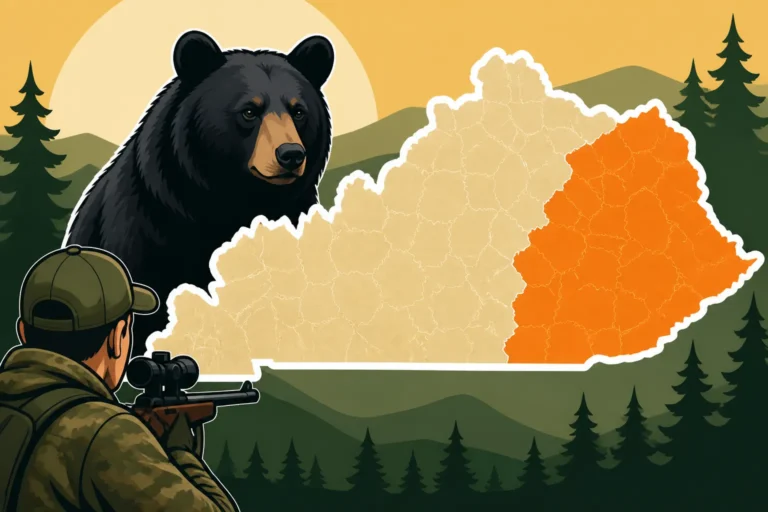
Over the past two decades, Kentucky's black bear population has experienced explosive growth. From a handful of bears primarily confined to the deepest pockets of the Appalachian Mountains in the east, they have now spread significantly. Today, our bear population is estimated to be well over 1,000 individuals, and bears are routinely sighted in more than 60 counties, far beyond the traditional bear zones. This isn't just anecdotal evidence; KDFWR conducts extensive research, including tracking, den surveys, and harvest analysis, all of which point to a robust and healthy population.
The success isn't just about raw numbers; it's about distribution. Bears are establishing themselves in new areas, moving into the central and even western parts of the state, often following forested river corridors and seeking out new food sources and territories. This expansion indicates a strong, self-sustaining population that can withstand a higher level of regulated harvest. In fact, regulated hunting itself becomes a valuable management tool, helping to control local densities, reduce potential conflicts with humans, and provide essential funding for further conservation efforts. You can learn more about the specifics of Kentucky's Black Bear Population and their range.
Increased Sightings and Conflicts
With a growing and expanding bear population comes an inevitable increase in human-bear interactions. While it's exciting to see wildlife flourishing, more bears mean more sightings in suburban areas, more instances of bears raiding trash cans or bird feeders, and sadly, an uptick in agricultural damage. Farmers, in particular, can face significant losses from bears in cornfields or orchards. These "nuisance" complaints and property damages are a clear indicator that the population is not only healthy but has reached a point where active management is necessary to maintain a balance between wildlife and human communities.
The KDFWR regularly receives reports of bears pushing further north and west into counties like Pulaski, Rockcastle, and even into parts of the Bluegrass region. This growing presence led to the establishment of Kentucky's New Bear Zone Three, specifically designed to address these expanding populations and the need for more localized management. Dropping the statewide harvest quota was a direct response to these realities. It signifies a transition from strictly protecting a vulnerable population to actively managing a successful one, using hunting as a tool to control numbers, mitigate conflicts, and ensure the overall health and public acceptance of bears in Kentucky. For hunters who rely on tools like GoHunt to scout and plan, understanding these population shifts is key to successful bear hunting.
The Shift to a More Flexible Management System
Recognizing the dramatic success of their bear conservation efforts, the Kentucky Department of Fish and Wildlife Resources made a strategic decision to transition from the restrictive statewide harvest quota system to a more adaptive and flexible approach. This wasn't a snap judgment but rather a carefully considered move based on years of collected data and observations.
Adaptive Management Strategies
Adaptive management is essentially a scientific approach to wildlife management where regulations are continuously adjusted based on new information and changing conditions. Instead of a rigid, one-size-fits-all quota, the KDFWR now implements regulations that are more granular and responsive to the specific dynamics of the bear population in different areas.
The current system relies on a zone-based approach, with different rules and season lengths for various parts of the state. For example, Kentucky Bear Zone One and Two Rules outline specific season structures and bag limits, which might vary for archery, crossbow, and firearms hunters. The department sets specific season dates, bag limits (typically one bear per hunter per license year), and specific harvest objectives for each zone. However, instead of closing the season abruptly once a specific number is reached, the season dates are set, and hunters know exactly how long they have to pursue a bear. This allows for greater predictability for hunters and enables KDFWR to manage harvest more precisely based on population data within each zone. They can extend or shorten seasons in future years if needed, providing a more nimble response to population changes than the rigid quota system. This kind of flexibility is a hallmark of modern wildlife management and is designed to be sustainable long-term.
Benefits for Hunters and Wildlife Management
Dropping the statewide harvest quota offers significant advantages for both the hunting community and the broader goals of wildlife management. For hunters, the most immediate benefit is the elimination of the "race to harvest." Imagine planning a long-anticipated hunting trip, only to find the season closed within the first few days because the quota was met. That's a frustrating scenario many experienced. Now, with set season dates, hunters can plan their trips with confidence, knowing the season will run its course, whether they're planning a trip for Hunting Bear With Archery Gear in Kentucky or waiting for the Kentucky Bear Firearms Season Dates. This predictability reduces pressure and allows for a more enjoyable and strategic hunting experience.
From a wildlife management perspective, this flexible system is a sign of success. It indicates a robust and healthy bear population that can sustain a managed harvest without the need for constant, immediate oversight of harvest numbers. It allows KDFWR biologists to spread hunting pressure more evenly across the established season, rather than concentrating it into a frantic few days. It also allows for better data collection, as harvest information can be analyzed over a longer period, providing a clearer picture of population trends and bear health across different zones. Moreover, by encouraging a stable hunting season, it supports hunter recruitment and retention, ensuring future generations are involved in conservation efforts. Tools like GoHunt can help hunters visualize these zone boundaries and plan their hunts accordingly.
What Dropping the Quota Means for Kentucky Bear Hunters
The removal of the statewide harvest quota is a pretty big deal for anyone interested in hunting black bears in the Commonwealth. It represents a matured approach to managing a species that has gone from scarce to thriving. But while the pressure of a sudden season closure is gone, it doesn't mean it's a free-for-all. Far from it!
New Opportunities and Reduced Pressure
The biggest and most welcome change for hunters is the certainty of season dates. Instead of constantly checking the KDFWR website or calling in to see if the quota has been met, hunters can now plan their trips with the assurance that the season will be open for the full duration specified for their chosen bear zone and weapon type. This is particularly beneficial for those who travel from across the state or from out of state, or for folks who just have limited days off work. It allows for more strategic scouting and patience in the field, whether you're trying Spot-and-Stalk Tactics for Pine Mountain Bears or setting up in a known travel corridor.
This reduced pressure means hunters can focus more on the art of the hunt: understanding bear behavior, reading sign, and executing a good shot, rather than rushing to beat a closing deadline. It opens up opportunities for longer, more immersive hunting experiences, which can be fantastic for introducing new hunters or for those who simply prefer a more relaxed pace. While the total number of bears harvested might still be a management consideration, the mechanism for achieving that management has shifted, making the hunting experience itself more hunter-friendly and less stressful. This is a testament to the KDFWR's confidence in the stability of Kentucky's Black Bear Population.
Understanding the Remaining Regulations
Even without a statewide harvest quota, bear hunting in Kentucky is still highly regulated, and understanding these rules is absolutely crucial for a legal and successful hunt. The KDFWR maintains specific regulations that hunters must adhere to, ensuring the continued health and sustainable management of the bear population.
First and foremost, hunters are still required to possess the proper licenses and permits, including a statewide hunting license and a bear permit. You can find information on the Kentucky Bear Tag Cost and purchase them through the KDFWR online portal or authorized vendors. Secondly, there are strict bag limits, which are typically one bear per hunter per license year. This prevents individual hunters from taking multiple bears, ensuring a wider distribution of harvest among the hunting community.
Third, season dates are specific to weapon type (archery, crossbow, firearms) and vary by bear zone. For instance, the dates for hunting with a rifle in Kentucky's New Bear Zone Three might differ from those in Zone One or Two. It's imperative to consult the current Kentucky Hunting and Trapping Guide annually, as regulations can and do change. Remember that bear checking requirements are also very specific; successful hunters must telecheck their bear and present the carcass, skull, and hide to a KDFWR check station for biological data collection. This data is what helps the KDFWR make informed decisions about future seasons and continues the adaptive management cycle. Ignoring these rules isn't just illegal; it compromises the hard-won conservation success that allowed the quota to be dropped in the first place.
Table: Evolution of Kentucky Bear Hunting Regulations
| Feature | Old Quota System (Pre-2020s) | Current Adaptive Management System (Post-2020s) |
|---|---|---|
| Harvest Limit | Statewide numerical quota (e.g., 10 bears total) | One bear per hunter per license year |
| Season Closure Trigger | Season closed immediately once statewide quota was met | Season runs for predefined dates; no abrupt closure based on harvest # |
| Hunter Planning | High uncertainty, race to harvest, potential for short season | High predictability, specific season dates for planning |
| Management Focus | Population recovery & protection, preventing over-harvesting | Sustainable harvest, managing growth & distribution, mitigating conflicts |
| Data Collection | Focus on basic harvest numbers, often limited by short seasons | Detailed biological data collected over full season, zone-specific |
| Hunter Experience | High pressure, urgency, often frustrating if season closed early | Reduced pressure, more time for strategic hunting, improved experience |
| Geographic Scope | Primarily statewide quotas, less zone-specific nuance | Zone-based regulations (Zone 1, 2, 3) with varying rules and dates |
This table really highlights how far Kentucky's bear management has come, moving from a necessity-driven, protective model to one that acknowledges a flourishing population while still maintaining responsible oversight.
Planning Your Kentucky Bear Hunt Under New Rules
With the old quota system now a thing of the past, planning your bear hunt in Kentucky involves a different set of considerations, focusing more on strategy and understanding local bear dynamics rather than racing against a closing clock. It's an exciting time to be a bear hunter in the Commonwealth, but preparation is still paramount.
Scouting and Understanding Bear Zones
Effective scouting has always been crucial, but now, with a more relaxed season structure, you have the luxury of time to truly understand your hunting area. Bears, while adaptable, have specific habitat preferences. They often favor dense, mature forests with good mast crops (acorns, berries, nuts) and access to water. In Kentucky's eastern mountains, that often means focusing on steep hollows and ridgelines. For areas further west, river bottoms and large blocks of timber might be key.
Understanding the specific bear zone you're hunting in is non-negotiable. Each zone has its own set of dates and sometimes even specific weapon restrictions. Tools like the Kentucky Hunt Fish App or platforms like GoHunt provide invaluable mapping layers that show not only public land boundaries but can also help you identify potential bear habitat, access points, and even show you the designated bear zones. Knowing the difference between Kentucky Bear Zone One and Two Rules or the regulations for Kentucky's New Bear Zone Three is the first step in successful planning. Spend time looking for fresh sign: scat, rubs on trees, turned-over rocks, and tracks, especially near potential food sources. Early season bears might still be focused on soft mast, while late-season bears will be hitting hard mast, like acorns, as they try to put on weight for winter.
Gear and Tactics for a Successful Season
Your gear selection will largely depend on whether you're pursuing bears during the archery season or the firearms season, but some essentials remain constant. Regardless of weapon, dependable optics are a must for spotting bears in thick cover or at longer distances, especially if you're Glassing an Elk Restoration Zone Meadow for other game and happen upon a bear. A good rangefinder is also critical for ethical shot placement.
For archery hunters, a reliable bow or crossbow, sharp broadheads, and a solid understanding of your effective range are paramount. Bear vitals are slightly different than deer, and shot placement on a Shot Placement on a Kentucky Black Bear is crucial for a quick, humane harvest. For firearms hunters, a suitable rifle caliber that delivers enough energy for a bear is necessary. While many deer calibers can suffice, ensure you're using appropriate bullet construction. Consider heavier, bonded bullets designed for larger game.
In terms of tactics, patience is a virtue. Bears are intelligent and wary animals. Still-hunting through prime habitat, especially during the early morning or late evening, can be effective. If permitted and applicable, setting up over natural food sources or travel corridors can also yield results. Understanding how to track a bear, even if you're not actively Running Hounds for Pine Mountain Bears, can give you insight into their movement patterns. Remember, you'll need to be prepared for Handling a Bear After the Shot, which means having a sturdy pack, game bags, and perhaps a partner for help with recovery and transport, especially if you're deep in rugged terrain.
Disclaimer
This guide is intended for informational purposes only and does not supersede official regulations. Hunting laws and regulations in Kentucky can change, and it is the responsibility of every hunter to consult the most current Kentucky Hunting and Trapping Guide provided by the Kentucky Department of Fish and Wildlife Resources before heading afield. Always ensure you have the correct licenses and permits.