Which Counties Sit in the CWD Surveillance Zone
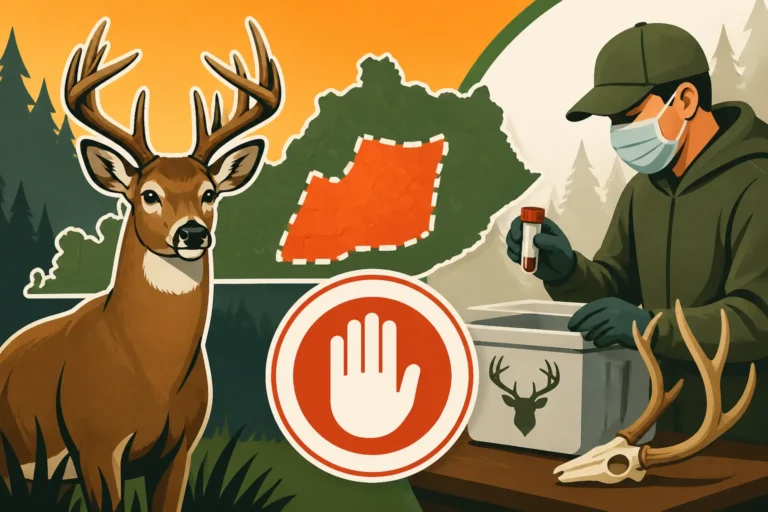
It's an unsettling feeling, isn't it? You spend countless hours scouting, preparing your gear, and looking forward to deer season, only to hear about something like Chronic Wasting Disease. Suddenly, all that excitement is tinged with concern – concern for the health of the deer herd, and perhaps a little confusion about what it all means for you, the hunter. Understanding the boundaries and rules of Kentucky's CWD Surveillance Zone is absolutely crucial, not just for staying legal, but for actively participating in the health and future of our beloved whitetails. This guide aims to clear up that confusion, lay out the specific counties involved, and explain exactly what you need to know and do when hunting within these zones.
Understanding Kentucky's CWD Challenge
Chronic Wasting Disease (CWD) has become a household name among hunters, and for good reason. It's a serious threat to deer, elk, and moose populations, and it requires our collective vigilance. For many, hearing about CWD can feel like a punch to the gut, especially when you cherish Kentucky's rich hunting heritage and the vibrant deer herd we're so fortunate to have.
The Silent Threat of Chronic Wasting Disease
Imagine a disease that slowly and inexorably attacks an animal's brain, causing it to lose weight, exhibit unusual behavior, and eventually die. That's CWD in a nutshell. It's a neurological disease caused by abnormal proteins called prions, and it affects cervids – that's deer, elk, and moose. Unlike bacterial or viral infections, CWD isn't caused by a living organism, which makes it particularly insidious and difficult to combat. These prions can persist in the environment for years, even decades, in soil, plants, and contaminated carcasses. This means a CWD hot spot can remain infectious long after an infected animal has moved on or died.
The really tough part is that CWD has a long incubation period, often taking years for an infected animal to show symptoms. This means a deer can be carrying the disease, shedding prions into the environment through saliva, urine, and feces, all while looking perfectly healthy. This silent spread is what makes CWD such a formidable opponent for wildlife managers and hunters alike. While there's no evidence CWD can spread to humans, the Centers for Disease Control and Prevention (CDC) advises against eating meat from infected animals. This recommendation alone underscores the importance of managing this disease for the sake of public health and, of course, the long-term health of our deer herd.
A Timeline of CWD in the Bluegrass State
Kentucky had a long run as one of the few states surrounded by CWD-positive states without a confirmed case within its borders. That changed in 2017, and it was a moment many of us dreaded. The first confirmed case of CWD in Kentucky was found in a captive cervid facility in Ballard County. This initial discovery immediately put the Kentucky Department of Fish and Wildlife Resources (KDFWR) on high alert and led to swift action, including the establishment of the first CWD Surveillance Zone.
The situation evolved significantly when CWD was detected in a wild deer in Ballard County in late 2021. This was a game-changer, indicating that the disease had jumped from captive animals into the wild population. Then, in 2022, another wild deer tested positive for CWD in Pulaski County, hundreds of miles from Ballard County, creating a new, separate surveillance zone. Each confirmed case, especially in wild deer, leads to an expansion or creation of these zones, as wildlife agencies work diligently to monitor and contain the disease. It’s a constant, evolving battle, and it requires every hunter to be aware of the changing landscape of CWD in Kentucky. Understanding where the disease has been found, such as the specifics of How Kentucky's CWD Case Count by County has developed, helps us grasp the seriousness and the spread.
Defining the CWD Surveillance Zone
Navigating the rules and regulations around CWD can feel like trying to hit a moving target sometimes, especially with new developments. The Kentucky Department of Fish and Wildlife Resources (KDFWR) has established CWD Surveillance Zones as a critical tool in their strategy to monitor, detect, and limit the spread of this devastating disease. These zones aren't arbitrary; they are carefully defined based on scientific analysis of where CWD has been found and where it might be likely to spread next.
The Current List of Affected Counties
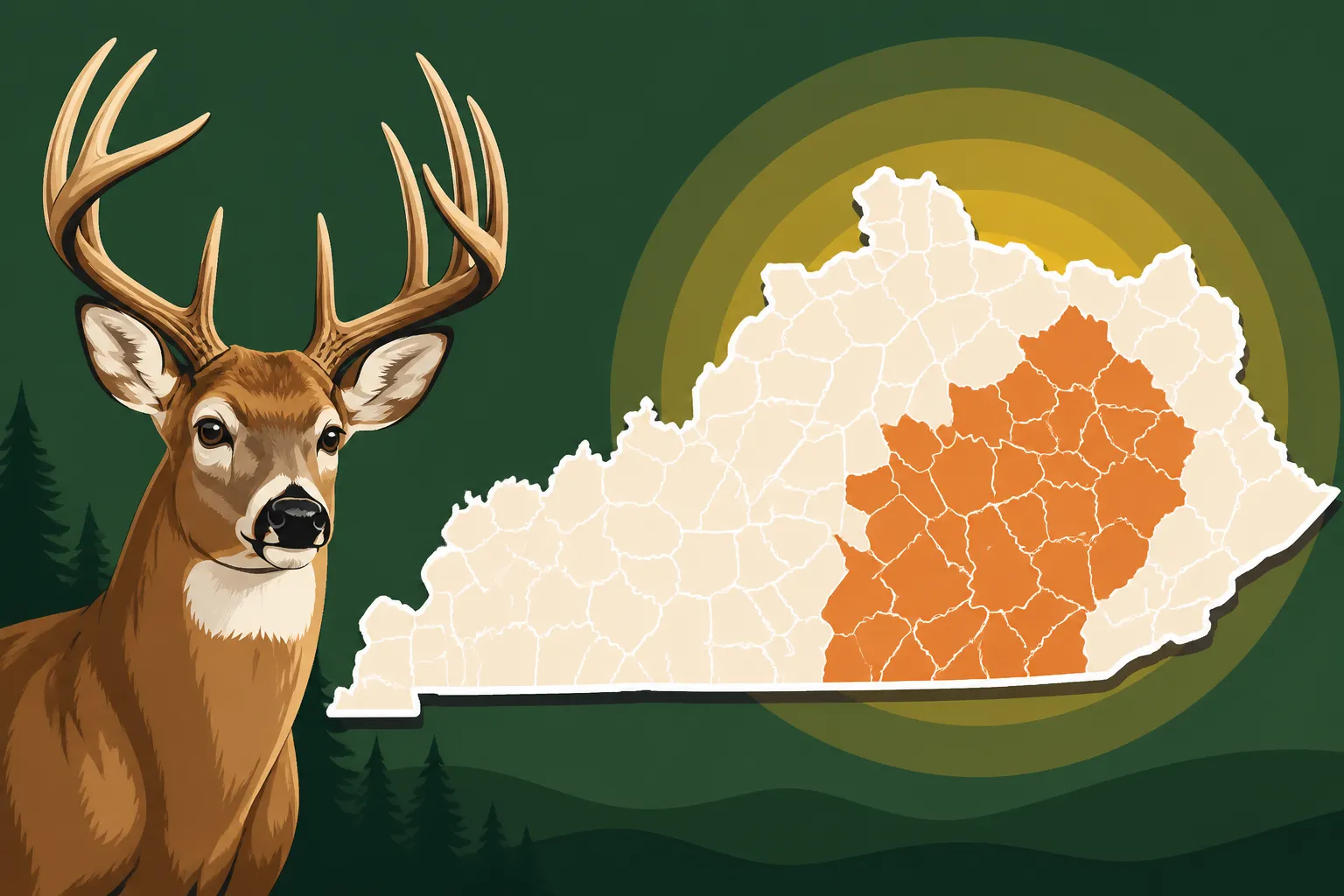
As of the latest updates, Kentucky has established CWD Surveillance Zones encompassing a growing number of counties. These zones are fluid, meaning they can expand or contract based on new detections or ongoing monitoring results. It’s absolutely essential for hunters to check the most current KDFWR regulations before heading out into any area, but here’s a snapshot of the counties currently in the CWD Surveillance Zones:
Ballard County Zone:
- Ballard County: This is where the first wild deer CWD case was detected, making it ground zero for the western Kentucky zone.
- McCracken County: Due to its proximity to Ballard County, McCracken was included to create a buffer and ensure comprehensive surveillance.
- Graves County: Also neighboring Ballard, Graves is part of the initial surveillance efforts.
- Hickman County: Shares borders with Ballard and other affected areas, warranting inclusion.
- Carlisle County: Directly adjacent to Ballard, making it a critical part of the zone.
Pulaski County Zone:
- Pulaski County: The site of the second wild deer CWD detection, forming the core of a separate, eastern surveillance zone.
- Lincoln County: Neighbors Pulaski, expanding the surveillance footprint.
- Casey County: Included due to its proximity and shared deer movement patterns with Pulaski.
- Rockcastle County: Shares a border with Pulaski, requiring increased monitoring.
- Wayne County: Added due to its geographic relation and potential for deer movement from Pulaski.
- Clinton County: Also included with Wayne, further defining the southern edge of the eastern zone.
These designations mean that specific rules apply when you hunt deer within these boundaries. Don't assume you know them if you haven't checked recently, as they can change. It’s worth noting that the KDFWR continually assesses the situation, and counties can be added or removed from these zones as more data becomes available. This is why tools like the GoHunt app or the KDFWR website are indispensable for checking Finding Which Deer Zone Your County Sits In right before you plan your trip.
How Counties Are Designated for Surveillance
It’s not just a dart throw on a map. The process for designating a county as part of a CWD Surveillance Zone is a scientific and strategic one, driven by the goal of containing the disease. When a CWD-positive animal is detected, whether it's in a captive facility or, more concerningly, in the wild, KDFWR biologists spring into action.
First, they look at the immediate vicinity of the positive case. This usually includes the county where the detection occurred and all adjacent counties. The assumption is that deer don't respect county lines, and a CWD-positive deer could easily have traveled into neighboring areas before showing symptoms or being harvested. They consider deer movement patterns, habitat corridors, and geographical features that might influence how the disease spreads. For example, if a major river or mountain range acts as a natural barrier, it might influence the shape of the zone.
Secondly, KDFWR uses a risk-based assessment. This involves evaluating factors like deer density, the amount of public versus private land (which affects management options), and human activities that could inadvertently contribute to spread, such as the movement of harvested deer. They also consider the potential for "skip" cases, where the disease might appear in a non-adjacent county, often linked to the movement of animals or contaminated materials. The detection in Pulaski County, so far from Ballard County, is a prime example of why these broader surveillance efforts are so crucial. Every new piece of information, like How the Pulaski County Case Expanded the Zone, informs these critical decisions. The aim is to create a robust buffer where enhanced surveillance and management strategies can be implemented to catch any further spread early.
Mandatory Rules and Restrictions for Hunters in the CWD Zone
Hunting in a CWD Surveillance Zone isn't just "business as usual." It comes with specific, mandatory rules that hunters must follow. These aren't suggestions; they are crucial components of Kentucky's CWD management strategy, designed to limit the potential spread of the disease. It can feel like an extra burden, but remember, these regulations are in place to protect the long-term health of the deer herd that we all love to hunt.
Carcass Movement and Transport Limitations
This is perhaps one of the most significant changes for hunters taking a deer in a CWD Surveillance Zone. You simply cannot move an entire deer carcass out of the zone. The reason for this rule is straightforward: CWD prions are concentrated in certain parts of the deer, particularly the brain, spinal cord, lymph nodes, and spleen. Moving an entire carcass outside the zone risks shedding these prions in new areas, potentially contaminating new environments and infecting new deer populations.
So, what can you take out? Generally, hunters are permitted to transport:
- Deboned meat: This is the safest way to move your harvest. All bones, brain matter, and spinal cord are removed on site.
- Antlers (removed from the skull plate): If the antlers are still attached to the skull, the skull plate must be cleaned of all brain and nervous tissue.
- Cleaned skull plates or antlers: Free of any brain tissue.
- Hides: As long as no nervous system tissue is attached.
- Teeth.
This means if you harvest a deer in, say, Ballard County, you can't just throw it whole in the back of your truck and drive it to your processor in a non-surveillance county. You'll need to do some processing right there in the field or at a designated facility within the zone. It’s a good idea to bring extra game bags and a sharp knife, prepared for a full field-to-table breakdown if necessary. This rule applies to all deer, regardless of whether they appear healthy or not, because, as we've discussed, deer can carry CWD without showing symptoms. If you're wondering about the specifics, KDFWR has detailed information on Moving a Deer Carcass Out of the Surveillance Zone.
Mandatory Testing Requirements and Sampling Locations
Another cornerstone of CWD management in these zones is mandatory testing. If you harvest a deer within a CWD Surveillance Zone, your deer must be sampled for CWD testing. This isn't optional; it's a requirement. The purpose of this mandatory testing is to gather critical data on the prevalence and geographic distribution of the disease, which helps KDFWR track its spread and adapt management strategies.
Once you harvest a deer in one of these counties, you'll need to take it to a designated CWD sampling station. These stations are typically set up at various locations, including KDFWR check stations, taxidermists, meat processors, and sometimes even self-service drop-off points. You'll usually need to provide the deer's head (with about 4-6 inches of neck attached) so biologists can collect lymph node samples, which are the primary tissue used for CWD detection.
The process is generally straightforward:
- Harvest and Telecheck: Harvest your deer and complete the telecheck process as usual.
- Locate a Sample Station: Find the nearest mandatory CWD sampling location. The KDFWR website and the GoHunt app are excellent resources for Finding a Kentucky CWD Sampling Location.
- Submit Sample: Bring your deer's head (or the required part) to the station. Staff or instructions at self-service stations will guide you. Make sure your Telecheck confirmation number is available, as it will be linked to your sample.
- Wait for Results: KDFWR will process the sample, and you'll typically be notified of the results, usually within a few weeks. It's crucial to understand that if a deer tests positive, you should not consume the meat.
This mandatory testing is a direct way every hunter can contribute to understanding and managing CWD. It's a small inconvenience for a much larger cause.
Rules for Processors and Taxidermists
The rules extend beyond individual hunters to include the businesses that handle harvested deer. If you're planning to take your deer to a commercial meat processor or taxidermist after harvesting it in a CWD Surveillance Zone, they also have specific regulations they must adhere to. This is because these facilities, by their nature, handle many deer carcasses and could potentially become points of cross-contamination if not managed carefully.
Meat processors within a CWD Surveillance Zone are equipped and required to handle deer in a way that minimizes the risk of CWD transmission. This often includes specific disposal protocols for carcass waste (bones, brain, spinal cord) that prevent prions from re-entering the environment. If you take a deer harvested outside the zone to a processor inside the zone, the processor must also follow these guidelines for that deer, essentially treating it as if it originated from the zone.
Similarly, taxidermists who operate within or receive deer from CWD Surveillance Zones must follow strict protocols for handling deer heads and capes. They are typically required to remove and properly dispose of all brain and nervous tissue before beginning their work. This ensures that potentially infected material is not retained or moved inadvertently. When planning your hunt, especially if you intend to get a trophy mounted, it's wise to communicate with your chosen taxidermist in advance to ensure they are aware of and compliant with all CWD regulations. They can also often advise on the best way to prepare a skull or cape for transport from a CWD zone. Many local processors and taxidermists are excellent resources for understanding current regulations, so don't hesitate to ask them for advice.
What Hunters Can Do to Help Combat CWD
It's easy to feel helpless in the face of a challenge like CWD, but as hunters, we are often the first line of defense. Our participation, awareness, and willingness to adapt are absolutely critical in helping KDFWR combat this disease. We have a direct impact on the health of the herd, and embracing responsible practices is part of that stewardship.
Reporting Sick Deer and What to Look For
One of the most immediate and impactful actions a hunter can take is to report any deer exhibiting signs of illness. You are out in the woods more than almost anyone, and your observations are invaluable. Recognizing the symptoms of CWD can be difficult, especially in the early stages, but there are red flags to watch for.
Deer infected with CWD might display:
- Extreme weight loss (wasting): This is where the name "wasting disease" comes from. They will look emaciated despite a healthy environment.
- Behavioral changes: This could include listlessness, a dazed appearance, carrying their head and ears lowered, or showing no fear of humans.
- Excessive salivation: Drooling or excessive thirst.
- Difficulty walking: Stumbling, poor coordination, or an unnatural gait.
- Repetitive movements: Such as walking in set patterns.
If you observe a deer that appears sick or is exhibiting any of these unusual behaviors, do not harvest it if you can avoid it. Instead, contact the KDFWR immediately. You can usually find a phone number for your local conservation officer or the KDFWR office on their website or the GoHunt app. Provide as much detail as possible about the deer's location, its appearance, and its behavior. Your report could lead to an early detection, which is vital for containing CWD. This proactive approach helps the KDFWR understand where the disease might be present even outside known surveillance zones.
Voluntary Testing and Sample Submission
While mandatory testing is required within designated surveillance zones, hunters outside these areas can still play a crucial role by voluntarily submitting samples. This is particularly important for expanding the baseline data and detecting any "skip" cases that might appear in new areas. If you hunt in a county not currently in a CWD Surveillance Zone, consider taking your harvested deer to a voluntary testing station.
KDFWR often provides locations for voluntary submission, sometimes at specific events or through partner taxidermists and processors. The process is similar to mandatory testing – you'll typically need to submit the deer's head. Participation in voluntary testing is a direct investment in the health of your local deer herd. It gives KDFWR biologists a much broader picture of CWD presence (or absence) across the state. Think of it as an extra layer of protection for the areas you love to hunt. Every sample provides valuable information, helping to monitor Kentucky's Chronic Wasting Disease Surveillance Zone efforts statewide.
Supporting Responsible Deer Management Practices
Beyond reporting and testing, supporting and advocating for responsible deer management practices is key. This includes adhering to bag limits, understanding local antler restrictions, and being mindful of how certain activities might influence disease transmission. For instance, baiting and supplemental feeding, while popular with some hunters, can concentrate deer in smaller areas, increasing nose-to-nose contact and potentially accelerating CWD spread. In some CWD-positive states, these practices are even restricted or banned.
Understanding concepts like Kentucky Deer Population Estimate and Kentucky Buck Age Structure helps us appreciate the science behind KDFWR's management decisions. Supporting KDFWR's efforts, even when regulations feel restrictive, means prioritizing the long-term health of our deer resource. This also means educating fellow hunters who might not be as informed about CWD. Share what you learn, encourage best practices, and be a voice for responsible stewardship. Our collective actions are the strongest tool we have against CWD. It’s also important to remember the critical guidelines around Kentucky Carcass Movement Restrictions to prevent any accidental spread.
Navigating the Surveillance Zone: Practical Tips for Hunters
Hunting in a CWD Surveillance Zone introduces new layers of planning and execution. It's not about making hunting less enjoyable, but about making it responsible and compliant. With a little foresight and the right tools, you can still have a successful and ethical hunt while doing your part to manage CWD.
Utilizing Mapping Tools for Zone Awareness
One of the biggest challenges can be simply knowing if you're in a CWD Surveillance Zone, especially if you hunt near county lines. Thankfully, modern technology makes this much easier. Tools like the KDFWR's official mapping application and third-party apps such as GoHunt are invaluable. These apps often have layers that clearly delineate CWD Surveillance Zone boundaries, allowing you to see exactly where you are in relation to these critical lines.
Before you ever leave home, pull up your hunting area on one of these mapping apps. Verify if any part of your planned hunting spot falls within a surveillance county. If it does, you'll know immediately that special rules apply. These apps also frequently provide details on sampling station locations and contact information for wildlife officials, which is incredibly helpful in the field. When you're out there, checking your location on a GPS-enabled app can give you peace of mind, ensuring you're aware of the specific regulations for that exact spot. This prevents accidental non-compliance and makes sure you're always prepared for Scouting With the Kentucky Hunt Fish App or other tools to understand your location.
Preparing for a Hunt in a Surveillance County
Preparation is always key to a successful hunt, but it takes on added importance in a CWD Surveillance Zone. Knowing the specific rules means you can pack the right gear and have a plan for post-harvest.
Here's what to consider:
- Field Dressing Supplies: Bring extra gloves, a sharp knife, and possibly a bone saw if you're not used to deboning in the field. Having large game bags can also be useful for quartering or deboning a deer on site.
- Cooling Plan: If you're required to debone the deer in the field, you'll need a plan for keeping the meat cool, especially during warmer early archery seasons. Large coolers with plenty of ice are a must.
- Sample Submission Strategy: Know where the nearest mandatory CWD sampling station is located before you hunt. Map out your route there. Understand their operating hours. Some stations might be self-service, others staffed, so knowing what to expect reduces stress.
- Communication: If you're hunting with a group, make sure everyone understands the CWD rules. This avoids confusion and ensures everyone is on the same page for carcass handling and testing.
- Double-Check Regulations: Regulations can change. Always check the official KDFWR website or their hunting guide for the absolute latest CWD rules for the specific season and zone you're hunting in. This vigilance is part of Kentucky Deer Management Zone Rules and overall herd health.
Best Practices for Post-Harvest in the Zone
The moments immediately following a successful harvest in a CWD Surveillance Zone are critical for compliance. Your actions here directly impact disease management.
- Field Deboning: If you plan to transport the meat out of the zone, you must debone the animal on site. This means separating the meat from the bone, spinal column, and skull. The remaining carcass parts (head, spine, bones) must be left within the CWD Surveillance Zone, typically on the land where the deer was harvested, or disposed of in an approved manner within the zone (check KDFWR guidelines for specifics).
- Proper Disposal: Never discard carcass parts from a CWD-positive or suspected-positive deer in a way that could expose other deer or spread prions. If you're leaving parts in the field, ensure they are in a discreet location away from trails or human activity.
- Cleaning Your Gear: After handling a deer, especially in a CWD zone, thoroughly clean and disinfect your knives, saws, and any other tools that came into contact with nervous tissue. Use a bleach solution (50/50 bleach and water) for hard surfaces. Wash clothing and game bags. This helps prevent accidental contamination of new areas.
- Reporting Your Harvest: Always telecheck your deer harvest as required, and then promptly take the necessary parts to a CWD sampling station. The faster the sample is collected, the sooner KDFWR can process it and gain vital information. Remember, timely compliance is not just about following the rules; it's about actively participating in the health of Kentucky's incredible deer herd. Your contribution, from Telechecking a Kentucky Deer Harvest to submitting your CWD sample, makes a difference.
| CWD Surveillance Zone | Counties Included | Status |
|---|---|---|
| Ballard County Zone | Ballard, Carlisle, Graves, Hickman, McCracken | Established after first wild CWD detection in Ballard County. Mandatory testing & carcass restrictions. |
| Pulaski County Zone | Pulaski, Casey, Clinton, Lincoln, Rockcastle, Wayne | Established after second wild CWD detection in Pulaski County. Mandatory testing & carcass restrictions. |
Remember, this table provides a general overview, and it's always best to consult the official Kentucky Department of Fish and Wildlife Resources (KDFWR) website for the absolute latest and most detailed information regarding CWD Surveillance Zones and regulations.
Disclaimer
The information provided in this guide is for general informational purposes only and is subject to change. Hunting regulations, including those related to Chronic Wasting Disease (CWD) Surveillance Zones, are regularly updated by the Kentucky Department of Fish and Wildlife Resources (KDFWR). It is the hunter's sole responsibility to consult the official KDFWR website, regulation guides, or contact the department directly for the most current and accurate information before planning or engaging in any hunting activities. Failure to comply with all applicable regulations can result in fines and penalties.