Running Beagles on Kentucky Cottontails
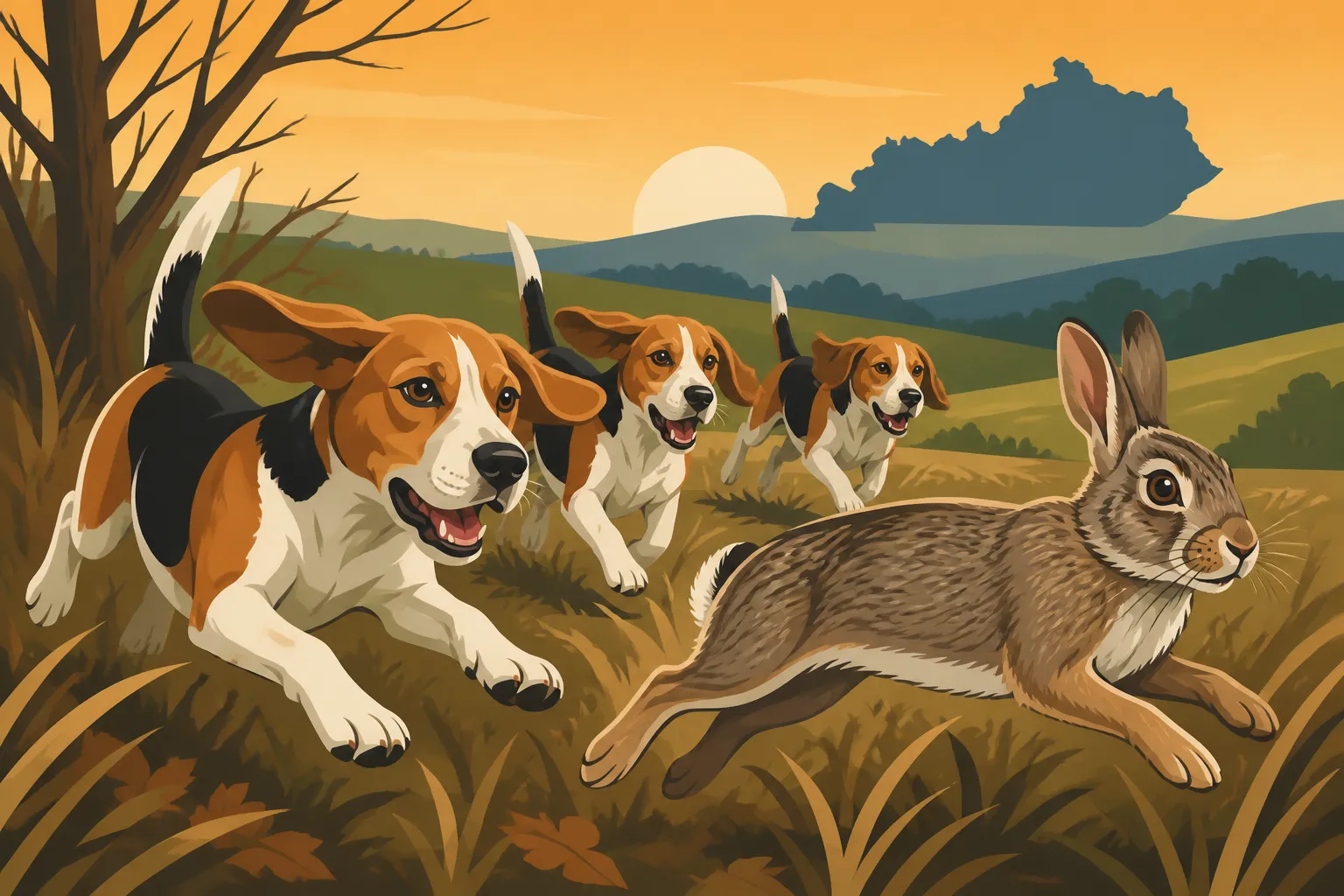
There’s a special kind of magic that happens when you unleash a pack of beagles into a briar patch on a crisp Kentucky morning. The baying of the hounds, the rustle of dry leaves, and then that sudden burst of speed as a cottontail explodes from cover – it’s a tradition steeped in excitement and camaraderie. But if you’ve ever tried to chase rabbits without dogs, you know it can feel like looking for a needle in a haystack. This guide is all about harnessing the incredible instincts of beagles to put more cottontails in your vest and experience the thrill of the chase that only these vocal little hounds can provide in Kentucky's diverse landscapes.
Understanding Kentucky Cottontail Behavior
Kentucky's cottontail rabbits are tenacious little creatures, and understanding their habits is the first step toward a successful hunt with beagles. They aren't just randomly hopping around; they have routines, preferred hideouts, and an uncanny ability to disappear into the densest cover. Knowing these patterns helps you predict where your dogs will find them and how the chase might unfold.
Cottontail Habitat Preferences
Cottontails are true masters of camouflage and cover. They thrive in what many people might consider "messy" landscapes – the kind of places where thick vegetation provides both food and protection from predators, including us hunters! Think of edges where different types of cover meet: a dense fencerow bordering an open field, a neglected corner of a farm with overgrown weeds and brush, or the tangled undergrowth along a creek bottom.
These rabbits crave transition zones. They love the safety of a thicket that's close to a reliable food source like clover, young sprouts, or agricultural crops. You'll often find them hunkered down in honeysuckle, multiflora rose, wild grapevines, and even patches of tall, tough grasses. The key is density; if you can't easily walk through it, a cottontail probably calls it home. This dense cover is their fortress, offering immediate refuge when a threat appears. They rely on it not just for hiding from overhead predators like hawks, but also from ground predators, and, of course, a pursuing pack of beagles.
Seasonal Movement and Diet
Just like deer and turkeys, Kentucky cottontails adjust their behavior with the seasons, though their movements are typically much more localized. In the warmer months, especially during spring and summer, rabbits are abundant and spread out. They have their pick of lush vegetation, and their young are numerous. As fall approaches and the leaves begin to drop, they concentrate more in the remaining thick cover. This is when How Long Kentucky's Rabbit Season Runs becomes a prime time, as the cooler weather and decreasing foliage make them more predictable and easier for dogs to root out.
Winter hunting can be especially productive, particularly after a fresh snowfall. Not only does the white blanket make spotting rabbits easier against the stark background, but it also reveals their tracks, giving you visual confirmation of their presence. During cold snaps, rabbits seek out even denser cover, often burrowing into brush piles, hollow logs, or even old groundhog holes to escape the chill. Their diet shifts from abundant green forage to bark, twigs, and dried grasses. Knowing these seasonal shifts allows you to adjust your focus, searching thicker cover in colder weather and being prepared for longer chases as rabbits stick closer to their most secure hideouts.
Reading Sign and Tracks
While your beagles will do most of the sniffing, knowing how to "read" the ground for rabbit sign can help you narrow down your search areas. Fresh tracks in mud, dust, or snow are a dead giveaway. Look for the distinctive "zigzag" pattern where their larger hind feet land ahead of their smaller front feet. You'll also often find small, round droppings, especially in areas where rabbits frequently feed or rest. These droppings are typically pea-sized and dark.
Beyond tracks and droppings, keep an eye out for clipped vegetation. Rabbits have a habit of making clean, angled cuts on twigs, small stems, and blades of grass, as opposed to the ragged tears left by deer. If you find small, well-worn trails leading into a thicket, especially where the vegetation is matted down, you've likely found a rabbit highway. Using tools like the GoHunt app can help you mark these potential hot spots on an aerial map, allowing you to return to them confidently when you bring your dogs. Identifying these signs before you release your dogs can save valuable time and help you focus your efforts on the most productive cover.
The Art of Running Beagles
Hunting with beagles isn't just about turning them loose and waiting for a shot. It's a partnership, a dance between human and hound that requires training, patience, and a deep understanding of your dogs. A well-trained pack makes for a more enjoyable and successful hunt, and it's a testament to the time and effort you invest in them.
Choosing and Training Your Beagle
Choosing the right beagle is a crucial first step. While many beagles have an inherent drive to chase, look for puppies from hunting lines known for their nose, stamina, and voice. When selecting a pup, observe their curiosity and boldness. Are they eager to explore and use their nose? Do they show a friendly, yet independent, demeanor? These traits often translate into a good hunting dog. You'll want a dog that's not afraid of heavy cover and has the lung power to bay loudly, letting you know the chase is on.
Training begins long before they ever see a live rabbit. Start with basic obedience: come, stay, and heel. This foundational training builds a bond of trust and allows for better control in the field. Introduce them to rabbit scent with hides or training aids. Gradually expose them to different types of cover. The most critical part of beagle training is encouraging them to use their nose and to run the track. This isn't about speed; it's about persistence. You want a dog that will stick to a rabbit's trail, unraveling its twists and turns, even when the scent is faint. Many experienced hunters start young dogs with older, more experienced dogs, allowing the youngsters to learn by example. Patience is key; some dogs pick it up quickly, while others need more time to develop their full potential.
Managing Your Pack in the Field
Managing a pack of beagles, whether it's two or five, is an art form. Before you even set foot in the field, ensure your dogs are in good physical condition, especially if you plan on hunting during How Kentucky's Archery Season Runs Into January or into the later part of the season when conditions can be tougher. They need proper nutrition and regular exercise to maintain the stamina required for a full day of chasing. Once in the field, communication is paramount. Your dogs need to know what's expected, and you need to understand what they're telling you.
When you release them, give them a chance to cast (spread out and search for scent). Listen to their barks. A short chop might indicate they've found a cold track, while a full, excited bay means they're hot on the trail. It's exhilarating to hear the chorus pick up as more dogs join the chase. Keep an eye on the terrain; if the chase goes over a ridge or into a deep hollow, move to a position where you can still hear them. Sometimes a rabbit will "hole up" in an underground burrow, in which case the dogs will usually gather around the entrance, barking frantically. This is a common occurrence, and it’s important to know when to call off the chase and move on, especially if the hole is too deep or dangerous for retrieval.
Reading Your Dogs' Behavior
Your beagles are constantly communicating with you, not just through their barks, but through their body language and the cadence of their voices. Learning to interpret these signals is critical for a successful hunt. When a beagle first hits a fresh track, you'll hear a sudden burst of excited yelps, rapidly transitioning into a deep, resonant bay as they confirm the scent. This is often referred to as "opening up." As the rabbit makes turns or doubles back, the dogs might "lose" the scent momentarily, and their barking will become more sporadic, often accompanied by frantic nose-to-the-ground searching.
When they pick up the trail again, the baying will become steady and strong once more, signaling that the chase is actively on. A full, rolling chorus means the entire pack is working together, pushing the rabbit. If the dogs suddenly become silent, it could mean one of a few things: they might have completely lost the trail, the rabbit might have gone to ground, or they might be out of earshot. Using a GPS collar, especially with an app like GoHunt that allows you to track your dog's movements on a map, can be invaluable for keeping tabs on them and understanding their movements in real-time, especially in dense cover or across unfamiliar terrain. Learning to distinguish between a cold trail, a hot chase, and a lost rabbit will greatly improve your effectiveness and help you decide when to reposition yourself or encourage your dogs to find new ground.
Prime Kentucky Cottontail Habitat and Tactics
Kentucky offers a wealth of habitat for cottontails, from rolling farmlands to thick creek bottoms. Knowing where to focus your efforts and having a few tactical approaches up your sleeve will significantly increase your odds of success. Remember, rabbits often circle back to their home range, which is a key factor in beagle hunting.
Hunting Fencerows and Brush Piles
Fencerows are absolute magnets for rabbits. They provide an excellent travel corridor, a constant source of food, and dense cover from predators. In Kentucky's agricultural areas, these linear strips of brush, multiflora rose, and overgrown saplings become superhighways for cottontails moving between feeding areas and bedding cover. When hunting fencerows with beagles, position your hunters strategically. One or two hunters should walk slowly along the fencerow itself, keeping pace with the dogs, while other hunters can post at either end or along anticipated escape routes. The idea is to have the dogs push the rabbit along the fencerow or out into a more open area where it can be seen. This type of hunting requires good communication among hunters to ensure safety and effective coverage. For more insights on this specific approach, check out Rabbit Hunting Kentucky Fencerows.
Brush piles, whether natural or man-made, are also prime rabbit real estate. These tangled messes offer maximum protection and are often used as refuge during cold weather. Your beagles will be crucial here, as they can penetrate the deepest parts of the pile, often flushing out rabbits that a human hunter would walk right past. If a rabbit bolts from a brush pile, it will often run in a wide circle, eventually trying to return to the perceived safety of its initial hideout. This is the beauty of beagle hunting: the dogs keep the rabbit moving in a circle, bringing it back around to the waiting hunters. Always be aware of your surroundings and the direction of the chase, anticipating where the rabbit might emerge.
Working Cut-overs and Thickets
Beyond fencerows and brush piles, vast tracts of cut-over timber and large, impenetrable thickets are fantastic places to find rabbits in Kentucky. These areas, particularly common in parts of Eastern Kentucky where logging is prevalent, offer new growth that attracts rabbits, along with an abundance of downed timber and dense regrowth for cover. Early successional habitat is key for the Kentucky Cottontail Population Trend, and clear-cuts often provide just that. Hunting these areas requires stamina, both for you and your dogs, as the terrain can be challenging.
When working cut-overs, don't be afraid to let your dogs roam and explore. These areas often hold multiple rabbits, and the dogs can work a larger area more efficiently than a line of hunters. As the dogs start a chase, listen closely to their direction. Rabbits in these large thickets might make bigger circles, so hunters need to be mobile, moving to intercept the rabbit as it's pushed by the dogs. Always be mindful of safety, especially when multiple hunters are present in dense cover. Maintain good situational awareness and know where your hunting partners are at all times.
Navigating Private and Public Lands
Finding quality rabbit hunting spots in Kentucky often involves navigating both public and private land. Many of the best rabbit habitats are found on private farms, making Hunting Small Private Tracts in Kentucky a common practice. Obtaining permission from landowners is paramount and should always be done respectfully and in advance. A good relationship with a farmer can lead to years of productive hunting. Be sure to ask about any specific rules they might have regarding gates, fences, or where to park.
Kentucky also offers public land opportunities for rabbit hunting, including various Wildlife Management Areas (WMAs) and portions of the Daniel Boone National Forest. These areas often feature excellent early successional habitat and plenty of thick cover. Before heading out, always consult the Kentucky Department of Fish and Wildlife Resources (KDFWR) regulations for the specific WMA you plan to hunt, as some areas may have special rules or closures. Using a mapping application like GoHunt or similar tools to study aerial photos can help you scout for ideal rabbit cover like fencerows, regenerating clear-cuts, and creek bottoms on public land. This preliminary scouting, much like Reading Aerial Photos for Eastern Kentucky Deer, can save you a lot of boot leather and put you on productive ground faster.
Essential Gear and Safety for Beagle Hunters
A successful and safe rabbit hunt with beagles isn't just about the dogs; it's also about being properly equipped and prioritizing safety for everyone involved. Investing in the right gear can make your day more comfortable, your dogs safer, and the overall experience more enjoyable.
Dog Equipment and Care
Your beagles are your partners, and their well-being is crucial. A good quality collar with proper identification tags is non-negotiable. Consider GPS collars, especially if your dogs tend to range far or you're hunting in thick cover where they can easily disappear from sight. Brands like Garmin Alpha or SportDOG offer excellent tracking capabilities, often integrating with smartphone apps. These can be lifesavers when a dog gets lost or the chase leads them out of earshot.
When running beagles, they are exposed to briars, thorns, and sharp sticks. Investing in protective vests or skid plates for your dogs can prevent nasty cuts and scrapes. These vests, often made from durable Cordura or similar materials, protect their chest and belly, which are most vulnerable. Carry a small first-aid kit specifically for your dogs, including antiseptic wipes, vet wrap, and tweezers for removing thorns. Hydration is also key; carry plenty of water and a portable bowl for your dogs, especially on longer hunts or warmer days. A tired, dehydrated dog is a less effective and more vulnerable dog.
Hunter Apparel and Firearms
For hunters, appropriate clothing is essential. You'll be pushing through briars and thickets, so durable, briar-resistant pants or chaps are a must. Many seasoned rabbit hunters opt for canvas, heavy denim, or specialized briar-proof hunting pants. A good Upland Vests With Water Capacity is highly recommended; it provides ample storage for extra shells, water, a first-aid kit, and of course, a few rabbits. The vest often features a game bag in the back, making it easy to carry your harvest.
Blaze orange is not just a suggestion; it's a critical safety requirement for small game hunting in Kentucky when gun seasons for deer are also open. Even outside of deer season, wearing blaze orange or blaze pink is a wise choice to ensure you're visible to other hunters and your hunting partners. Check the Kentucky Small Game Season Rules for specific blaze orange requirements. For firearms, a lightweight shotgun is generally preferred. Twenty-gauge shotguns are popular for their balance of power and maneuverability, but 12-gauge and even .410s have their proponents. Use appropriate Shot Size for Squirrel and Rabbit, typically 6 or 7.5, which provides a good pattern for quick, close-range shots at moving targets.
Safety on the Hunt
Safety is always the top priority. Before heading out, ensure everyone in your hunting party understands the plan, including where hunters will be positioned and anticipated rabbit routes. Establish clear communication signals, whether hand signals or verbal commands. Always know where your hunting partners are located, especially in dense cover where visibility is limited. Never swing your firearm outside your safe zone of fire, and always identify your target and what is beyond it before pulling the trigger.
Be mindful of the terrain. Kentucky's landscape can be uneven, with hidden holes, slippery creek banks, and steep inclines. Watch your footing, especially when excited by a chase. If hunting on private land, be respectful of property lines and any livestock. Double-check your Kentucky Hunter Education Requirements to ensure you're up-to-date on all safety protocols. And perhaps most importantly, after the hunt, ensure your dogs are fed, watered, and checked thoroughly for any injuries or ticks. A safe hunt is a successful hunt, regardless of the bag limit.
Disclaimer
The information provided in this guide is for general informational purposes only and does not constitute legal advice. Hunting regulations and conditions can change rapidly. Always consult the official Kentucky Department of Fish and Wildlife Resources (KDFWR) regulations and local ordinances before engaging in any hunting activities. User assumes all risk for use of this information.