Hunting a Cow Firearm Elk Season
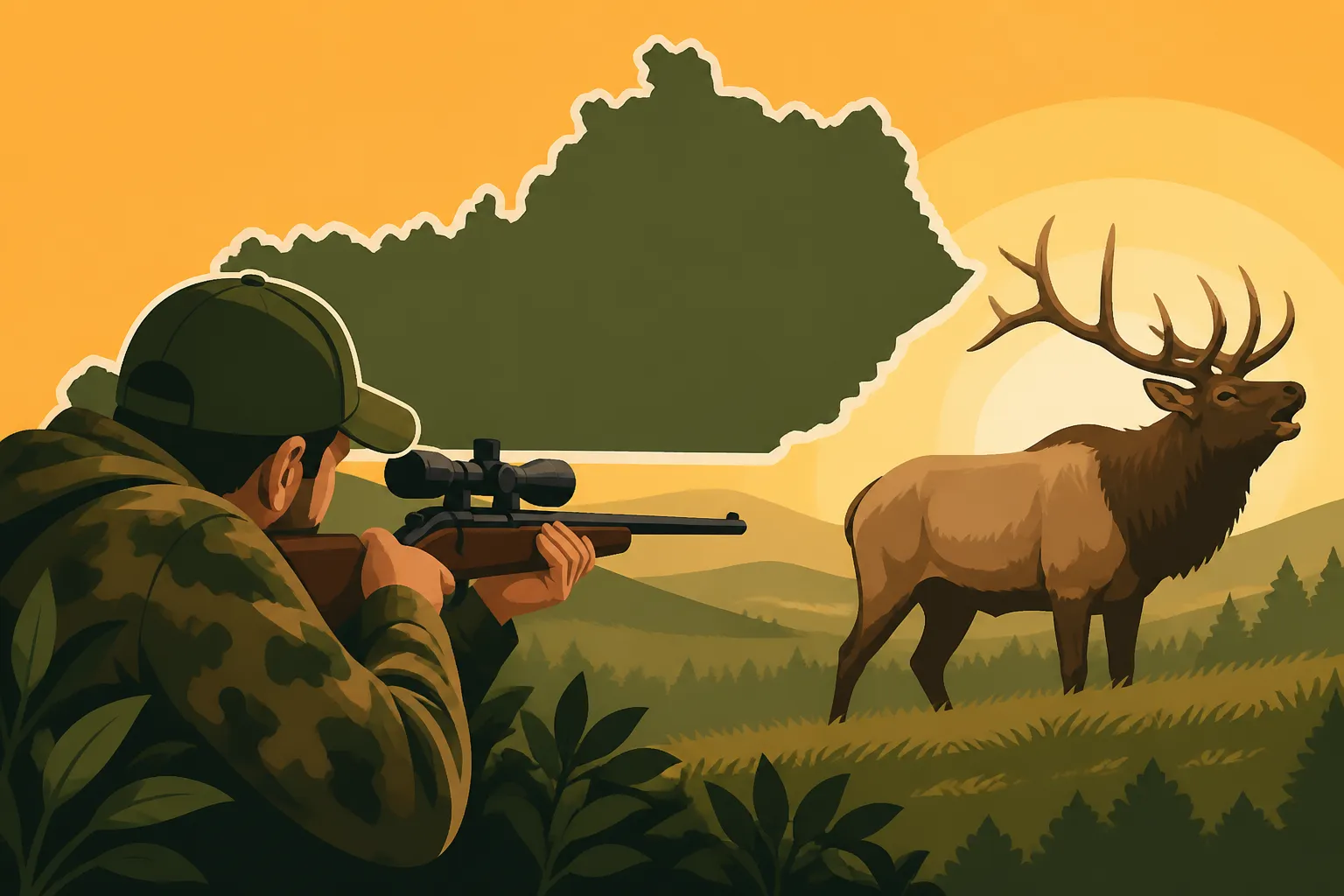
Drawing a coveted Kentucky elk tag, even a cow permit, is an incredible opportunity that many hunters dream of. However, actually putting a strategy together, especially for a firearm season targeting cows, can feel like a daunting task, leaving many folks wondering where to even begin. This guide is dedicated to walking you through the ins and outs of planning, executing, and successfully enjoying your Kentucky cow firearm elk hunt, from understanding the regulations to field care after the shot.
Understanding Kentucky's Cow Elk Firearm Season
Getting a tag for Kentucky's elk herd is a special privilege, and hunting a cow during the firearm season offers a fantastic chance to fill your freezer while still enjoying the thrill of the chase. Many hunters initially focus solely on bulls, but a cow tag can often present a more attainable, yet equally rewarding, experience.
Season Dates and Permit Specifics
Kentucky's elk seasons are structured quite carefully, and cow firearm tags typically fall within specific windows to help manage herd numbers effectively. These dates can shift slightly year to year, so your very first step, even before you start packing, is to check the current year's Kentucky Department of Fish and Wildlife Resources (KDFWR) hunting guide. These permits are awarded through a rigorous draw system, so if you're reading this, you've already overcome a significant hurdle in Applying for a Kentucky Elk Permit.
The cow firearm season generally allows for the use of modern firearms, which is a major advantage in the rugged terrain of the elk zone. Unlike archery seasons where you might be limited to close encounters, a firearm extends your effective range significantly, which can be crucial when trying to close the distance on a wary cow in open or broken country. Remember that the specific weapon types and calibers allowed are also detailed in the KDFWR regulations, so always double-check.
Why Hunt a Cow Elk Permit
There's a common misconception that hunting a cow is somehow "lesser" than hunting a bull. Let me tell you, that couldn't be further from the truth. A cow elk offers an incredible amount of lean, delicious meat – often much more than a large deer – making it an excellent opportunity for filling your freezer. For many, this is the primary driver behind applying for a cow permit, and for good reason!
Beyond the meat, hunting cow elk provides an invaluable learning experience. You'll develop critical skills in tracking, glassing, and silent movement in elk country, without the added pressure or singular focus on antlers. This experience is transferable; the lessons you learn about elk behavior, herd dynamics, and navigating the challenging terrain of places like the Daniel Boone National Forest will make you a much more effective hunter, whether you're chasing a bull next year or even deer in the same general area. It's a fantastic way to gain confidence and familiarity with these magnificent animals.
Elk Zone Overview and Unit Selection
Kentucky boasts the largest elk herd east of the Mississippi River, and the hunting takes place within the designated Elk Restoration Zone, primarily situated in the rugged, reclaimed coalfields of Eastern Kentucky. This area covers a significant portion of the state, so understanding Kentucky's Seven Elk Hunting Units is paramount. Each unit has its own unique characteristics, from dense timber pockets to sprawling, open reclaimed mine lands.
Before you even think about hitting the woods, pull out your maps. Satellite imagery from tools like GoHunt can be incredibly helpful for identifying potential bedding areas, travel corridors, and feeding grounds within your specific unit. Look for areas with a mix of cover and open ground, as cows tend to utilize these edges, moving from thick timber for security to more open areas for grazing. Identifying these key habitat types within your permitted unit will drastically improve your chances of success.
Strategies for Locating and Approaching Cow Elk
Locating elk, especially cows, can be a challenge. They tend to be quieter than bulls, particularly outside of the rut, and their primary focus is often on feeding and seeking security. Successful cow hunting relies heavily on patient observation and strategic movement.
Scouting for Cow Elk Sign
Pre-season scouting is always a good idea, but even if you can't get boots on the ground months in advance, a few days before your hunt can make a world of difference. When you're out there, you're looking for fresh sign: tracks, droppings, rubs (though less common with cows, they might still use trees to scratch), and active feeding areas. Pay close attention to trails leading from dense cover to open fields or clear-cuts. Elk are creatures of habit, and they will often use the same travel routes.
While you might not hear bugling during a cow firearm season, listen for subtle sounds like distant chirps or mews, which can indicate the presence of a herd. Using a mapping application like GoHunt to mark any sign you find is critical. Over time, these marked locations will start to paint a picture of elk movement patterns within your hunting area. Also, consider the seasonal food sources; in late fall or early winter, cows will be focused on finding available forage, whether that's acorns, green browse, or agricultural crops adjacent to the elk zone.
Still-Hunting and Spot-and-Stalk Tactics
The terrain in Kentucky's elk zone, especially in the Eastern Kentucky Coalfields, often lends itself well to a combination of still-hunting and spot-and-stalk tactics. Still-hunting involves moving very slowly and deliberately, stopping frequently to scan your surroundings, listening for any sounds, and looking for subtle movements. This is particularly effective in areas with broken timber or rolling hills where visibility is limited.
When you find an area with good sign or spot elk at a distance, that's when the spot-and-stalk comes into play. This involves using your binoculars or a spotting scope to identify individual animals, assess their behavior, and then carefully plan an approach. Utilize terrain features, thick cover, and wind direction to get as close as possible without being detected. Remember, a cow elk might not be as focused on dominant displays as a bull, but they are incredibly alert and their survival depends on detecting threats early. Glassing an Elk Restoration Zone Meadow from a distance is a fantastic way to locate animals without alerting them.
Reading Elk Behavior and Movement
Elk behavior, especially outside the rut, revolves around safety, food, and water. Cows typically stick together in herds, often with their calves and yearlings. These herds will move through their home range, bedding down in thick cover during the day and moving out to feed during dawn and dusk. Understanding these patterns is key. If you locate a herd at last light, chances are they'll be in the same general area the next morning.
Wind direction is absolutely critical when hunting elk. Their sense of smell is incredibly keen, and they will bust you long before they see you if the wind is wrong. Always approach from downwind, even if it means taking a longer, more circuitous route. Pay attention to thermals in the mountains; rising air currents in the morning and sinking currents in the evening can carry your scent in unexpected directions. Learning to read these natural air movements, much like when Wind and Thermals on a Kentucky Ridge are influencing deer movement, is a skill that will pay dividends.
Essential Gear and Considerations for a Successful Hunt
Having the right gear won't guarantee success, but it will certainly make your hunt more comfortable, safer, and increase your odds. The rugged landscape and unpredictable Kentucky weather demand thoughtful preparation.
Rifle and Ammunition Choices
When it comes to rifle choice for elk, you'll want something with enough power to ethically take down a large animal like a cow elk. While a .270 Winchester can certainly do the job with proper shot placement, many hunters prefer calibers in the .30-06 Springfield, .300 Winchester Magnum, or 7mm Remington Magnum class. For those looking for a modern touch, the 6.5 Creedmoor can be effective, but bullet choice is paramount. The key is using a quality, heavy-for-caliber bullet designed for deep penetration and controlled expansion, such as those from Federal, Hornady, or Barnes.
Accuracy is more important than raw power. Practice shooting from various positions – standing, kneeling, prone – as you might not always have a perfect bench rest opportunity in the field. Know your rifle's capabilities and your own limitations. Ethical shot placement, aiming for the lung/heart area, is always the goal, and understanding the Rifle Calibers for Kentucky Elk best suited for the task is crucial.
| Caliber | Pros | Cons | Typical Effective Range (yards) |
|---|---|---|---|
| .270 Winchester | Excellent accuracy, manageable recoil | Lighter bullet weight can reduce penetration | 300-400 |
| .30-06 Springfield | Versatile, common, good energy | Can have significant recoil for some | 350-450 |
| .300 Win. Magnum | High energy, flat trajectory | Heavy recoil, expensive ammo | 400-500+ |
| 7mm Rem. Magnum | Excellent ballistics, good energy | Heavy recoil, expensive ammo | 400-500+ |
| 6.5 Creedmoor | Low recoil, high accuracy, flat trajectory | Requires premium, heavier bullets for elk | 250-350 |
Optics for Glassing Open Areas
Kentucky's elk country can be a mix of dense timber and wide-open spaces, particularly on reclaimed mine land. High-quality optics are your best friend for spotting distant elk before they spot you. A good pair of 10×42 or 12×50 binoculars are essential. Spend time thoroughly glassing potential feeding and bedding areas, slowly scanning for movement or a tell-tale patch of brown hair against the landscape. A tripod for your binoculars can drastically reduce fatigue and allow for much steadier, more thorough glassing, especially when covering large expanses.
A spotting scope can also be invaluable if you anticipate long-range glassing opportunities or need to discern if that distant brown patch is a rock or an elk. Look for optics with good low-light performance, as elk are most active during dawn and dusk. Remember the advice on Optics for Glassing Reclaimed Mine Land; a quality setup here will make a huge difference. Don't forget a rangefinder, either, as accurately knowing your distance is vital for making an ethical shot.
Clothing and Footwear for Rugged Terrain
The Eastern Kentucky terrain is no joke. You'll likely encounter steep climbs, slick slopes, and thick brush. Durable, comfortable, and waterproof hiking boots with good ankle support are non-negotiable. Break them in well before your hunt to avoid blisters. Layering your clothing is also critical for Kentucky's often unpredictable weather. You might start your morning in freezing temperatures, only for it to warm up considerably by midday.
A good base layer to wick away moisture, an insulating mid-layer (fleece or wool), and a waterproof/windproof outer shell will keep you comfortable. Don't forget blaze orange, as it's typically required during firearm seasons. A lightweight, comfortable pack will be essential to carry all your Packs for a Daniel Boone Forest Day Hunt essentials: water, snacks, first-aid kit, extra layers, and field dressing supplies. Dehydration and exposure can quickly turn a great hunt into a miserable one, so prepare accordingly.
Post-Harvest Logistics and Regulations
Successfully harvesting an elk is an incredible achievement, but the work isn't over. Proper field care, retrieval, and reporting are just as important as the hunt itself.
Field Dressing and Meat Care
An elk is a large animal, much larger than most deer you might be used to. Field dressing an elk requires quick and efficient work, especially if temperatures are mild. Getting the hide off and the meat cooled down as rapidly as possible is crucial to preserving the quality of the venison. You'll need a sharp, sturdy knife or two, a bone saw if you plan to split the sternum or pelvis, and game bags to protect the meat from dirt and insects once it's quartered.
Many hunters opt for the "gutless method" for elk, especially in remote or rugged terrain. This involves quartering the animal and deboning the meat in the field, leaving the gut pile intact. This significantly reduces the weight you need to pack out. Remember that even in colder weather, a large animal like an elk retains a lot of body heat, so cooling is paramount. For more detailed tips, adapting advice from Field Dressing a Deer in Cold Weather can be very helpful, but be prepared for a much larger scale operation.
Recovering Your Harvest
Unlike deer, you're not usually dragging an entire elk out of the woods. The sheer size and weight make this impractical, especially in steep country. Having a plan for recovery before you pull the trigger is essential. This might involve quartering the animal and packing it out in multiple trips, or having friends and pack frames ready to assist. Many dedicated elk hunters use large, heavy-duty game bags and sturdy backpack frames designed to carry hundreds of pounds.
If you're hunting in particularly remote or difficult-to-access areas, consider the logistics of getting your animal out. Some parts of the elk zone are accessible by ATV, but many are not. Know your physical limits and plan accordingly. It's often better to make multiple trips with lighter loads than to risk injury or spoil meat by attempting too much at once.
Telecheck and Reporting Requirements
After you've recovered your cow elk, the next critical step is to report your harvest. Kentucky utilizes a Telecheck system, where you report your harvest either online or by phone. It's imperative that you understand and follow the Telechecking a Kentucky Deer Harvest rules, which also apply to elk, ensuring your harvest is legally documented. Make sure you have your permit number and the necessary information about your harvest (date, county, sex of animal, etc.) readily available.
Failing to report your harvest promptly can result in penalties. The KDFWR uses harvest data to manage the elk herd, set future quotas, and ensure the long-term health and sustainability of Kentucky's elk population, which is something we all want to see continue to thrive. So, do your part and report your success!
Disclaimer
Hunting is an inherently dangerous activity. This guide provides general information and recommendations. Always consult the most current Kentucky Department of Fish and Wildlife Resources (KDFWR) regulations, obtain all necessary licenses and permits, and prioritize safety above all else. The author and publisher are not responsible for any accidents, injuries, or legal infractions that may occur.