Kentucky Deer Camp Traditions
For many of us, deer camp isn't just a place to hunt; it's a sacred annual pilgrimage. The long days afield chasing whitetails in Kentucky's diverse landscapes are only half the story. The other, equally important half, is the camaraderie, the shared meals, and the timeless traditions forged around a crackling fire or over a worn-out poker table, creating memories that last a lifetime. This guide dives deep into what makes Kentucky deer camp so special, from setting up to sharing stories and passing on the legacy.
The Enduring Spirit of Kentucky Deer Camp
There’s something uniquely American, and distinctly Kentuckian, about deer camp. It's more than just a place to sleep; it’s a temporary home built on shared passion, hard work, and the pursuit of whitetails. The spirit of deer camp often feels like a step back in time, a much-needed respite from the hustle and bustle of modern life, even as modern tools and amenities creep in around the edges.
Why Deer Camp Holds Such a Special Place
For generations, deer camp has been the anchor of the hunting season. It’s where fathers teach sons, mothers teach daughters, and friendships are forged or rekindled over the shared anticipation of dawn and the recounting of the day’s adventures. The collective knowledge passed down, from tracking techniques to processing game, is invaluable. This isn't just about bagging a deer; it's about connecting with nature, with history, and with the people who matter most. It’s a place where everyone has a role, from the early riser scouting a new ridge to the camp cook whipping up a hearty breakfast.
The feeling of stepping out of the truck and smelling the damp earth, pine needles, and a faint whiff of campfire smoke, even before one is lit, is ingrained in many hunters. It’s a sensory experience that instantly transports you. For many, it's the only time they truly disconnect from screens and schedules, embracing a simpler, more primal existence for a few days or a week. There's a shared understanding that comes from struggling up a steep hollow, enduring a cold, wet sit, or the sheer joy of seeing a young hunter harvest their first deer. These are the moments that truly define Kentucky deer camp.
Evolution from Rustic to Practical Comfort
While the spirit remains timeless, the physical aspects of deer camp have certainly evolved. Back in the day, deer camp might have been little more than a lean-to or a few tents pitched in the backcountry. Cooking was over an open fire, and comfort was a luxury, not an expectation. We've all heard the stories, or perhaps lived them ourselves, of sleeping bags soaked through by an unexpected downpour or waking up to frost inside the tent. Those "character-building" moments, as some affectionately call them, were part of the charm, though perhaps less charming at the time!
Today, while some purists still embrace the primitive, many camps strike a balance between tradition and practicality. You might find campers ranging from rustic wall tents with wood-burning stoves to travel trailers and even small cabins. The goal isn't necessarily luxury, but rather to make the post-hunt experience less about enduring discomfort and more about recharging for the next day. Portable power stations, propane heaters, and even Wi-Fi hotspots for checking weather or using scouting apps like GoHunt are not uncommon. This evolution allows hunters to focus more on the hunt itself and the camaraderie, rather than battling the elements or struggling with basic necessities. It acknowledges that while we love the ruggedness of the hunt, a little comfort back at base camp goes a long way towards a more enjoyable overall experience.
Building Your Kentucky Deer Camp Base
Setting up a functional and comfortable deer camp is an art form. It requires careful planning, especially when dealing with unpredictable Kentucky weather and diverse terrains. A good base camp is your sanctuary, a place to dry out, warm up, and fuel up, ensuring you're ready to hit the woods hard day after day.
Choosing the Perfect Location for Camp
Location, location, location! Just like real estate, where you put your deer camp can make or break the experience. For those with private land, the options are often more straightforward, focusing on access, water sources, and proximity to prime hunting spots. But for public land hunters, it’s a bit more of a puzzle. You want to be close enough to your hunting grounds to minimize travel time, but far enough away from heavily trafficked areas to maintain some peace and privacy. Nobody wants to be woken up by a vehicle pulling in at 3 AM right next to their tent.
Often, hunters utilize tools like the Kentucky Hunt Fish App or services like GoHunt to scout potential camp locations. They're looking for flat ground, good drainage, access to potable water (or a plan to bring it in), and areas that offer some natural shelter from wind or rain. Remember that on many public lands, designated camping areas are required, so always check the specific rules for the Daniel Boone National Forest, Land Between the Lakes, or any specific Kentucky Wildlife Management Areas you plan to use. Consider areas near logging roads or old clear-cuts that might offer natural funnels for deer movement, making your walk to the stand a little less arduous.
Essential Camp Accommodations
Your choice of accommodations will largely dictate your comfort level. For many, a classic canvas wall tent remains the quintessential deer camp shelter. These tents, especially when paired with a small wood stove, offer surprising warmth and a nostalgic ambiance that modern tents sometimes lack. The ritual of chopping wood and tending a fire truly adds to the camp experience. However, they are heavy and take time to set up and take down.
Modern dome or cabin-style tents offer lighter, quicker-to-pitch options, often with better waterproofing and ventilation. When choosing a tent, always err on the side of larger capacity than you think you need; gear takes up a lot of space. For those who prefer more solid walls, a travel trailer or pop-up camper can provide all the comforts of home, including kitchens and bathrooms, which are game-changers on a long hunt. Some hunters even invest in small, semi-permanent cabins on leased land, which become cherished family retreats. Regardless of your choice, ensure it can withstand Kentucky's diverse weather, from frosty mornings to unexpected downpours.
Gear That Makes Camp Life Easier
Beyond the shelter itself, a host of gear transforms a basic campsite into a true deer camp. Think about cooking. A robust camp stove (propane or multi-fuel) is a must for whipping up hot meals, but don't forget cast iron skillets – they're worth their weight in gold for durability and even heating. A large cooler, or even several, is crucial for food storage and, of course, for keeping that hard-earned venison cool, especially when practicing Field Dressing a Deer in Cold Weather.
Lighting is also critical; headlamps for individual use are obvious, but a good lantern for the main camp area makes evenings much more pleasant. Foldable tables and chairs provide a comfortable spot to eat, play cards, and share stories. And don't forget the small but mighty items: a reliable first-aid kit, a sturdy axe or saw for firewood, plenty of water storage, and a portable power bank for charging phones or other electronics. For those really embracing the rough-and-tumble, a deer drag or game cart can be a lifesaver when you're faced with Dragging a Deer Out of a Steep Hollow from a remote ridge back to camp.
The Rhythms of Camp Life: Hunt, Eat, Share
Deer camp life settles into its own unique rhythm. Days are structured around the hunt, but the time spent outside the stand is equally important, fostering the bonds that make camp so memorable. It’s a dance between intense focus in the woods and relaxed conviviality back at base.
Pre-Dawn Preparations and Post-Hunt Gatherings
The alarm clock at deer camp often sounds before any hint of dawn, a jarring interruption to a fitful night's sleep. But the promise of the hunt quickly overrides the desire for more sleep. The pre-dawn routine is a silent ballet: coffee brewing, quick, hearty breakfasts (oatmeal, bacon, eggs – anything to stick to your ribs!), and the careful donning of layers. There’s a quiet intensity as everyone checks their gear, loads their packs, and slips out into the predawn darkness, perhaps reviewing a new entry route found on GoHunt to get to a stand without disturbing the bedding area. This is where the individual hunter's focus takes over, whether they're heading for a treestand to try Hanging a Stand on an Eastern Kentucky Ridge or planning a strategic still-hunt.
The post-hunt gathering, however, is where the energy shifts. As hunters trickle back into camp, whether successful or empty-handed, the stories begin. "Saw a big ten-point, but he was just out of range!" "Missed a doe with the bow." "Didn't see a thing, but the sunrise was incredible." There’s a palpable sense of relief as the cold fades, and the warmth of the fire and company takes over. If someone was successful, the real work begins: bringing the deer back to camp, often involving teamwork, and then the careful process of Butchering a Deer at Camp, transforming the harvest into food. It’s a collective effort, a celebration of the hunt and a reminder of the purpose behind it all. Later, you'll need to remember to Telechecking a Kentucky Deer Harvest before the deadline.
The Camp Cook and Shared Meals
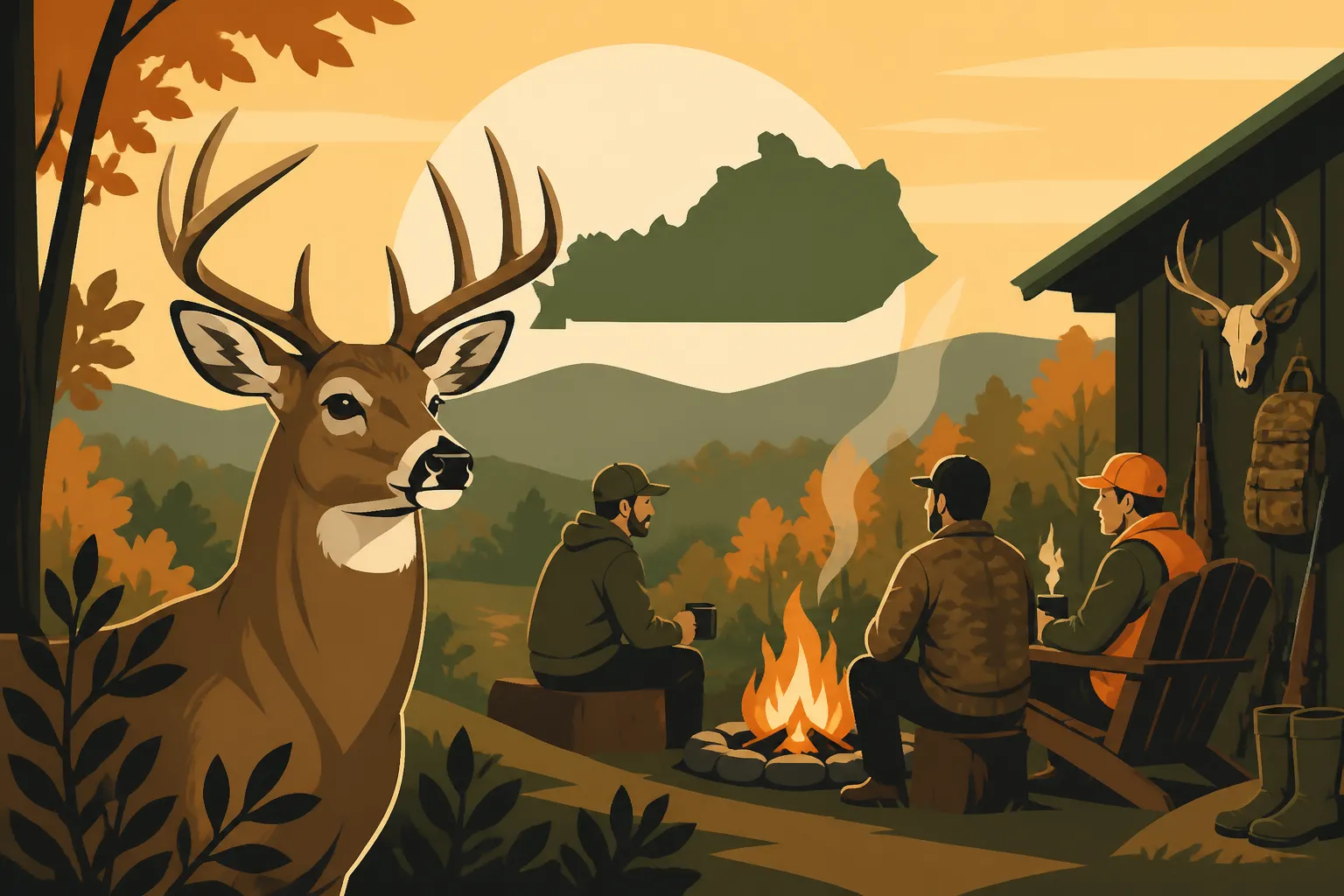
Ah, the camp cook! Every good deer camp has one, whether it's a rotating duty or one dedicated soul who takes pride in feeding the hungry hunters. The food at deer camp isn't gourmet, but it's always hearty, satisfying, and cooked with love. Think chili, stew, massive pots of spaghetti, grilled venison backstraps, or even just hot dogs and beans. These meals aren’t just about sustenance; they’re central to the camp experience. Everyone gathers around the table, or the campfire, sharing the day's tales and anticipating the next hunt.
One of the most cherished traditions is the collective meal after a successful harvest. Nothing tastes better than fresh venison cooked right there at camp, a direct result of the effort put in. It's a primal connection to the land and the animal, a moment of gratitude and shared bounty. These meals often linger long into the evening, filled with laughter, friendly banter, and the kind of deep conversation that only happens when people are truly relaxed and disconnected from the outside world.
Tall Tales, Lessons, and Lifelong Memories
What would deer camp be without the stories? They flow freely around the campfire, fueled by coffee or something a little stronger, and they get better with each retelling. The near misses become epic encounters, the small bucks grow into monsters, and the arduous climbs transform into heroic feats. These tall tales are part of the fun, but amidst the embellishments are genuine lessons learned: how to read a particular ridge, the best Cold-Weather Sitting Strategy in Kentucky, or the subtle signs that indicate a mature buck's presence.
| Deer Camp Aspect | Traditional Approach | Modern Approach |
|---|---|---|
| Shelter | Canvas wall tent, lean-to | Modern dome tent, travel trailer, small cabin |
| Cooking | Open fire, cast iron | Propane stove, portable grill, electric appliances |
| Lighting | Lanterns (kerosene/gas), campfire | LED lanterns, battery-powered headlamps, solar lights |
| Navigation/Scouting | Paper maps, compass, local knowledge | GPS devices, smartphone apps (GoHunt), aerial imagery |
| Communication | Yelling, pre-arranged meeting spots | Two-way radios, cell phones (if service) |
| Meat Care | Hang in cool shed/tree, ice chest | Refrigerated trailer, larger coolers, game bags |
| Entertainment | Card games, storytelling, campfire songs | Portable speakers, movies (if power/signal), books |
These shared stories and lessons solidify bonds and create a sense of belonging. They’re how experience is passed down, connecting past generations of hunters to the present. The frustration of a missed shot or the awe of witnessing a sunrise from a quiet stand – these are the moments that become the fabric of deer camp lore, etched into memory and recalled with fondness years later. For many, these memories are the true trophy of the hunt.
Passing the Torch: Mentoring in Deer Camp
Deer camp isn't just about what you harvest; it's about what you cultivate. For many seasoned hunters, the greatest joy comes from introducing new blood to the traditions, teaching them not just how to hunt, but how to appreciate the entire experience. This is especially true for young hunters, who represent the future of our hunting heritage.
Welcoming and Teaching Young Hunters
Bringing a new, young hunter into deer camp is a profound responsibility and an immense privilege. It's an opportunity to instill not just hunting skills, but also respect for nature, ethical conduct, and a strong sense of personal responsibility. For many kids, their first time at deer camp is an overwhelming sensory experience: the smells of the woods, the sounds of wildlife, the crackle of the fire, and the constant chatter of experienced hunters. It can be a lot to take in!
Mentoring a young hunter isn't just about putting them in a stand. It involves teaching them gun safety, patiently explaining the nuances of tracking, identifying different animal signs, and understanding the importance of scent control and wind direction. It’s about explaining why we follow rules like those covered in Kentucky Hunter Education Requirements and why it's vital to respect the animal. Some of the most poignant moments at deer camp involve watching a young person's eyes light up when they spot their first deer or hear a distant gobble during deer season. The ultimate goal is to foster a lifelong passion, not just for hunting, but for conservation and the outdoors. Remember, Kentucky even has specific windows like the Kentucky Youth Firearms Season Rules designed to encourage this very thing.
Instilling Responsibility and Ethics
Deer camp is a living classroom where ethics and responsibility are learned firsthand. From the moment a young hunter steps foot in camp, they are absorbing the behaviors and attitudes of the older generation. This means teaching them about ethical shot placement, proper game recovery, and the regulations around Kentucky Hunting Licenses and What They Cost. It's about understanding that a successful hunt doesn't end with the shot; it extends to respectfully processing the animal and ensuring every edible piece is utilized.
It's also about understanding the impact of hunting pressure and how to navigate public lands respectfully. Hunters often discuss how to minimize their footprint, how to scout effectively to find ground others walk past, and how to avoid impacting other hunters' experiences. Instilling this deep sense of responsibility ensures that future generations will carry on the tradition with integrity and respect, safeguarding hunting for years to come.
The Future of Deer Camp and Kentucky Hunting
The future of deer camp, and indeed hunting in Kentucky, rests on these traditions of mentorship and shared experience. As society becomes more urbanized and disconnected from nature, the role of deer camp in preserving hunting heritage becomes even more critical. It’s a place where new hunters can learn to appreciate the entire cycle, from Scouting Kentucky Public Land Before Season to the satisfaction of sharing venison with family and friends.
Embracing new technologies, like advanced GPS apps and trail cameras, can enhance the experience, but they should never overshadow the core values of camaraderie, respect, and connection to the land. Deer camps today might be a mix of seasoned veterans and eager newcomers, using a blend of old wisdom and new tools. The enduring constant will always be the shared passion for the hunt, the stories told, and the bonds strengthened around the glowing embers of a campfire under a vast Kentucky sky. These traditions are the heartbeat of Kentucky hunting, ensuring that the legacy of deer camp continues for generations to come.
Disclaimer
Please remember that hunting regulations, seasons, and licensing requirements can change. Always consult the most current Kentucky Department of Fish and Wildlife Resources (KDFWR) regulations before planning any hunting trip. This guide is for informational purposes only and should not be considered a substitute for official KDFWR publications or professional advice.