Hunting the Late-Season January Lull
January hunting in Kentucky can feel like you've hit a brick wall. The frenetic energy of the rut is a distant memory, the woods are stark and quiet, and deer seem to have vanished into thin air, leaving many hunters scratching their heads about where to even begin. This guide is dedicated to dissecting the unique challenges of the late-season January lull and equipping you with the tactics, knowledge, and sheer mental fortitude needed to punch a tag when most others have already packed it in for the year.
Deciphering the January Lull: Why Deer Behavior Shifts
As the calendar turns to January, the Kentucky deer woods undergo a dramatic transformation. The abundant food sources of fall have dwindled, breeding activity has ceased, and the accumulated pressure from months of hunting has pushed deer into a state of heightened caution. Understanding these fundamental shifts in deer behavior is the first critical step to finding success during this challenging period. It's not about hoping for a repeat of November; it's about adapting to the new reality.
Post-Rut Exhaustion and Recovery
The rut, that glorious period of chasing and breeding, takes an immense toll on white-tailed deer, especially the bucks. By January, a mature buck might have lost 20-30% of his body weight, his fat reserves depleted from relentless pursuit of does. Does, too, are recovering from the intensity of the breeding season and are now focusing on regaining strength for the upcoming fawning period. Their bodies are calling for one thing: calories.
This physiological exhaustion means their primary focus shifts entirely to survival. They become incredibly efficient at conserving energy, often moving only as much as necessary to feed and bed. Daytime movement, especially for bucks, significantly decreases, making them much harder to spot. They're not actively seeking does, and their natural curiosity has taken a backseat to the basic needs of eating and resting. You're no longer relying on rut-induced recklessness; you're playing a much more subtle and demanding game against animals prioritizing sustenance and security above all else.
Scarce Food and Abundant Pressure
The lush green growth of spring and summer, along with the bounty of fall acorns, are long gone. Most mast crops have been consumed, and palatable browse can be sparse, particularly after hard freezes. Deer are now scraping by on whatever high-energy food sources remain. This scarcity is a major driver of their movement patterns, concentrating them around the most reliable food.
Compounding this, deer have endured months of human intrusion. From the early archery openers to the peak of Kentucky's Statewide Modern Gun Season, they've learned to associate human scent and sound with danger. This accumulated pressure makes them incredibly wary, often turning them nocturnal or pushing them into the densest, most difficult-to-access cover. Many hunters throw in the towel after gun season, which can sometimes mean less pressure in certain areas as January progresses, but the deer that remain are survivors and incredibly smart. They've earned their stripes avoiding detection, and it takes a keen eye and even keener strategy to outwit them.
Weather's Dominant Role
January weather in Kentucky is notoriously unpredictable. One day it might be mild and rainy, the next a bitter cold front sweeps through, bringing single-digit temperatures, freezing rain, or even snow. These extreme weather shifts dictate deer activity more than at any other time of year. A sudden drop in temperature or a heavy snow event can dramatically increase deer movement, as they're forced to feed more frequently to maintain body heat.
Deer will actively seek thermal cover – dense stands of conifers, thick brush, or south-facing slopes that offer respite from biting winds and direct sunlight. Understanding how deer react to cold, wind, and precipitation is paramount. A frigid morning after a heavy snow can be one of the best times to hunt, as deer are compelled to move and feed. Conversely, during a prolonged period of mild, comfortable weather, deer might barely move during daylight hours, making your job significantly tougher. Knowing when to be in the woods and where to focus your efforts heavily depends on interpreting the daily and weekly forecast.
Scouting and Pinpointing Late-Season Hotspots
Finding deer in January isn't about covering ground aimlessly; it's about precision scouting. You're looking for the needle in the haystack, but thankfully, the severe conditions of winter narrow down the possibilities significantly. Deer are creatures of habit, especially when resources are limited. Your success hinges on identifying the critical areas that provide their two most essential needs: food and security cover.
Prioritizing Remaining Food Sources
With most natural food sources depleted, deer become heavily reliant on whatever high-calorie options are still available. Your scouting efforts should be laser-focused on these areas. Unharvested agricultural fields are often golden tickets. Standing corn, soybeans, or even winter wheat fields can draw deer from miles around, providing crucial energy when everything else is barren. In some cases, farmers might leave a portion of a crop standing specifically for wildlife, creating an irresistible buffet.
Beyond fields, look for patches of forgotten food plots that might still have brassicas or hardy clover holding out. On public lands, deer will switch to browse. Identify areas with thick saplings, honeysuckle, green briar, or even fallen limbs with tender buds. These might not be as calorie-rich as corn, but they provide sustenance. Also, check creek bottoms for green shoots. When scouting, a good tool like GoHunt can help you analyze aerial imagery, identifying potential agricultural fields or dense woodlots that might hold deer, even before you step foot in the woods. Pay close attention to any areas that show heavy browsing, as this indicates consistent use. These are the precious Late-Season Food Sources for Kentucky Whitetails that can mean the difference between seeing deer and going home empty-handed.
Identifying Thermal and Security Cover
With the leaves gone, the woods are open, and deer are much more exposed to both the elements and hunters. Their instinct for survival drives them to seek out the densest thermal and security cover available. Thermal cover provides protection from bitter winds and cold, helping them conserve body heat. Security cover offers a sense of safety, allowing them to bed down undetected.
Look for thick cedar thickets, which provide excellent year-round cover. Dense stands of young pines or other conifers, often found on reclaimed land or old logging cuts, are also prime candidates. Brushy creek bottoms, especially those with steep banks or downed timber, offer both thermal protection and a secure travel corridor. South-facing slopes that catch more sunlight can be invaluable on frigid days, providing a warmer bedding area. When Reading Aerial Photos for Eastern Kentucky Deer, identify these dense patches, especially if they are adjacent to known food sources. These sanctuaries are where deer will spend the majority of their day, only venturing out to feed during low light conditions. The trick is finding the transition zones where they move between these two critical resources.
Reading Sign in a Winter Landscape
The winter landscape, particularly after a fresh snow, can be a hunter's best friend for reading sign. Tracks become incredibly evident, and the freshness of a track can tell you so much about recent deer movement. Focus on identifying fresh tracks leading to and from food sources or bedding areas. A single set of tracks might indicate a lone deer, but multiple tracks of varying sizes often signal a group of deer or a small herd using the area.
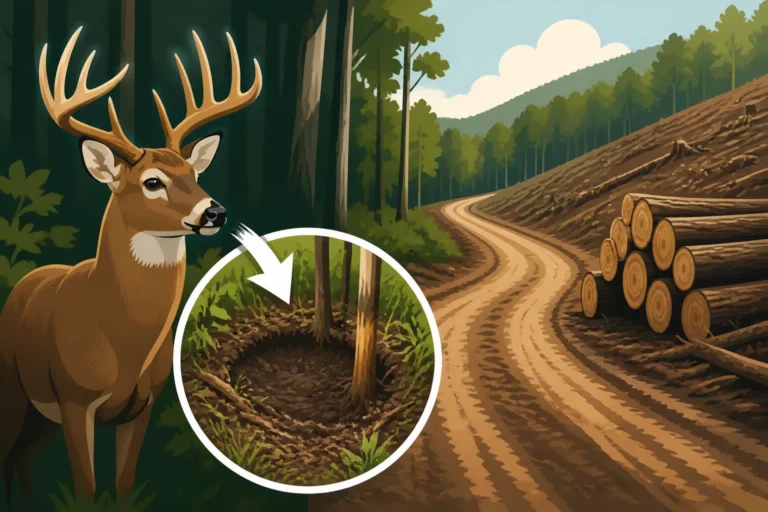
Beyond tracks, look for fresh droppings, which can confirm recent activity. Heavily browsed saplings or shrubs, especially those with crisp, fresh breaks, are also tell-tale signs of feeding. While rubs and scrapes are less common in January compared to the rut, don't completely dismiss them. An occasional fresh rub might indicate a buck still moving through the area, perhaps expanding his search for food. Don't forget to use tools like the Kentucky Hunt Fish App or a platform like GoHunt to mark promising sign and track your observations. The colder temperatures mean sign can last longer, giving you a clearer picture of deer movement. Learning to interpret the subtle clues left behind in the snow and frozen earth is an essential skill for Reading Kentucky Mud for Fresh Deer Movement and finding deer during the late season.
Tactical Approaches for January Success
Successfully hunting the January lull demands a shift in tactics. The aggressive calling and high-octane stands of the rut won't cut it. Instead, you need a patient, precise, and often subtle approach, focusing on intercepting deer as they fulfill their basic survival needs.
Strategic Stand Placement Near Key Resources
Given that deer are primarily focused on food and cover, your stand placement must reflect this. The goal is to intercept them as they travel between their bedding areas and the limited food sources. This often means setting up for an evening hunt near a preferred food source, or for a morning hunt closer to a dense bedding area, anticipating their return after feeding.
When Setting Up on a Western Kentucky Field Edge, consider factors like the prevailing wind, access points, and thermal currents. Deer will almost always approach a food source with the wind in their favor, or at least quartering, to detect potential danger. Identify funnels, pinch points, or subtle changes in terrain that naturally guide deer movement. These might be narrow strips of timber between fields, overgrown fencerows, or saddles on a ridge. Because deer are so wary, entry and exit routes that minimize disturbance are critical. This is a time when the strategic use of a ground blind might be beneficial, as it can offer excellent concealment and protection from the elements, allowing you to endure a longer, colder sit. When planning these longer sits, remember that a proper Cold-Weather Sitting Strategy in Kentucky is crucial for staying comfortable and alert.
Still-Hunting and Covert Approaches
While stand hunting is effective for predictable deer movement, still-hunting can be incredibly productive during the January lull, especially when deer are bedded in dense cover. This tactic involves moving extremely slowly and deliberately through likely bedding areas, pausing frequently to observe and listen. You're not looking to spook deer; you're trying to spot them before they spot you.
Focus your efforts on dense cedar thickets, overgrown clear-cuts, or pockets of unpressured timber. Walk into the wind or with a slight quartering wind, allowing your scent to be carried away from where deer might be. Look for horizontal lines (a deer's back) amidst the vertical lines of trees, patches of hide, or an ear twitch. This requires immense patience and sharp eyesight. The process is painstaking, but when it pays off, it's incredibly rewarding. You're effectively taking the hunt to the deer in their sanctuary, which is a key element of effective Still-Hunting Eastern Kentucky Ridges tactics. On calm days, you might even hear a subtle crunch of snow or the rustle of leaves as a deer stands up.
Small-Scale Deer Drives as a Last Resort
On public land or with private land permission, small-scale deer drives can be an effective tactic to dislodge deer from stubborn bedding areas during the late season. This isn't about large, chaotic pushes, but rather carefully planned, slow movements designed to gently push deer towards waiting hunters. This method is particularly useful when you've pinpointed a dense block of cover that you suspect is holding deer, but they're simply not moving.
A successful drive requires a small team, typically three or four hunters. One or two "drivers" will move slowly and quietly through the cover, while others position themselves as "posters" along natural escape routes. The key is to keep the pace slow and steady, making just enough noise to encourage deer to move, but not enough to send them crashing out wildly. Think about how deer will naturally want to escape dense cover – they'll often follow familiar trails, creek beds, or lines of least resistance. Posters should be concealed and ready. Planning a Deer Drives With Three or Four Hunters on public land takes a lot of pre-scouting to understand the terrain and deer escape routes. This can be a high-reward, but also high-effort, strategy for breaking through the January lull.
Essential Gear and Mental Fortitude for the Deep Cold
Hunting in January in Kentucky is a test of endurance. The weather can be brutal, and deer sightings can be few and far between. Success often hinges not just on your woodsmanship, but on your ability to stay warm, remain comfortable, and maintain a positive attitude through challenging conditions.
Layering for Kentucky's Winter Weather
Staying warm and dry is paramount to success and safety in January. Getting cold means losing focus, increasing movement, and ultimately, cutting your hunt short. The key is strategic layering. Start with a moisture-wicking base layer – merino wool or a synthetic blend that pulls sweat away from your skin. Next, add insulating mid-layers, such as fleece or more wool, to trap body heat. Finally, an outer shell that is both windproof and waterproof is essential for protecting against the elements, especially in Kentucky's unpredictable winter rain and snow.
Don't forget your extremities. A good insulated hat is non-negotiable, as you lose a significant amount of heat from your head. Warm, waterproof gloves or mittens are critical for maintaining dexterity and comfort. And perhaps most importantly, invest in quality, insulated, waterproof boots. Your feet will be the first to get cold, and cold feet will make any sit miserable. Make sure you have the right Insulated Boots for All-Day Sits to keep your feet comfortable, even after hours in a stand. A reputable gear retailer, or platforms like GoHunt that review gear, often offer excellent advice on layering systems designed for cold-weather hunting.
Scent Control and Stealth
January deer are survivors, and their senses are on high alert. This makes scent control and stealth even more crucial than during the rut. With fewer leaves on the trees, your scent can carry further, and deer can pick up on human odors more easily. Always shower with scent-free soap, wash your hunting clothes in scent-free detergent, and store them in airtight containers. Apply scent-eliminating sprays before heading into the woods.
Playing the wind is non-negotiable. Always position yourself downwind of where you expect deer to approach. Even if you've done everything right with scent control, a shift in wind can betray your position. In addition to scent, be mindful of noise. The woods are quieter in winter, making every crunch of a leaf or scrape of clothing sound louder. Move slowly, deliberately, and with utmost caution. Avoid unnecessary movements on stand. If you're utilizing Using a Ground Blind on Kentucky Public Land, ensure it's brushed in well and your movements inside are minimal. Silence and a clean scent profile are your best allies.
Mental Toughness and Patience
Perhaps the most critical "gear" you can bring during the January lull is mental toughness and an abundance of patience. This is not the time for easy hunts. Deer numbers might be lower in your area due to harvest pressure, and those that remain are incredibly elusive. You'll likely see fewer deer, and long stretches of inactivity are common. It's easy to get discouraged, to feel like giving up, or to question your strategies.
However, remember that the deer are still out there, and they still need to eat. Your persistence, attention to detail, and ability to stay positive through the quiet hours will eventually pay off. Celebrate small victories – a fresh track, a newly browsed sapling, or even just staying warm and comfortable for a full day. The satisfaction of tagging a deer in January, when conditions are at their harshest, is immense. It's a testament to your dedication and skill, and it truly solidifies your understanding of how deer behave under the most extreme pressure.
Here's a quick look at common late-season food sources:
| Food Source Type | Primary Availability | Deer Preference | Common Locations | Notes for Hunters |
|---|---|---|---|---|
| Standing Corn | Late Fall – Early Winter | High | Agricultural Fields | Excellent calories, provides cover. |
| Soybeans | Late Fall – Early Winter | High | Agricultural Fields | High protein, often browsed heavily. |
| Winter Wheat/Rye | Late Fall – Early Spring | Medium-High | Agricultural Fields, Food Plots | Early green-up, palatable through winter. |
| Brassicas (Turnips, Rape) | Late Fall – Late Winter | High (after frost) | Food Plots | Sweetens after frost, very attractive. |
| Hardy Clover/Alfalfa | Year-round | Medium | Food Plots, Pastures | Provides consistent browse, especially in mild winters. |
| Browse (Honeysuckle, Green Briar, Saplings) | Year-round | Low-Medium | Thickets, Creek Bottoms, Cut-Overs | Survival food when other options are scarce. |
| Acorns (Buried/Overlooked) | Early Winter | High | Oak Forests, Ridges | Rare by January, but worth checking deep litter. |
Disclaimer
Always consult the most current Kentucky Department of Fish and Wildlife Resources (KDFWR) regulations before planning any hunting trip, as rules and seasons are subject to change annually. This guide is for informational purposes only and does not supersede official KDFWR guidelines.