Blind Bags and Cold-Weather Gear
There's nothing quite like the chill that sets in when you're waiting for legal shooting light, or that biting wind that seems to cut right through your layers as you sit on a deer stand. Many of us have experienced hunts where we were either miserably cold, soaking wet, or scrambling to find crucial gear that somehow vanished into the abyss of a generic backpack. This guide is all about helping you conquer those cold, damp Kentucky days by organizing your essentials with a proper blind bag and equipping yourself with the right cold-weather gear, ensuring your comfort and focus stay where they belong: on the hunt.
The Indispensable Blind Bag: Your Field Command Center
Let's face it, when you're out there, whether it's in a duck blind on Kentucky Lake or tucked into a fence row for late-season deer, chaos is the last thing you need. A good blind bag isn't just a container; it's your portable command center, a meticulously organized hub for everything you need at arm's reach. Think about those moments when a flock of mallards suddenly banks overhead, or a big buck steps out of the timber—you don't want to be fumbling for calls or shells.
What Makes a Good Blind Bag?
The difference between a "bag" and a good blind bag comes down to thoughtful design for the specific rigors of hunting. First and foremost, durability and waterproofing are non-negotiable. Kentucky weather can turn on a dime, from a crisp, sunny morning to an all-day freezing drizzle. You need materials that can stand up to mud, water, briars, and constant abuse. Look for heavy-duty denier nylons or thick canvas with reinforced stitching and waterproof bottoms. Some of the best options even incorporate rubberized bases or molded feet to keep moisture from seeping up from the ground.
Size is another critical factor. Are you doing a quick morning duck hunt where you only need a handful of shells and a couple of calls? Or are you planning an all-day sit in a goose field, requiring more layers, food, and perhaps even a thermos of coffee? Blind bags come in various capacities, from compact models that might hold a dozen shells and a few essentials to larger, duffel-style bags designed for longer outings or shared gear. For many Kentucky waterfowl hunters, a medium-sized bag that can comfortably hold two boxes of shells, a handful of calls, a snack, and a small water bottle strikes the perfect balance. Organizational features are where a blind bag truly shines. Internal dividers, mesh pockets, zippered compartments, and external pockets for quick access to often-used items like lanyards or hand warmers are invaluable. Imagine reaching into a dedicated, fleece-lined pocket for your binoculars, knowing they're protected and won't be rattling around with loose shells. The goal is to have a place for everything, so you can grab what you need instantly, without making unnecessary noise or wasting precious seconds.
Essential Contents for a Kentucky Blind Bag
So, you've got your ideal blind bag. Now, what goes in it to make sure you're ready for anything Kentucky throws your way? This isn't just about shells and calls; it's about preparedness for comfort, safety, and success.
Ammunition: This might seem obvious, but having enough shells for your chosen game is crucial. For waterfowl, I always recommend at least two boxes, if not three, especially if the birds are working well or you're sharing with a partner. For small game, a generous supply of lighter loads. Keep them in a waterproof shell box or a dedicated compartment within your blind bag to prevent moisture contamination.
Calls: Whether it's a trusty duck call, a goose call that brings 'em in, or a slate call for a fall turkey hunt, these are your voice in the field. I like to keep my most-used calls on a lanyard, but backups or specialty calls (like a pintail whistle or a diaphragm turkey call) should be easily accessible in a secure, padded pocket. Don't forget a call conditioning tool if you use wooden calls or a piece of sandpaper for your slate.
Food and Drink: Staying hydrated and fueled is vital, particularly during those bone-chilling late-season hunts. A thermos of hot coffee, tea, or soup can be a game-changer for morale and core temperature. Pack high-energy snacks like granola bars, nuts, or fruit that won't freeze solid. Keep these in a separate, insulated pocket if possible.
First-Aid Kit: This is non-negotiable. Accidents happen. A compact kit with bandages, antiseptic wipes, pain relievers, and any personal medications is essential. You don't need a trauma kit, but something for minor cuts, scrapes, or blisters can save a hunt from being cut short.
Navigation and Communication: Even with cell service often spotty in many of Kentucky's remote public hunting areas, a fully charged phone with a hunting app like GoHunt can be invaluable for pinpointing your location, marking downed game, or communicating in an emergency. Consider a portable power bank to keep your devices charged. A physical compass and map are never a bad idea as a backup, especially when you’re scouting new territory like in Scouting Kentucky Public Land Before Season.
Personal Comfort Items: This includes things like hand warmers (a must-have for those frigid mornings, and don’t be afraid to stash a few extra in your pockets and boots!), a small towel for wiping down gear or hands, a headlamp for walking in and out in the dark, and maybe even a small book or e-reader for slow periods in the blind. Remember, a comfortable hunter is a patient hunter.
Permits and License: Always keep your hunting license and any required permits (like HIP certification for migratory birds) securely stowed in a waterproof pouch inside your blind bag. Digital copies on your phone are often accepted, but a physical printout provides peace of psychological reassurance.
Conquering the Cold: Layering for Kentucky's Winter Hunts
Kentucky winters are notorious for their variability. You can start a day with heavy frost and end it with sunshine, or get hit with a sudden cold rain that feels like tiny ice daggers. The key to staying comfortable through all of it isn't just one big, bulky coat; it's the strategic use of layers. This approach allows you to adapt to changing temperatures and activity levels, shedding or adding insulation as needed.
The Art of Layering: Base, Mid, and Outer Layers
Layering is a system, not just a pile of clothes. Each layer has a specific job, and understanding that is crucial for optimal warmth and moisture management.
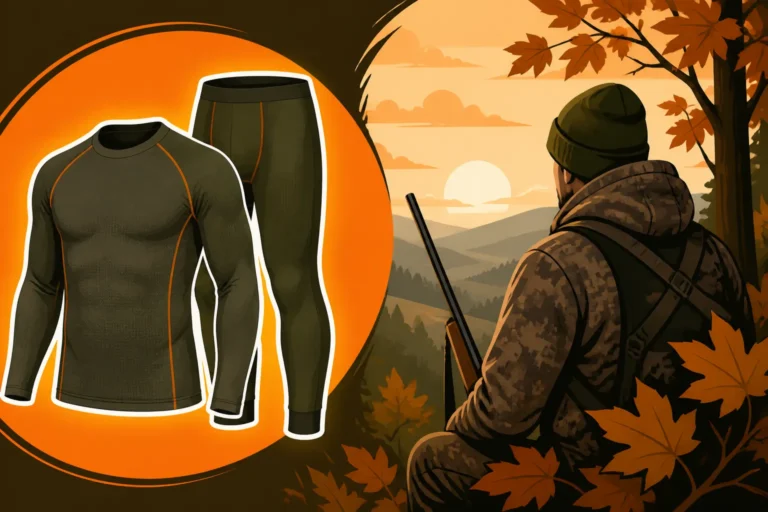
Base Layer: This is your foundation, sitting directly against your skin. Its primary job is to wick moisture (sweat) away from your body, keeping you dry. If sweat stays on your skin, it will cool rapidly and chill you to the bone. Materials like merino wool or synthetic performance fabrics are excellent choices. Merino wool is fantastic because it's naturally antimicrobial, meaning it resists odor, and it retains warmth even when damp. Synthetics, on the other hand, are often faster drying and very durable. Avoid cotton at all costs for your base layer; it absorbs moisture and holds it, making you cold. We've talked about Base Layers for a Kentucky November before, and the principles hold true all winter long.
Mid-Layer: This is your insulation powerhouse. Its job is to trap warm air close to your body. Depending on how cold it is and how active you plan to be, you might use one or multiple mid-layers. Fleece jackets, down vests, or synthetic insulated jackets are common choices. Look for materials that offer a good warmth-to-weight ratio and can compress easily if you need to pack them into your blind bag. Again, Wool Versus Synthetics in Wet Cold is a topic that comes up often, and for a mid-layer, both have their merits, with wool offering a bit more warmth when wet. For those really frigid days, a heavier fleece or a lightweight puffy jacket can make all the difference.
Outer Layer (Shell): This is your protection from the elements—wind, rain, and snow. It should be waterproof, windproof, and durable enough to withstand brush and briars. This layer may or may not provide much insulation itself, as its main job is to keep the cold wind and moisture out, protecting the insulating mid-layers underneath. Look for jackets and pants made with waterproof-breathable membranes. The "breathable" part is important because it allows some body vapor to escape, preventing you from getting clammy inside, which can lead to chilling. For waterfowl, a heavy, insulated, waterproof parka and bibs are often a single outer layer, combining insulation and weather protection. For deer hunting, a quieter, less bulky shell that still provides excellent wind and water resistance is preferred. Nothing ruins a hunt faster than being soaked to the bone from an unexpected downpour, which is why Rain Gear for a Kentucky Downpour is such an important consideration.
Protecting Extremities: Hands, Feet, and Head
Your hands, feet, and head lose a tremendous amount of heat, and when they get cold, your whole body feels it. Protecting these areas is crucial for staying warm and comfortable throughout your hunt.
Hands: This is a tricky one because you need both warmth and dexterity. Many hunters opt for a layering system here, too: thin liner gloves for dexterity, covered by a warmer, insulated glove or a pair of mittens. Mittens are generally warmer than gloves because your fingers share warmth, but they sacrifice some fine motor skills. Consider convertible mittens that allow you to flip back the finger covers for quick tasks like loading a gun or tying a decoy line. A pair of waterproof gloves is a must for waterfowl hunting, where your hands will inevitably get wet. Don't forget a few Hand Warmers That Last a Full Sit to slip into your gloves or pockets!
Feet: Cold feet are a deal-breaker. Start with good quality socks—again, merino wool or synthetics are the way to go, as they wick moisture and provide insulation. Avoid thick cotton socks. Layering two pairs of thinner wool socks can sometimes be warmer than one super-thick pair, as it creates more dead air space for insulation. Your boots are equally important. For stationary hunts, insulated, waterproof boots are essential. Many Kentucky hunters rely on rubber boots for their waterproof qualities, especially when dealing with muddy fields or wet creek bottoms. For longer treks over varied terrain, a comfortable, insulated leather or synthetic boot with good ankle support will serve you well. Make sure your boots are roomy enough to accommodate thicker socks without restricting circulation, which can actually make your feet colder. Check out options for Insulated Boots for All-Day Sits to find something that truly stands up to the task.
Head: You lose a significant amount of body heat through your head. A warm hat is one of the easiest and most effective ways to stay warm. Fleece beanies, wool caps, or insulated hats with ear flaps are all great options. For really cold, windy days, a balaclava or neck gaiter can provide crucial protection for your face and neck, preventing windburn and further heat loss.
Specialty Cold-Weather Gear for Specific Hunts
While the general principles of layering apply across the board, certain types of hunting in Kentucky demand specialized cold-weather gear to ensure comfort and success.
Waterfowl-Specific Warmth
Hunting ducks and geese often means dealing with water, mud, and extreme cold, sometimes all at once. The gear for this pursuit needs to be robust and absolutely waterproof.
Waders: These are arguably the most critical piece of waterfowl gear. Chest waders, in particular, keep you dry and insulated when standing in flooded timber, wading across sloughs, or retrieving birds from icy waters. Look for insulated neoprene waders for warmth or breathable waders with insulation layers underneath for more active wading. The integrated boots on waders are also heavily insulated. Waders are so important that we dedicated a whole piece to Waders for Flooded Timber Hunting. Ensure they fit properly—not too tight to restrict movement or circulation, but not so loose they create bulk and drag.
Insulated Parkas and Bibs: For open-water blinds or layout blinds in fields, a heavy, insulated, waterproof parka and matching bibs are often preferred. These offer maximum warmth and protection from driving wind and sleet. Many are designed with extra pockets for shells and calls, and reinforced elbows and knees for durability. When you're Hunting Land Between the Lakes Waterfowl, or waiting in a Layout Blind Hunting Western Kentucky Fields, this kind of comprehensive outer shell is invaluable.
Floating Blinds: While not "gear" in the traditional sense, a floating blind or boat blind provides an incredible amount of shelter from wind and cold, making those long waits in frigid conditions much more tolerable. They effectively create a microclimate around you, shielding you from the worst of the elements.
Deer and Turkey Stand Warmth
Sitting still for hours, often before dawn or after dusk, is the hallmark of deer and fall turkey hunting. The cold can become unbearable, leading to fidgeting and potentially spooking game.
Insulated Suits and Jackets/Pants: For stationary sits, a heavy, insulated hunting suit designed for extreme cold is a game-changer. These are often quieter than waterfowl gear and designed to provide maximum warmth with minimal bulk that could impede your shot. Many come with integrated hand warmers or pockets for chemical warmers. When considering Hunting Kentucky's Record Elk Herd or a long sit for a late-season whitetail, the right insulation can extend your comfort exponentially.
Heated Vests/Gloves/Socks: Battery-powered heated gear has become incredibly popular for stand hunters. A heated vest can provide crucial core warmth, while heated socks and gloves can keep your extremities from freezing, all without adding excessive bulk. Just be sure to carry extra charged batteries in your blind bag, as cold weather can drain them faster than you expect.
Ground Blinds and Portable Heaters: Using a ground blind can provide a significant barrier against wind, rain, and even snow. Inside a well-brushed-in blind, a small, portable propane heater can elevate your comfort to an entirely new level. These heaters are quiet, safe (when used properly with ventilation), and can transform a miserable hunt into an enjoyable one, allowing you to stay on stand longer and increase your chances of success. Just imagine waiting in comfort for a big buck during Hunting the Rut in Early November!
Keeping Gear Dry and Functional in the Elements
Beyond just keeping yourself warm and dry, ensuring your gear stays dry and functional is paramount. The damp conditions prevalent in much of Kentucky, whether from rain, snow, or simply morning dew, can wreak havoc on electronics, ammunition, and even your optics.
Waterproofing Your Essentials
Protecting your critical items from moisture is a proactive step that can save a hunt—or even your equipment.
Dry Bags and Waterproof Cases: For anything truly sensitive, like your phone, GPS, or extra batteries, small dry bags or hard-shell waterproof cases are invaluable. They fit easily into a blind bag and provide a fail-safe barrier against immersion or heavy rain. Don't rely solely on the "water-resistant" claims of your electronic devices; add an extra layer of protection. This is especially true if you're venturing into areas prone to flooding or hunting near water, such as during Waterfowl Hunting Kentucky Lakes and Rivers.
Ammunition Protection: While modern factory ammunition is generally sealed well, prolonged exposure to moisture can still affect primers or powder, leading to misfires. Keep extra shells in a dedicated waterproof shell box inside your blind bag. For your main working supply, if you're carrying them in external loops or pockets, ensure your outer layer offers good coverage.
Scent-Free Storage: For deer and bear hunters, keeping clothes and gear scent-free is just as important as keeping them dry. After washing your hunting clothes in scent-eliminating detergent, store them in airtight containers or scent-control bags. Even your blind bag can pick up unwanted odors, so consider giving it a good airing out and a spray down with scent-eliminating spray before each hunt.
Maintaining Performance in Freezing Temperatures
Cold doesn't just make you uncomfortable; it can also affect the performance of your gear, especially modern electronics and optics.
Battery Life: Cold weather significantly reduces battery life in phones, GPS units, headlamps, and heated gear. Always start with fully charged batteries. Carry spares, and keep them in an inside pocket close to your body heat until needed. This can make a huge difference in how long your devices last.
Optics Management: Nothing is more frustrating than having your binoculars or scope fog up right when you need them most. Moving from a warm vehicle to cold outdoor air, or even just your own body heat against cold lenses, can cause fogging. Look for optics that are nitrogen-purged and O-ring sealed for fog-proof performance. To minimize external fogging, try to keep your optics at ambient temperature if possible. A small anti-fog cloth can also be a lifesaver.
Moisture and Freezing: After a rainy or snowy hunt, ensure all your gear—especially your blind bag and its contents—are thoroughly dried out before storing them. Wet gear can freeze, become stiff and noisy, or even grow mildew. Hang your blind bag upside down to drain any water, open all pockets, and let it air dry completely. For clothes, hang them in a well-ventilated area. Taking the time to properly dry and maintain your gear will ensure it's ready for your next Kentucky adventure, whether it's hunting Kentucky's Statewide Modern Gun Season or chasing turkeys in Kentucky's Fall Turkey Season.
Keeping your blind bag organized and your cold-weather gear dialed in isn't just about comfort; it's about extending your time in the field, increasing your effectiveness, and ultimately, making your Kentucky hunting experiences more enjoyable and successful. Invest in quality, plan your layers, and stay prepared for whatever Mother Nature throws your way. The GoHunt app can help you scout and plan, but staying warm and organized is up to you!
Disclaimer
This article is for general informational purposes only and does not constitute professional advice. Laws, prices and regulations vary by location and change over time. Consult a qualified professional for guidance on your specific situation.