Scouting Kentucky Public Land Before Season
Pre-season scouting on Kentucky public land helps hunters locate unpressured pockets, food sources, and quiet entry routes.
Close the distance.
Archery, muzzleloader, and firearm techniques — calling, stand placement, still-hunting, spot-and-stalk, and the weapon rules that change at the state line.

Pre-season scouting on Kentucky public land helps hunters locate unpressured pockets, food sources, and quiet entry routes.

Kentucky furbearer trapping regulations, gear selection, and animal behavior for raccoons, beavers, bobcats, and coyotes.
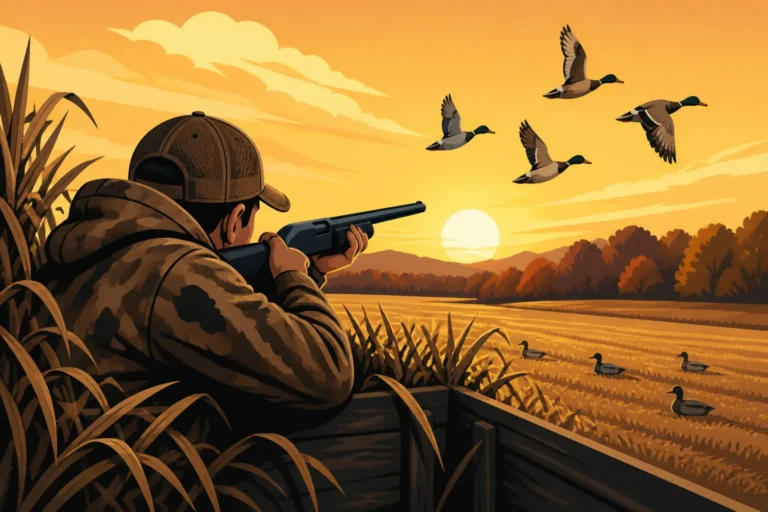
Layout blind hunting in Western Kentucky fields helps waterfowlers intercept migrating ducks and geese using agricultural stopovers.
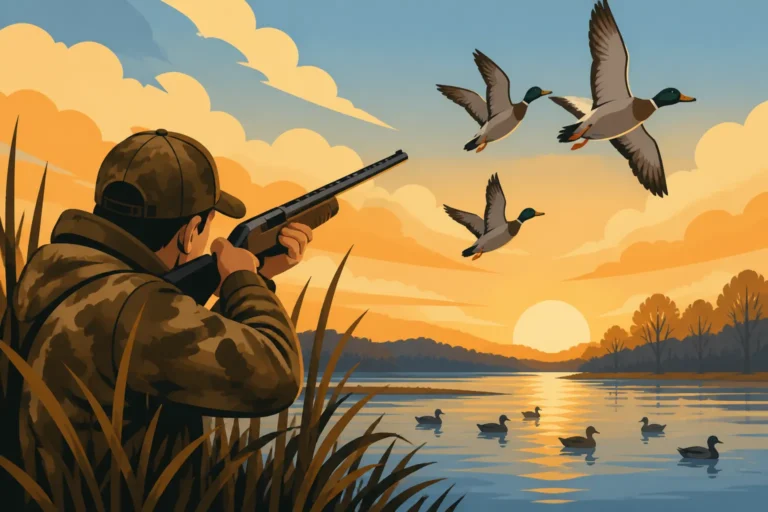
Land Between the Lakes waterfowl hunting regulations, Kentucky Lake access points, and sanctuary boundaries explained for hunters.
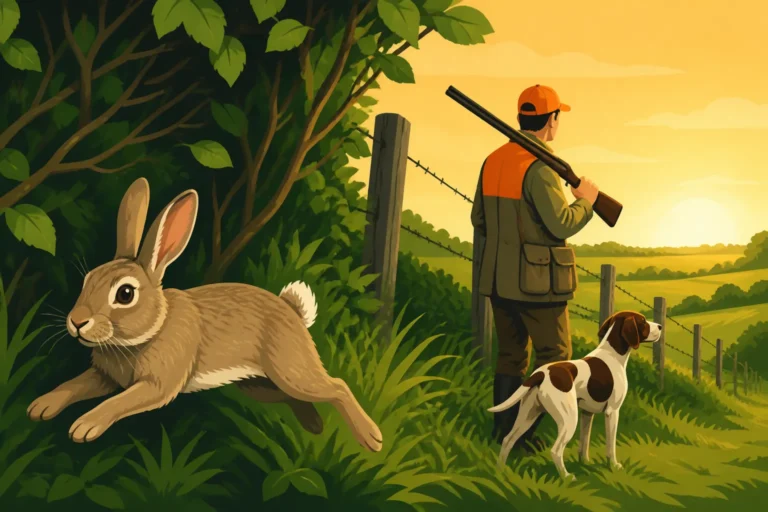
Kentucky fencerows with multiflora rose and blackberry brambles offer rabbits food, cover, and travel corridors adjacent to agricultural fields.
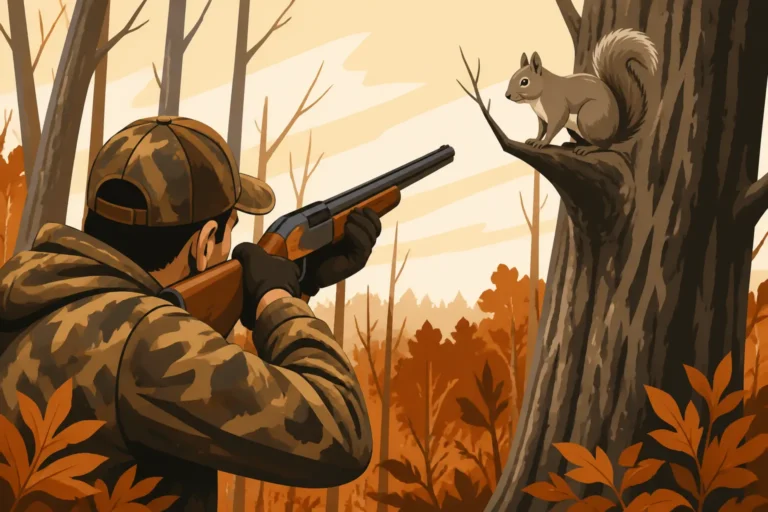
Squirrel hunting in Kentucky bottomland hardwoods requires tactics for navigating dense canopies and mature timber stands.
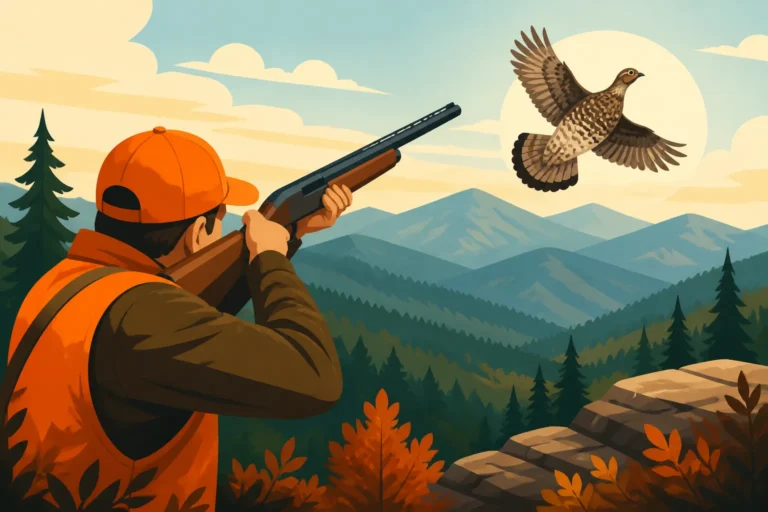
Ruffed grouse hunting in the Cumberland Mountains explains declining populations, prime coverts, and survival in rugged eastern Kentucky habitats.
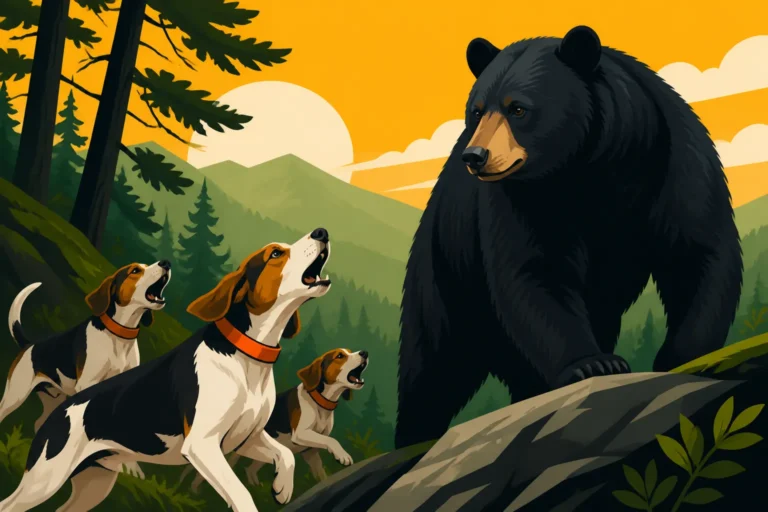
Kentucky black bear hunting with hounds in Pine Mountain requires understanding rugged terrain, dense thickets, and seasonal food sources.
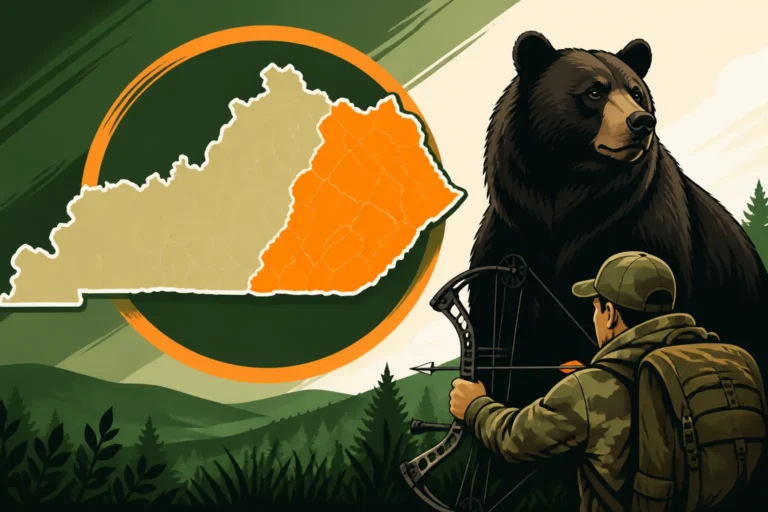
Kentucky black bear hunting regulations and new zone three boundaries covering Clinton, Wayne, McCreary, and Pulaski counties.

Kentucky black bear hunting with archery gear requires navigating bear zones, scouting Appalachian foothills, and following harvest quotas.