Best Kentucky Ground for Public Land Elk
Finding public land to hunt elk in Kentucky can feel like searching for a needle in a vast, rugged haystack. The sheer size of the Elk Zone, combined with challenging terrain and the need for a coveted permit, often leaves hunters wondering where to even begin their scouting efforts. This guide will walk you through the prime public land opportunities for elk in the Commonwealth, offering strategies to identify and access these elusive animals.
Navigating Kentucky's Elk Restoration Zone
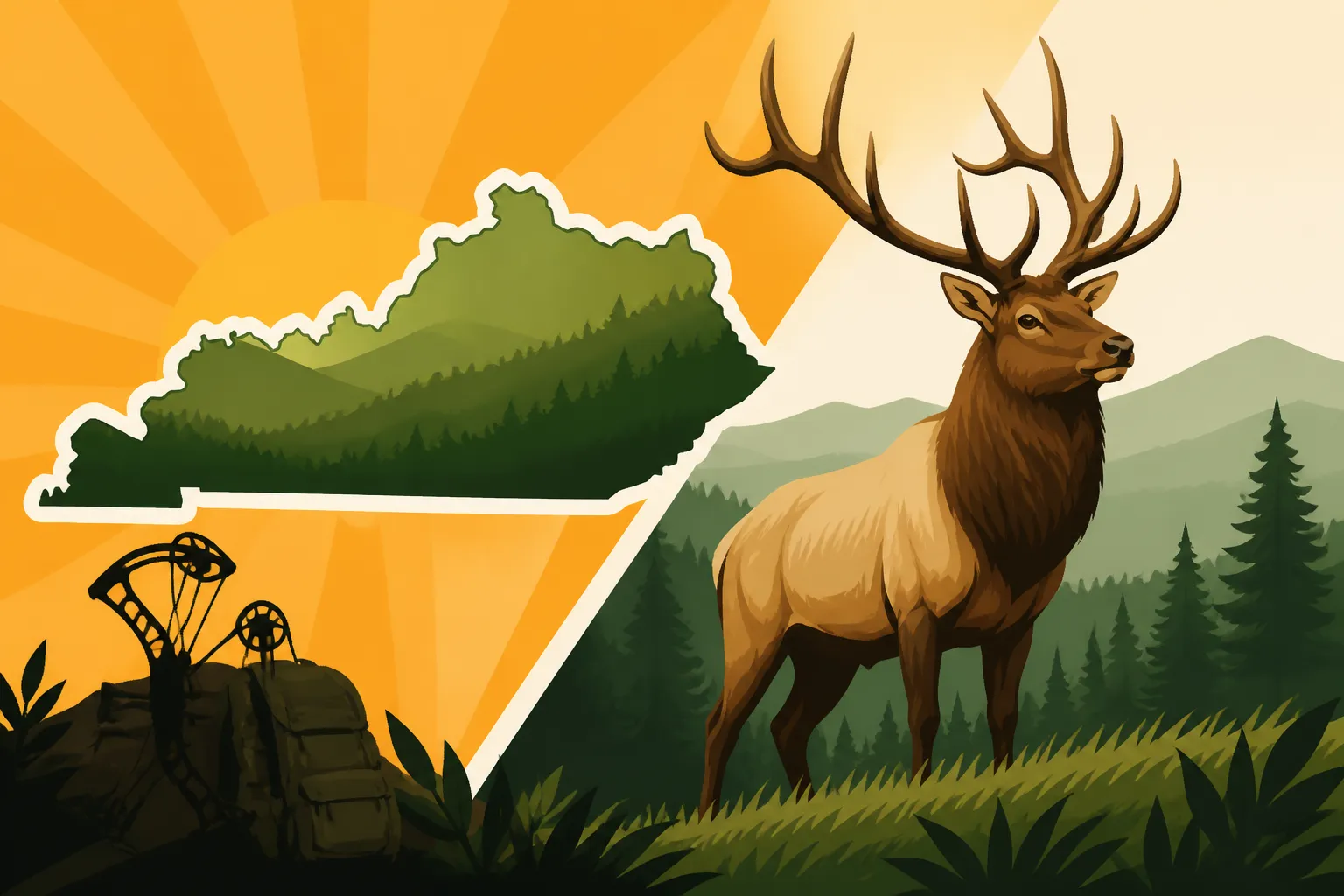
Kentucky boasts one of the most incredible elk restoration success stories east of the Mississippi, creating a truly unique hunting opportunity. However, not just any patch of woods will hold elk. All elk hunting in Kentucky is confined to the designated "Elk Restoration Zone," which encompasses a specific set of counties in the southeastern part of the state. This zone is where the Kentucky Department of Fish and Wildlife Resources (KDFWR) has focused its extensive reintroduction and management efforts, leading to Kentucky's Record Elk Herd. Understanding this geographical restriction is your first, crucial step.
The Elk Zone is primarily characterized by the mountainous, heavily forested, and often rugged terrain of the Appalachian foothills and mountains. This landscape, while beautiful, presents significant challenges for hunters. Think steep hollers, dense timber, old logging roads, and vast tracts of public land interspersed with private parcels. It's a far cry from the flat farmland many Kentucky deer hunters are accustomed to. Success here often depends on your physical conditioning, navigation skills, and a willingness to get deep into the wilderness. The elk themselves are often found utilizing a mix of mature timber for cover, reclaimed mine lands for forage, and transitional areas in between. Identifying these habitat types on a map, and then physically exploring them, is paramount.
Within this zone, hunting access comes primarily through public lands managed by the state or federal government. While these lands offer incredible opportunities, they also come with specific regulations that can differ from private land or even from other public land types. It’s absolutely vital to know these rules before you ever step foot in the woods. This isn't just about legality; it's about respecting the resource and your fellow hunters. Elk permits are highly sought after, and those fortunate enough to draw one need every advantage they can get, starting with a clear understanding of where they can legally and effectively pursue these magnificent animals.
Premier Public Land Hotspots for Elk
Once you have that coveted elk permit in hand, the real work begins: deciding where to hunt. The Elk Zone encompasses several large public land blocks, each with its own characteristics and potential for elk encounters.
Daniel Boone National Forest
The Daniel Boone National Forest (DBNF) is a massive tract of federal land that spans much of eastern Kentucky and forms the backbone of public land hunting in the Elk Zone. While not all of the DBNF is prime elk habitat, significant portions within the Elk Zone hold elk. These areas are vast and rugged, often requiring considerable physical effort to access. The advantage of the DBNF is its sheer size; you can truly get away from other hunters if you're willing to put in the miles. You’ll find a mix of mature hardwood forests, dense undergrowth, and challenging topography. Elk tend to use the ridges and hollows, often moving between higher elevation bedding areas and lower feeding grounds.
Hunting the DBNF for elk means preparing for long days of walking, navigating steep grades, and often being miles from the nearest road. Focus your scouting efforts on areas with diverse habitat, particularly where timber meets old clear-cuts or reclaimed land that might have undergone reclamation efforts favoring forage. Water sources are also key, especially in drier periods. Look for wallows, tracks along muddy creek bottoms, and rubbed trees. The DBNF is an incredible resource, but it demands respect and preparation. For a deeper dive into hunting this iconic area, check out Daniel Boone National Forest Hunting.
Wildlife Management Areas (WMAs)
Kentucky is home to several excellent Wildlife Management Areas (WMAs) that are specifically managed to benefit elk and other wildlife within the Elk Zone. These areas tend to be smaller than the DBNF but are often more intensively managed, sometimes including food plots or prescribed burns designed to enhance elk habitat. Because they are often easier to access and smaller in scope, WMAs can sometimes see higher hunter pressure, especially during opening days of various seasons. However, don't let that deter you; with good scouting and a willingness to move, you can still find unpressured elk.
Some of the notable WMAs within the Elk Zone include Begley WMA, Robinson Forest (which has specific hunting rules due to its research nature), and portions of the Redbird Wildlife Management Area. Each WMA has its own unique terrain and habitat features. For example, some WMAs might have more open, grassy areas from past mining operations that are heavily used by elk for feeding, while others might be predominantly timbered. Always check the specific WMA regulations before heading out, as they can have unique rules regarding vehicle access, camping, or even specific hunting zones. These WMAs are critical components of Kentucky's public land elk hunting, offering diverse opportunities for those holding a tag.
Reclaimed Mine Lands
A significant portion of Kentucky's Elk Zone includes areas that were once surface coal mines but have since been reclaimed and revegetated. These reclaimed lands, often found within both DBNF sections and certain WMAs, have become vital elk habitat. The disturbed earth and subsequent planting of grasses, legumes, and various browse species create excellent forage for elk, especially compared to the dense, mature forests. Elk will often graze these open areas, particularly in the mornings and evenings, and then retreat into nearby timbered hollows or ridges for bedding during the day.
Hunting reclaimed mine lands requires a different approach. While they offer more open sight lines, elk are also more exposed and can be notoriously wary. Glassing an Elk Restoration Zone Meadow from a distance can be very effective here, allowing you to locate animals before making a move. Access can sometimes be tricky, as these areas often involve a network of old haul roads that may or may not be open to public vehicle traffic. It’s crucial to use detailed maps and ground scout to understand access points and terrain features. The mix of open ground and dense forest found on these reclaimed areas provides an ideal environment for elk and can lead to some truly exciting hunting opportunities.
Here's a quick comparison of some public land options within Kentucky's Elk Zone:
| Public Land Area | Typical Terrain | Primary Habitat Type | Hunter Pressure Potential | Key Advantages |
|---|---|---|---|---|
| Daniel Boone National Forest | Steep ridges, deep hollows, dense hardwoods | Mature timber, some clear-cuts | Moderate to Low (with effort) | Vast, ability to get remote, diverse terrain |
| Begley WMA | Varied, includes reclaimed land and timber | Mix of open grasslands, regenerating forest | Moderate | Good forage, diverse elk use, good access points |
| Robinson Forest | Very steep, rugged, heavily timbered | Mature Appalachian hardwoods, limited open areas | Low | Remote, wild experience, less disturbance |
| Pine Mountain State Forest | Long, narrow mountain ridge, steep slopes | Mixed hardwoods, dense understory | Moderate | Excellent cover, challenging but rewarding |
| Reclaimed Mine Lands (General) | Rolling hills, plateaus, former highwalls | Grasses, legumes, early successional growth | High (in accessible spots) | Excellent forage, glassing opportunities |
Strategic Scouting and Technology for Public Elk Ground
Finding elk on public land, especially in Kentucky's rugged terrain, isn't something you just stumble into. It requires strategic planning, meticulous scouting, and leveraging modern technology. This isn't just about identifying a "spot"; it's about understanding elk movement patterns, seasonal behaviors, and how they interact with the specific landscape you're hunting.
Leveraging Mapping Software
In today's hunting world, mapping software like onX Hunt or GoHunt is practically indispensable, especially when tackling vast public lands like the DBNF or specific WMAs within the Elk Zone. These platforms allow you to overlay private and public land boundaries, view topographic maps with incredible detail, and often include satellite imagery that can reveal hidden clearings, old logging roads, and subtle terrain features that might attract elk. Before you ever set foot in the woods, you should be meticulously studying these maps. Look for saddles between ridges, pinch points, benches on steep slopes, and areas where different habitat types converge. Mark potential bedding areas, probable feeding grounds, and logical travel corridors.
These tools are not just for pre-season planning; they are invaluable in the field. Using the GPS capabilities on your phone (even without cell service, if maps are downloaded for offline use), you can pinpoint your exact location, track your movements, and mark fresh sign like rubs, tracks, or droppings. This allows you to build a comprehensive picture of elk activity and adapt your hunting strategy on the fly. Don't underestimate the power of these digital scouting aids in saving you time, effort, and increasing your chances of success on challenging public elk ground.
Identifying Elk Sign and Habitat
While maps are excellent, nothing beats boots on the ground for confirming elk presence and understanding their current patterns. When scouting, you’re not just looking for a "perfect spot" but rather reading the landscape for clues. Elk sign is distinct and plentiful if you know what to look for. Fresh tracks, especially those of a herd, are a dead giveaway. Look for large, deep prints, often found along old roads, trails, or near water sources. Wallows, muddy depressions where elk roll to cool off and deter insects, are another strong indicator. These are often found near water or in damp, shaded areas.
Rubs and scrapes are also critical. Elk bulls will aggressively rub trees, often much larger than deer rubs, to mark their territory and shed velvet. These can range from small saplings to substantial trees with bark completely stripped. While specific to the rut, finding old rubs confirms past elk activity in an area. Droppings, or "piles," are also good indicators of recent presence. Beyond direct sign, pay close attention to the habitat itself. Elk prefer a mosaic of cover and forage. They need dense timber for security and bedding, and open areas with good grasses and forbs for feeding. Identifying areas where these elements converge, especially with access to water, is key to pinpointing active elk areas. This intimate understanding of Elk Viewing in the Restoration Zone isn't just for sightseers; it's crucial for hunters.
Managing Expectations and Hunter Pressure
Hunting Kentucky elk, especially on public land, is an experience unlike almost any other. While the opportunity is phenomenal, it's also highly competitive and comes with its own unique set of challenges beyond just finding the animals.
Understanding the Permit System and Draw Odds
Let's be realistic: obtaining a Kentucky elk permit is a challenge in itself. The state issues a limited number of permits each year through a lottery system, making draw odds relatively low. Many hunters apply for years, even decades, before drawing a tag. This scarcity means that those who are lucky enough to draw a tag often invest heavily in their hunt, both in terms of scouting time and physical preparation. It's why understanding Kentucky Elk Quota Hunt Rules and Applying for a Kentucky Elk Permit is so critical.
This competitive nature translates into high expectations. When you finally draw a tag, the pressure to make the most of it can be immense. However, it's vital to remember that even with a tag, elk hunting is still hunting. Conditions can be tough, elk can be elusive, and success is never guaranteed. Setting realistic expectations – understanding that the experience itself is a huge part of the reward – will help you enjoy the process, even if you don't fill your tag. Researching Kentucky Elk Application Window Dates and the different permit types (bull, cow, either-sex) will help you tailor your application strategy to your personal goals and increase your chances over the long run.
Strategies for Minimizing Hunter Pressure
Public land in Kentucky, especially during any prime hunting season, can see significant hunter pressure. While elk hunting is less common than deer hunting, the limited number of tags means that the hunters who are out there are often very dedicated. This can lead to elk becoming very wary, moving into thicker cover, or going nocturnal. To counter this, you need strategies to get away from the crowds.
One of the most effective methods is simply to walk further. Most hunters won't venture more than a mile or two from a road or parking area. If you're willing to put in the physical effort to hike three, four, or even five miles into remote areas of the DBNF, your chances of encountering unpressured elk increase dramatically. This means packing light, having excellent navigation skills, and being physically prepared for a strenuous hunt. Another strategy is to hunt during weekdays rather than weekends if your schedule allows, as pressure typically subsides. Additionally, focusing on terrain that is particularly difficult to traverse – steep, brushy, or areas with limited access points – can often pay dividends. Elk, like other wild game, quickly learn where they are safe, and those often happen to be the places human hunters find less inviting. By being smart about your access and willing to work harder than the next hunter, you can significantly improve your odds of success on public land. Calling a Southeastern Kentucky Bull Elk is more effective when you're not competing with other hunters' calls.
Disclaimer
This article is for general informational purposes only and does not constitute professional advice. Laws, prices and regulations vary by location and change over time. Consult a qualified professional for guidance on your specific situation.