Kentucky Elk Bull-to-Cow Ratio
For any hunter dreaming of a Kentucky elk tag, the sheer anticipation, coupled with the incredibly low odds, can be both exhilarating and daunting. You pour over maps, scout potential areas, and visualize that moment, but understanding the underlying health and structure of the herd—specifically the bull-to-cow ratio—can feel like trying to decipher an ancient riddle. This guide will demystify what the Kentucky elk bull-to-cow ratio actually means for the herd and for hunters, helping you understand how this critical metric influences everything from permit allocations to your actual hunting success once you're in the field.
Understanding the Kentucky Elk Bull-to-Cow Ratio
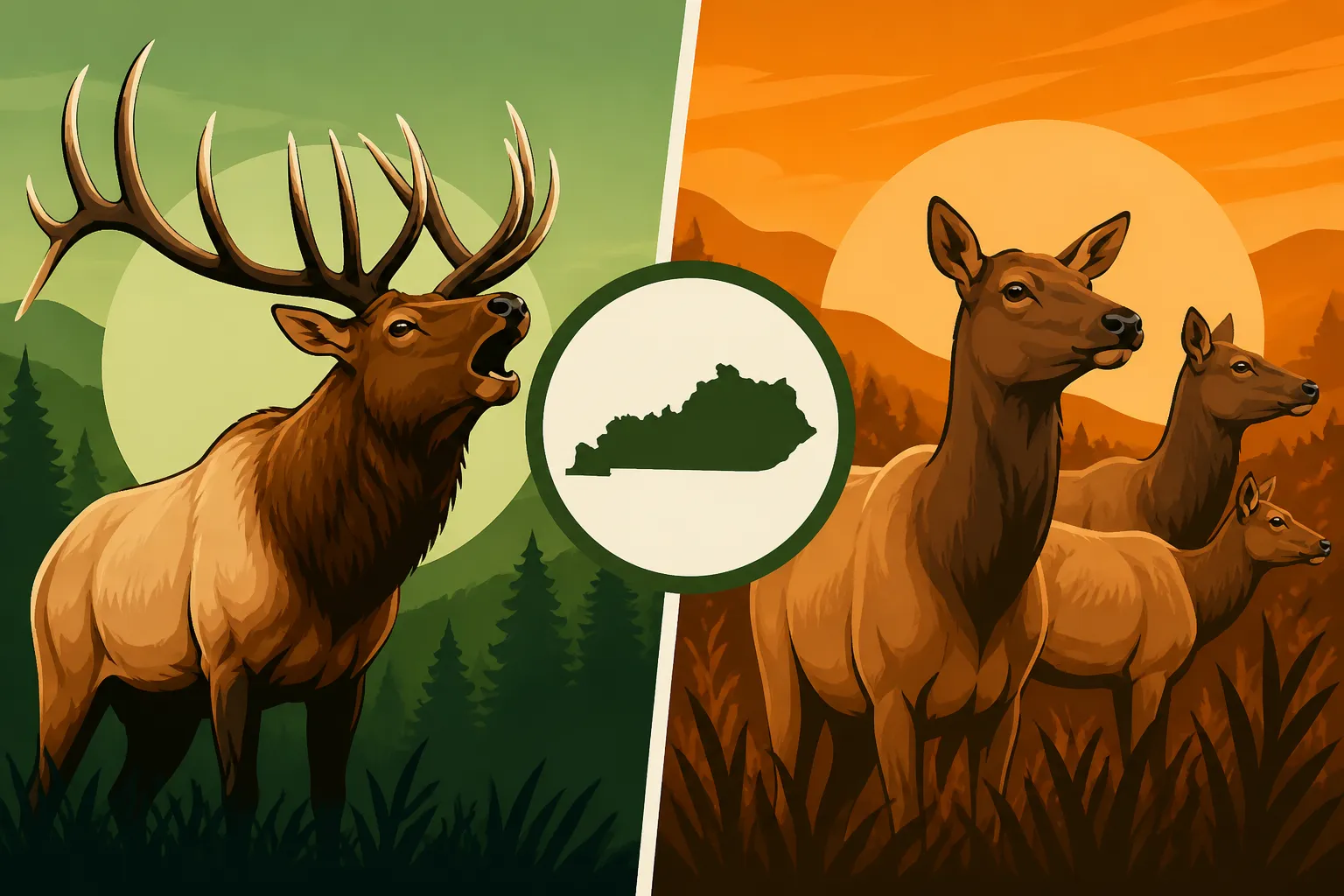
When we talk about the bull-to-cow ratio in Kentucky's magnificent elk herd, we're not just throwing out a random number; we're delving into a fundamental aspect of wildlife management and herd health. Simply put, this ratio is the number of mature bulls observed for every 100 cows within a given population segment. It's a snapshot of the adult sex structure, and it tells wildlife biologists and seasoned hunters a great deal about the overall vigor, reproductive potential, and even the hunting quality of the herd.
Think about it this way: if you have too few bulls, especially mature, dominant bulls, breeding can suffer, leading to lower calf recruitment. On the flip side, if the ratio becomes too skewed with too many bulls, it might indicate over-protection of bulls or perhaps a declining cow population due to other factors. Kentucky's elk herd is a carefully managed success story, and maintaining a balanced bull-to-cow ratio is a cornerstone of that success, ensuring a healthy breeding population while still providing trophy hunting opportunities. It’s not about achieving a 1:1 ratio, which is often unnatural in polygamous species like elk, but rather about maintaining a desired ecological balance that promotes both robust reproduction and sustainable hunting.
Why the Ratio Matters for Herd Health
The health of any large game population hinges on its ability to reproduce effectively and sustain itself against various pressures, from disease to predation. For Kentucky's elk, a stable and healthy bull-to-cow ratio is absolutely vital for this long-term viability. It's not just about having any bulls, but having a good distribution of age classes among those bulls. Older, more experienced bulls are typically more successful at breeding, passing on strong genetics, and maintaining a vigorous gene pool.
If the bull population becomes too young or too sparse, you might see a dip in pregnancy rates among cows or a delay in conception, which can impact the timing of the calf drop and ultimately calf survival. A robust ratio ensures that cows are bred efficiently and effectively, contributing to the recruitment of new calves into the herd year after year. This balance is especially important in a restoration success story like Kentucky's, where How Many Elk Live in Kentucky Today is a testament to careful management. Without the right balance, the very foundation of the herd's future could be compromised, impacting not just the quantity but also the quality of animals that thrive in the beautiful mountains of eastern Kentucky.
How KDFWR Monitors the Ratio
The Kentucky Department of Fish and Wildlife Resources (KDFWR) doesn't just guess at these numbers; they employ systematic and rigorous methods to monitor the bull-to-cow ratio. This isn't a simple task, especially across the vast, rugged terrain of the Kentucky's Elk Restoration Zone. One of the primary methods involves extensive aerial surveys, typically conducted during winter months when leaves are off the trees and snow cover can make elk more visible against the landscape. Biologists fly established transects, meticulously counting and classifying elk they observe into bulls, cows, and calves.
Another crucial source of data comes directly from hunters. When hunters harvest an elk, they are required to telecheck it, providing valuable information about the animal's sex, age, and location. This harvest data, collected over many years, contributes significantly to understanding trends in the bull and cow populations. By combining these different data points—aerial counts, ground observations, and hunter harvest reports—KDFWR biologists can construct a comprehensive picture of the herd's dynamics, including the all-important bull-to-cow ratio. These insights are then used to inform management decisions, such as setting future tag quotas for Kentucky Elk Quota Hunt Rules. Tools like those found on GoHunt often compile and present this publicly available data, making it easier for hunters to interpret the trends before applying for permits.
Impact on Kentucky Elk Hunting Opportunities
For hunters, the bull-to-cow ratio isn't just a biological curiosity; it has very real, tangible implications for their chances of drawing a tag, finding an animal, and ultimately harvesting a Kentucky elk. Understanding this ratio helps shed light on why certain types of tags might be more difficult to draw, or why success rates vary between bull and cow seasons. It's an essential piece of the puzzle for anyone serious about hunting Kentucky's record elk herd.
Let's be honest, getting an elk permit in Kentucky is a serious undertaking. With thousands of applicants for a limited number of tags, every bit of information helps you refine your strategy. Knowing the general trend of the bull-to-cow ratio can, for instance, give you a hint about the availability of mature bulls, which often translates into the desirability and draw odds for those highly coveted bull tags.
Influencing Permit Allocation and Draw Odds
The KDFWR uses the bull-to-cow ratio as a key indicator when determining the number and type of elk permits to issue each year. If surveys show a healthy, stable bull-to-cow ratio, it might allow for more bull permits, or at least maintain the current level. Conversely, if the ratio indicates a decline in mature bulls, biologists might recommend reducing bull tags to allow the population time to rebound, thus protecting the breeding stock. This directly impacts Applying for a Kentucky Elk Permit.
For instance, if the ratio leans heavily towards cows, KDFWR might increase cow tags to manage herd numbers and ensure available forage isn't overgrazed, especially in specific units. This means that while bull tags might remain incredibly hard to draw, cow tags could see slightly better odds or more available permits. Hunters using resources like GoHunt to track historical permit numbers and draw odds might notice these subtle shifts year over year, which are often directly tied to the KDFWR's assessment of the bull-to-cow ratio and overall herd health. It's a delicate balancing act to ensure both conservation and hunting opportunity.
Affecting Hunting Strategy and Success Rates
Once you've beaten the odds and drawn a tag—congratulations!—the bull-to-cow ratio continues to play a role, albeit a less direct one, in your actual hunting strategy and potential for success. If you've drawn a bull tag, and the region you're hunting generally has a strong bull-to-cow ratio with a good number of mature animals, your prospects for locating and patterning a bull might be slightly better. You'll likely encounter more bugling activity during the rut, and seeing multiple bulls competing for cows can make for an exciting hunt. You can read more about Hunting a Bull Firearm Elk Season to prepare for those opportunities.
However, if the ratio is on the lower side, meaning fewer bulls per 100 cows, you might find that locating a bull is a greater challenge. They might be more spread out, less vocal, or simply harder to come by, requiring more intensive scouting and a more patient approach. For cow tag holders, a strong cow population (implied by a higher bull-to-cow ratio, or more accurately, a good overall population with sufficient cows) generally means more opportunities to fill that tag. Locating herds of cows and calves is often easier than finding solitary bulls, making for a potentially higher success rate for those Hunting a Cow Firearm Elk Season. Knowing these dynamics can help you adjust your expectations and adapt your tactics, whether you're focusing on calling techniques or still-hunting through prime habitat.
Factors Influencing the Kentucky Elk Bull-to-Cow Ratio
The bull-to-cow ratio isn't static; it's a dynamic figure that fluctuates based on a multitude of biological and human-influenced factors. Understanding these influences provides a deeper appreciation for the complexities of wildlife management and offers hunters valuable context for why the herd structure might appear a certain way in any given year or unit. It's a constant dance between natural processes and the careful stewardship of the KDFWR.
From the natural cycle of life and death in the wild to the direct impact of hunting regulations, every piece contributes to the intricate mosaic of the herd's demographics. Predators, disease, and environmental conditions all play their part, as does the human element through regulated harvest.
Natural Mortality and Recruitment
Just like any wild population, Kentucky's elk experience natural mortality. Bulls, particularly older, larger animals, can be more susceptible to injuries during the rut, leading to mortality. They also face predation from coyotes or, more rarely, black bears, though predation on adult elk is generally not a primary driver of population decline. Calves are much more vulnerable, and their survival rate, known as recruitment, heavily impacts the future age structure of both bulls and cows. If a year sees poor calf survival due to harsh winters, disease, or high predation pressure, it will eventually affect the number of young bulls and cows entering the breeding population several years down the line.
Additionally, environmental factors like disease outbreaks (though the Kentucky herd is generally healthy) or severe weather events can impact specific age classes more than others, subtly shifting the ratio. A year of plentiful, high-quality forage, for example, might lead to stronger calves and better survival rates, ultimately bolstering the future bull and cow populations in equal measure, or perhaps favoring one slightly more than the other depending on specific vulnerabilities.
Hunter Harvest and Management Goals
The most significant human influence on the bull-to-cow ratio in a managed herd like Kentucky's is hunter harvest. This is where KDFWR's careful permit allocation truly comes into play. By issuing specific numbers of bull and cow tags, biologists can actively steer the ratio towards their desired management goals. For example, if the goal is to produce a higher number of mature bulls, they might keep bull tags relatively low and focus more on cow harvest to control overall population growth while allowing bulls to age.
Conversely, if the herd is growing rapidly and needs to be brought into balance with available habitat, more cow tags might be issued. This management strategy directly shapes the age structure and sex ratio of the herd. Without this active management, bull populations could become overharvested, leading to a skewed ratio that negatively impacts herd reproduction and the trophy quality that Kentucky is known for. It's a constant fine-tuning process, where harvest data from each season feeds directly into decisions for the next, aiming for a sustainable and healthy future for the entire herd, especially within the context of specific units like Kentucky's Seven Elk Hunting Units.
Table: Bull-to-Cow Ratio Implications for Hunters
To give you a clearer picture, here's a simplified look at how different bull-to-cow ratios might influence your hunting experience in Kentucky. Keep in mind that these are general trends, and local factors can always vary.
| Bull-to-Cow Ratio (Bulls:100 Cows) | Potential Herd Status | Impact on Bull Hunters | Impact on Cow Hunters | General Hunting Experience |
|---|---|---|---|---|
| 20-25:100 | Very Healthy, Balanced | Excellent opportunity for mature bulls, strong bugling. | Good chances, ample cow numbers. | High quality, strong rut activity. |
| 15-19:100 | Healthy, good production | Good opportunity, but perhaps fewer very old bulls. | Consistent chances, solid cow numbers. | Good quality, steady rut activity. |
| 10-14:100 | Stable, but needs monitoring | More challenging for trophy bulls, requires patience. | Still good chances, but cow population might be closer to target. | Moderate quality, may need more effort. |
| <10:100 | Imbalanced, potential concern | Very challenging for bulls, likely younger age class. | Good opportunity, focus on population control. | More challenging, less consistent action. |
Remember, KDFWR aims for a healthy balance, typically within the higher end of these numbers, to ensure both a robust breeding population and excellent hunting. Using tools like GoHunt for up-to-date data can give you an edge in understanding which units might align with these ratios for a particular season.
How Hunters Can Use Ratio Knowledge
For the dedicated Kentucky elk hunter, knowing about the bull-to-cow ratio isn't just academic; it's a strategic advantage. While you can't personally change the numbers, understanding them can significantly refine your approach to scouting, permit applications, and even your in-field tactics. It's about being an informed hunter, making the most of every opportunity in a state celebrated for its elk hunting.
Think about how you prepare for any hunt. You study maps, check weather patterns, and research the animal's behavior. Adding the bull-to-cow ratio to your analytical toolkit provides another layer of insight, helping you to form a more complete picture of what to expect when you're fortunate enough to draw one of those coveted tags.
Informing Permit Application Strategy
This is perhaps the most direct way the bull-to-cow ratio can influence your hunting journey. If you're primarily after a trophy bull, and you see trends or reports indicating a strong bull-to-cow ratio in certain units, it might make those units more attractive for your bull permit application. Conversely, if a unit consistently shows a lower bull ratio, you might adjust your expectations or even consider applying for a cow tag in that area, knowing you'll still be contributing to herd management and filling your freezer.
Understanding the broader trends in Kentucky Elk Quota Hunt Rules and how KDFWR manages permit types based on these ratios can help you make a more informed decision each year. While luck plays a huge role in the draw, strategic application based on population data is the next best thing. Resources available through GoHunt often provide insights into unit-specific harvest data and historical permit allocations, which can indirectly reflect the bull-to-cow dynamics and help you tailor your choices.
Guiding Pre-Season Scouting and In-Season Tactics
Once you have that tag in hand, your knowledge of the bull-to-cow ratio can subtly guide your pre-season scouting and in-season tactics. For example, if you know you're heading into an area with a healthy bull ratio, you might prioritize scouting for rubs, scrapes, and wallows – all signs of active bull behavior. During the hunt, you might focus more on aggressive calling, trying to locate and challenge those dominant bulls, especially during When Kentucky Elk Bugle.
However, if you're in an area where the bull ratio is known to be tighter, you might shift your strategy to more glassing and patient observation, or focus on finding smaller, satellite bulls that might be less vocal but still present. For cow tag holders, understanding that cows tend to congregate in larger, family groups can inform your scouting for preferred feeding or bedding areas. Whether it's Calling a Southeastern Kentucky Bull Elk or patiently tracking a herd, your awareness of the herd's structure, influenced by the bull-to-cow ratio, provides a richer context for your efforts in the field.
Disclaimer
This article is for general informational purposes only and does not constitute professional advice. Laws, prices and regulations vary by location and change over time. Consult a qualified professional for guidance on your specific situation.